If you own a Jeep, you know how much fun it is to drive with the top off, feeling the sun and wind. But what if the weather changes or you want more security?
Many Jeep owners ask: Can you buy a hardtop for a Jeep? The answer is yes, and understanding your options can make a big difference in comfort, safety, and style.
Let’s explore what you need to know about buying a hardtop, including types, prices, installation tips, and how to choose the right one for your Jeep.
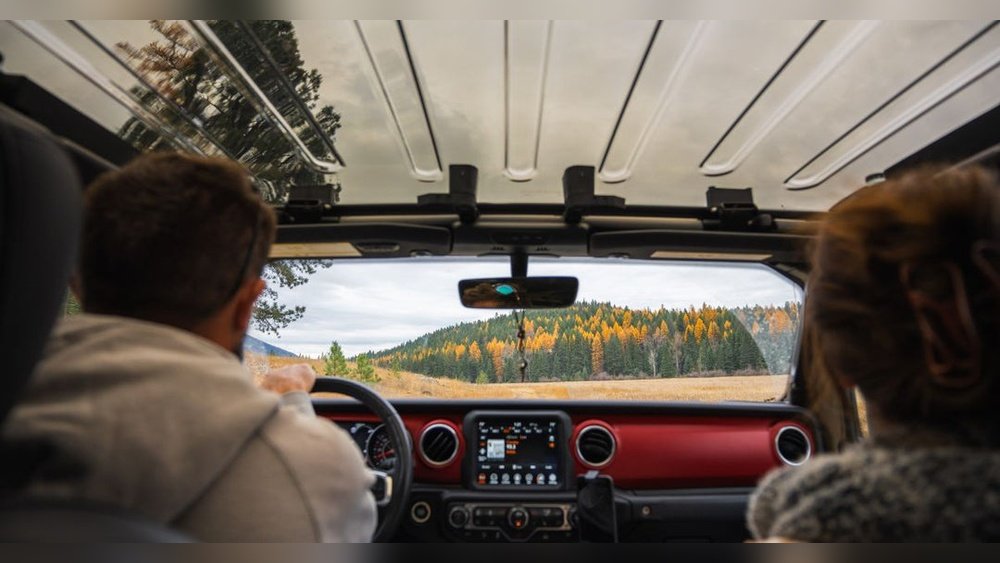
Why Consider A Jeep Hardtop?
A hardtop offers several advantages over a soft top. First, it gives better protection against rain, snow, wind, and cold. Hardtops also add security, making it harder for thieves to get inside. Many owners find their Jeep is quieter with a hardtop, especially on the highway.
Another big reason is durability. While soft tops can wear out or tear, a hardtop can last for many years with minimal maintenance. For people who use their Jeep daily or live in areas with harsh weather, a hardtop is often the best choice.
Types Of Jeep Hardtops
You can find hardtops for almost every Jeep model. The most common types are:
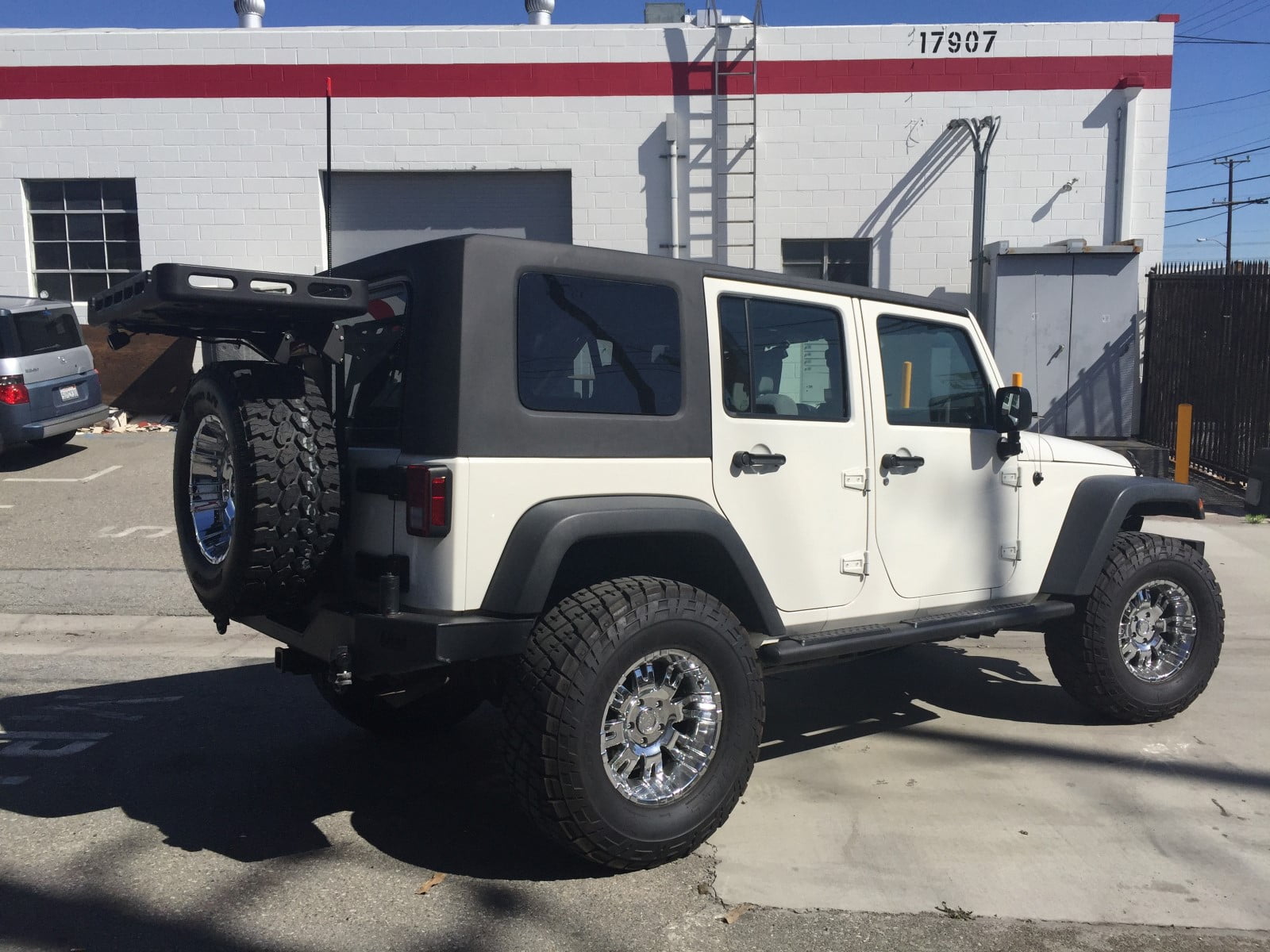
- One-piece hardtop: This is a single, solid unit. It covers the cabin and usually includes the rear window. It’s strong and simple but can be heavy and hard to remove alone.
- Two-piece (modular) hardtop: This splits into front and rear sections. You can remove just the front, called a “freedom panel,” for an open-air feeling. The back stays closed for protection and security.
- Color-matched hardtops: Some companies offer hardtops painted to match your Jeep’s body color. These look great but often cost more.
Here’s a quick comparison:
| Type | Main Benefit | Drawback |
|---|---|---|
| One-piece | Strong, simple design | Heavy, hard to store |
| Two-piece | Flexible, easier to use | More parts to manage |
| Color-matched | Stylish, custom look | Higher price |
Where Can You Buy A Jeep Hardtop?
There are several places you can buy a hardtop:
- Jeep dealerships: You get factory-quality hardtops that fit perfectly. These are usually the most expensive.
- Aftermarket companies: Brands like Bestop, Smittybilt, and Mopar offer a wide range for different Jeep models and years.
- Online retailers: Websites like Quadratec, ExtremeTerrain, and eBay have both new and used hardtops.
- Local classifieds: Sometimes you can find used hardtops on Craigslist or Facebook Marketplace. This can save money, but always check for cracks or missing parts.
Here’s a price range comparison for new hardtops:
| Source | Typical Price Range | Warranty |
|---|---|---|
| Dealership | $2,500 – $4,000 | Yes |
| Aftermarket | $1,500 – $3,000 | Usually |
| Used (private) | $800 – $2,000 | No |
What To Consider Before Buying
Not all hardtops are created equal. Here are a few key points to keep in mind:
- Fit: Hardtops are not universal. Make sure the hardtop matches your Jeep’s model year and body style (2-door or 4-door).
- Weight: Hardtops are heavy (100–150 lbs). You may need help to install or remove it.
- Windows and features: Some hardtops come with tinted windows, rear wipers, or even built-in defrosters. These extras can make life easier, especially in winter.
- Storage: When you remove your hardtop, you need a safe place to store it. Cracks and scratches can happen if stored carelessly.
A common mistake is buying a hardtop without checking for all mounting hardware or seals. Missing pieces can lead to leaks or rattles.
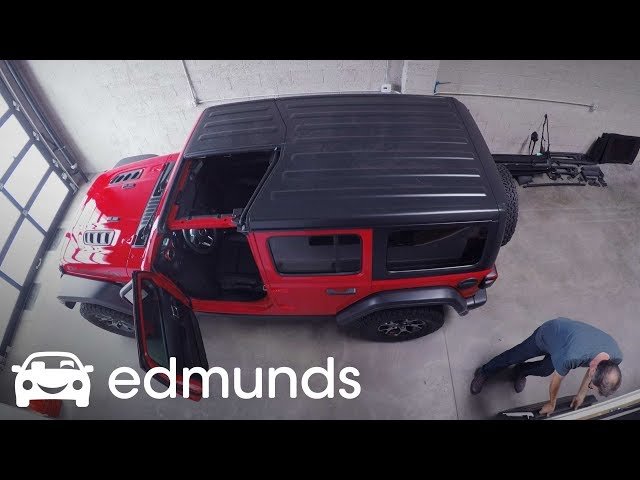
Installation: Diy Or Professional?
Many Jeep owners install hardtops themselves. The process usually takes about 1–2 hours. Basic steps include:
- Remove the soft top (if installed).
- Place the hardtop on your Jeep with help.
- Secure the top with bolts and attach wiring for the rear window or wiper if needed.
If you’re not confident, a shop can install it for you. Professional installation usually costs $100 $300. It’s a good option if you want to avoid possible mistakes or damage.
Real-world Example
Mark, a Jeep Wrangler JK owner, switched from a soft top to a two-piece hardtop. He noticed a big drop in road noise, and his heater worked better in winter.
He paid $1,800 for a used hardtop and spent an afternoon installing it with a friend.
The only surprise was realizing he needed a special rear wiring kit, which added $100 to his costs. This is a common detail people forget when buying used.
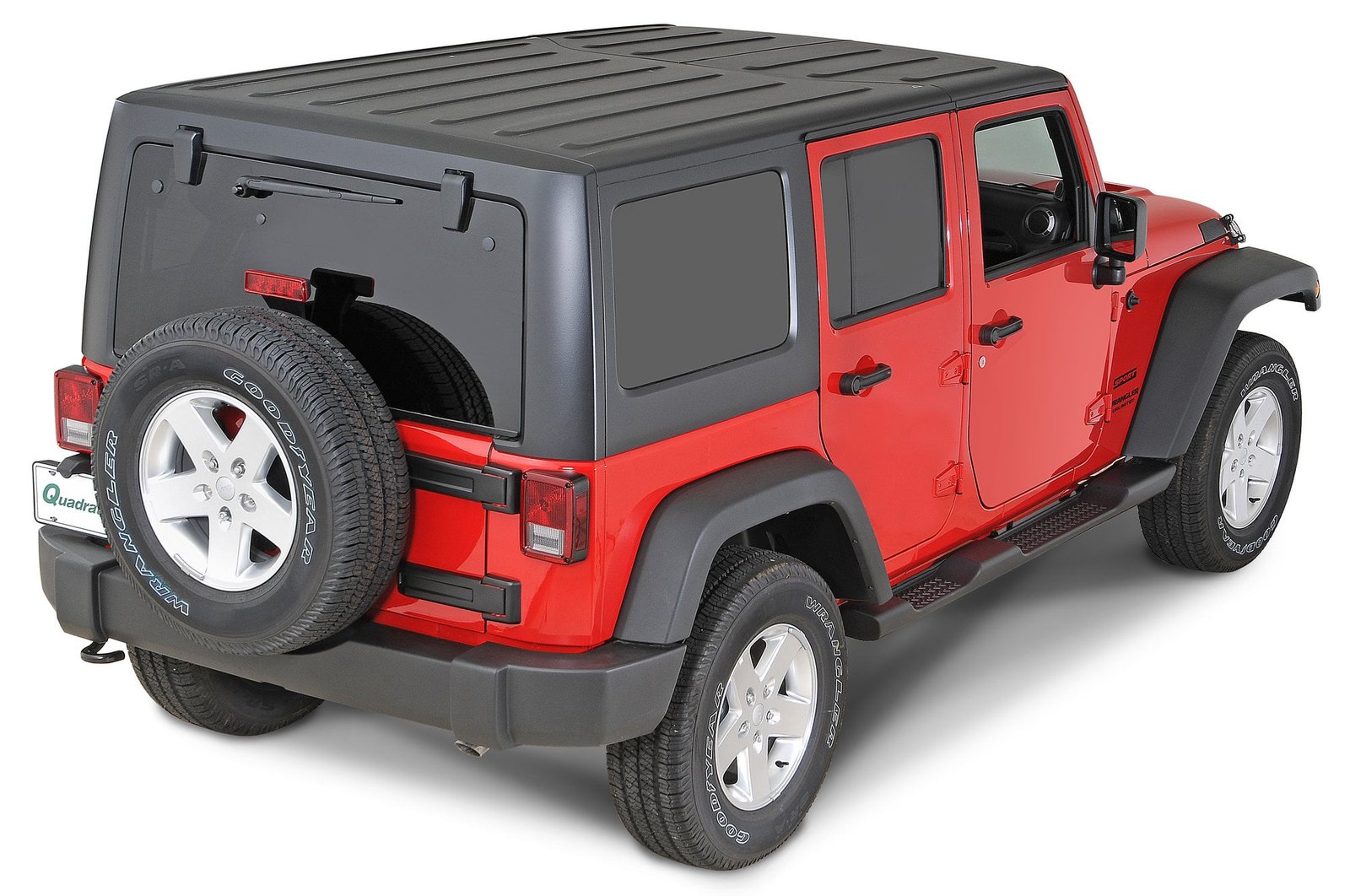
Pros And Cons Of Jeep Hardtops
Here’s a quick look at the main pros and cons:
| Pros | Cons |
|---|---|
| Weather protection | Heavy to remove/store |
| Improved security | More expensive than soft tops |
| Lower road noise | Less “open-air” feel |
| Lasts longer | May need wiring |
Two Overlooked Tips
- Check local climate: If you live in a hot area, black hardtops can get very warm inside. Lighter colors or insulation kits can help.
- Insurance: Some insurers offer lower rates for Jeeps with hardtops due to better security.
When A Hardtop Is Not The Best Choice
Hardtops are great, but not for everyone. If you love taking your roof off often or do a lot of off-roading, a soft top may be more practical. Hardtops are best for daily driving, cold climates, or when security is a top concern.
Frequently Asked Questions
Is A Jeep Hardtop Worth The Money?
For most owners, yes. The weather protection, security, and quiet ride make it a smart upgrade, especially for year-round use.
Can I Install A Jeep Hardtop Myself?
Yes, with basic tools and a helper. Just follow the instructions and be careful with wiring if you have a rear defroster or wiper.
Will A Wrangler Hardtop Fit A Gladiator?
No, hardtops are designed for specific models and years. Always check compatibility before buying.
How Much Does A Used Jeep Hardtop Cost?
Used hardtops range from $800 to $2,000. Prices depend on condition, features, and local demand.
Where Can I Find More Information?
For more details, see the official Jeep website.
A Jeep hardtop is a solid investment if you want your ride to be ready for all seasons and more secure. Take time to research, measure, and compare before buying your comfort and safety on the road are worth it.