Upgrading Your Jeep Comanche Rear Axle: Understanding Positraction
The Jeep Comanche MJ, produced from 1986 to 1992, is a beloved pickup truck known for its ruggedness and off-road capabilities. Many owners look to enhance their trucks further, and one common upgrade is improving rear-wheel traction.
This often leads to questions about adding a positraction system, also known as a limited-slip differential (LSD). Can you make your Jeep Comanche's rear wheel positraction?
The answer is a resounding yes, but it involves understanding the different types of differentials, the available options for the Comanche's axles, and the installation process.
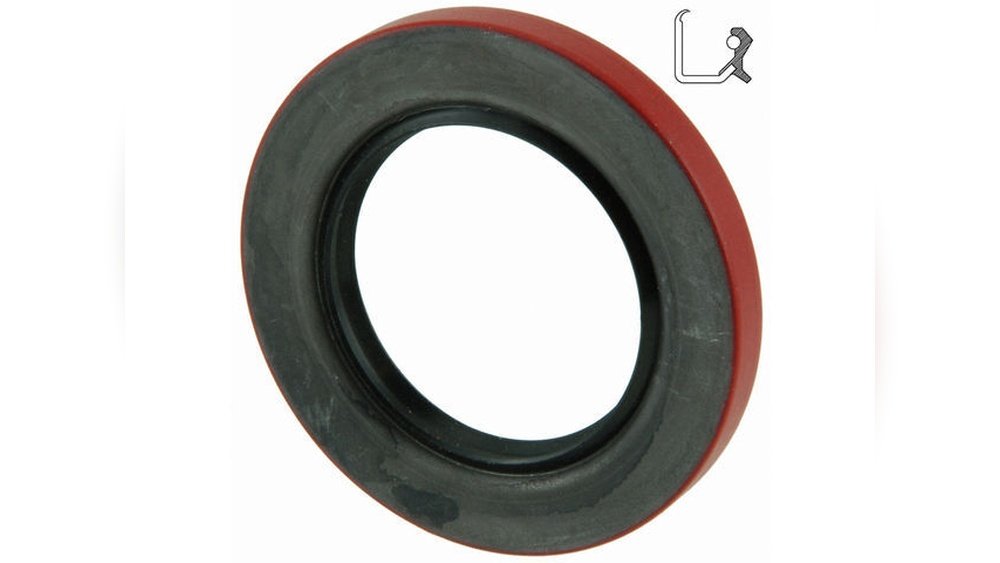
Many people use the term “positraction” generically to refer to any system that helps both rear wheels gain traction. However, positraction is actually a brand name for a specific type of limited-slip differential developed by General Motors. Today, the term is often used interchangeably with limited-slip differential (LSD). A true locker is another type of differential that can provide even more aggressive traction. For your Comanche, understanding these distinctions is key to choosing the right upgrade for your needs and budget.
Understanding Jeep Axles And Differentials
Before diving into upgrades, it’s crucial to know what you’re working with. The Jeep Comanche typically came equipped with either a Dana 35 or a Dana 44 rear axle, depending on the model year and configuration. Both axles are robust, but they have different strengths and common upgrade paths.
The differential is the central component in your axle. Its job is to allow your rear wheels to rotate at different speeds, which is essential when turning. Without a differential, one wheel would be forced to drag or skip when you turn, making steering difficult and potentially damaging your drivetrain.
The Standard Open Differential
Most Comanches came from the factory with an open differential. This is the simplest and most common type. In an open differential, power is always sent to the wheel with the least resistance. This means if one rear wheel loses traction (e.g., on ice, mud, or in the air), it will spin freely, and the other wheel, which might have good traction, will receive very little power. This is the primary reason why owners seek upgrades for better traction.
Limited-slip Differentials (lsd)
An LSD, often called “posi” or “positraction” in common parlance, is designed to overcome the limitations of an open differential. When one wheel starts to lose traction, the LSD automatically applies some torque to the other wheel. This means you can still get power to the ground even if one wheel is slipping. LSDs come in various designs, including clutch-based, gear-based, and viscous coupling types. They offer a good balance between on-road manners and off-road capability, as they don’t completely lock the wheels together.
Locking Differentials (lockers)
A locking differential, or locker, is the most aggressive traction-enhancing option. When engaged (either manually or automatically), it mechanically locks both rear axles together, forcing them to spin at the exact same speed. This ensures that if one wheel has traction, the other will too. Lockers are fantastic for extreme off-roading but can be problematic on pavement. When turning on a dry, high-traction surface, locked wheels will bind and hop, causing excessive tire wear and drivetrain stress. Therefore, lockers are typically designed to be engaged only when off-road or in slippery conditions.
Options For Your Jeep Comanche Rear Axle
The specific axle installed in your Comanche will determine the exact upgrade options available. Identifying your axle is the first step.
You can usually find identification tags on the differential cover or by looking up your VIN.
Dana 35 Rear Axle Upgrades
The Dana 35 is a common axle found in many Comanches, especially two-wheel-drive models or those with lighter-duty configurations. While it’s a capable axle, it’s generally considered less robust than the Dana 44.
- Limited-Slip Differentials for Dana 35: Several aftermarket companies offer limited-slip differentials for the Dana 35 axle. These are direct replacements for your factory open differential. Brands like Eaton (with their E-Locker or TrueTrac line) and Yukon Gear & Axle provide options. The Eaton TrueTrac is a popular gear-based LSD that provides excellent performance without the wear issues of clutch-based units. It’s a good choice for daily drivers who also venture off-road.
- Locking Differentials for Dana 35: For more serious off-roading, locking differentials are available. Eaton E-Locker is a selectable locker that you can engage when needed, offering 100% traction. ARB Air Locker is another excellent option, using compressed air to engage the locker, and often requires an air compressor system.
Dana 44 Rear Axle Upgrades
The Dana 44 is a stronger axle, often found in four-wheel-drive Comanches or those with heavier-duty packages. It’s better suited for larger tires and more demanding off-road use.
- Limited-Slip Differentials for Dana 44: Similar to the Dana 35, the Dana 44 can be upgraded with aftermarket LSDs. Eaton and Yukon are again prominent manufacturers. The Eaton Detroit TrueTrac is a favored choice for its durability and smooth operation. For those who want a bit more bias towards locking, clutch-based LSDs are also available, but they require more maintenance.
- Locking Differentials for Dana 44: The Dana 44 is a very popular axle for locking differential upgrades. Eaton E-Locker and ARB Air Locker are readily available and highly recommended for their reliability. If you plan on significant off-road adventures, a locker in a Dana 44 is a very solid choice.
Choosing The Right Differential For Your Needs
The best differential for your Comanche depends heavily on how you use your truck.
- Daily Driver with Occasional Light Off-Roading: A limited-slip differential like the Eaton TrueTrac is often the best compromise. It improves traction in slippery conditions (rain, snow, gravel) without negatively impacting on-road handling or fuel economy significantly. It will help you get unstuck from mild mud or snow without much drama.
- Serious Off-Roader: If your Comanche spends most of its time on trails, crawling over rocks, or navigating deep mud, a locking differential is likely the way to go. A selectable locker (like the Eaton E-Locker or ARB Air Locker) gives you the best of both worlds: open differential behavior on the street and maximum traction when you need it off-road.
- Budget-Conscious Enthusiast: Sometimes, the most cost-effective solution for improved traction is a spool. A spool permanently locks both axles together. It’s incredibly strong and provides maximum traction but is not suitable for street use whatsoever. It’s purely an off-road component. However, for some extreme applications, it’s a viable option.
The Installation Process: What To Expect
Installing a new differential is not a simple bolt-on job. It requires specialized tools and a good understanding of gear setup.
While many DIY enthusiasts tackle this, it’s often best left to a professional mechanic or a reputable drivetrain specialist.
The process involves:
- Removing the Axle: The entire rear axle may need to be removed from the vehicle.
- Draining Differential Fluid: All the old fluid must be drained.
- Removing the Differential Cover: The cover of the differential housing is unbolted and removed.
- Removing the Old Differential: The existing open differential carrier is unbolted and pulled out.
- Installing the New Differential: The new limited-slip or locking differential unit is installed. This is the most critical step.
- Setting Gear Pattern and Backlash: This involves careful adjustment of the pinion depth and ring gear backlash. Incorrect setup can lead to premature wear, noise, or catastrophic failure. This requires specialized feeler gauges, dial indicators, and marking compound.
- Installing the Differential Cover: The cover is reinstalled, often with a new gasket or RTV sealant.
- Refilling with Differential Fluid: The axle is filled with the correct type and amount of gear oil. Some LSDs require special friction modifiers.
- Breaking In the New Differential: Most new differentials require a break-in period to properly seat the gears. This usually involves driving gently for a set mileage (e.g., 500 miles) without hard acceleration or heavy braking, followed by an oil change.
Tools And Expertise Needed
A proper differential installation requires:
- Torque wrenches
- Gear marking compound
- Dial indicator with magnetic base
- Feeler gauges
- Pinion depth adjustment tools
- Bearing pullers and presses (sometimes)
- Patience and precision
If you don’t have these tools or the experience, hiring a professional is highly recommended. A botched installation can be far more expensive to fix than the initial cost of professional labor.
Common Pitfalls And Considerations
When upgrading to a positraction or locker, there are several things to watch out for.
- Axle Identification: As mentioned, make sure you know your axle type (Dana 35 vs. Dana 44). Parts are not interchangeable.
- Gear Ratio: Your new differential must match your ring and pinion gear ratio. If you have 4.10 gears, you need a differential designed for 4.10 gears. If you plan on changing your gear ratio (e.g., for larger tires), this is the time to do it, but it adds complexity and cost.
- Friction Modifiers: Many clutch-based LSDs require a friction modifier additive in the gear oil. Failure to use this can cause chatter and premature wear. Check the manufacturer’s recommendations. Gear-based LSDs like the TrueTrac typically do not require additives.
- Break-In Procedure: Do not skip the break-in period. It’s essential for the longevity of your new differential.
- Cost: Factor in the cost of the differential itself, installation labor, new gear oil, and potentially a new gear ratio if needed. A full installation can range from $500 to $1500+ depending on labor rates and parts.
- On-Road Manners: Be aware of how your chosen differential will affect on-road driving. Lockers can be noisy and difficult to steer on dry pavement. Some LSDs can cause a slight chatter or pull when turning.
Example Scenarios
Let’s look at a couple of hypothetical scenarios for a Jeep Comanche owner.
Scenario 1: The Weekend Warrior
- Truck: 1990 Jeep Comanche 4×4 with a Dana 44 rear axle.
- Usage: Daily commuting during the week, mild to moderate off-roading on weekends (forest trails, dirt roads, occasional mud).
- Goal: Improve traction for slippery conditions and light off-roading without sacrificing daily drivability.
- Recommended Upgrade: An Eaton TrueTrac limited-slip differential for the Dana 44. This provides automatic traction assistance when needed and behaves like an open differential on the street. The installation would involve professional setup and a standard break-in.
Scenario 2: The Extreme Off-Roader
- Truck: 1988 Jeep Comanche 4×4 with a Dana 44 rear axle, running 35-inch tires.
- Usage: Primarily used for rock crawling and challenging off-road trails. Rarely driven on pavement for extended periods.
- Goal: Maximum traction for extreme obstacles.
- Recommended Upgrade: An ARB Air Locker for the Dana 44. This allows the driver to manually engage the locker for 100% traction when tackling tough terrain. It requires the installation of an air compressor. On-road driving would be done with the locker disengaged.
The Role Of The Differential In Jeep Performance
The differential is a critical component for any Jeep, especially one like the Comanche that’s often used for more than just grocery runs. An upgraded differential directly translates to:
- Enhanced Off-Road Capability: The ability to keep moving when one wheel is off the ground or stuck in a slippery patch is paramount for serious off-roading.
- Improved Safety: Better traction in adverse weather conditions (rain, snow, ice) can significantly improve your vehicle’s safety and handling.
- Reduced Drivetrain Strain: In some situations, an open differential can cause unnecessary stress on the rest of the drivetrain as one wheel spins while the other tries to grip. An LSD or locker can distribute power more evenly.
Making The Choice: Lsd Vs. Locker
The decision between a limited-slip differential and a locking differential often comes down to a trade-off between on-road comfort and off-road performance.
| Feature | Limited-Slip Differential (LSD) | Locking Differential (Locker) |
|---|---|---|
| **Traction** | Good improvement; transfers some power to the wheel with grip. | Maximum; locks both wheels together for 100% traction. |
| **On-Road Manners** | Generally good; minimal impact on steering and tire wear. | Can cause binding, hopping, and noise on dry pavement when engaged. |
| **Engagement** | Automatic; engages as needed. | Manual (selectable) or automatic (less common for off-road). |
| **Complexity** | Moderate; some require friction modifiers. | Higher; selectable lockers require activation system (air/electric). |
| **Cost** | Moderate. | Higher, especially with activation system. |
| **Best For** | Daily drivers, light to moderate off-roading. | Serious off-roading, rock crawling, extreme conditions. |
Pro Tip: If you are unsure whether you need a locker or an LSD, consider your typical driving conditions. If your Comanche spends more time on pavement than off-road, an LSD is almost always the better choice. If you frequently encounter situations where one wheel is completely off the ground or stuck in deep mud/snow, a locker will provide a significant advantage.
Alternatives To Consider
While upgrading the differential is a primary method for enhancing rear traction, other modifications can complement it or serve as alternatives depending on your goals:
- Traction Control Systems (TCS): Some modern vehicles offer electronic traction control.



















