Can I Just Plug In Fog Lights On My Jeep Cherokee Xj?
Adding fog lights to your Jeep Cherokee XJ can significantly improve visibility in foggy, misty, or snowy conditions. Many owners wonder if they can simply plug these lights into their existing wiring.
While the idea of a simple plug-and-play installation is appealing, the reality for the Jeep XJ is a bit more involved. Most XJs did not come from the factory with pre-wired fog light harnesses, meaning you'll likely need to run new wiring and connect it to your Jeep's electrical system.
This isn't an insurmountable task, but it requires understanding the components involved, potential wiring paths, and safety precautions.

The appeal of aftermarket fog lights is clear: enhanced safety and a more aggressive look. However, the process of installing them on an older vehicle like the XJ often involves more than just connecting a few wires. You’ll need to consider power sources, grounding, switches, and potentially relays. Understanding these elements is crucial for a successful and safe installation. This guide will walk you through what’s involved, why it’s not always a simple plug-in, and the steps you can take to get your Jeep XJ equipped with functional fog lights.
Understanding Your Jeep Cherokee Xj’s Electrical System
Before you even think about plugging in new lights, it’s essential to have a basic understanding of your Jeep XJ’s electrical system. These vehicles, produced from 1984 to 2001, have a relatively straightforward electrical setup, but age can introduce complexities. The battery is the heart of the system, providing power, which is then distributed through the fuse box and wiring harnesses to various components.
Key components to be aware of include:
- Battery: The primary power source. Its condition and capacity are vital for any added electrical load.
- Alternator: Recharges the battery while the engine is running and supplies power to the vehicle’s systems. An older or weak alternator might struggle with additional accessories.
- Fuse Box: Located under the dashboard, this houses fuses that protect circuits from overcurrents. You’ll need to tap into a fused circuit for your new lights.
- Wiring Harness: A bundle of wires that carry electrical signals and power throughout the vehicle.
- Ground Points: Metal parts of the chassis or body that connect to the negative terminal of the battery. Proper grounding is critical for any electrical accessory.
Most XJs were not equipped with a factory fog light harness. This means there isn't a pre-existing connector waiting for you to simply plug in aftermarket lights.
You'll be creating a new circuit from scratch, integrating it safely into the existing system.
This involves running wires from the lights to the battery (or a fused power source), to a switch, and to a ground.
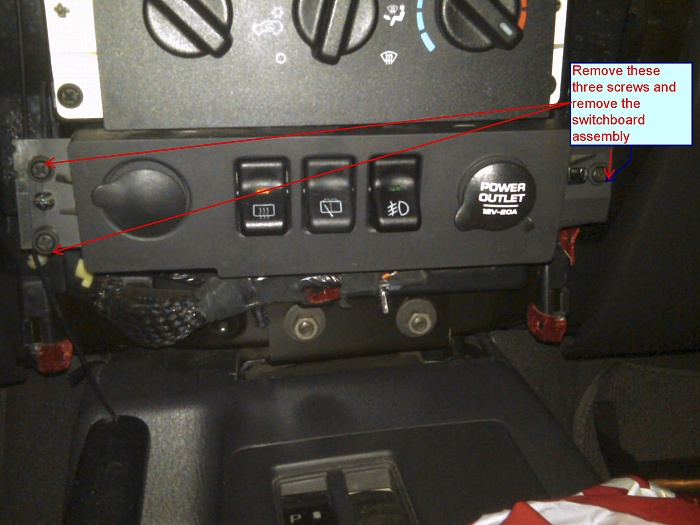
Why A Simple Plug-in Isn’t Usually Possible
The main reason you can’t just plug in fog lights on most Jeep XJs is the absence of a factory-installed wiring harness specifically for fog lights. Unlike some modern vehicles that come with pre-wired options for accessories like tow hitches or fog lights, the XJ typically requires manual installation of the entire electrical circuit.
Here’s a breakdown of why a simple plug-in won’t work:
- No Pre-existing Connectors: There are no OEM connectors behind the bumper or in the dash ready for fog lights. You’ll need to supply your own connectors or hardwire the connections.
- Power Source: Fog lights draw power. This power needs to come from a reliable source, typically the battery, through a fuse and a relay. Simply plugging into an accessory socket might overload that circuit.
- Switching: You need a way to turn the fog lights on and off independently. This requires installing a switch in the cabin, which is not pre-wired.
- Relay Requirement: Fog lights can draw a significant amount of current. Running this current directly through a switch and a fuse in the interior fuse box can be dangerous and may damage the wiring. A relay acts as an electrical switch, allowing a low-current signal from your cabin switch to control a high-current circuit for the lights, protecting your vehicle’s existing wiring.
- Grounding: Every electrical component needs a good ground connection to complete the circuit. You’ll need to find a suitable ground point on the Jeep’s chassis or body for the fog lights.
Therefore, while the lights themselves might have connectors, the vehicle’s side of that connection is usually missing. You are essentially building a new electrical circuit for them.
Essential Components For Fog Light Installation
To successfully install fog lights on your Jeep XJ, you’ll need a few key components. These items ensure the lights function correctly, safely, and reliably.
- Fog Lights: This is the obvious one. Choose lights designed for automotive use, preferably with a durable housing and a beam pattern suitable for low-visibility conditions. Consider LED or H3 halogen types.
- Wiring: You’ll need automotive-grade wire of appropriate gauge. The wire gauge depends on the total current draw of your fog lights. For most aftermarket fog lights, 14-gauge or 12-gauge wire is usually sufficient. You’ll need enough to run from the battery, to the lights, to the switch, and to the ground.
- In-line Fuse Holder and Fuse: This is crucial for protecting the circuit. The fuse should be rated slightly above the expected current draw of the fog lights. A common range is 10-20 amps.
- Relay: A 4-pin or 5-pin automotive relay (typically 12V, 30/40A) is essential. It acts as a switch, allowing your dash switch to control the high-current circuit for the fog lights without carrying the full load itself.
- Switch: You’ll need a momentary or latching switch to control the fog lights from inside the cabin. Many aftermarket switches are designed to fit standard dashboard openings in Jeeps.
- Connectors: Various butt connectors, spade connectors, ring terminals, and possibly a trailer light connector (if you want a cleaner disconnect for the lights) will be needed for making secure electrical connections.
- Wire Loom/Conduit: To protect the wiring from abrasion, heat, and moisture as it runs through the engine bay and under the vehicle.
- Mounting Hardware: Screws, nuts, bolts, zip ties for securing the lights and routing the wiring.
- Tools: Wire strippers, crimpers, screwdrivers, a socket set, a drill (if needed for mounting or ground points), electrical tape, and a multimeter for testing.
Having all these parts ready before you start will make the installation process much smoother.
Step-by-step Installation Guide
Installing fog lights on your Jeep XJ involves creating a new circuit. Here’s a general guide. Remember to disconnect the negative battery terminal before starting any electrical work.
1. Mounting The Fog Lights
- Location: The most common place is on the front bumper, either above or below the main bumper beam. Some owners also mount them on a custom grille guard or light bar.
- Drilling: You may need to drill holes in your bumper or mounting brackets to secure the lights. Ensure the chosen location doesn’t interfere with the radiator or other vital components.
- Wiring Path: Plan how the wires will exit the light housings and route towards the engine bay.
2. Wiring The Relay And Fuse
This is the core of the installation. A common setup uses a relay triggered by an ignition-switched power source or a dedicated switch.
- Relay Connections:
- Pin 30: Connect to the positive (+) terminal of the battery via an in-line fuse holder. This is the main power feed for the lights.
- Pin 87: Connect to the positive (+) wire of your fog lights.
- Pin 85: Connect to a ground point on the Jeep’s chassis.
- Pin 86: Connect to the output of your fog light switch. This is the trigger wire.
- Switch Connection:
- Your switch needs power. You can tap into an ignition-switched 12V source (so the lights only work when the ignition is on) or a constant 12V source. A common place to find ignition-switched power is the fuse box under the dash. Use a fuse tap or splice into an accessory circuit.
- The switch’s output terminal then connects to Pin 86 of the relay.
- Fuse Placement: The in-line fuse should be placed as close to the battery as possible on the wire running from the positive terminal to Pin 30 of the relay.
3. Running The Wires
- Power Wire (Battery to Relay): Route a wire from the battery’s positive terminal, through the fuse holder, to Pin 30 of the relay. Use grommets to pass wires through the firewall into the cabin or engine bay safely.
- Ground Wires: Connect a ground wire from Pin 85 of the relay to a clean metal surface on the Jeep’s chassis. Also, ensure your fog lights themselves have a good ground connection to the chassis. Scrape away any paint or rust for a solid connection.
- Switch Wire: Run a wire from your chosen power source (ignition or constant 12V) to one terminal of your switch. Run another wire from the other terminal of the switch to Pin 86 of the relay.
- Light Wires: Run wires from Pin 87 of the relay to the positive (+) terminals of your fog lights. Ensure these wires are routed away from hot engine components and sharp edges, using wire loom for protection.
4. Testing And Finalizing
- Reconnect Battery: Once all wiring is complete and secured, reconnect the negative battery terminal.
- Test Switch: Turn on your ignition (if using an ignition-switched source) and flip the fog light switch. The relay should click, and the fog lights should illuminate.
- Check for Issues: If they don’t work, use a multimeter to check for voltage at each connection point. Ensure all connections are tight and grounds are solid.
- Secure Wiring: Use zip ties and wire loom to neatly secure all new wiring, preventing it from dangling or getting damaged.
Integrating With Existing Headlights Vs. Independent Operation
When installing fog lights, you have a choice: have them operate independently of your headlights, or have them integrated so they only turn on when your low beams are active.
Independent Operation
- How it works: The fog lights are wired to their own switch, which can be turned on or off regardless of the headlight switch position. Power for the switch can be sourced from an ignition-switched 12V source or even a constant 12V source (though ignition-switched is generally preferred to prevent accidental battery drain).
- Pros: Maximum flexibility. You can use them whenever needed, even with parking lights on, or turn them off completely when not necessary.
- Cons: Requires a dedicated switch in the cabin. You need to remember to turn them on and off manually.
- Wiring: The relay trigger wire (Pin 86) is connected to the output of your independent fog light switch.
Integrated Operation (with Low Beams)
- How it works: The fog lights are wired to only turn on when the Jeep’s low beam headlights are also on. This is often achieved by using the low beam headlight signal as the trigger for the relay.
- Pros: Ensures fog lights are only used in conditions where they are beneficial and legal. Prevents accidental use that could blind other drivers or be illegal. Automatically turns off when high beams are activated (depending on wiring).
- Cons: Less flexibility. You can’t use them independently. Tapping into the headlight circuit requires careful identification of the correct wire.
- Wiring: Instead of connecting Pin 86 of the relay to a separate switch, you would tap into the positive wire of your low beam headlights. This wire, when energized, will activate the relay and turn on the fog lights. You still need a fuse and relay for the fog lights themselves.
Pro Tip: Many aftermarket fog light kits come with a wiring harness that includes a relay, fuse, and a switch. However, they often assume a simple connection. For an XJ, you might still need to adapt their harness or run your own wiring for the switch and power source.

Legal Considerations And Best Practices
It’s important to be aware of the laws regarding auxiliary lighting in your area. Fog lights are designed for specific conditions, and using them improperly can lead to tickets or even accidents.
- When to Use: Fog lights are intended for use in conditions of low visibility, such as fog, heavy rain, snow, or dust storms. Their beam is designed to be low and wide, illuminating the road ahead without reflecting excessively off the suspended particles and blinding the driver.
- When NOT to Use: Never use fog lights in clear conditions. Their widespread beam can be distracting and even blinding to oncoming drivers and those ahead of you. Many jurisdictions consider them illegal for use outside of their intended conditions.
- Wiring Safety: Always use properly gauged wire for the expected current draw. Undersized wire can overheat and cause a fire. Ensure all connections are secure and insulated to prevent short circuits. Use grommets when passing wires through metal panels to prevent chafing.
- Relay is Key: As mentioned, always use a relay for fog lights. They draw too much current to be safely powered directly through a simple switch and fuse in the cabin.
- Fusing: Always install an in-line fuse as close to the power source as possible. This protects your wiring and vehicle from damage in case of a short circuit or overload.
- Grounding: A poor ground connection is a common cause of electrical problems. Ensure your fog lights and relay have a clean, solid connection to the vehicle’s chassis.
- Consult a Professional: If you are unsure about any aspect of automotive electrical work, it is always best to consult a qualified mechanic or auto electrician. Improper wiring can damage your vehicle or create a safety hazard.
Common Mistakes To Avoid
Even with a good guide, DIY installations can sometimes go awry. Being aware of common pitfalls can save you time and frustration.
- Undersized Wire: Using wire that is too thin for the current draw is a frequent mistake. This leads to voltage drop (dim lights) and potential overheating. Always check



















