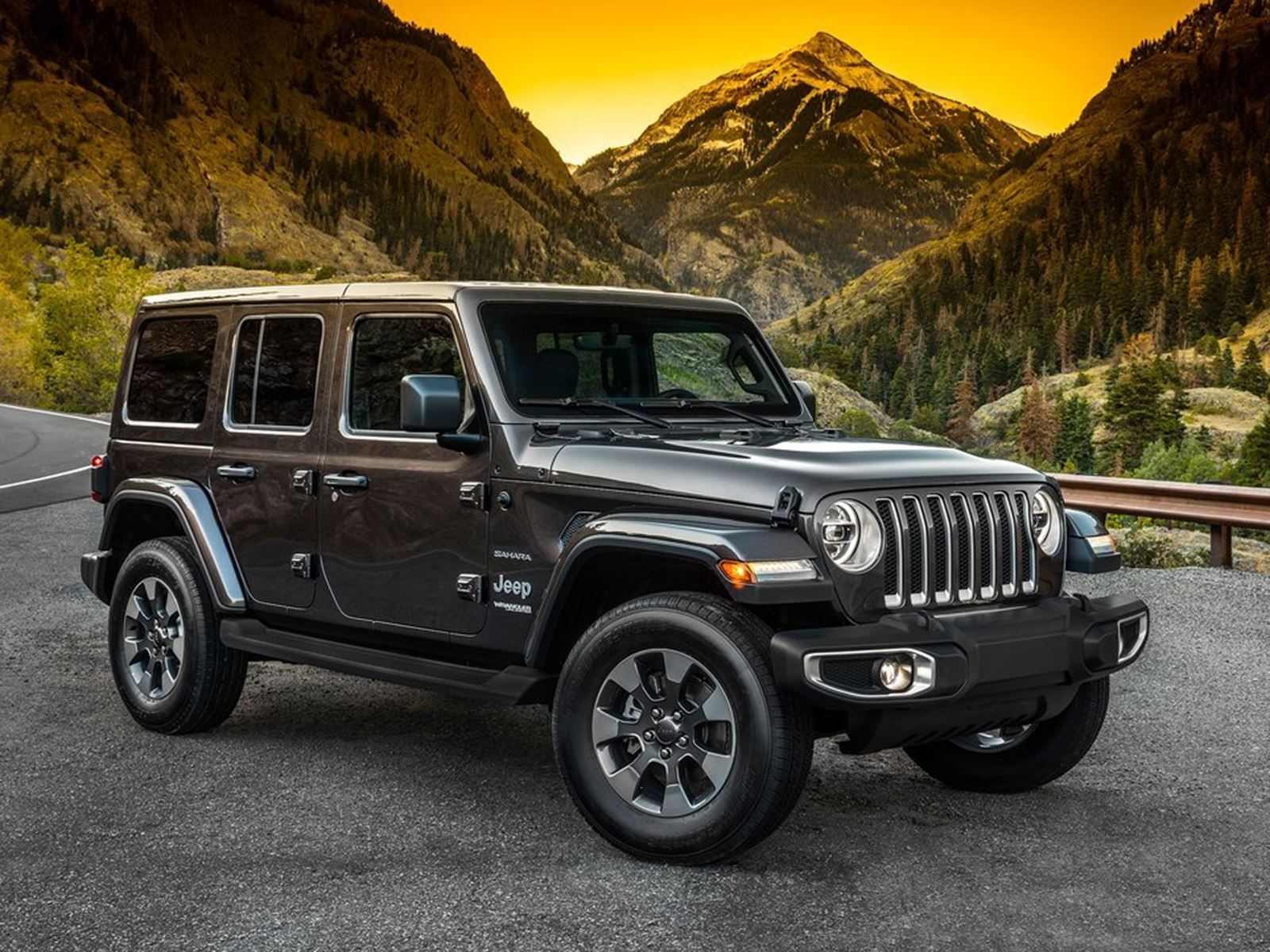
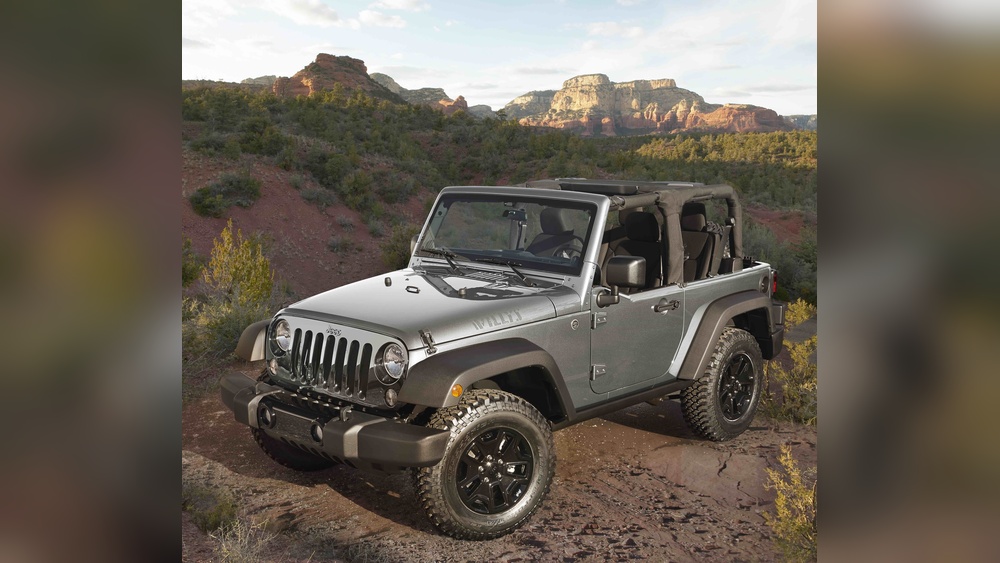
Are you dreaming about a Jeep Wrangler but worried about the cost? This vehicle is famous for its off-road power, iconic style, and adventurous spirit.
But before you make a decision, it’s smart to ask: Can I afford a Jeep Wrangler? Let’s break down the real costs, hidden expenses, and what you need to consider before buying.
What Does A Jeep Wrangler Really Cost?
The first thing most buyers look at is the sticker price. But there’s more to owning a Wrangler than the number you see on the car lot.

New Vs. Used Jeep Wrangler Pricing
Here’s a look at the average market prices in 2024:
| Model Year | Average Price (USD) | Pros | Cons |
|---|---|---|---|
| 2024 (New) | $34,500 – $56,000 | Latest tech, full warranty | Highest price, fast depreciation |
| 2021-2023 (Recent Used) | $28,000 – $45,000 | Lower cost, warranty possible | Some wear, fewer custom features |
| 2015-2020 (Older Used) | $18,000 – $34,000 | Lowest price, proven reliability | Outdated tech, more mileage |
The base Sport model starts around $34,500, while the Rubicon and special editions can go above $55,000. Used models are much cheaper, but may need more repairs.
Down Payment And Loan Details
Most lenders ask for a down payment of at least 10-20%. For a $40,000 Wrangler, that’s $4,000–$8,000 upfront.
Loan terms matter, too. Here’s how monthly payments can change:
| Loan Term | Interest Rate | Monthly Payment (on $35,000 loan) |
|---|---|---|
| 36 months | 6.5% | $1,074 |
| 60 months | 7.0% | $693 |
| 72 months | 7.5% | $607 |
Longer loans mean lower payments, but more interest paid over time.
Ownership Costs: More Than Monthly Payments
The cost to own a Jeep Wrangler goes beyond buying it. Here’s what you must budget for:
- Insurance: Average is $1,600–$2,300 per year. Wrangler’s off-road image and theft risk make it pricier than some SUVs.
- Gas: The Wrangler gets 17–22 mpg. If you drive 12,000 miles/year and gas costs $4/gallon, that’s about $2,200–$2,800 per year.
- Maintenance: Basic oil changes, tire rotations, and brakes are reasonable. But off-road use increases wear. Expect $500–$1,200 per year for regular service.
- Repairs: Older or heavily used Wranglers can have issues with suspension, transmission, or electronics. Extended warranties help, but cost extra.
Annual Cost Example
Let’s add it up for a typical 2021 used Jeep Wrangler:
- Loan payment: $600/month = $7,200/year
- Insurance: $2,000/year
- Gas: $2,500/year
- Maintenance: $900/year
Total: $12,600/year (about $1,050/month, not counting taxes, registration, or repairs)
Can Your Budget Handle It?
A good rule is your car expenses should not exceed 15% of your take-home pay. So, if you bring home $4,000/month, your Wrangler costs should be under $600.
Ask yourself:
- How much cash do I have for a down payment?
- Can I pay for higher insurance and gas?
- What will I give up to afford it?
- Do I have savings for repairs or emergencies?
Remember, Wranglers hold value well compared to many SUVs. You may get a good resale price, but only if you take care of it.
Many buyers miss these:
- Customization: Lift kits, bigger tires, and accessories are tempting. These upgrades can cost thousands.
- Registration & Taxes: New Wranglers mean higher state fees and taxes, which can add $1,000–$3,000 in the first year.
- Financing Fees: Some dealerships add “doc fees” or require extras for the best rates.
- Off-Road Damage: If you use your Wrangler as intended, small repairs can add up quickly.

Is A Jeep Wrangler Right For You?
The Wrangler is not the cheapest SUV, and it’s not the smoothest for city driving. But it’s unique.
If you love outdoor trips, open-air driving, and don’t mind higher running costs, it might be worth it.
But if you want low costs, smooth rides, and don’t need 4×4 power, consider other SUVs. Test drive one and check reviews from real owners.
The Wrangler community is open and honest about the pros and cons.
How To Save Money On A Wrangler
- Buy used: Depreciation hits hardest in the first 2 years.
- Choose a base model: Avoid fancy trims unless you need them.
- Shop around for insurance: Rates can vary by hundreds per year.
- Skip unnecessary add-ons: Focus on real needs, not just looks.
- Maintain regularly: Preventive care reduces surprise repairs.