Jeep owners often wonder if it’s safe to take their vehicle through a standard carwash. With their unique shape, removable parts, and rugged features, it’s a good question.
The answer depends on your Jeep’s model, the type of carwash, and how your Jeep is set up.
This article will break down everything you need to know about sending your Jeep through a carwash without causing damage or headaches.
Can A Jeep Go Through A Carwash?
Yes, most Jeeps can go through a carwash, but not all. The key is how your Jeep is equipped. If you have a hardtop Jeep Wrangler or a non-modified Grand Cherokee, automatic carwashes are generally safe. But if your Jeep has a soft top, aftermarket accessories, or you enjoy driving with the doors or roof off, you need to be much more careful.
Many Jeep drivers love to customize their vehicles. It’s common to remove doors, roofs, or add extras like light bars and winches. These changes can impact how your Jeep fares in a carwash.
Hardtop Vs Soft Top: What Matters Most
The main risk in a carwash comes from the roof type.
| Roof Type | Automatic Carwash Safe? | Recommended Cleaning Method |
|---|---|---|
| Hardtop | Usually Yes | Automatic or Hand Wash |
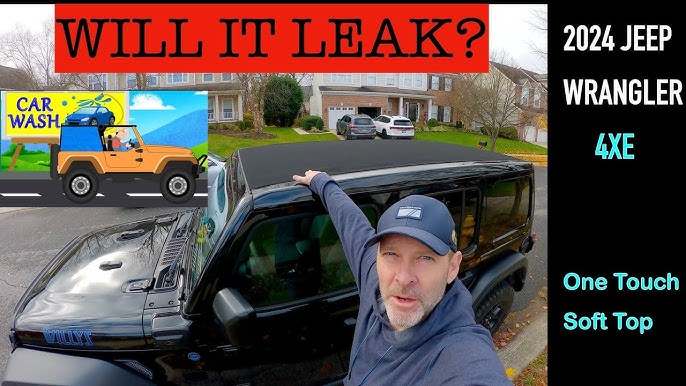
| Soft Top (OEM) | Risky | Hand Wash Preferred |
| No Top/Doors | No | Hand Wash Only |
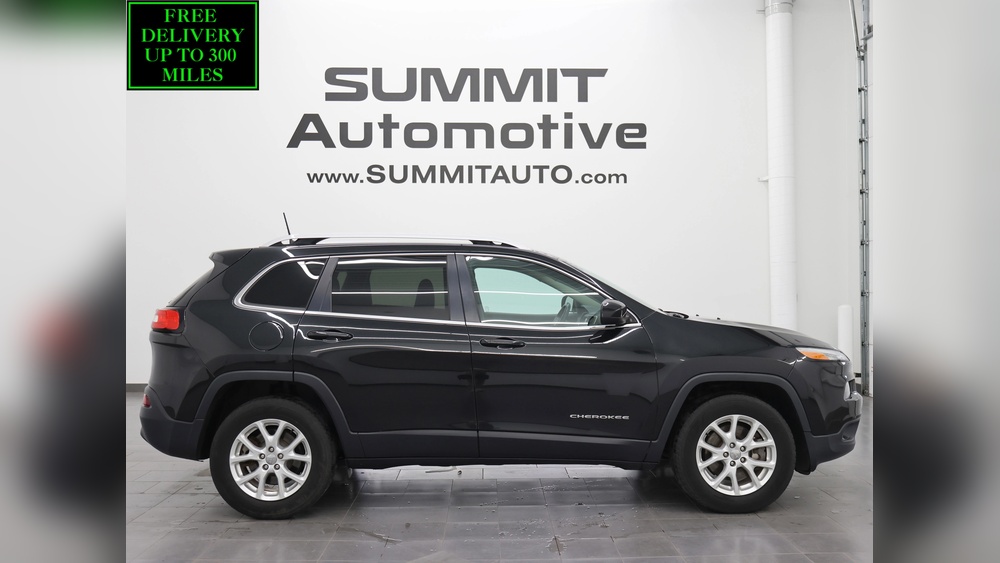
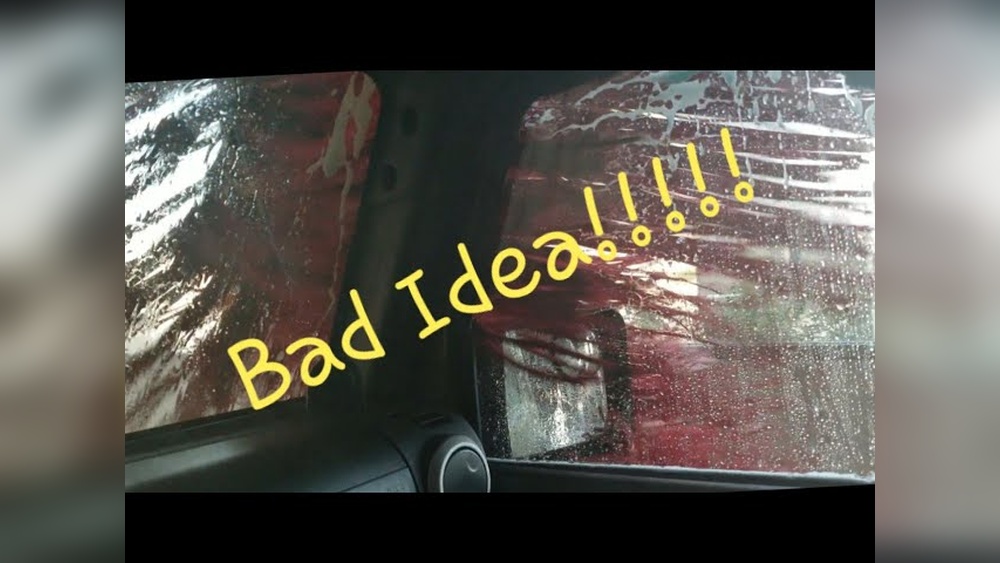
Hardtop Jeeps (like the Wrangler Unlimited or Cherokee) have a solid, sealed roof. They handle automatic carwashes well, especially if they’re stock. Soft tops are made from fabric and plastic windows. These can be damaged by harsh brushes or water jets. You might also see leaks, fabric wear, or foggy plastic windows. Never take a Jeep without doors or roof through a carwash.
Types Of Carwashes And Their Impact
Not all carwashes are the same. Some are safe for Jeeps, while others can cause trouble.
Touchless Carwash
A touchless carwash uses high-pressure water and detergents. No brushes touch your Jeep. This is generally the safest automatic option for both hardtop and newer soft top Jeeps. Just be careful if you have old seals or aftermarket parts.
Soft-cloth Carwash
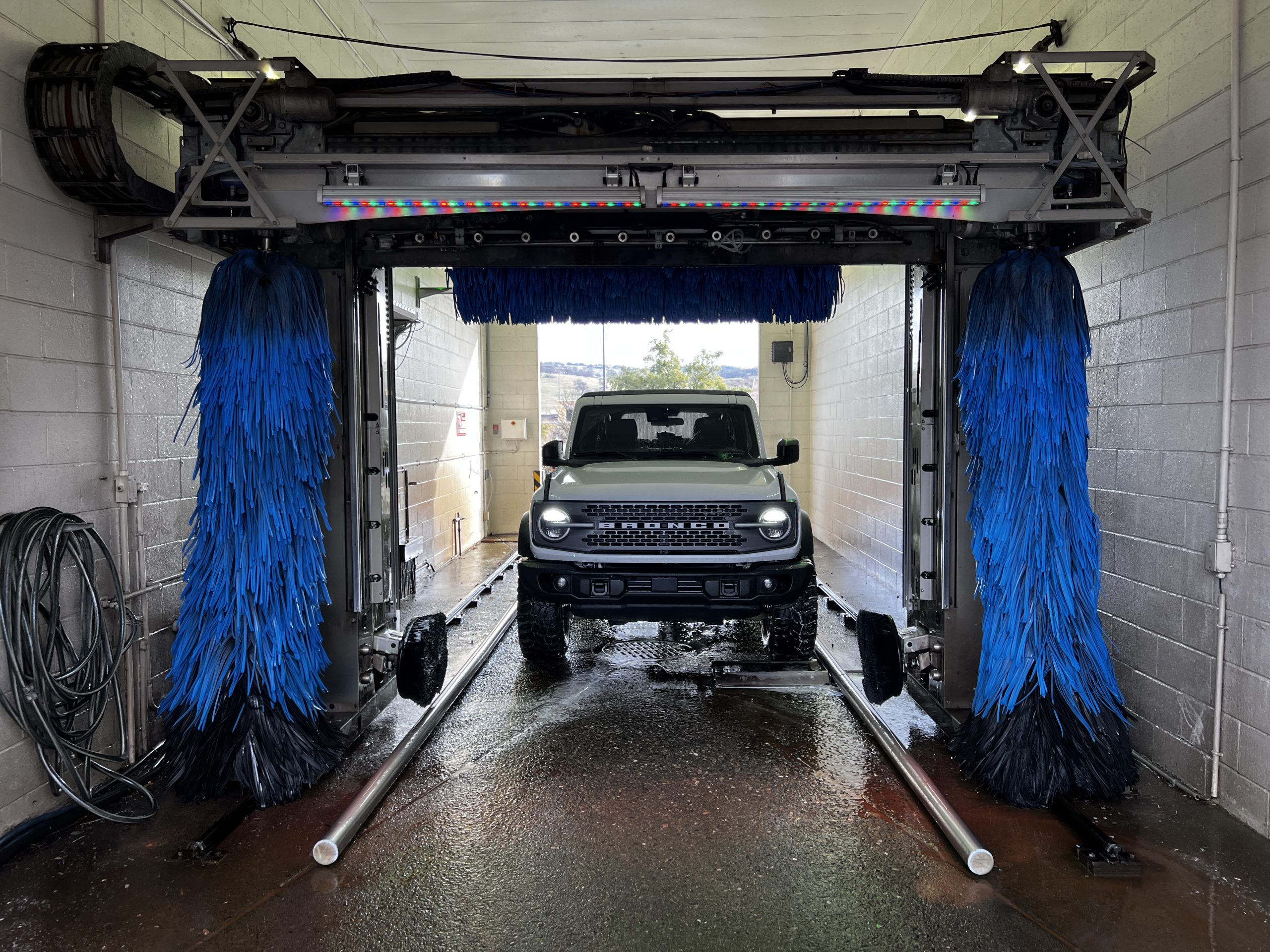
A soft-cloth wash uses long fabric strips. These are better than traditional bristle brushes but can catch on accessories, antennas, or loose trim. Soft tops can be scratched or have their plastic windows fogged.
Brush Carwash
Brush carwashes use rotating brushes. These can scratch paint, damage soft tops, or tear off loose parts. Avoid these if you want your Jeep to stay in top shape.
| Carwash Type | Hardtop Jeep | Soft Top Jeep | Aftermarket Accessories |
|---|---|---|---|
| Touchless | Safe | Usually Safe | Check for leaks |
| Soft-Cloth | Usually Safe | Use Caution | Remove/secure add-ons |
| Brush | Risk of scratches | Not Recommended | Remove accessories |
Key Tips Before Using A Carwash
Taking your Jeep through a carwash? Here are important steps:
- Check for leaks: Old seals or damaged weatherstripping around doors and windows can let water in.
- Remove antennas: Many Jeep models have tall, flexible antennas that can be damaged or whip around.
- Fold mirrors: Most automatic carwashes recommend folding in mirrors to avoid damage.
- Secure accessories: Remove or firmly secure light bars, tire covers, winches, and other add-ons.
- Close all windows/vents: Even a small opening can let in water.
- Inspect soft top and windows: Make sure the fabric is in good condition and plastic windows are zipped tight.
One thing many beginners miss is that aftermarket parts (like snorkels, racks, or non-factory bumpers) can snag in a carwash. Also, older Jeeps may have worn seals that let water leak in, even if everything looks fine from the outside.
Common Problems And How To Avoid Them
Jeep owners sometimes report issues after using a carwash:
- Water leaks: Most often from old weatherstripping or loose tops.
- Scratched windows: Plastic windows on soft tops are very easy to scratch or cloud.
- Broken accessories: Brush or cloth carwashes can tear off antenna, racks, or trim.
- Stuck wipers: Some automatic washes can flip up wipers, causing damage.
To avoid these, always check your Jeep before entering the carwash. If you just installed accessories or replaced seals, hand wash a few times before trying an automatic wash.
When Hand Washing Is Best
For many Jeep enthusiasts, a hand wash is the safest way. This is especially true for:
- Jeeps with soft tops or no tops
- Vehicles with custom parts or aftermarket lights
- Older Jeeps with worn seals
Hand washing takes more time, but it lets you spot problems early. You can use cleaners made for vinyl, fabric, or plastic windows.
This prevents scratches and damage that automatic carwashes can cause.

Special Considerations For Jeep Wranglers
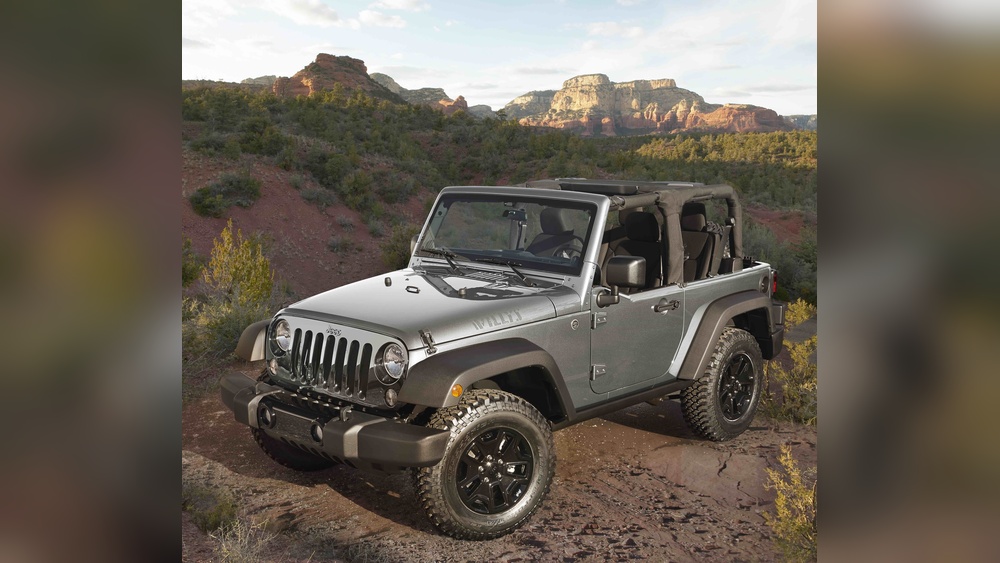
The Jeep Wrangler is one of the most modified vehicles in the world. Many drivers remove the top and doors in good weather. Never use a carwash if your Jeep is open—water will flood the inside.
Some Wranglers with factory soft tops can go through a touchless carwash, but always check your owner’s manual. Even Jeep’s official guidance warns against using brush carwashes with soft tops.
Wrangler models from 2018 and newer have improved seals and stronger tops. Still, use caution, especially with plastic windows.
Are There Any Warranties Or Insurance Concerns?
Most Jeep warranties do not cover damage from carwashes, especially if you ignored warnings in the owner’s manual. Insurance usually does not cover water damage from leaving the roof or windows open.
Always check your policy and the carwash’s rules before entering.