Many RV travelers dream of taking their vehicle on long road trips without worrying about towing headaches. If you own a 2021 Jeep Cherokee, you might be wondering: Can this popular SUV be flat towed behind your RV?
Flat towing (also called dinghy towing) means pulling a vehicle with all four wheels on the ground. Not every car is designed for this, and making a mistake can damage your transmission or drivetrain.
Let’s explore if the 2021 Jeep Cherokee is up for the job, what you need to know, and what alternatives exist.
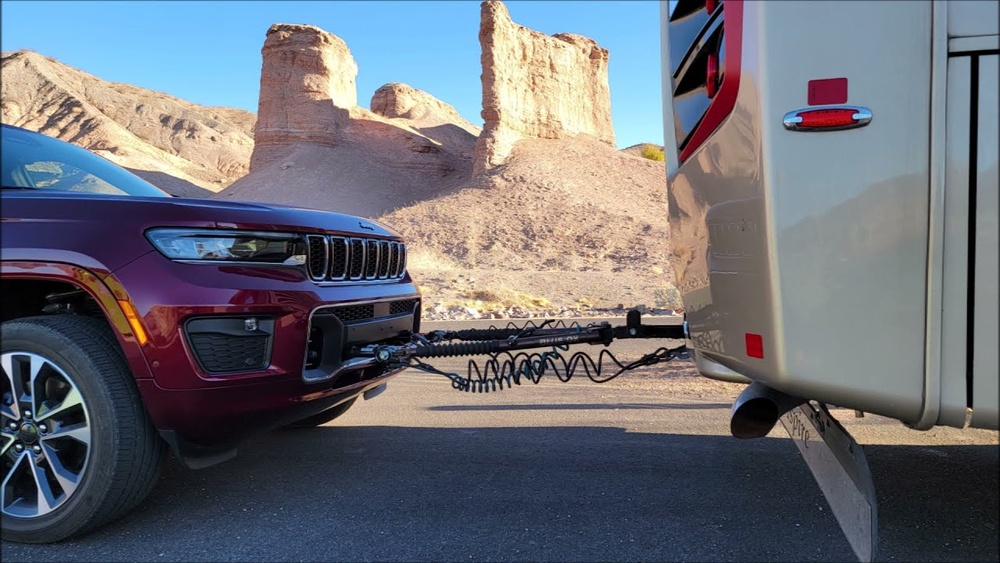
Can You Flat Tow A 2021 Jeep Cherokee?
The answer is: it depends on the model and drivetrain. Not every 2021 Jeep Cherokee is ready for flat towing. Jeep offers multiple drivetrains in this model year, and only specific configurations are safe for flat towing behind a motorhome.
Which 2021 Jeep Cherokee Models Are Flat Towable?
Jeep’s own owner’s manual and official resources confirm that only certain 4×4 models can be flat towed. To flat tow a 2021 Cherokee, your SUV must have:
- 4×4 drivetrain with the Active Drive II or Active Drive Lock system
- Transfer case with Neutral (N) position
Models with front-wheel drive (FWD), or Active Drive I, are not designed for flat towing. Attempting this can cause severe mechanical damage.
Quick Comparison Table: 2021 Jeep Cherokee Flat Towing Capability
Here’s a simple table to help you check if your Cherokee is flat-towable:
| Drivetrain/Trim | Flat Tow Capable? |
|---|---|
| 4×4 (Active Drive II / Active Drive Lock) | Yes |
| 4×2 (FWD) | No |
| 4×4 (Active Drive I) | No |
If you’re not sure which system your Cherokee has, check your owner’s manual or the buttons on your center console.
How To Flat Tow A 2021 Jeep Cherokee
If your Cherokee is equipped for flat towing, follow these steps to protect your vehicle:
- Shift the transmission into Park (P).
- Start the engine.
- Engage the 4WD system and place the transfer case in Neutral (N). Use the console controls to do this.
- Shift the transmission into Park (P).
- Turn off the engine and place the ignition in the ‘ACC’ position (do not lock the steering).
- Connect the Cherokee to the RV using a proper tow bar system.
- Release the parking brake.
Always check for warning lights or error messages. If you see any, re-check your steps.
Important Precautions
- Do not flat tow more than 70 mph (as stated by Jeep).
- Start the engine and shift gears every 200 miles to lubricate the transmission.
- Never flat tow a 4×2 or AWD Cherokee—even for short distances.
Many beginners forget to leave the ignition in the ACC position. This mistake can lock the steering wheel, causing dangerous situations.
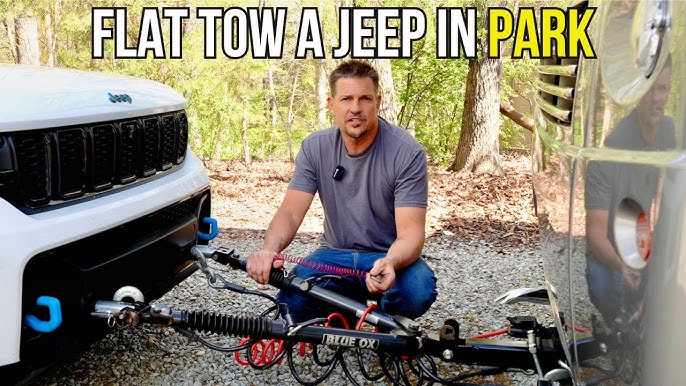
Equipment Needed For Safe Flat Towing
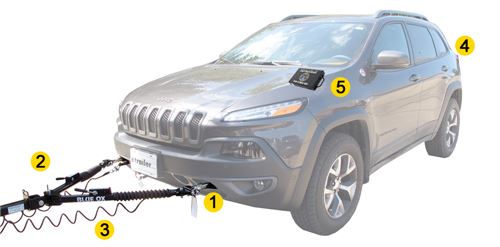
You’ll need more than just the right Jeep. Safe flat towing requires:
- A quality tow bar rated for your Cherokee’s weight (usually 4,000-4,500 lbs)
- Base plate kit (model-specific for 2021 Cherokee)
- Supplemental braking system (required by law in many states)
- Safety cables
- Tow bar wiring kit for brake and turn signals
Don’t cut corners on these accessories. Cheap or poorly installed equipment can put your Cherokee and others at risk.
Basic Equipment Comparison
Below is a comparison of some key towing equipment:
| Equipment | Purpose | Price Range (USD) |
|---|---|---|
| Tow Bar | Connects Jeep to RV | $400–$1,000 |
| Base Plate Kit | Mounts tow bar to vehicle | $350–$600 |
| Supplemental Brake System | Controls Jeep’s brakes | $700–$1,500 |
Common Mistakes To Avoid
Many people miss small details when flat towing for the first time. Here are some non-obvious mistakes:
- Assuming all 4×4 Cherokees are flat-towable. Only those with the right transfer case qualify.
- Forgetting to cycle the transmission. This keeps fluids moving and prevents costly damage.
- Neglecting to check state laws. Each state has different requirements for safety chains and braking systems.
- Not securing loose items in the Cherokee. Unsecured cargo can move or break windows during towing.
Alternatives To Flat Towing
If your 2021 Jeep Cherokee isn’t flat tow-ready, you still have options:
- Use a tow dolly (front wheels off the ground). Not suitable for all-wheel drive.
- Trailer towing (all four wheels off the ground). Safest but requires buying or renting a trailer.
- Rent a flat-towable vehicle if you only need this feature for a single trip.
Remember, forcing a non-compatible Cherokee to flat tow can void your warranty.
Real-world Experiences
Many RV owners choose the 2021 Jeep Cherokee for its flat towing ability. Forums and owner groups report that, when set up correctly, the Cherokee tows smoothly and reliably behind most Class A and Class C RVs. However, a few users have noted that improper transfer case positioning led to transmission damage—a costly mistake.
Another insider tip: some owners install a battery disconnect switch. This prevents battery drain during long tows, especially if you’ll be traveling several days in a row.
For more technical details, you can always consult the official Jeep website.

Frequently Asked Questions
Can I Flat Tow A 2021 Jeep Cherokee With A Front-wheel-drive (fwd) System?
No, front-wheel-drive Cherokees cannot be flat towed. Only specific 4×4 models with a transfer case that has a Neutral position are flat tow capable.
What Is The Maximum Speed For Flat Towing A 2021 Jeep Cherokee?
Jeep recommends not exceeding 70 mph while flat towing your Cherokee. Going faster can overheat the transmission or cause tire problems.
Do I Need A Supplemental Braking System When Flat Towing?
Yes, most states require a supplemental braking system for towed vehicles over a certain weight. It’s also much safer, especially during emergency stops.
How Do I Know If My Cherokee Has The Right Transfer Case?
Check your owner’s manual for information on the transfer case. Look for “Active Drive II” or “Active Drive Lock” systems and confirm there’s a Neutral (N) position.
What Happens If I Flat Tow A Non-compatible 2021 Cherokee?
Flat towing a non-compatible Cherokee can damage the transmission and void your warranty. Always verify your model’s capability before towing.
Flat towing a 2021 Jeep Cherokee is possible and practical for many RVers—but only if you have the right model and equipment. Taking the time to check your configuration and follow the proper steps can save you money, time, and stress down the road.