Building your own Willys Jeep kit isn’t just a project—it’s a journey into history and hands-on engineering. Many car lovers dream of owning a Willys Jeep, famous for its role in World War II. But today, you don’t need to hunt for an old, rusty relic. With a kit, you can build a new one yourself, bringing classic military style to your garage. If you want a challenge, a unique vehicle, and a connection to American history, a Willys Jeep kit is worth considering.
What Is A Willys Jeep Kit?
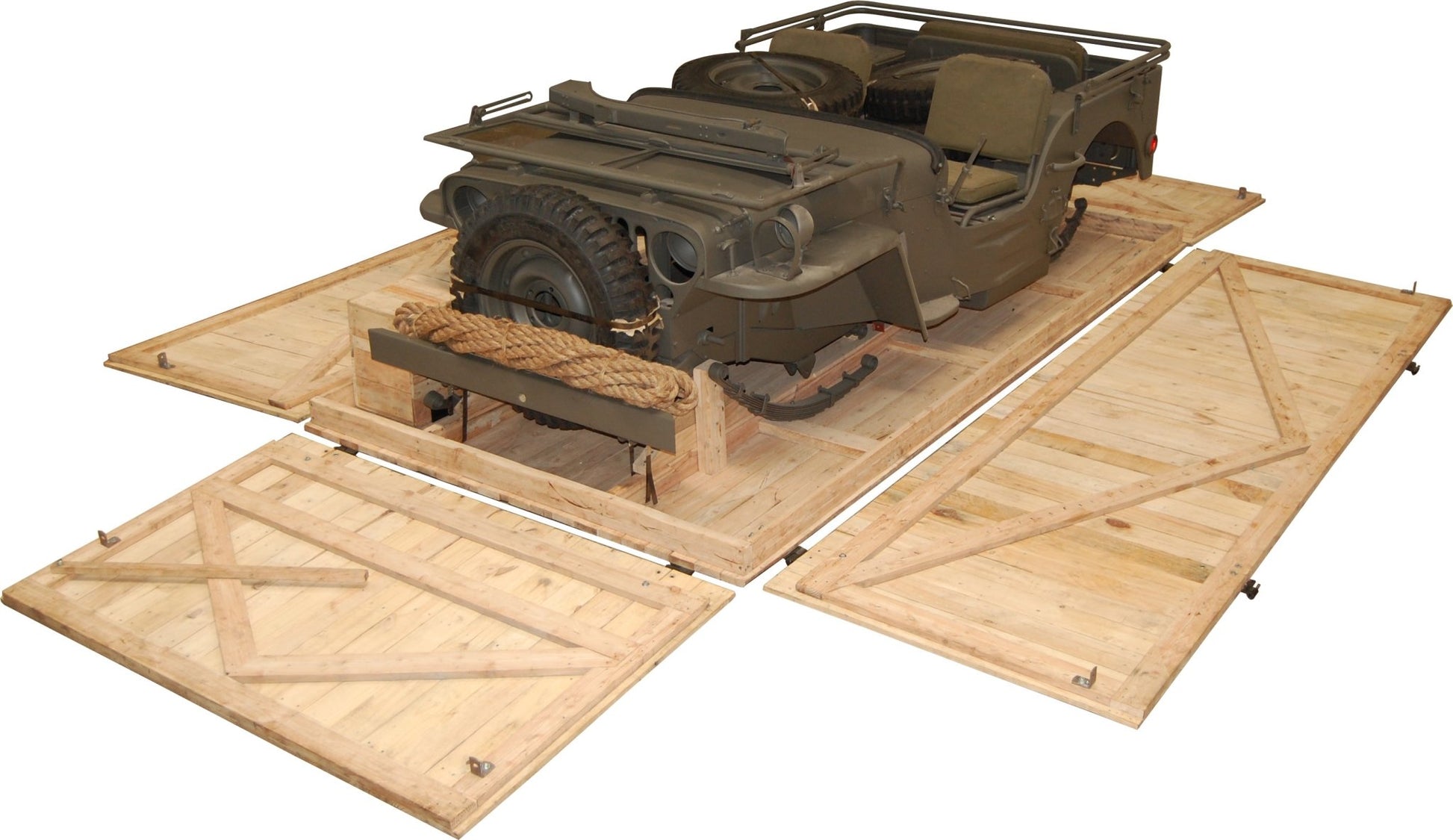
A Willys Jeep kit is a package with most parts you need to build a Willys MB-style vehicle at home. These kits usually include the body, frame, suspension, and hardware. Some kits are complete, while others need you to source your own engine, transmission, or wheels.
Building a kit car is legal in most states, but you must follow your local registration laws. These kits are popular with hobbyists, history fans, and off-road enthusiasts.
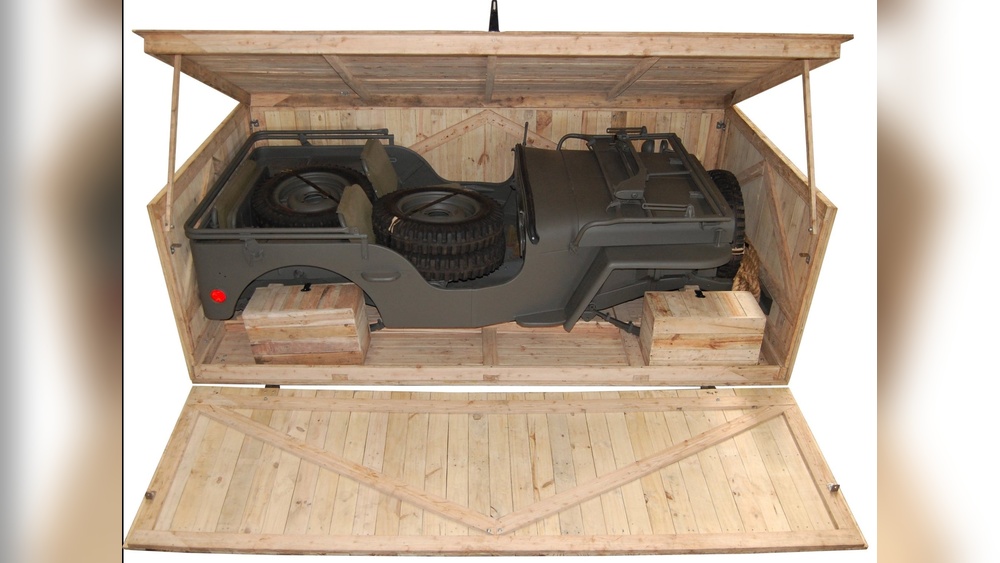
They offer the satisfaction of building something with your own hands and the pride of driving a unique, classic machine.
Why Build Your Own Willys Jeep?
Building a Willys Jeep kit has many advantages:
- Personalization: Choose the color, engine, and accessories.
- Learning: Gain deep mechanical knowledge.
- Cost Savings: Often cheaper than restoring an original.
- Modern Reliability: Enjoy classic looks with new parts.
- Pride: Few things match the feeling of driving a car you built.
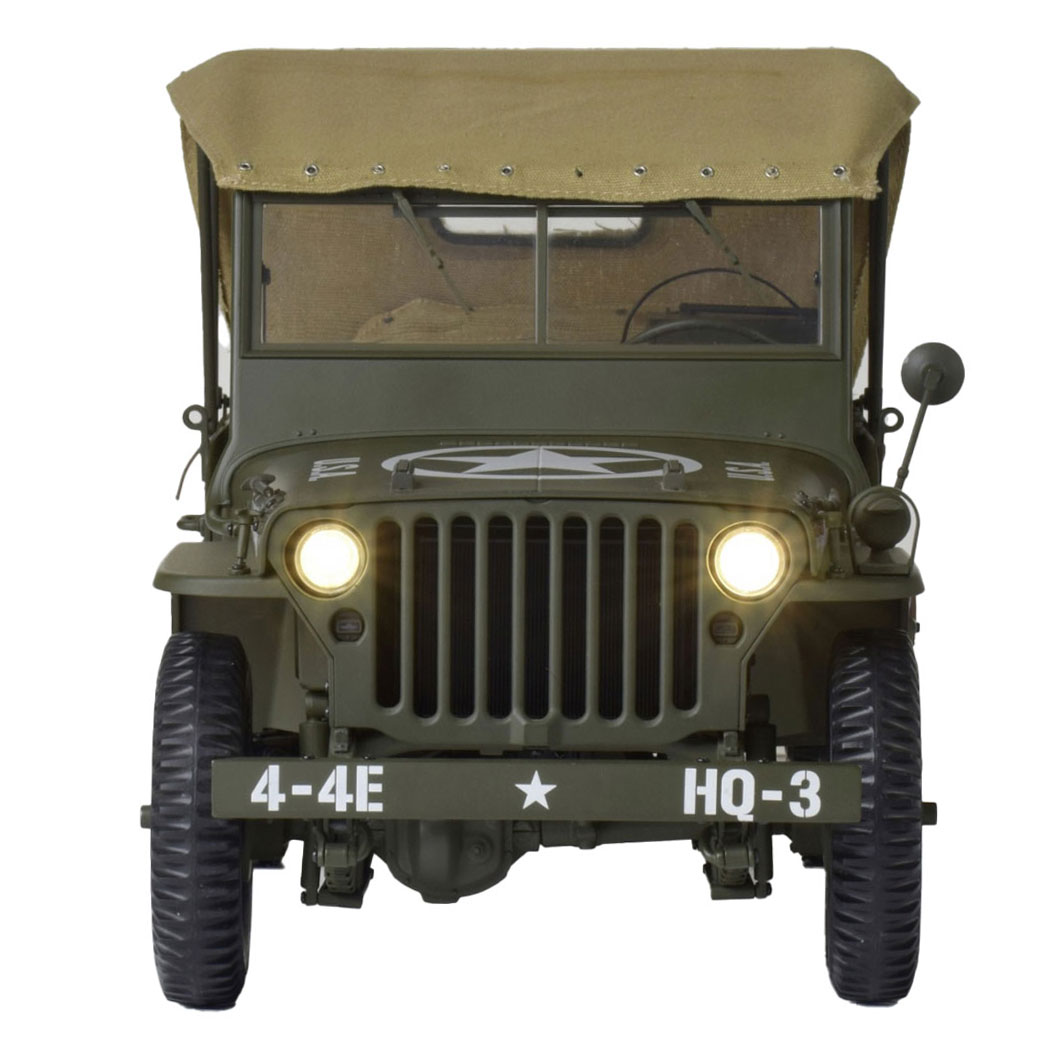
One insight beginners miss: kit Jeeps often use modern hardware. This makes maintenance easier, as you can find replacement parts at regular auto stores.
Choosing The Right Willys Jeep Kit
Not all kits are equal. Think about these key factors before buying:
1. Level Of Completion
- Body-only kits: Cheapest, but you’ll source most parts yourself.
- Rolling chassis kits: Include frame, suspension, axles, brakes, and sometimes wheels.
- Complete kits: Most parts supplied; just add your own engine and transmission.
2. Material Quality
Steel bodies are true to the original, but fiberglass kits are lighter and rust-proof. Decide what matters more to you: authenticity or practicality.
3. Supplier Reputation
Choose a supplier with a proven track record. Look for reviews, forums, and warranty support.
The best kits come with clear instructions and customer service.
4. Legal Requirements
Research your state’s laws on building and registering a kit car. Some require special inspections or emissions tests.
Here’s a quick comparison of common kit types:
| Kit Type | Main Materials | Included Parts | Typical Price Range |
|---|---|---|---|
| Body-Only | Steel/Fiberglass | Body panels, basic hardware | $3,000–$6,000 |
| Rolling Chassis | Steel | Frame, suspension, axles, brakes | $7,000–$12,000 |
| Complete Kit | Steel/Fiberglass | Body, chassis, hardware, accessories | $12,000–$20,000 |
Steps To Build Your Willys Jeep Kit
Building a Jeep kit takes time, space, and patience. Here’s a simplified path to success:
1. Prepare Your Workspace
You’ll need a clean, dry garage or workshop, basic hand tools, a jack, and safety gear. Good lighting and ventilation are important.
2. Read The Manual
Don’t skip this step. Study the kit instructions before starting.
Many beginners miss small details that cause big problems later.
3. Inventory The Parts
Check everything against the packing list. Contact the supplier if anything is missing or damaged.
4. Assemble The Frame And Suspension
Follow the instructions step by step. Tighten bolts to the recommended torque.
It’s smart to keep a notebook for wiring and plumbing details.
5. Install The Body And Interior
Mount the body panels carefully. Fit the seats, dashboard, and other interior parts.
Many builders add custom touches like vintage gauges or new seat covers.
6. Install Engine And Transmission
Some kits are designed for specific engines (like a Willys Go Devil or modern small-block). Others are more flexible. Make sure everything lines up and connects smoothly.
7. Wiring And Plumbing
Connect all wiring for lights, gauges, and ignition. Install fuel, brake, and coolant lines. Double-check for leaks and loose connections.
8. Final Checks And Test Drive
Inspect all work, fill fluids, and test each system. Start the engine and check for noises or leaks.
Take a slow test drive, staying close to home at first.
Here’s a timeline example for a first-time builder:
| Build Stage | Estimated Time |
|---|---|
| Preparation & Inventory | 1-2 days |
| Chassis & Suspension | 2-3 weekends |
| Body Assembly | 2-4 weekends |
| Engine & Transmission | 1-2 weekends |
| Wiring & Plumbing | 1-2 weekends |
| Final Checks & Registration | 1-2 weekends |
While kits seem affordable, costs can add up:
- Shipping: Heavy parts mean high freight charges.
- Tools: You may need specialty tools or a welder.
- Paint and Finishing: Not usually included in the kit.
- Registration: Fees vary by state.
- Engine and Transmission: If not supplied, these are big expenses.
A common mistake is underestimating these extras. Plan for at least 20% over your kit price for a realistic budget.
Tips For A Smooth Build
- Join online forums for advice—builders love to help each other.
- Take photos as you build. They help with troubleshooting and future repairs.
- Label wires and hoses clearly.
- Don’t rush. Mistakes often happen when you’re tired or in a hurry.
Another non-obvious tip: keep all receipts and documentation. This is important for registration and insurance, and helps if you ever sell the Jeep.
Driving And Registering Your Kit Jeep
Most states let you register a kit car as a “reconstructed vehicle” or “replica.” You’ll need:
- Proof of purchase for all major parts
- Vehicle Identification Number (VIN)
- Safety and emissions inspections
Check your Department of Motor Vehicles website for the latest rules. Some states require extra paperwork or photos of the build process.
For more details on U.S. kit car laws, see the Wikipedia Kit Car page.
Frequently Asked Questions
How Hard Is It To Build A Willys Jeep Kit?
Building a Jeep kit is challenging but possible for beginners with patience and basic tools. Most people finish in 100 200 hours spread over several months.
Can I Use Modern Engines In My Kit?
Yes, many kits support both classic and modern engines. Always check with the kit maker about compatibility before buying.
Is A Kit Jeep Street Legal?
Usually yes, if you follow state registration steps and pass inspections. Rules vary, so check with your local DMV before starting.
What Is The Best Kit For Beginners?
A complete kit with detailed instructions is best for first-timers. These minimize guesswork and usually include good customer support.
How Much Does A Finished Willys Jeep Kit Cost?
Most builders spend $15,000 $25,000 for a complete, running Jeep, including all extras. Costs depend on parts choices and finishing details.
Building your own Willys Jeep kit is a rewarding project. It delivers the fun of classic looks with the reliability of new parts and the pride of a job well done.
If you want a hands-on adventure and a piece of history, few projects can match it.