Understanding Bolt Wheels For Your 2002 Jeep Liberty
When it comes to customizing your vehicle, wheels are one of the most impactful changes you can make. For a 2002 Jeep Liberty, choosing the right wheels can significantly alter its look, performance, and off-road capabilities.
This guide will walk you through everything you need to know about selecting and understanding bolt wheels for your specific model. We'll cover essential specifications, popular styles, materials, and important considerations to ensure you make an informed decision.
The 2002 Jeep Liberty, known for its rugged charm and off-road prowess, benefits greatly from wheels that not only enhance its aesthetic appeal but also maintain or improve its functionality. Understanding the intricacies of wheel fitment, such as bolt pattern, offset, and backspacing, is crucial. These technical aspects determine how the wheel sits on your Jeep, its clearance with suspension components, and how it affects steering and handling.
The Importance Of The Correct Bolt Pattern
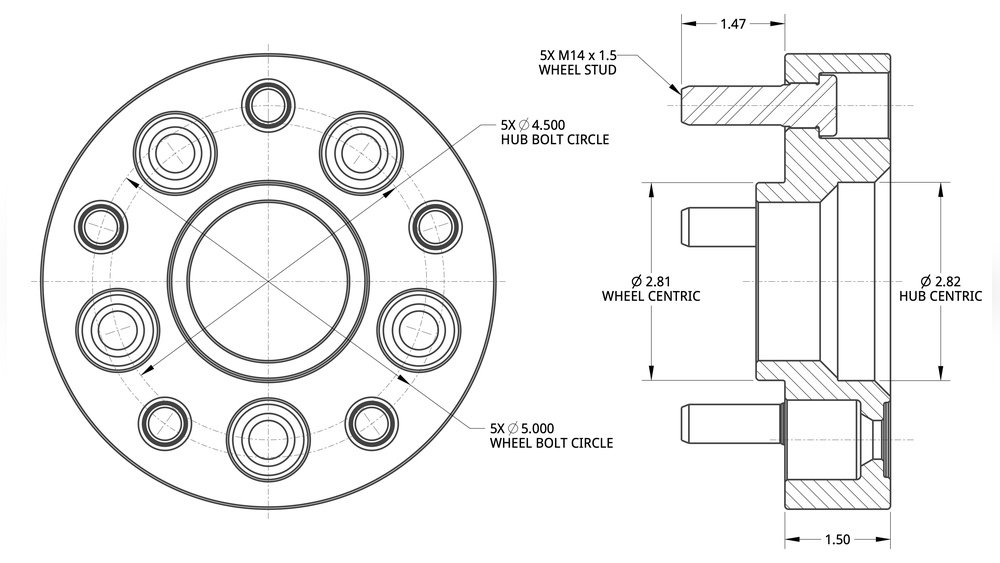
The bolt pattern, also known as the PCD (Pitch Circle Diameter), is arguably the most critical specification when selecting wheels. It refers to the diameter of the circle on which the wheel’s lug holes are centered. For the 2002 Jeep Liberty, the standard bolt pattern is 5×114.3mm. This means there are five lug nuts arranged on a circle with a diameter of 114.3 millimeters.
Using a wheel with the incorrect bolt pattern is impossible; the lug holes simply won’t align with your Jeep’s wheel studs. Even if you could force it, it would be incredibly unsafe. Therefore, always double-check that any wheel you consider for your 2002 Jeep Liberty has a 5×114.3mm bolt pattern. While adapters exist to change bolt patterns, they add complexity, potential weak points, and can affect handling, so sticking to the factory pattern is generally recommended for most owners.
Wheel Size: Diameter And Width
Beyond the bolt pattern, wheel diameter and width are key dimensions that influence both the look and performance of your Liberty.
Wheel Diameter
The standard factory wheel diameter for a 2002 Jeep Liberty is typically 16 inches. However, many owners opt for larger diameters, such as 17 inches, 18 inches, or even 20 inches.
- Larger Diameter Wheels: These generally give a more aggressive, modern look. They also allow for lower-profile tires, which can improve on-road handling and steering response due to less tire sidewall flex. However, larger wheels can be heavier, potentially impacting fuel economy and acceleration. They also reduce the amount of tire sidewall, which can lead to a harsher ride and make the wheels more susceptible to damage from potholes or off-road obstacles.
- Smaller Diameter Wheels: While less common for customization, sticking to or slightly increasing the diameter offers more tire sidewall. This provides a softer ride, better shock absorption on rough terrain, and increased protection for the wheel itself.
Wheel Width
Wheel width is measured in inches and typically ranges from 7 inches to 10 inches or more for aftermarket options. The width of the wheel dictates the range of tire widths that can be safely mounted.
- Wider Wheels: These can accommodate wider tires, which can improve traction and stability, especially when cornering. They also contribute to a more muscular stance for your Liberty. However, very wide wheels can cause rubbing issues with the fenders or suspension components, especially if combined with aggressive offsets or larger tires.
- Narrower Wheels: These are more common for off-road applications where narrower tires can sometimes perform better in mud or sand by cutting down to firmer ground. They are also less likely to cause clearance problems.
When choosing a new diameter and width, it’s essential to consider the overall tire diameter. The goal is usually to keep the overall tire diameter as close to the factory specification as possible to avoid issues with speedometer readings, gearing, and ABS systems. You can use online tire size calculators to help match different tire and wheel combinations to the original overall diameter.
Understanding Offset And Backspacing
These two terms describe how a wheel sits relative to the mounting surface (where it bolts to the hub). They are crucial for ensuring proper fitment and avoiding rubbing.
Wheel Offset
Offset is the distance from the centerline of the wheel to the mounting surface. It’s measured in millimeters (mm) and can be positive, negative, or zero.
- Positive Offset: The mounting surface is *outside* the centerline of the wheel. This pushes the wheel further *inward* towards the suspension. Most factory wheels have a positive offset. For the 2002 Jeep Liberty, factory offset is typically around +35mm to +44mm.
- Zero Offset: The mounting surface is exactly at the centerline of the wheel.
- Negative Offset: The mounting surface is *inside* the centerline of the wheel. This pushes the wheel further *outward*, away from the suspension and closer to the fender. Negative offsets are often used to achieve a wider stance or to clear larger brake components.
Choosing an offset different from the factory specification will change how the wheel sits. A lower positive offset, zero offset, or negative offset will push the wheel out, potentially requiring fender modifications or specific tire sizes to avoid rubbing.
Conversely, a higher positive offset will tuck the wheel in more.
Backspacing
Backspacing is the distance from the *back* of the wheel (the mounting surface) to the *outer lip* of the wheel. It is also measured in inches or millimeters.
- Lower Backspacing: Pushes the wheel outward.
- Higher Backspacing: Pulls the wheel inward.
There's a direct relationship between offset and backspacing. For a given wheel width, changing the offset will change the backspacing, and vice versa.
It's often easier to think about backspacing when considering clearance issues with the vehicle's suspension components (like control arms or brake calipers), while offset is more commonly used in wheel descriptions.
Pro Tip: When selecting aftermarket wheels, especially with sizes or offsets different from stock, it’s highly recommended to consult with a reputable wheel and tire shop. They can help ensure compatibility and advise on potential fitment issues based on your specific tire choices and any suspension modifications you might have.
Common Bolt Patterns For The 2002 Jeep Liberty
As mentioned, the 2002 Jeep Liberty exclusively uses a 5×114.3mm bolt pattern. This is a very common bolt pattern found on many Jeep, Dodge, Chrysler, and other vehicle manufacturers’ models. Understanding this helps when looking for aftermarket wheels, as you’ll find a wider selection available.
Here’s a look at common bolt patterns and why they are *not* compatible with your 2002 Liberty:
- 5x100mm: Found on many smaller cars like Subaru Impreza, older Toyota Camry, and some VW models.
- 5x112mm: Common on many Audi, Volkswagen, and Mercedes-Benz vehicles.
- 5x115mm: Used by some Dodge, Chevrolet, and Cadillac models.
- 5x120mm: Found on many BMW, Honda, and some Chevrolet/GMC trucks.
- 5x127mm (5×5″): Common on older Jeep models (like Grand Cherokee WJ, Cherokee XJ) and some Chevrolet/GMC trucks.
- 5×139.7mm (5×5.5″): A very common truck bolt pattern used by Ford, Dodge, and older Jeep trucks.
It's crucial to distinguish between similar patterns. For instance, 5×114.
3mm and 5x115mm are very close but not interchangeable. Always verify the exact specification for your vehicle.
Popular Wheel Styles For The 2002 Jeep Liberty
The aesthetic appeal of your 2002 Jeep Liberty can be dramatically enhanced with the right wheel style. Whether you’re aiming for a rugged off-road look, a sleek urban style, or something in between, there’s a wheel design to match.
1. Off-road Inspired Wheels
These wheels are designed to look tough and are often built to withstand the rigors of off-roading.
- Simulated Beadlock Wheels: These mimic the functional beadlock rings found on extreme off-road wheels. They feature a prominent lip with bolts around the edge, giving a serious off-road appearance.
- Multi-Spoke Designs (Rugged): Wheels with numerous, thick spokes, often in matte black or anthracite finishes, project a robust image. They can feature deep lip designs and aggressive textures.
- Deep Dish Wheels: Characterized by a pronounced lip that appears deep, these wheels add a classic muscular look, often associated with trucks and SUVs.
2. Street-style Wheels
If your Liberty spends more time on pavement, street-style wheels can give it a more sophisticated or sporty appearance.
- Mesh Wheels: These feature a pattern of interconnected spokes that form a mesh-like appearance. They offer a clean, often elegant look.
- Split-Spoke Designs: Wheels with spokes that divide into two or more thinner sections. These can range from intricate, sporty designs to more understated, refined looks.
- Concave Wheels: Wheels designed with spokes that curve inward towards the hub, creating a deep, concave effect. This provides a modern and aggressive stance.
3. Classic & Simple Designs
Sometimes, less is more. Simple, classic designs can complement the Liberty’s inherent styling without being overpowering.
- 5-Spoke Designs: A timeless classic, a clean 5-spoke wheel can enhance the Liberty’s proportions.
- Solid Face Wheels: Wheels with a solid, unbroken face or minimal spoke designs can offer a unique, minimalist look.
Wheel Materials: What’s Best For Your Liberty?
The material used to construct a wheel significantly impacts its weight, strength, durability, and cost.
1. Alloy Wheels
Alloy wheels are the most popular choice for both OEM and aftermarket applications. They are typically made from aluminum or a magnesium alloy.
- Pros:
- Lighter Weight: Compared to steel wheels, alloy wheels are significantly lighter. This reduces unsprung mass, which can improve handling, acceleration, and braking performance. It can also contribute to better fuel economy.
- Improved Heat Dissipation: Aluminum alloys dissipate heat better than steel, which can help keep brakes cooler, especially under heavy use or during spirited driving.
- Design Versatility: Aluminum is malleable and can be cast or forged into a vast array of complex and intricate designs, offering extensive aesthetic options.
- Corrosion Resistance: Generally offer good resistance to rust and corrosion, especially with protective coatings.
- Cons:
- Cost: Typically more expensive than steel wheels.
- Brittleness: Can be more susceptible to cracking or shattering under severe impact compared to steel, especially on very rough terrain. Repairing cracked alloy wheels is often not feasible.
2. Steel Wheels
Steel wheels are the traditional choice, known for their durability and affordability. They are made from pressed steel.
- Pros:
- Durability & Strength: Steel is very strong and tends to bend or deform under impact rather than crack, making them a popular choice for extreme off-roading where impacts are common. They are often easier to repair after minor damage.
- Cost-Effective: Steel wheels are generally the most affordable option.
- Simplicity: Their straightforward construction makes them reliable.
- Cons:
- Weight: Significantly heavier than alloy wheels, which negatively impacts unsprung mass, potentially leading to poorer handling, acceleration, and fuel economy.
- Limited Designs: Offer fewer design options compared to alloys, often appearing utilitarian.
- Corrosion: Prone to rust and corrosion, especially in harsh climates or if the protective coating is damaged.
3. Forged Wheels
Forged wheels are a premium option, offering the ultimate in strength and lightness. They are made by compressing a solid block of aluminum alloy under immense pressure.
- Pros:
- Extreme Strength: The forging process creates a denser, stronger molecular structure, making them incredibly resistant to bending and cracking.
- Lightest Weight: Significantly lighter than cast alloy wheels, offering the best performance benefits in terms of handling, acceleration, and braking.
- Precision Engineering: Can be manufactured with extremely tight tolerances.
- Cons:
- Highest Cost: By far the most expensive type of wheel.
- Design Limitations: While designs are improving, the manufacturing process can sometimes limit the complexity compared to cast alloys.
For the 2002 Jeep Liberty, alloy wheels offer the best balance of aesthetics, performance, and cost for most owners. If you plan on extreme off-roading, steel wheels might be a more practical and durable choice, despite their weight penalty. Forged wheels are typically reserved for performance enthusiasts or those seeking the absolute best in lightweight strength and willing to pay a premium.
Tire Size Considerations With New Wheels
When you change your wheels, you’ll likely need to consider new tires. The relationship between wheel size and tire size is crucial.
- Overall Diameter: As mentioned, keeping the overall tire diameter similar to the factory specification (around 29-30 inches for a 2002 Liberty) is important for speedometer accuracy, ABS function, and gearing.
- Tire Width: Wider wheels can accommodate wider tires. A wider tire can offer better grip on dry pavement but may perform worse in mud or snow by “floating” on top rather than cutting through.
- Tire Profile (Aspect Ratio): This is the ratio of the tire’s sidewall height to its width, expressed as a percentage. For example, a 245/75R16 tire has a sidewall height that is 75% of its 245mm width.
- Higher Aspect Ratio (e.g., 70, 75): Means a taller sidewall, more cushioning, better off-road compliance, but less precise on-road handling.
- Lower Aspect Ratio (e.g., 50, 55): Means a shorter sidewall, stiffer ride, more responsive steering, and better handling on pavement, but less protection for the wheel and a harsher ride.
When fitting larger diameter wheels (e. g.
, 17" or 18" instead of 16"), you'll typically need to use tires with a lower aspect ratio to maintain a similar overall diameter. For example, a 255/65R17 tire might be used to replace a 235/7



















