The Jeep Grand Cherokee is a popular SUV known for its capability and comfort. However, like many vehicles, it can experience mechanical issues.
One of the most serious and costly problems a Grand Cherokee owner might face is a blown head gasket. This isn't a minor repair; it can sideline your vehicle and significantly impact your wallet.
Understanding the signs, causes, and repair process is crucial for any owner to deal with this issue effectively.
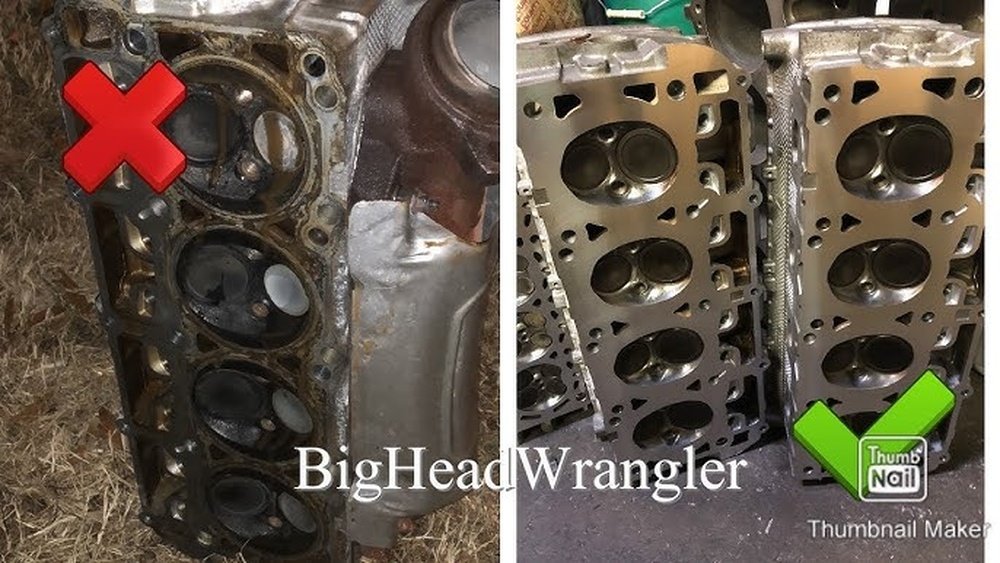
A head gasket is a vital seal between the engine block and the cylinder head. Its job is to contain the combustion process within the cylinders and also to keep coolant and oil from mixing.
When this gasket fails, it can lead to a cascade of problems that can severely damage your engine if not addressed promptly.
For a Jeep Grand Cherokee, a blown head gasket can manifest in several ways, often starting subtly before becoming a major concern.
This article will guide you through everything you need to know about blown head gaskets in Jeep Grand Cherokees, from recognizing the symptoms to understanding the repair costs and preventative measures. We’ll break down the complex issue into understandable terms, helping you make informed decisions if you suspect this problem or want to avoid it in the future.
Symptoms Of A Blown Head Gasket In A Jeep Grand Cherokee
Recognizing the signs of a blown head gasket is the first step toward a timely repair. These symptoms can vary in intensity, and sometimes they might be mistaken for less serious issues.
However, if you notice a combination of these, it's time to get your Grand Cherokee inspected by a professional.
Overheating Engine
One of the most common and immediate signs of a blown head gasket is persistent engine overheating. The gasket’s failure can allow coolant to leak into the combustion chambers or escape the cooling system entirely. This loss of coolant, or the introduction of exhaust gases into the coolant passages, prevents the engine from being cooled effectively. Your temperature gauge will likely climb into the red zone, and you might even see steam coming from under the hood. It’s crucial to pull over safely and turn off the engine immediately if you notice severe overheating to prevent further damage.
White Smoke From The Exhaust
When coolant leaks into the combustion chamber through a blown head gasket, it gets burned along with the fuel. This burning coolant produces thick, white, sweet-smelling smoke that exits through the exhaust pipe. This is a very distinctive symptom. Unlike the black smoke from a rich fuel mixture or the blue smoke from burning oil, this white smoke is a clear indicator of coolant loss into the cylinders. The smell is also a key differentiator; it often has a noticeable sweet odor due to the ethylene glycol in the coolant.
Milky Or Foamy Oil
Another tell-tale sign is the contamination of your engine oil with coolant. When the head gasket fails between an oil passage and a coolant passage, these two fluids can mix. This results in a milky, frothy, or foamy appearance of the engine oil. You can check for this by looking at the oil dipstick or under the oil filler cap. The oil will lose its normal dark brown or black color and take on a lighter, often tan or creamy color. This mixture severely degrades the lubricating properties of the oil, leading to increased wear on engine components.
Coolant Loss Without Visible Leaks
If you find yourself constantly topping off your coolant reservoir but cannot locate any external leaks around hoses, the radiator, or the water pump, a blown head gasket is a strong possibility. The coolant is likely escaping internally, either into the combustion chambers or mixing with the oil. This internal coolant loss is a serious symptom that often goes unnoticed until the engine begins to overheat or other symptoms appear.
Bubbles In The Radiator Or Coolant Reservoir
When exhaust gases escape the combustion chamber due to a blown head gasket and enter the cooling system, they can create pressure. This pressure can force these gases into the coolant passages, leading to bubbles forming in the radiator or the coolant overflow tank. You might hear a gurgling sound from the cooling system, especially when the engine is running. This is a direct sign that combustion gases are contaminating your coolant.
Loss Of Engine Power And Poor Performance
A compromised head gasket can lead to a loss of compression within one or more cylinders. This means the engine isn’t able to build up the necessary pressure for efficient combustion. As a result, you might experience a noticeable loss of engine power, rough idling, misfires, or hesitation during acceleration. The engine might feel sluggish, and fuel efficiency could also decrease.
External Coolant Or Oil Leaks
While internal leaks are more common, a blown head gasket can also cause external leaks. The gasket seals the joint between the cylinder head and the engine block. If the gasket fails in a way that creates a breach on the outside of the engine, you might see coolant or oil seeping from the area where the cylinder head meets the engine block. This is often easier to spot during a visual inspection.
Causes Of Head Gasket Failure In Jeep Grand Cherokees
Several factors can contribute to a head gasket failure in a Jeep Grand Cherokee. Understanding these causes can help owners take steps to prevent premature failure.
Overheating Incidents
The most frequent cause of head gasket failure is engine overheating. When an engine gets too hot, the metal components, including the cylinder head and engine block, expand at different rates. This extreme thermal stress can warp the cylinder head or block, breaking the seal and damaging the gasket. Repeated overheating cycles, even if not severe enough to cause immediate damage, can weaken the gasket over time, making it more susceptible to failure.
Poor Maintenance And Neglect
A lack of regular maintenance is a significant contributor to many engine problems, including blown head gaskets. Neglecting coolant flushes and replacements can lead to the coolant degrading over time. Old coolant loses its anti-corrosive properties and can become acidic, eating away at engine components and the gasket itself. Low coolant levels, due to leaks or evaporation, also increase the risk of overheating. Similarly, using the wrong type of coolant or mixing incompatible coolants can cause chemical reactions that damage the gasket.
Age And Mileage
Like any component, head gaskets have a finite lifespan. Over time and with accumulated mileage, the gasket material can degrade, become brittle, or lose its sealing integrity. The constant pressure and temperature cycles within the engine take their toll. While not a direct cause, age and high mileage make the gasket more vulnerable to failure, especially if other contributing factors are present.
Manufacturing Defects
While less common, manufacturing defects in the head gasket itself can lead to premature failure. This could involve faulty materials, improper sealing during manufacturing, or flaws in the gasket’s design. If a batch of gaskets is defective, multiple vehicles using those gaskets might experience similar issues.
Engine Modifications And Stress
Certain engine modifications, such as forced induction (turbochargers or superchargers) or aggressive tuning, can significantly increase the combustion pressures and temperatures within the engine. If the cooling system and the head gasket are not adequately upgraded to handle this increased stress, the gasket can fail. Pushing the engine beyond its designed limits puts extra strain on all its components.
Issues With The Cooling System
Problems within the cooling system itself can indirectly lead to head gasket failure. This includes a malfunctioning thermostat that fails to regulate temperature, a clogged radiator that restricts coolant flow, a weak water pump that doesn’t circulate coolant effectively, or a faulty radiator fan that doesn’t engage properly. Any issue that compromises the cooling system’s ability to dissipate heat can lead to overheating and, subsequently, head gasket damage.

Diagnosing A Blown Head Gasket
Diagnosing a blown head gasket requires careful observation and sometimes specialized tests. Mechanics use a combination of visual checks, symptom analysis, and diagnostic tools to confirm the problem.
Visual Inspection
The first step is usually a thorough visual inspection of the engine bay. A mechanic will look for signs of coolant or oil leaks around the cylinder head and engine block, check the condition of hoses and the radiator, and examine the engine oil and coolant for signs of contamination (milky oil, oily coolant).
Checking Coolant And Oil
Checking the coolant and oil is a critical diagnostic step. The mechanic will examine the oil dipstick and the underside of the oil filler cap for that characteristic milky or foamy appearance. They will also check the coolant reservoir and radiator for oil contamination, which can look like a greasy film or sludge.
Compression Test
A compression test measures the pressure inside each cylinder. A healthy engine will have consistent and within-spec compression readings across all cylinders. If one or more cylinders show significantly lower compression, it indicates a loss of seal, which could be due to a blown head gasket, worn piston rings, or valve issues.
Leak-down Test
A leak-down test is a more precise way to pinpoint the source of compression loss. Compressed air is introduced into each cylinder at Top Dead Center (TDC) of the compression stroke, and the percentage of air leaking out is measured. By listening for escaping air (e.g., in the radiator, oil fill cap, or adjacent cylinder), a mechanic can often determine if the leak is through the head gasket.
Combustion Leak Test (block Tester)
A combustion leak tester, often called a “block tester,” is a tool that can detect the presence of exhaust gases in the cooling system. It uses a special fluid that changes color when exposed to CO2 (carbon dioxide) from exhaust fumes. This is a relatively simple and effective test to confirm if exhaust gases are entering the coolant.
Cooling System Pressure Test
A cooling system pressure test involves pressurizing the cooling system with a special pump. This helps to reveal external leaks that might not be apparent under normal operating pressure. It can also help identify internal leaks if the pressure drops significantly without any visible external signs.
Repairing A Blown Head Gasket On A Jeep Grand Cherokee
Repairing a blown head gasket is a labor-intensive job that typically requires significant mechanical expertise and time. The process involves dismantling a large portion of the engine.
Engine Disassembly
The first phase of the repair involves engine disassembly. This includes removing components like the intake manifold, exhaust manifold, valve cover, and finally, the cylinder head itself. This process must be done carefully to avoid damaging other engine parts.
Cylinder Head Inspection And Machining
Once the cylinder head is removed, it needs to be thoroughly inspected for damage. This includes checking for warpage, cracks, or damage to the gasket sealing surfaces. Often, the cylinder head will need to be sent to a machine shop for resurfacing (machining) to ensure it is perfectly flat. If cracks are found, the cylinder head might need to be replaced entirely, which significantly increases the repair cost.
Replacing The Head Gasket And Bolts
A new, high-quality head gasket is installed. It’s crucial to use a gasket designed for your specific Jeep Grand Cherokee model and engine. Along with the gasket, the head bolts are almost always replaced. Head bolts are torque-to-yield bolts, meaning they stretch during installation to achieve precise clamping force. They should never be reused, as their integrity is compromised after the initial torqueing.
Reassembly And Testing
After the head is reinstalled and torqued to specification, the mechanic will reassemble all the removed components. This includes refilling the cooling system with the correct type and mixture of coolant and refilling the engine oil. Once reassembled, the engine is started, and the mechanic will test for leaks, proper cooling system operation, and any remaining engine performance issues.

Cost Of Repairing A Blown Head Gasket
The cost of repairing a blown head gasket on a Jeep Grand Cherokee can be substantial, primarily due to the extensive labor involved. Several factors influence the final price.
Labor Costs
The labor is the most significant part of the expense. It can take anywhere from 8 to 15 hours, or sometimes more, depending on the complexity of the engine and the mechanic’s efficiency. Shop labor rates vary widely by region, typically ranging from $100 to $200+ per hour.
Parts Costs
The cost of parts includes the head gasket set (which often includes valve cover gaskets, intake manifold gaskets, and other seals), new head bolts, coolant, and engine oil. A quality head gasket set can range from $100 to $300, while head bolts are typically $50 to $150. The total parts cost might fall between $200 and $500, but this can increase if the cylinder head needs replacement or machining.
Cylinder Head Machining Or Replacement
If the cylinder head is warped and needs machining, expect to add another $150 to $400 to the bill. If the head is cracked and requires replacement, the cost can jump significantly, as a new or remanufactured cylinder head can cost anywhere from $400 to $1000 or more, depending on the engine.
Total Estimated Cost
Considering all these factors, the total estimated cost for a blown head gasket repair on a Jeep Grand Cherokee can range from $1,500 to $3,500 or even more. For older models or those with significant damage, the repair cost might approach or exceed the vehicle’s market value, leading owners to consider replacing the vehicle instead.
Pro Tip: Always get a detailed quote from your mechanic that breaks down labor and parts. Ask if they offer a warranty on their work.
Can You Drive With A Blown Head Gasket?
Driving with a blown head gasket is highly discouraged and can lead to catastrophic engine failure. While some minor leaks might allow you to drive short distances cautiously, it’s a risky endeavor.
If the head gasket is allowing coolant into the combustion chamber, you risk severe hydrostatic lock. This happens when liquid coolant fills a cylinder, and since liquids cannot be compressed, the piston’s attempt to move upwards will cause extreme force, potentially bending or breaking connecting rods, damaging the crankshaft, or even cracking the engine block.
If the gasket is allowing exhaust gases into the cooling system, it can rapidly overheat the engine. Overheating can cause the cylinder head to warp further, leading to more severe damage and a more expensive repair.
It can also damage the pistons and other internal engine components.
In essence, driving with a blown head gasket is playing a dangerous game with your engine. The potential for escalating damage far outweighs any perceived convenience of driving a little longer.
It's always best to address the issue as soon as you suspect it.

Preventing Head Gasket Issues In Your Grand Cherokee
While not all head gasket failures can be prevented, following good maintenance practices can significantly reduce the risk.
Regular Cooling System Maintenance
The most critical preventative measure is regular cooling system maintenance. This includes:
- Checking coolant levels frequently and topping them off with the correct type of coolant and distilled water mixture.
- Flushing and replacing the coolant according to your Jeep Grand Cherokee’s maintenance schedule. This removes old, degraded coolant and replenishes its protective properties.
- Inspecting hoses, the radiator, and the water pump for any signs of leaks or wear during routine service.
- Ensuring the radiator cap is in good condition, as it



















