When your 2014 Jeep Grand Cherokee’s climate control system starts acting strangely, it’s often a blend door actuator that’s the culprit. This small but vital component controls the temperature and airflow inside your cabin.
If it fails, you might experience uneven heating or cooling, strange noises from your dashboard, or a complete loss of climate control function. Understanding what these actuators do, how they fail, and how to fix them is key to keeping your Jeep comfortable year-round.
The blend door actuator is essentially a small electric motor with gears that moves a flap (the blend door) inside your HVAC (Heating, Ventilation, and Air Conditioning) system. This door mixes hot air from the heater core and cold air from the evaporator to achieve the desired temperature set by your climate control panel. There isn’t just one actuator; most vehicles, including your 2014 Grand Cherokee, have several. Each is responsible for a specific function: temperature control, recirculation, and mode selection (directing air to the vents, floor, or defroster). When one of these actuators malfunctions, the system can no longer accurately control the air temperature or where it’s directed, leading to a range of frustrating symptoms.
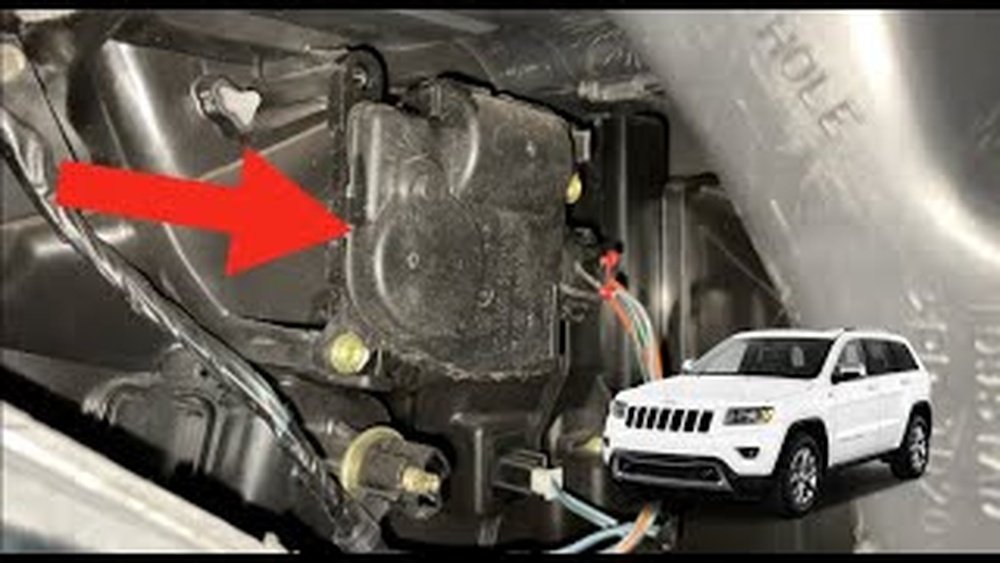
Understanding The Climate Control System In Your 2014 Jeep Grand Cherokee
Your Jeep Grand Cherokee's climate control system is more complex than it might seem. It's designed to automatically maintain a set temperature, but it relies on several interconnected parts to do so effectively.
At the heart of this system are the actuators, which receive signals from the climate control module (the brain of the operation) and translate them into physical movement of the blend doors.
The Role Of The Blend Door Actuators
These actuators are small electric motors that are crucial for managing the airflow within your HVAC system. They are programmed to move a specific blend door to a precise position.
For example, when you turn the temperature dial from hot to cold, the temperature blend door actuator moves the blend door to allow more cold air from the evaporator to enter the cabin.
When you select “recirculate,” a different actuator moves a door to close off the fresh air intake and draw air from inside the cabin instead. The mode door actuator, meanwhile, directs airflow to the correct outlets, the dashboard vents, the floor, or the windshield defroster.
How The Climate Control Module Communicates
The climate control module is a sophisticated computer that monitors various sensors, such as interior and exterior temperature sensors, sunload sensors, and even your input from the control panel. Based on this information, it sends electrical signals to the blend door actuators, telling them exactly where to position the blend doors.
If the module itself has a fault, it can send incorrect signals, leading to the same symptoms as a faulty actuator. However, actuators are far more common failure points.
Common Symptoms Of A Failing Blend Door Actuator
When a blend door actuator starts to fail, it usually doesn't do so quietly or subtly. Drivers often notice a combination of issues that point directly to this small component.
Recognizing these symptoms early can save you from prolonged discomfort and potentially more significant HVAC system damage.
Temperature Imbalances
One of the most common signs is uneven temperature distribution. You might notice that the driver’s side is too cold while the passenger’s side is too hot, or vice versa. This occurs when the temperature blend door is stuck in a position that doesn’t allow for proper mixing of hot and cold air. If you set your climate control to dual-zone operation, this problem can be particularly noticeable, as the system struggles to maintain the different temperatures for each side of the vehicle.
Strange Noises From The Dashboard
Another tell-tale sign is clicking or grinding noises coming from behind the dashboard. These sounds often happen when the actuator is trying to move but is struggling due to stripped gears or a failing motor. The noise might be intermittent at first, becoming more persistent as the actuator deteriorates further. It’s often most pronounced when you first start the car or make a significant change to your climate settings.
Loss Of Climate Control Function
In more severe cases, a faulty blend door actuator can lead to a complete failure of the climate control system. This means you might not get any air at all, or the air might be stuck blowing from only one set of vents (e.g., only from the floor). If the actuator is stuck in a position that blocks airflow entirely, you’ll have no heating or cooling. Similarly, if the mode door actuator fails, you might be unable to direct air to the windshield for defrosting, which can be a safety hazard in inclement weather.
Airflow Issues
Sometimes, the problem isn’t with the temperature but with the volume or direction of airflow. You might notice weak airflow from the vents, or the air might be coming out of the wrong vents. This can happen if the recirculation door or the mode door actuator is malfunctioning, preventing the system from optimizing air intake or directing it to the selected outlets.

Identifying Which Blend Door Actuator Has Failed
With multiple actuators in your 2014 Jeep Grand Cherokee’s HVAC system, pinpointing the exact faulty one can be a bit of a detective job. Fortunately, the symptoms often provide strong clues.
Temperature Blend Door Actuator(s)
As mentioned, the most common symptom of a failure here is uneven or incorrect cabin temperature. If you have dual-zone climate control, this issue is often isolated to one side of the vehicle. For instance, if only the passenger side is blowing hot air regardless of the setting, the passenger-side temperature blend door actuator is likely the problem. Your Grand Cherokee may have one or two of these, one for each side.
Recirculation Actuator
A malfunctioning recirculation actuator can cause a few different issues. You might notice that you can’t switch between fresh air and recirculated air. If the actuator is stuck in the “fresh air” position, you might smell exhaust fumes or other outside odors more strongly inside the cabin. If it’s stuck in the “recirculated” position, the air inside can become stale, and the windows may fog up more easily, especially with multiple passengers.
Mode Door Actuator(s)
The mode door actuator controls where the air is directed. If this actuator fails, you might find that the air only blows out of the floor vents, or only out of the defrost vents, or only from the dash vents. You won’t be able to change the airflow direction using your climate control panel. Some vehicles have multiple mode doors, so you could have more than one actuator failing.
Diagnosing The Problem: Diy Vs. Professional
While some issues might be obvious, a definitive diagnosis often requires specific tools and knowledge.
Diy Diagnostic Steps
- Listen Carefully: Pay close attention to any clicking or grinding sounds when you adjust the temperature or fan speed. Try to pinpoint the general area of the sound.
- Test All Settings: Cycle through all temperature settings (hot to cold on both sides if dual-zone), all fan speeds, and all airflow modes (defrost, floor, dash, recirculate). Note exactly what happens or doesn’t happen.
- Check for Codes: If you have an OBD-II scanner, check for any HVAC-related diagnostic trouble codes (DTCs). While not all actuator failures will throw a code, some might, providing a direct hint. Common codes might relate to “HVAC blend door actuator circuit malfunction” or similar.
- Visual Inspection (Limited): In some cases, you might be able to access an actuator by removing a small panel or glove box. If you can see it, check for any obvious signs of damage or loose connections. However, most actuators are hidden deep within the dashboard.
When To Call A Professional
If you’re not comfortable working on your vehicle, or if the DIY steps don’t yield a clear answer, it’s best to consult a qualified mechanic. They have specialized diagnostic tools, such as advanced scan tools that can read HVAC module data and command actuators to move.
This allows them to accurately identify which actuator is faulty and whether the problem lies with the actuator itself or the climate control module. Professionals can also access actuators that are difficult to reach, saving you significant time and potential damage.

Replacing A Blend Door Actuator In A 2014 Jeep Grand Cherokee
Replacing a blend door actuator can range from a relatively simple DIY job to a complex repair requiring significant dashboard disassembly. The difficulty depends heavily on the actuator’s location.
Common Actuator Locations And Replacement Difficulty
Your 2014 Jeep Grand Cherokee has several actuators, and their positions vary:
- Temperature Blend Door Actuators: These are often located on the sides of the HVAC housing, near the firewall or center console. Accessing them might involve removing the center console trim, glove box, or even parts of the dashboard.
- Mode Door Actuator: This actuator is typically found deeper within the HVAC unit, often towards the top or bottom. Replacement here can be more involved, sometimes requiring the entire HVAC unit to be removed or significant dashboard components to be taken apart.
- Recirculation Actuator: This one is usually located near the HVAC unit’s fresh air intake, often accessible from under the dashboard on the passenger side or behind the glove box.
Step-by-step Replacement Guide (general)
While specific steps vary by actuator location, here’s a general outline:
- Safety First: Disconnect the negative battery terminal to prevent electrical shorts.
- Access the Actuator: This is the most challenging part. You may need to remove trim panels, the glove box, the center console, or even the entire dashboard for certain actuators. Consult a service manual or online guides specific to your Jeep Grand Cherokee for detailed instructions on disassembly.
- Locate the Faulty Actuator: Once you have access, identify the actuator based on its symptoms and location. It’s usually a small plastic unit with an electrical connector.
- Remove the Old Actuator: Most actuators are held in place by a few screws. Unplug the electrical connector. Note the position of the actuator and its gear relative to the blend door shaft.
- Install the New Actuator:
- Crucial Step: Calibrate the New Actuator. Before screwing it in, you often need to align the new actuator’s gear with the blend door shaft. Some recommend manually moving the blend door to its full range of motion to ensure it’s not binding. Others suggest plugging in the new actuator (with the battery reconnected temporarily) and turning the ignition to the ON position (engine off). The actuator will then move to its default position, which you can then align with the blend door shaft before securing it. Always refer to the specific instructions for your replacement actuator.
- Secure the new actuator with its screws.
- Reconnect the electrical connector.
- Reassemble: Carefully put back all the trim panels, the glove box, or dashboard components you removed. Ensure all clips and screws are reinstalled correctly.
- Test the System: Reconnect the battery terminal. Start the vehicle and test the climate control system thoroughly, checking all temperature settings, fan speeds, and airflow modes.
Pro Tip:
When purchasing a replacement actuator, opt for a reputable brand. While cheaper aftermarket options exist, they may not last as long or function as precisely as OEM (Original Equipment Manufacturer) or high-quality aftermarket parts.
Understanding Actuator Calibration And Initialization
One of the trickiest aspects of replacing a blend door actuator is calibration. The climate control module needs to “learn” the full range of motion of the new actuator and the blend door it controls. If this calibration isn’t done correctly, the new actuator might not work properly, or the system might continue to display errors.
The Importance Of Calibration
The system relies on precise positioning of the blend doors. When you set the temperature to 72 degrees, the module commands the actuator to move the door to a specific position.
If the actuator doesn't know where its "full cold" or "full hot" positions are, or if it's not precisely aligned with the blend door shaft, it won't be able to achieve the correct air mixture.
This can lead to the same symptoms you experienced with the old actuator.
How Calibration Is Typically Performed
There are a few ways calibration is achieved:
- Self-Calibration: Many modern vehicles, including your 2014 Grand Cherokee, are designed to self-calibrate. After installation, with the ignition turned to the ON position (engine off), the system will often go through an initialization sequence on its own. You might hear the actuators moving around for a minute or two. It’s crucial to not touch the climate controls during this period. Once the movement stops, the system should be calibrated.
- Scan Tool Calibration: For some actuators or if self-calibration fails, a professional mechanic will use an advanced diagnostic scan tool. This tool can directly command the climate control module to perform an actuator calibration or initialization procedure. This is the most reliable method if you suspect issues after installation.
- Manual Alignment (During Installation): As mentioned in the replacement steps, physically aligning the new actuator’s gear with the blend door shaft before securing it is a critical part of the process. If the alignment is off, the actuator might not engage properly with the door, or it might bind.
Warning:
Never force the blend door manually if it feels stuck. This could damage the door itself or the HVAC housing.
If a door is binding, the issue might be more than just the actuator; there could be debris obstructing the door or a mechanical failure within the HVAC unit.
Specific Blend Door Actuator Locations And Potential Issues In The 2014 Jeep Grand Cherokee
While a general understanding is helpful, knowing the specific locations and common failure points for your 2014 Grand Cherokee can save significant diagnostic time. Your vehicle likely uses a complex HVAC system with multiple actuators controlling different functions.
Temperature Blend Door Actuators (driver And Passenger Side)
Your Grand Cherokee features dual-zone automatic climate control, meaning it has separate temperature controls for the driver and passenger sides. This implies at least two temperature blend door actuators.
- Location: These are typically found attached to the HVAC airbox assembly, often on the sides. Accessing the passenger-side actuator might be possible by removing the glove compartment and associated trim. The driver-side actuator is often more challenging to reach, potentially requiring removal of the center console or parts of the dashboard.
- Common Issues: Symptoms include one side blowing significantly warmer or colder than the other, or one side failing to change temperature at all. Grinding or clicking noises often emanate from the side with the faulty actuator.
Mode Door Actuator
This actuator directs airflow to different vents: floor, face (dash vents), and defrost.
- Location: This actuator is usually situated deeper within the HVAC unit, often near the center of the airbox. Replacement can be difficult, sometimes requiring the removal of the entire HVAC unit or extensive dashboard disassembly.
- Common Issues: Air only coming from the floor vents, or only from the defrost vents,



















