Bigger Wheel Wells For Jeep Wk2: More Clearance, Better Performance
The Jeep Grand Cherokee WK2, produced from 2011 to 2026, is a capable SUV that blends on-road comfort with off-road prowess. However, for many owners who push their Jeeps beyond the pavement, the factory wheel wells can become a limiting factor.
Whether you dream of fitting larger, more aggressive tires for better off-road traction or simply want a more imposing stance, increasing wheel well clearance is a common modification. This guide explores the various methods for achieving bigger wheel wells for Jeep WK2 vehicles, detailing the benefits, challenges, and considerations involved.
When you think about off-roading, tire size is one of the first things that comes to mind. Larger tires offer several advantages: they can roll over obstacles more easily, provide more ground clearance, and often come in more aggressive tread patterns for superior grip on dirt, mud, and rocks. However, the stock WK2 chassis has limitations on how large a tire you can fit without modification. Rubbing against the fender liners, suspension components, or even the body itself can occur, leading to damage and reduced performance. Addressing this requires modifying the wheel wells.
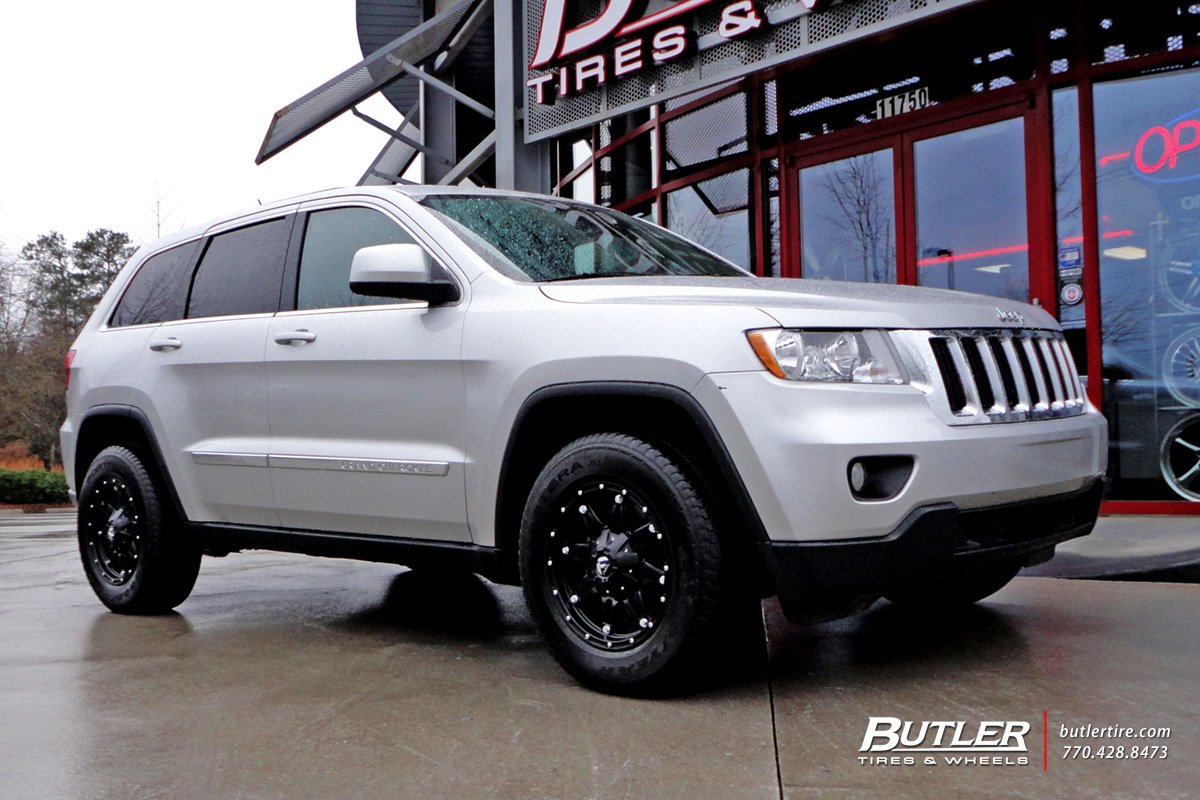
This isn’t just about aesthetics; it’s about functional improvement. Bigger wheel wells allow for larger tire diameters and wider tire setups. This translates directly into improved capability when venturing off the beaten path. It means less worry about getting stuck on challenging terrain and more confidence in your Jeep’s ability to handle the demands placed upon it. We’ll break down the most effective ways to achieve this, from simple adjustments to more involved modifications.
Understanding The Limits Of Stock Wheel Wells
Before diving into modifications, it's crucial to understand the constraints of the factory Jeep WK2. The design team at Jeep engineers these vehicles with a balance of on-road manners, fuel efficiency, and moderate off-road capability in mind.
This means the wheel wells are sized to accommodate a specific range of tire sizes without rubbing during normal driving conditions, including moderate suspension articulation.
The WK2 typically comes with tires around 30-32 inches in diameter. While this is adequate for many daily driving scenarios and light trails, enthusiasts often aim for tires in the 33-inch to 35-inch range and beyond. Fitting these larger tires without modification will almost certainly result in tire rub, especially during suspension compression or when turning the steering wheel. This rubbing can damage the fender liners, the tires themselves, and even the paintwork.
Factors Affecting Tire Fitment
Several factors influence how large a tire you can fit:
- Tire Diameter: The overall height of the tire is the primary consideration. Larger diameters require more vertical space.
- Tire Width: A wider tire will extend further outwards and inwards, potentially hitting the fender flares or suspension components.
- Wheel Offset and Backspacing: The wheel offset (how the wheel mounts to the hub) and backspacing (the distance from the rear of the wheel to the mounting surface) significantly impact where the tire sits within the wheel well. A more negative offset or less backspacing pushes the tire outward.
- Suspension Type: Different suspension setups, such as stock, lifted, or independent suspension modifications, will alter the available clearance.
- Articulation: When the suspension is working hard, articulating over uneven terrain, the wheels move upwards and inwards, increasing the chance of rubbing.
Understanding these variables is key to choosing the right modification strategy for your Jeep WK2. Simply wanting bigger tires isn’t enough; you need to know how they will interact with your vehicle’s geometry.
Common Modifications For Bigger Wheel Wells
Achieving larger wheel wells on a Jeep WK2 typically involves a combination of lifting the suspension and modifying the fenders. Each method has its own pros and cons, affecting cost, complexity, and the final look and capability of the vehicle.
Suspension Lifts: The Foundation For Larger Tires
A suspension lift kit is often the first step in accommodating larger tires. These kits raise the entire vehicle body, providing more general clearance. While not directly modifying the wheel well’s shape, they increase the vertical space available before the tire contacts the body.
Types Of Lift Kits For Wk2
- Spacer Lifts: These are the most basic and affordable type of lift. They involve adding spacers between the chassis and the suspension components (like strut spacers or coil spacers). They typically provide 1.5 to 3 inches of lift.
- Pros: Inexpensive, easy to install, maintains factory ride quality.
- Cons: Can negatively affect suspension geometry, may require additional components like longer brake lines or sway bar links, doesn’t improve off-road suspension travel significantly.
- Coilover/Spring Lifts: These kits replace the factory springs and shocks with taller, often adjustable, performance units. They can offer more lift (typically 2 to 4 inches) and improved suspension performance for off-road use.
- Pros: Better off-road performance, improved ride quality over rough terrain, can be adjusted for ride height.
- Cons: More expensive than spacer lifts, installation is more complex, may require alignment adjustments.
- Longer Control Arm Lifts: For significant lifts (4 inches and above), longer control arms are often necessary to correct suspension geometry and maintain proper alignment. These kits are more comprehensive and expensive.
- Pros: Restores proper suspension geometry for higher lifts, improved articulation and off-road capability.
- Cons: Very expensive, complex installation, requires professional alignment.
For the WK2, lifts in the 2 to 3.5-inch range are most common for fitting 33-inch to 34.5-inch tires with some fender trimming. Taller lifts might be needed for larger tires but come with increased complexity and cost.
Fender Trimming And Modification: Creating More Space
Even with a suspension lift, the stock fender liners and fenders themselves can still limit tire size. Fender trimming involves cutting away parts of the plastic fender liners and sometimes the metal fender flares or body panels to provide the necessary clearance.
Methods Of Fender Trimming
- Fender Liner Trimming: This is the simplest and most common form of modification. It involves cutting away the plastic inner fender liner, particularly at the front and rear edges where tire contact is most likely.
- Process: Mark the areas where the tire rubs (or where you anticipate rubbing), then use a utility knife, Dremel tool, or jigsaw to carefully cut away the plastic.
- Pros: Easy, inexpensive, reversible (to some extent), often sufficient for smaller tire increases (e.g., 33-inch tires with a mild lift).
- Cons: Only provides limited clearance, can expose bodywork if cut too aggressively.
- Fender Flare Trimming/Modification: The factory fender flares can also interfere with larger tires. These can sometimes be trimmed or modified.
- Process: Similar to liner trimming, but requires more care to maintain a clean look. Some aftermarket flares are designed with more clearance.
- Pros: Allows for slightly larger tires than just trimming liners.
- Cons: Can be difficult to make look factory, may require repainting.
- Metal Fender Trimming (Body Mount Chop – BMC): For larger tire sizes (35 inches and up), or for maximum articulation without rubbing, trimming the metal fender itself might be necessary. This is often referred to as a Body Mount Chop (BMC) or simply metal fender trimming.
- Process: This is a more involved modification that requires cutting into the metal bodywork where the fender meets the bumper or side panel. It often involves fabricating new mounting points or reinforcement. This is a skill best left to experienced fabricators.
- Pros: Provides the maximum possible clearance for very large tires.
- Cons: Permanent modification, requires significant skill and tools, can be expensive if professionally done, can affect resale value, requires careful attention to sealing and rust prevention.
Aftermarket Fender Flares And Systems
Some aftermarket companies offer fender flare kits designed to provide more clearance or accommodate larger tires. These can range from simple bolt-on replacements to more aggressive, high-clearance designs.
- High-Clearance Fenders: These are designed to move the fender line upwards and outwards, offering significant clearance without requiring extreme trimming of the original body. They often come as full fender replacement kits.
- Pros: Excellent clearance, aggressive off-road look, can be a clean solution for very large tires.
- Cons: Expensive, requires significant bodywork to install, changes the vehicle’s appearance dramatically.
Example Scenario: Fitting 33-inch Tires
Let’s consider a common goal: fitting 33-inch tires on a Jeep WK2.
- Lift: A 2 to 2.5-inch suspension lift (spacer or coilover) is usually sufficient to provide the necessary vertical clearance.
- Fender Trimming: You will likely need to trim the plastic fender liners, especially at the front and rear of the wheel well. This is a DIY-friendly modification.
- Wheel Offset: Using wheels with a slightly more negative offset (or spacers) can help push the tire outwards, but be mindful of rubbing on the fender flares. A stock-like offset with appropriate trimming is often best for this size.
- Result: With these steps, 33-inch tires can typically fit on a WK2 without significant rubbing during normal driving and moderate off-roading.
Example Scenario: Fitting 35-inch Tires
Fitting 35-inch tires is a more ambitious goal for the WK2 and requires more extensive modifications.
- Lift: A minimum of a 3.5 to 4-inch suspension lift is usually required. This often necessitates longer control arms and other suspension components to maintain proper geometry.
- Fender Trimming: Significant trimming of both the plastic fender liners and the metal fenders (Body Mount Chop) will be necessary. This is a more advanced modification.
- Wheel Offset: A negative offset wheel or wheel spacers will likely be needed to push the tires out and clear suspension components.
- Other Considerations: Longer brake lines, potentially modified steering components, and careful alignment are crucial. You may also encounter rubbing on the control arms or sway bar depending on wheel width and offset.
- Result: With these comprehensive modifications, 35-inch tires can be fitted, providing substantial off-road capability. However, it comes at a significant cost and complexity.
Calculating Tire Size And Clearance Needs
Before you buy any parts, it’s essential to understand how to calculate tire sizes and assess your clearance needs. This will save you money and frustration.
Tire Size Basics
Tire sizes are typically written in the format `XXX/YYRZZ`, for example, `275/55R20`.
- `XXX`: Tire width in millimeters.
- `YY`: Aspect ratio (sidewall height as a percentage of width). So, `55` means the sidewall height is 55% of 275mm.
- `R`: Radial construction.
- `ZZ`: Wheel diameter in inches.
To calculate the overall diameter of a tire:
- Convert width to inches: `Width (mm) / 25.4 = Width (inches)`
- Calculate sidewall height: `Width (inches) * (Aspect Ratio / 100)`
- Total Diameter: `(Sidewall Height * 2) + Wheel Diameter (inches)`
Example: For a `275/55R20` tire:
- Width in inches: `275 / 25.4 = 10.83 inches`
- Sidewall height: `10.83 (55 / 100) = 5.96 inches`
- Total Diameter: `(5.96 2) + 20 = 11.92 + 20 = 31.92 inches`
So, a `275/55R20` tire is approximately 32 inches in diameter. Many stock WK2 models come with tires around this size.
To fit 33-inch tires, you need to increase the clearance by about 1 inch, accounting for both the top and bottom of the wheel well.
Understanding Rubbing Points
Rubbing can occur in several places:
- Front Fender Liner: The plastic liner at the front of the wheel well, especially when turning.
- Rear Fender Liner: The plastic liner at the rear of the wheel well, especially during compression.
- Body Mount: The metal structure where the fender meets the chassis, particularly at the rear of the front wheel well.
- Control Arms: The suspension arms, especially with wider tires and certain wheel offsets.
- Sway Bar: The front sway bar can interfere with wider tires.
The Role Of Wheel Offset And Backspacing
Wheel offset and backspacing are critical, often overlooked, factors.
- Offset: Measures the distance from the wheel’s mounting surface to its centerline.
- Positive Offset: Mounting surface is outboard of the centerline (common on most SUVs).
- Negative Offset: Mounting surface is inboard of the centerline (pushes wheel outward).
- Zero Offset: Mounting surface is exactly at the centerline.
- Backspacing: Measures the distance from the rear of the wheel to the mounting surface.
- Less Backspacing: Pushes the wheel outward.
- More Backspacing: Pulls the wheel inward.
For fitting larger tires on a WK2, you often want a wheel that either has a stock-like offset (around +40mm to +50mm) and relies on fender trimming, or a slightly more negative offset (e.g., 0mm or -12mm) combined with less backspacing to push the tire out, thus clearing the fender liners but potentially rubbing on flares or suspension components. A good starting point for larger tires is often a wheel with around 5-6 inches of backspacing.
Pro Tip: Use Online Tire Fitment Calculators
Before making any decisions, utilize online tire fitment calculators. Websites like TireSize.com or Discount Tire’s calculator allow you to compare your stock tire size with potential upgrades. You can input your vehicle, current tire size, and desired tire size to see the difference in diameter, width, and how it might impact your speedometer. These tools are invaluable for visualizing the change.

Assessing The Impact On Driving Dynamics And Durability
Modifying your Jeep WK2 for bigger wheel wells and larger tires isn



















