The Jeep Wrangler is famous for its rugged style and strong off-road abilities. Owners love its performance, but many wonder: what is the best gas for Jeep Wrangler? Choosing the right fuel helps your Wrangler run smoothly, gives better mileage, and keeps the engine healthy. With different gas options and engine types, picking the correct fuel is not always simple. Let’s explore which gas is best for your Jeep Wrangler, how fuel affects performance, and what mistakes to avoid.
Gas Types For Jeep Wrangler
There are several gasoline types available at stations. Each type has a different octane rating, which measures how well the fuel resists knocking in the engine. The main types are:
1. Regular Unleaded (87 Octane)
Most Jeep Wranglers use regular unleaded gas. It’s affordable and easy to find. If your Wrangler has a standard 3.6L V6 or 2.0L turbo engine, regular gas is usually the best choice.
2. Mid-grade (89 Octane)
Some drivers use mid-grade fuel for extra engine protection. However, unless your owner’s manual recommends it, mid-grade gas doesn’t boost performance.
Premium gas is for engines that need higher octane to prevent knocking. For most Wranglers, premium gas is not necessary and does not offer extra benefits.
Here’s a clear comparison:
| Gas Type | Octane Rating | Common Use | Price (USD) |
|---|---|---|---|
| Regular Unleaded | 87 | Standard Jeep engines | $3.50/gallon |
| Mid-Grade | 89 | Optional | $3.80/gallon |
| Premium | 91–93 | High-performance engines | $4.20/gallon |
Most Jeep Wranglers are built for regular unleaded gas. Always check your owner’s manual for the correct fuel.
Engine Types And Fuel Recommendations
Jeep offers different engines in the Wrangler, and each has unique fuel needs.
1. 3.6l Pentastar V6
This is the most common engine. It’s designed for regular unleaded gas. Using higher octane fuel will not improve performance or mileage.
2. 2.0l Turbocharged I4
Some turbo engines may recommend mid-grade gas, but most still run well on regular. Turbo engines are more sensitive to fuel quality, so using gas from a trusted station is important.
3. 3.0l Ecodiesel V6
This engine uses diesel fuel, not gasoline. Always use ultra-low sulfur diesel to avoid engine damage.
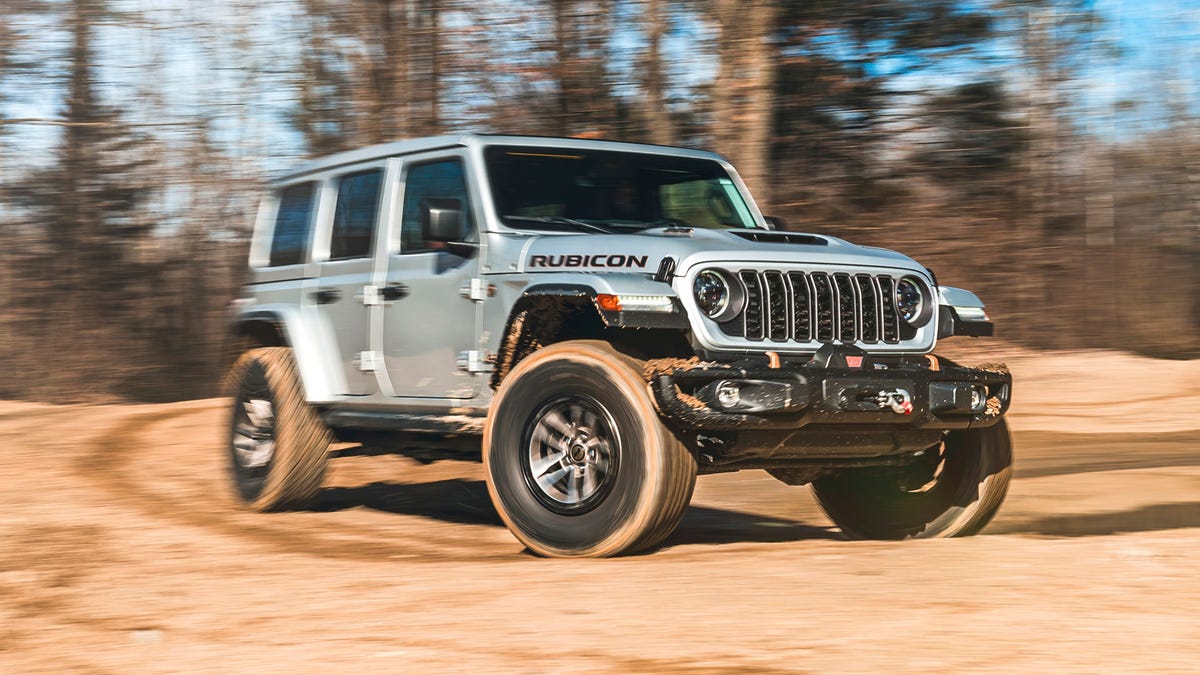
4. Rubicon 392 (6.4l V8)
This high-performance engine requires premium gas (91 octane or higher). Using regular gas can cause knocking and reduce power.
Here’s a quick engine-to-fuel guide:
| Engine | Recommended Fuel | Octane/Diesel Type |
|---|---|---|
| 3.6L V6 | Regular Unleaded | 87 Octane |
| 2.0L Turbo I4 | Regular or Mid-Grade | 87–89 Octane |
| 3.0L EcoDiesel V6 | Diesel | Ultra-Low Sulfur |
| 6.4L V8 (392) | Premium | 91+ Octane |
How Gas Affects Wrangler Performance
The type of gas you use can affect your Jeep’s fuel economy, engine power, and maintenance costs.
- Fuel Economy: Using the recommended gas gives the best mileage. For example, the 3.6L V6 gets about 20 mpg combined (city and highway) with regular gas. Premium gas does not increase mileage for most Wranglers.
- Engine Power: Higher octane gas only helps engines designed for it. The Rubicon 392 needs premium for maximum horsepower. Using lower octane can reduce power and cause knocking.
- Maintenance: Wrong fuel can damage the engine. Diesel engines must never use gasoline, and vice versa. Using premium in a regular engine is a waste of money.
A non-obvious insight: fuel brand matters. Top-tier gas stations add detergents that help keep your engine clean. This can lower maintenance costs and improve performance over time.
Common Fuel Mistakes Jeep Owners Make
Many Jeep owners make simple mistakes when choosing gas. Avoid these to keep your Wrangler running well:
It’s a myth that premium gas always makes engines run better. Only use it if your manual says so.
2. Ignoring Fuel Quality
Cheap, low-quality gas can cause deposits in the engine. Choose gas from stations with a good reputation.
3. Mixing Gas And Diesel
Never put gasoline in a diesel engine or vice versa. This mistake can cause expensive damage.
4. Skipping Owner’s Manual Advice
The manual gives the best guidance for your specific engine. Always follow its instructions.
A practical tip: If you drive in extreme temperatures or at high altitudes, your engine may need different fuel. Check your manual or ask your dealer.

Is E85 Or Alternative Fuels Good For Wrangler?
Some gas stations sell E85 ethanol or other alternative fuels. Most Jeep Wranglers are not built for E85. Only use it if your Wrangler is labeled “Flex-Fuel.” Using E85 in non-flex-fuel engines can cause engine issues and lower mileage.
Another non-obvious insight: ethanol blends (like E15 or E20) are not approved for most Jeep Wranglers. Stick to standard gasoline to avoid problems.
Fuel Additives: Do They Help?
Fuel additives claim to clean your engine or boost performance. While some additives work, many are unnecessary if you use quality gas.
For most Jeep Wranglers, regular use of top-tier gasoline is enough. If you notice rough idling or engine knocking, talk to a mechanic before trying additives.

Frequently Asked Questions
What Gas Should I Use For My 2024 Jeep Wrangler?
Most models use regular unleaded gas (87 octane). Always check your owner’s manual for your specific engine.
No, unless your Wrangler has the 6.4L V8 or your manual recommends premium. Using higher octane in other engines does not increase power or mileage.
Is Diesel Fuel Available For Jeep Wrangler?
Yes, the 3.0L EcoDiesel V6 uses diesel. Only fill with ultra-low sulfur diesel. Never use gasoline in a diesel engine.
Does Gas Brand Matter For Jeep Wrangler?
Yes, top-tier gas brands add detergents that help keep the engine clean. Using quality gas reduces engine deposits and can improve long-term performance. For more info, see Consumer Reports.
Can I Use E85 Or Alternative Fuels In My Wrangler?
Only use E85 ethanol if your Jeep is labeled “Flex-Fuel.” Most Wranglers are not flex-fuel and should use regular gasoline.
Choosing the best gas for your Jeep Wrangler is simple but important. Use the fuel recommended in your owner’s manual.
Avoid common mistakes, stick to quality gas stations, and know your engine type. This approach keeps your Wrangler reliable, efficient, and ready for any adventure.