Choosing The Right Battery For Your 2008 Jeep Grand Cherokee
When it comes to keeping your 2008 Jeep Grand Cherokee running smoothly, the battery is the heart of its electrical system. It's the component that provides the initial surge of power to start the engine and then stabilizes the voltage for all the vehicle's electronics.
Selecting the correct battery is crucial for reliable performance, especially in varying weather conditions. This guide will help you understand the key factors to consider, common battery types, and how to find the best fit for your specific needs.
The 2008 Jeep Grand Cherokee, depending on its engine and trim level, has specific battery requirements. These requirements often revolve around Group Size, Cold Cranking Amps (CCA), and Reserve Capacity (RC). Ignoring these specifications can lead to a battery that doesn’t fit, doesn’t provide enough power, or has a shorter lifespan than expected. Understanding these terms and how they apply to your vehicle will empower you to make an informed decision. We will explore these factors in detail, along with tips for maintenance and signs that your battery might need replacing.
Understanding Key Battery Specifications
Before you even look at battery options, it’s essential to understand the technical terms that define a battery’s performance. These specifications are not just jargon; they are critical indicators of a battery’s suitability for your 2008 Grand Cherokee.
Group Size
The Group Size is a standardized classification system developed by the Battery Council International (BCI). It indicates the physical dimensions of the battery, including its length, width, height, and terminal placement. For a 2008 Jeep Grand Cherokee, the most common group size is Group 34R. The “R” signifies that the positive and negative terminals are reversed compared to a standard Group 34 battery. Using the wrong group size can result in the battery not fitting securely in its tray or the cables not reaching the terminals correctly. Always confirm the recommended group size for your specific model year and engine.
Cold Cranking Amps (cca)
Cold Cranking Amps (CCA) measure a battery’s ability to start an engine in cold temperatures. It’s defined as the number of amps a battery can deliver at 0°F (-18°C) for 30 seconds while maintaining a voltage of at least 7.2 volts. For a 2008 Jeep Grand Cherokee, especially if you live in a region with cold winters, a higher CCA rating is generally better. The recommended CCA for your Jeep will vary slightly depending on the engine, but a common range is between 600 and 750 CCA. Exceeding the recommended CCA is usually not a problem, but falling short can lead to slow engine cranking or failure to start in cold weather.
Reserve Capacity (rc)
Reserve Capacity (RC) indicates how long a fully charged battery can deliver power under a specific load, typically 25 amps, at 80°F (27°C) before its voltage drops below a usable level (usually 10.5 volts). This metric is important for vehicles with significant electrical accessories or for situations where the engine might be off but accessories are still running, such as listening to the radio. A higher RC means the battery can power your vehicle’s systems for a longer period without the engine running. For the 2008 Grand Cherokee, look for a battery with an RC of at least 100 minutes.

Types Of Batteries For Your 2008 Jeep Grand Cherokee
While lead-acid batteries remain the standard, there are different types and technologies within that category. Understanding these can help you choose based on performance, longevity, and budget.
Flooded Lead-acid Batteries
These are the most common and typically the most affordable type of car battery. In a flooded lead-acid battery, the lead plates are submerged in an electrolyte solution of sulfuric acid and water. They require periodic maintenance, such as checking and topping up the electrolyte levels with distilled water, especially in warmer climates or under heavy use. Many modern flooded batteries are “maintenance-free,” meaning they have sealed tops and are designed to lose less water, but it’s still good practice to check them occasionally. They offer a good balance of performance and cost for everyday use.
Enhanced Flooded Batteries (efb)
Enhanced Flooded Batteries (EFB) are a step up from standard flooded batteries. They are designed to handle higher electrical demands and offer better vibration resistance. EFB batteries are often used in vehicles with basic start-stop technology or those with higher electrical loads. While not as advanced as AGM batteries, they provide improved durability and performance compared to traditional flooded batteries and can be a good option for the 2008 Grand Cherokee if you frequently use accessories or experience significant temperature fluctuations.
Absorbent Glass Mat (agm) Batteries
Absorbent Glass Mat (AGM) batteries are a premium option. In these batteries, the electrolyte is absorbed into thin fiberglass mats placed between the lead plates. This design makes them spill-proof, highly vibration-resistant, and able to withstand deeper discharge cycles. AGM batteries also offer superior performance in extreme temperatures and a longer lifespan than flooded batteries. They are often recommended for vehicles with advanced electrical systems, including those with start-stop technology, high-performance audio systems, or significant aftermarket electronic installations. While more expensive upfront, their durability and performance can make them a cost-effective choice in the long run. For a 2008 Grand Cherokee, an AGM battery can provide excellent reliability, especially if you demand more from your vehicle’s electrical system.
Finding The Right Battery For Your 2008 Jeep Grand Cherokee
When purchasing a battery, it’s essential to ensure it meets or exceeds the specifications recommended by Jeep. Here’s how to find the best fit.
Checking Your Owner’s Manual
The most reliable source for battery specifications is your 2008 Jeep Grand Cherokee owner’s manual. It will clearly state the recommended Group Size, CCA, and sometimes Reserve Capacity. This is your primary reference point to ensure compatibility.
Using Online Battery Finders
Most battery manufacturers and retailers offer online battery finder tools on their websites. You typically input your vehicle’s year, make, model, and engine size, and the tool will suggest compatible batteries. This is a convenient way to narrow down your options, but always double-check the suggested specifications against your owner’s manual.
Considering Your Driving Habits And Climate
Your driving habits and climate play a significant role in battery choice.
- Cold Climates: If you live in an area with harsh winters, prioritize a battery with a higher CCA rating. This ensures your Jeep can reliably start even on the coldest mornings.
- Hot Climates: Extreme heat can degrade batteries faster. While CCA is still important, consider a battery known for its heat tolerance or one with a longer warranty, which often reflects the manufacturer’s confidence in its durability.
- Frequent Short Trips: If you often make short trips, your alternator may not have enough time to fully recharge the battery. A battery with a higher Reserve Capacity can better handle these situations.
- Heavy Electrical Load: If you have aftermarket accessories like powerful sound systems, extra lighting, or inverters, you’ll need a battery that can handle the increased demand. An AGM battery is often the best choice here.
Comparing Top Battery Brands And Models
Several reputable brands offer batteries that fit the 2008 Jeep Grand Cherokee. While specific model availability can change, here are some well-regarded options often found in Group 34R:
Here’s a look at some popular battery choices and their general characteristics:
| Brand Name | Model Series | Typical Group Size | Key Features | Best For |
|---|---|---|---|---|
| **Optima** | YellowTop (DS34R) | 34R | Deep cycle capabilities, extreme vibration resistance, spill-proof, AGM | High-performance audio, off-roading, demanding electrical needs |
| **Odyssey** | Performance Series (34-PC1500ST) | 34R | Extreme vibration resistance, long service life, spill-proof, AGM | Extreme climates, heavy accessory use, long-term reliability |
| **DieHard** | Platinum AGM (34R) | 34R | Superior cranking power, vibration resistance, spill-proof, AGM | Cold weather starting, vehicles with high electrical demands |
| **ACDelco** | Professional (34R) | 34R | Good balance of price and performance, reliable, flooded lead-acid | Standard replacement, budget-conscious buyers |
| **Interstate** | MTP-34R | 34R | Strong performance, durable construction, reliable, flooded lead-acid | Everyday use, good longevity for a flooded battery |
| **Duralast** | Gold (34R) | 34R | Good value, solid performance, often comes with a good warranty, flooded | General replacement, value for money |
*Note: Specific model numbers and features can vary by retailer and region.*
Understanding Warranties
Battery warranties typically cover defects in materials and workmanship. They often have two periods: a full replacement period (e.g., 1-3 years) where the battery is replaced free of charge, and a prorated period (e.g., additional 1-2 years) where you get a partial credit towards a new battery based on how long you owned the original. A longer full replacement period generally indicates a higher quality battery. Always read the warranty terms carefully.

Installing A New Battery
Replacing a car battery is a task many DIY enthusiasts can handle, but it requires caution. If you’re not comfortable, it’s best to have a professional do it.
Safety Precautions
- Wear safety glasses and gloves: Battery acid is corrosive.
- Work in a well-ventilated area: Batteries can release explosive hydrogen gas.
- Turn off the engine and remove the key: Ensure the vehicle is completely off.
- Avoid sparks or open flames: Keep cigarettes and sparks away from the battery.
- Never let metal tools touch both terminals simultaneously: This can cause a short circuit and sparks.
Step-by-step Installation Guide
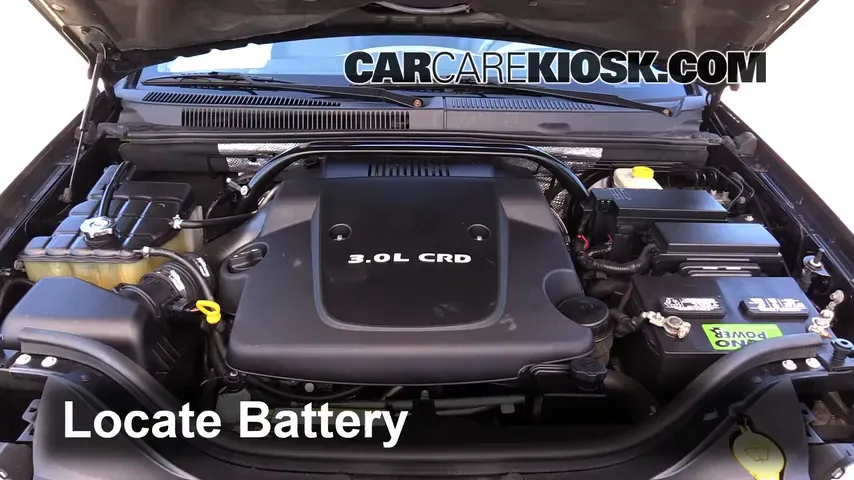
- Locate the battery: It’s usually under the hood, often on the passenger side.
- Disconnect the negative terminal first: Use a wrench to loosen the nut on the negative (-) terminal clamp. Wiggle the cable off the terminal and secure it away from the terminal so it cannot accidentally touch it.
- Disconnect the positive terminal: Loosen the nut on the positive (+) terminal clamp. Wiggle the cable off the terminal.
- Remove the battery hold-down: There’s usually a bracket or strap securing the battery in place. Remove it.
- Lift out the old battery: Batteries are heavy. Lift carefully, using a battery carrier if possible.
- Clean the terminals and tray: Use a wire brush or terminal cleaner to remove any corrosion from the battery cables and the battery tray.
- Place the new battery in the tray: Ensure it’s oriented correctly so the positive and negative terminals align with the corresponding cables.
- Secure the battery hold-down: Reinstall the bracket or strap to hold the new battery firmly in place.
- Connect the positive terminal first: Attach the positive (+) cable clamp to the positive terminal and tighten the nut.
- Connect the negative terminal: Attach the negative (-) cable clamp to the negative terminal and tighten the nut.
- Check connections: Ensure both terminals are snug and secure.
- Start the engine: The vehicle should start normally. You may need to reset your radio presets or other electronic settings.
Pro Tip: After removing the old battery, inspect the battery tray for rust or damage. If there’s significant corrosion, clean it thoroughly. A clean and secure tray helps prevent premature battery failure.
Battery Maintenance And Longevity
Proper maintenance can significantly extend the life of your battery and ensure reliable performance.
Cleaning Battery Terminals
Corrosion on battery terminals looks like a white or bluish powdery substance. It can impede electrical flow, leading to starting problems.
- How to clean: Disconnect the battery cables (negative first, then positive). Use a wire brush or a dedicated battery terminal cleaning tool. A mixture of baking soda and water can also help neutralize acid corrosion. Rinse with clean water and dry thoroughly before reconnecting the cables (positive first, then negative). Applying a thin layer of dielectric grease or petroleum jelly after cleaning can help prevent future corrosion.
Checking Electrolyte Levels (for Non-sealed Batteries)
If your battery is not a sealed “maintenance-free” type, you’ll need to check the electrolyte levels periodically.
- How to check: With the battery disconnected and clean, carefully remove the vent caps. The electrolyte level should be about 1/4 inch above the top of the lead plates. If it’s low, add distilled water only, until the correct level is reached. Never use tap water, as minerals in it can damage the battery. Replace the vent caps securely.
Avoiding Deep Discharges
Deep discharges occur when a battery is drained significantly below its normal operating voltage. Repeated deep discharges can permanently damage the battery, especially standard flooded lead-acid types.
- Prevention: Avoid leaving lights, the radio, or other accessories on with the engine off for extended periods. If you do need to run accessories, ensure the engine is running periodically to recharge the battery. If you have a vehicle that sits for long periods, consider using a battery maintainer or trickle charger.
Protecting Against Extreme Temperatures
Both extreme heat and cold can shorten a battery’s lifespan.
- Heat: Heat accelerates the chemical reactions inside a battery, leading to faster degradation and water loss. Ensure your battery is properly secured and, if possible, shielded from direct engine heat.
- Cold: Cold temperatures reduce a battery’s cranking power. Ensure your battery is fully charged before cold weather arrives. If your battery is old and weak, consider replacing it before winter.
Signs Your 2008 Jeep Grand Cherokee Battery Needs Replacement
Batteries don’t last forever. They typically last 3-5 years, but this can vary based on quality, maintenance, and usage. Watch out for these common signs:
- Slow Engine Crank: When you turn the key, the engine cranks slower than usual. This is often the first sign that the battery is losing its power.
- Check Engine Light or Battery Warning Light: Modern vehicles have systems that can detect battery issues. If a warning light illuminates on your dashboard, it’s time to get the battery tested.
- Dim Headlights or Interior Lights: If



















