The average cost to replace a wheel bearing on a 2014 Jeep Compass can vary significantly. This cost depends on several factors, including the specific parts used, the labor rates in your area, and whether you choose to replace just the bearing or the entire hub assembly.
Understanding these elements can help you prepare for the expense and make informed decisions when it's time for this necessary repair.
A failing wheel bearing can lead to a variety of problems, from annoying noises to serious safety concerns. Ignoring the symptoms can result in further damage to your vehicle, potentially increasing the overall repair bill.
This guide will break down the typical costs involved, the reasons behind the price variations, and what you can expect during the replacement process for your 2014 Jeep Compass.
Understanding Wheel Bearings And Their Failure
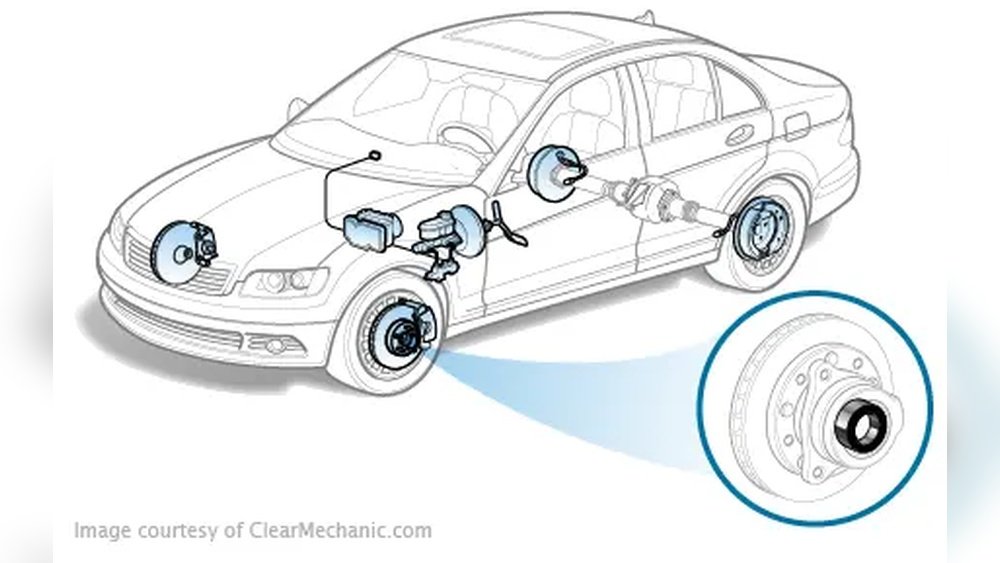
Wheel bearings are critical components of your vehicle’s suspension and steering system. They are located in the wheel hub and allow the wheels to rotate smoothly with minimal friction. Essentially, they are small, metal rings with rolling elements (balls or rollers) inside that enable the wheel to spin freely while supporting the vehicle’s weight. On a 2014 Jeep Compass, like most modern vehicles, the wheel bearing is often integrated into the wheel hub assembly. This means that when the bearing fails, you usually have to replace the entire hub assembly, not just the individual bearing.
Several factors can cause a wheel bearing to fail:
- Wear and Tear: Like any mechanical part, wheel bearings have a finite lifespan. Over time and with many miles driven, the internal components can wear down.
- Contamination: Dirt, water, and road salt can enter the bearing if the protective seals are damaged. This contamination causes corrosion and increased friction, leading to premature failure.
- Impacts: Hitting potholes, curbs, or other road debris can shock the suspension and damage the wheel bearing.
- Improper Installation: If a wheel bearing or hub assembly was not installed correctly in the past, it can lead to uneven stress and premature failure.
- Overloading: Consistently carrying heavy loads can put excessive strain on the wheel bearings.
Symptoms of a failing wheel bearing on a 2014 Jeep Compass often include:
- Noise: A grinding, rumbling, or clicking sound that often gets louder as the vehicle speeds up. This noise might change when turning.
- Vibration: A noticeable vibration felt in the steering wheel or the floor of the vehicle, especially at higher speeds.
- Loose Wheel: In severe cases, the wheel may feel loose or wobbly.
- ABS Light: Since the wheel speed sensor is often integrated into the hub assembly, a failing hub can trigger the Anti-lock Braking System (ABS) warning light.
Cost Breakdown: Parts Vs. Labor
The total cost to replace a wheel bearing on a 2014 Jeep Compass is typically divided into two main categories: the cost of the parts and the cost of labor.
Parts Cost
The primary part needed is the wheel hub assembly, which includes the wheel bearing. For a 2014 Jeep Compass, you can expect the price of a new hub assembly to range from $70 to $200 per side.
- Aftermarket Brands: These are generally more affordable. Many reputable aftermarket manufacturers offer quality parts that can be a good value. Brands like Timken, Moog, and SKF are often recommended for their durability and performance.
- OEM (Original Equipment Manufacturer) Parts: These are parts made by or for Jeep. They are typically more expensive but are guaranteed to fit perfectly and match the original specifications of your vehicle. OEM hub assemblies for a 2014 Jeep Compass can cost anywhere from $150 to $300 or more.
The price can also vary depending on whether you need a front or rear wheel bearing. Front bearings are often part of the hub assembly and can be slightly more expensive than rear ones, though this is not always the case.
Labor Cost
Labor is often the larger portion of the total repair bill. Replacing a wheel hub assembly is a moderately complex job that requires specific tools and knowledge.
Most mechanics will charge an hourly rate for this service.
The typical labor time for replacing a wheel hub assembly on a 2014 Jeep Compass is usually between 1.5 to 3 hours per side. This time includes removing the wheel, disconnecting brake components (like the caliper and rotor), unbolting the old hub assembly, installing the new one, and reassembling everything.
Labor rates vary significantly by geographic location and the type of repair shop.
- Independent Mechanic: These shops generally have lower hourly rates, often ranging from $75 to $125 per hour.
- Dealership: Dealerships typically have higher labor rates, which can be anywhere from $120 to $200+ per hour.
Considering these ranges, the estimated labor cost for replacing one wheel hub assembly can be anywhere from $110 to $600.

Total Estimated Cost For A Single Wheel Bearing Replacement
Combining the parts and labor costs, the average total cost to replace one wheel bearing (hub assembly) on a 2014 Jeep Compass typically falls between $200 and $600.
Here’s a quick breakdown:
- Low End: Using an aftermarket hub assembly and having the work done at an independent shop with lower labor rates.
- Parts: $70
- Labor: $110 (1.5 hours @ $75/hr)
- Total: ~$180
- Mid-Range: Using a good quality aftermarket part or a less expensive OEM part at an independent shop.
- Parts: $150
- Labor: $250 (2 hours @ $125/hr)
- Total: ~$400
- High End: Using an OEM part and having the work done at a dealership with higher labor rates.
- Parts: $300
- Labor: $600 (3 hours @ $200/hr)
- Total: ~$900
It’s important to note that these are just estimates. The actual cost can be higher or lower based on your specific circumstances.
Replacing Both Front Or Rear Wheel Bearings
It is often recommended to replace wheel bearings in pairs, especially if they are on the same axle (both front or both rear). This is because if one bearing is failing due to wear, the other is likely close to failing as well.
Replacing them at the same time can save you from having to pay for labor again soon after.
If you need to replace both front wheel bearings (or both rear), you can expect the cost to roughly double the price for a single side, but sometimes with a slight discount on labor.
- Replacing Both Front Hub Assemblies:
- Parts: $140 – $600 (for two assemblies)
- Labor: $220 – $1200 (for two assemblies, potentially slightly less than double due to efficiency)
- Total Estimated Cost: $360 – $1800
- Replacing Both Rear Hub Assemblies:
- Parts: $140 – $600 (for two assemblies)
- Labor: $220 – $1200 (for two assemblies)
- Total Estimated Cost: $360 – $1800
The average cost to replace both front or both rear wheel bearings on a 2014 Jeep Compass would likely be in the range of $400 to $1000, depending heavily on parts choice and labor rates.
Why Replacing In Pairs Is Often Better
- Preventative Maintenance: If one bearing has failed due to age or wear, the other on the same axle is likely experiencing similar stress and wear. Replacing both prevents a near-immediate second repair.
- Cost Efficiency: While the parts cost doubles, the labor cost doesn’t always double. Mechanics can often perform the second side more quickly, and you only pay the diagnostic fee once.
- Symmetrical Wear: Uneven wear between the two sides can sometimes affect handling and alignment. Replacing both helps maintain balance.
Factors Influencing The Cost
Several factors can cause the price of your wheel bearing replacement to deviate from the average:
Location
Labor rates vary significantly by region. Major metropolitan areas or regions with a higher cost of living typically have higher labor rates than rural areas.
This is one of the biggest drivers of cost variation.
Type Of Repair Shop
- Dealerships: Usually the most expensive option due to higher overhead and labor rates. However, they offer the assurance of using OEM parts and factory-trained technicians.
- Chain Auto Repair Shops: Offer a middle ground in terms of price and quality. They often have standardized pricing and good warranties on parts and labor.
- Independent Mechanics: Can be the most affordable option. It’s crucial to find a reputable independent shop with experienced technicians who specialize in Jeep vehicles or general automotive repair.
Part Quality And Brand
As mentioned earlier, the choice between OEM and aftermarket parts significantly impacts the cost. While aftermarket parts can save money, it's wise to choose reputable brands known for durability.
Cheap, unknown brands might fail sooner, leading to additional costs down the line.
Additional Repairs Needed
Sometimes, when a wheel bearing fails, it can cause secondary damage. For instance:
- Damaged Hub: If the bearing has been bad for a long time, it can damage the hub itself, requiring its replacement.
- Brake Issues: The hub assembly is connected to the brakes. A seized or damaged hub might necessitate replacing brake rotors or pads if they’ve been affected.
- ABS Sensor Issues: The ABS wheel speed sensor is often integrated into the hub assembly. If the sensor fails, it’s usually replaced with the hub.
These additional parts and labor will increase the total cost.
Time Of Year And Shop Availability
While less common, sometimes demand for certain parts or services can fluctuate. Busy shops might have longer wait times, and in some cases, part availability could slightly influence pricing.
Diy Vs. Professional Replacement
For a 2014 Jeep Compass, replacing a wheel hub assembly is a job that can be tackled by a skilled DIY mechanic, but it requires the right tools and knowledge.
Diy Considerations
Tools Needed:
- Jack and jack stands
- Lug wrench
- Socket set (metric)
- Torque wrench
- Wrench set (metric)
- Pry bar
- Hammer
- Wire brush
- Penetrating oil (like WD-40)
- Possibly a pickle fork or ball joint separator
- A way to compress the spring if replacing a front strut assembly (though not always needed for just the hub)
Steps Generally Involved:
- Loosen lug nuts while the vehicle is on the ground.
- Jack up the vehicle and secure it with jack stands.
- Remove the wheel.
- Disconnect the brake caliper and hang it aside to avoid stressing the brake line.
- Remove the brake rotor.
- Disconnect any ABS sensor wires.
- Unbolt the hub assembly from the steering knuckle. This can sometimes be challenging if the bolts are rusted.
- Remove the old hub assembly.
- Install the new hub assembly, ensuring it sits flush.
- Reinstall the bolts and torque them to the manufacturer’s specifications.
- Reinstall the brake rotor and caliper.
- Reinstall the wheel and torque the lug nuts.
- Lower the vehicle and perform a final torque check on the lug nuts.
Pros of DIY:
- Significant Cost Savings: You save on labor costs, which can be substantial.
- Learning Experience: Gain valuable knowledge about your vehicle.
Cons of DIY:
- Requires Tools: You need specialized tools, which can be expensive if you don’t already own them.
- Time Commitment: It can take several hours, especially if you encounter rusted bolts or other complications.
- Risk of Error: Incorrect installation can lead to further damage or safety issues. Torque specifications are critical.
- No Warranty on Labor: If you make a mistake, you’re responsible for fixing it.
Professional Replacement
Pros:
- Expertise: Technicians have the experience and tools to do the job correctly and efficiently.
- Warranty: Most shops offer a warranty on both parts and labor, providing peace of mind.
- Time Savings: You can drop off your vehicle and have the work done without needing to invest your own time.
Cons:
- Higher Cost: You pay for the mechanic’s time and expertise.
Recommendation: If you are not experienced with automotive repair or lack the necessary tools, it is highly recommended to have a professional mechanic replace the wheel bearing on your 2014 Jeep Compass. The safety implications of a poorly installed wheel bearing are too significant to risk.
When To Replace Wheel Bearings
Don’t wait until a wheel bearing completely fails. Pay attention to the early warning signs.
- Noises: If you hear grinding or humming sounds that change with speed or turning, it’s time to get it checked.
- Vibrations: Any unusual vibrations felt through the steering wheel or chassis should be investigated.
- ABS Light: While an ABS light can indicate many issues, a failing hub assembly is a common culprit.
The average lifespan of a wheel bearing can vary greatly, from 30,000 miles to over 100,000 miles, depending on driving conditions, maintenance, and the quality of the original part. For a 2014 model, if your Compass has high mileage or you’ve noticed any symptoms, it’s a good idea to have them inspected.
Pro Tip: Checking For Wheel Bearing Play
A simple test can help diagnose a potentially failing wheel bearing:
- With the vehicle safely supported on jack stands, grip the tire firmly at the top and bottom.
- Gently try to rock the tire in and out.
- If you feel any looseness or hear clicking, the wheel bearing may be worn.
- Repeat this test side-to-side by gripping the tire at the 3 o’clock and 9 o’clock positions.
This test is most effective for detecting play in the front wheel bearings. It’s important to note that some minor play might be normal in certain suspension designs, so if you’re unsure, always consult a professional.
Common Mistakes To Avoid
When dealing with wheel bearing replacement, be aware of these common pitfalls:



















