Are Older Jeep Grand Cherokees Reliable?
The Jeep Grand Cherokee is a familiar sight on roads around the world. Known for its rugged design and off-road ability, many drivers wonder if older models are a smart buy. Buying a used vehicle can save money, but reliability is always a concern—especially for SUVs that see tough use. Let’s take a careful look at how older Grand Cherokees perform over time, what common problems appear, and what you should consider before buying one.
The History Of The Grand Cherokee
The Jeep Grand Cherokee was first launched in 1992. It quickly became popular for blending comfort with serious off-road skills. Over the years, Jeep released several generations:
- ZJ (1993–1998)
- WJ (1999–2004)
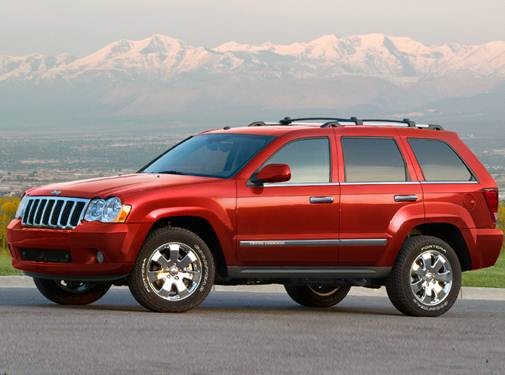
- WK (2005–2010)
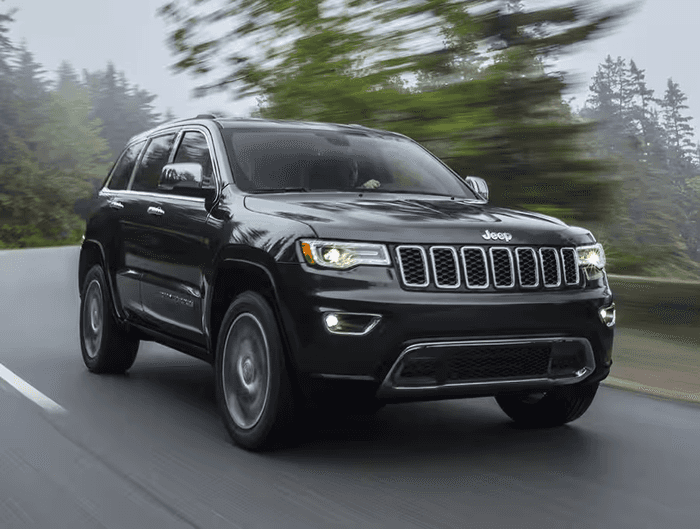
- WK2 (2011–2021)
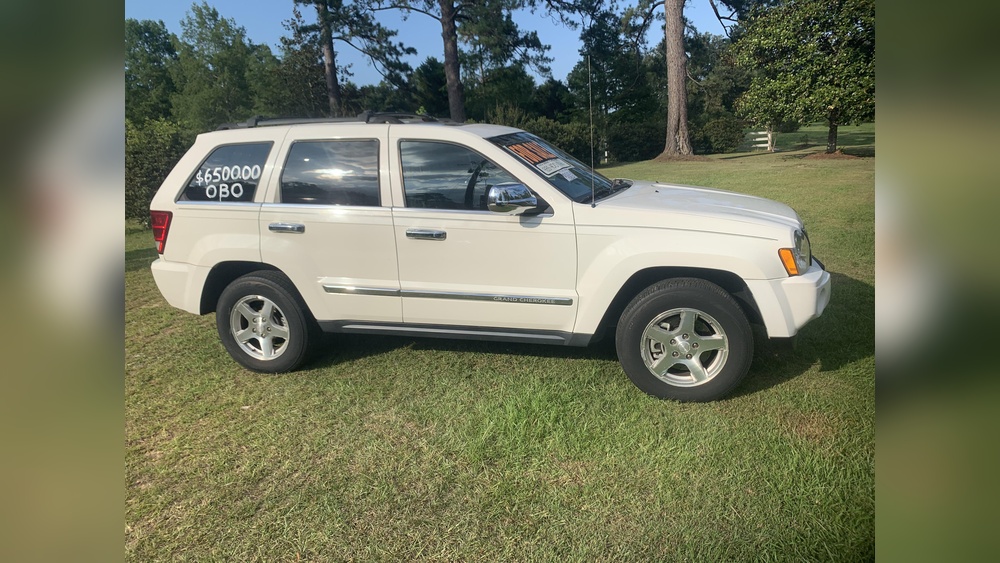
Each generation brought updates, but the core appeal stayed the same: a strong engine, 4×4 capability, and a midsize SUV body. Older models from the 1990s and 2000s are still common on used car lots.
Reliability By Generation
Some Grand Cherokee years are more reliable than others. Here’s a quick look at how the main generations compare:
| Generation | Years | Average Reliability Rating | Common Issues |
|---|---|---|---|
| ZJ | 1993-1998 | Fair | Transmission, electrical |
| WJ | 1999-2004 | Good | Cooling, window regulators |
| WK | 2005-2010 | Average | Electrical, suspension |
| WK2 | 2011-2021 | Below Average (early years) | Transmission, electronics |
The WJ generation (1999–2004) is often considered the most reliable among older models. These vehicles have simpler electronics and solid engines. By contrast, the first years of the WK2 (2011–2013) had more problems, especially with transmissions and infotainment systems.

Common Problems In Older Grand Cherokees
No used SUV is perfect, and the Grand Cherokee is no exception. Here are some frequent issues owners report:
- Transmission troubles: Some older models (especially 1999–2004 and 2011–2014) develop shifting problems or need expensive repairs.
- Electrical issues: Problems with power windows, door locks, and dashboard lights are common.
- Suspension wear: Ball joints and control arms can wear out, causing noise or poor handling.
- Cooling system leaks: Radiators and hoses may leak, especially on 4.0L six-cylinder engines.
- Rust: Older models, particularly from snowy areas, can develop rust on the underbody and liftgate.
Not every vehicle will have these problems, but they are more likely as the vehicle ages and miles increase.
How Many Miles Is Too Many?
It’s common to see older Grand Cherokees with over 150,000 miles. But how long do they really last? With regular maintenance, many owners report reaching 200,000 miles or more. However, repairs become more frequent after 120,000 miles.
Here’s a quick look at what to expect as mileage increases:
| Mileage | Expected Repairs | Estimated Cost/Year |
|---|---|---|
| 80,000–120,000 | Brakes, tires, fluids | $700–$1,000 |
| 120,000–180,000 | Suspension, cooling, sensors | $1,000–$2,000 |
| 180,000+ | Transmission, engine work | $2,000+ |
Regular oil changes and fixing small problems early can help an older Grand Cherokee last longer.
Maintenance Tips For A Reliable Ride
If you already own an older Grand Cherokee, or plan to buy one, smart maintenance will improve reliability:
- Change the oil every 3,000–5,000 miles.
- Replace transmission fluid and filter every 60,000 miles.
- Check and replace worn suspension parts.
- Flush the cooling system every 2 years.
- Watch for leaks under the vehicle.
- Use genuine Jeep or high-quality aftermarket parts.
One smart tip: Have a trusted mechanic inspect the vehicle before buying. They can spot hidden problems that may cost you later.
What Owners Say
Many Grand Cherokee owners are loyal to the brand, even after years of use. Some buyers love the strong 4.0L straight-six engine for its durability. Others warn about electronics and rust. Online forums and review sites show mixed feelings—some owners report trouble-free use, while others face expensive repairs.
A unique insight: Models with fewer options (like manual seats or basic radios) often have fewer problems. Fancy features can break, adding to repair bills.
How Grand Cherokee Compares To Other Suvs
Compared to other midsize SUVs from the same years, the Grand Cherokee offers:
- Better off-road ability than most rivals.
- Similar or slightly higher repair costs.
- Lower long-term reliability than some Japanese brands, but better than some American competitors.
Here’s a quick comparison with two popular rivals:
| Model | Reliability | Repair Cost (10 years) | Off-Road Capability |
|---|---|---|---|
| Jeep Grand Cherokee (2000s) | Average | $10,484 | High |
| Toyota 4Runner (2000s) | Excellent | $5,760 | High |
| Ford Explorer (2000s) | Below Average | $9,017 | Medium |
Source for repair cost data: RepairPal.
Should You Buy An Older Grand Cherokee?
If you want a used SUV with real off-road ability and don’t mind possible repairs, an older Grand Cherokee can be a good value. Choose a model with a solid maintenance history and avoid ones with rust or lots of electrical options.
If you want the most reliable daily driver, a Japanese SUV may be a safer choice.
Remember, reliability depends on how well the vehicle was cared for—not just the brand or model.
Frequently Asked Questions
How Often Do Older Grand Cherokees Need Repairs?
Most older Grand Cherokees need minor repairs every few months, and major repairs may appear every 1–2 years. High-mileage models need more frequent attention.
Is The 4.0l Engine Better Than The V8?
The 4.0L straight-six is known for reliability and long life. The V8 engines give more power but may need more repairs, especially at high mileage.
Are Parts Expensive For Older Grand Cherokees?
Parts are widely available and usually affordable. However, labor can be expensive, especially for transmission or engine work.
What Years Are The Most Reliable For The Grand Cherokee?
Models from 1999–2004 (WJ generation) are often considered the most reliable. Avoid first-year models of any generation for fewer problems.
Can I Use An Older Grand Cherokee As A Daily Driver?
Yes, but expect higher fuel costs and more repairs than a newer car. Good maintenance and a careful pre-purchase inspection are essential.