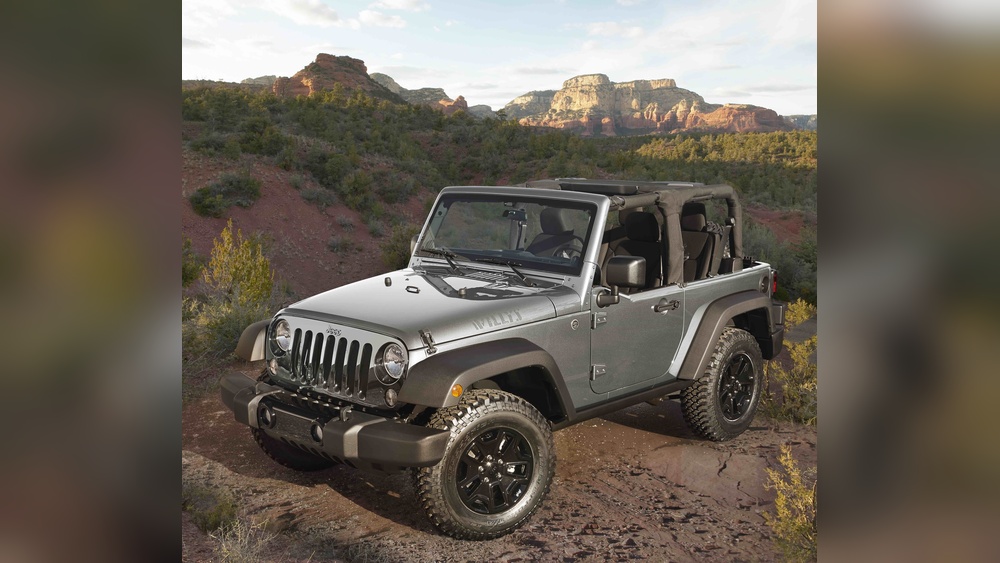
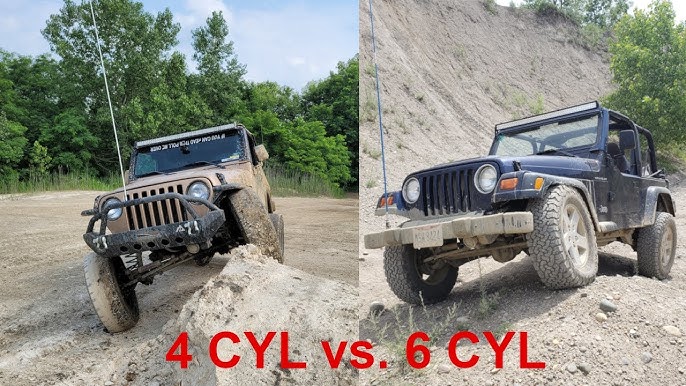
Few vehicles spark as much curiosity as the Jeep Wrangler. If you’re thinking about buying one, or just love off-road vehicles, you might wonder: are Jeep Wranglers 4 or 6 cylinder?
The answer isn’t simple, because Wranglers have offered both types of engines throughout their history. Choosing the right engine affects performance, fuel economy, and even long-term reliability.
Let’s break down the details so you can make an informed decision.

Jeep Wrangler Engine Options: An Overview
The Jeep Wrangler has always stood out for its rugged design and strong engines. Over the years, Jeep has used both 4-cylinder and 6-cylinder engines in different models. Understanding the differences can help you pick the right Wrangler for your needs.
1. Classic 4-cylinder Engines
Early Jeep Wranglers, especially the YJ (1987–1995) and TJ (1997–2006) generations, commonly used a 2.5-liter 4-cylinder engine. This engine was known for its simplicity and reliability. Many owners liked its easy maintenance and good fuel economy compared to bigger engines.
- Horsepower: Around 120 hp
- Torque: About 140 lb-ft
- Fuel Economy: 18–20 mpg city, 21–23 mpg highway
The 4-cylinder is best if you’re looking for a lighter, more nimble Wrangler. However, it’s less powerful than the 6-cylinder, which can make highway driving or towing more challenging.
2. Legendary 6-cylinder Engines
The 4.0-liter inline 6-cylinder engine is famous among Jeep fans. Used in Wranglers from 1991 to 2006, it became known for its durability and torque.
- Horsepower: Around 190 hp
- Torque: About 235 lb-ft
- Fuel Economy: 15–17 mpg city, 19–20 mpg highway
The 6-cylinder engine makes the Wrangler much better for off-roading, towing, and carrying heavy loads. If you plan to drive in tough conditions, this engine is often preferred.
However, it uses more fuel and can cost more to maintain.
3. Modern Turbocharged 4-cylinder
Starting with the JL generation (2018–present), Jeep introduced a new 2.0-liter turbocharged 4-cylinder engine. This engine is more advanced, offering higher performance while keeping good fuel efficiency.
- Horsepower: 270 hp
- Torque: 295 lb-ft
- Fuel Economy: 21–23 mpg city, 24–25 mpg highway
This turbo engine is powerful and efficient, with strong acceleration. It’s a good option for drivers who want modern technology and better gas mileage.
4. Current V6 Engine Choices
Recent Wranglers also offer a 3.6-liter Pentastar V6 engine. This is now the standard engine for most new Wranglers.
- Horsepower: 285 hp
- Torque: 260 lb-ft
- Fuel Economy: 17–19 mpg city, 23–25 mpg highway
This V6 balances power and efficiency, making it popular for daily driving and off-roading. It’s smoother and quieter than older engines, with better emissions.
Comparing Jeep Wrangler Engines
To help you see the differences, here’s a side-by-side comparison.
| Engine | Years Used | Horsepower | Torque | Fuel Economy (mpg) |
|---|---|---|---|---|
| 2.5L 4-Cylinder | 1987–2006 | 120 | 140 | 18–23 |
| 4.0L Inline 6-Cylinder | 1991–2006 | 190 | 235 | 15–20 |
| 2.0L Turbo 4-Cylinder | 2018–present | 270 | 295 | 21–25 |
| 3.6L Pentastar V6 | 2012–present | 285 | 260 | 17–25 |
What Engine Should You Choose?
The right engine for your Wrangler depends on your needs. Here are some points to consider:
- Fuel Efficiency: If you want to save on gas, the modern turbocharged 4-cylinder is best.
- Power: The V6 and inline 6-cylinder offer more torque for off-road and towing.
- Reliability: The older 4.0L inline 6-cylinder is known for lasting over 200,000 miles.
- Budget: 4-cylinder models are usually cheaper to buy and maintain.
If you plan to use your Wrangler mainly in the city, a 4-cylinder engine is enough. For serious off-roading or heavy use, the 6-cylinder is better.
The latest engines also offer improved technology, so newer models give you more options.
Practical Insights Most Beginners Miss
- Turbo engines require premium fuel for best performance. Many buyers don’t realize this, which can raise running costs.
- Insurance costs can be higher for V6 models due to their power and value. Always check insurance quotes before buying.
Another tip: older 6-cylinder engines are easier to repair yourself, thanks to simpler technology. This can save money if you plan to keep your Wrangler for many years.
Real-world Performance Differences
To understand how these engines feel in daily driving, let’s compare acceleration and towing.
| Engine | 0–60 mph (sec) | Towing Capacity (lbs) |
|---|---|---|
| 2.5L 4-Cylinder | 12.5 | 2,000 |
| 4.0L Inline 6-Cylinder | 8.5 | 2,000 |
| 2.0L Turbo 4-Cylinder | 6.8 | 3,500 |
| 3.6L Pentastar V6 | 6.5 | 3,500 |
As you can see, modern engines offer much better acceleration and towing. The turbo 4-cylinder and Pentastar V6 give you strong performance for daily driving and trips.
Engine Longevity And Maintenance
Wrangler engines are built to last, but the type affects maintenance:
- Older engines (2.5L, 4.0L) are simple and easy to fix.
- Modern engines (2.0L turbo, 3.6L V6) need more specialized care.
Always follow Jeep’s service schedule, and use quality oil and parts. Many owners reach over 150,000 miles with regular maintenance. For more details on Jeep engines, visit the Jeep Wrangler Wikipedia page.
Frequently Asked Questions
Are All Jeep Wranglers 4-cylinder?
No, Jeep Wranglers have used both 4-cylinder and 6-cylinder engines. Some models even offer V8 engines in special editions.
Which Wrangler Engine Is Most Reliable?
The 4.0L inline 6-cylinder is famous for reliability. Many owners report it lasts over 200,000 miles with basic care.
Does A 4-cylinder Wrangler Have Enough Power For Off-roading?
Older 4-cylinder engines are less powerful, but the new turbocharged 4-cylinder has plenty of torque for most trails. For extreme off-roading, a 6-cylinder is better.
What Is The Best Wrangler Engine For Fuel Economy?
The 2.0L turbo 4-cylinder offers the best fuel economy, especially in newer models.
Can I Swap Engines In My Jeep Wrangler?
Yes, engine swaps are possible, but it’s expensive and requires expert knowledge. Always check local laws and consult a mechanic before making changes.
Choosing between a 4-cylinder or 6-cylinder Wrangler is about matching your needs with the right balance of power, fuel economy, and reliability. With this guide, you can confidently decide which Jeep is best for your next adventure.