Many people love the Jeep Rubicon for its bold design, off-road capability, and adventurous spirit. But when it comes to fuel efficiency, drivers often wonder: are Jeep Rubicons good on gas?
This question matters a lot if you plan to use your Rubicon as a daily vehicle or for long trips. Let’s break down the facts, compare numbers, and see how the Rubicon really performs in the world of gas mileage.
Understanding Jeep Rubicon’s Fuel Economy
The Jeep Rubicon is a trim of the Jeep Wrangler, designed for tough terrain and rough roads. It comes with strong engines, heavy-duty tires, and special features for off-roading. All these improvements make the Rubicon powerful, but they also affect its gas consumption.
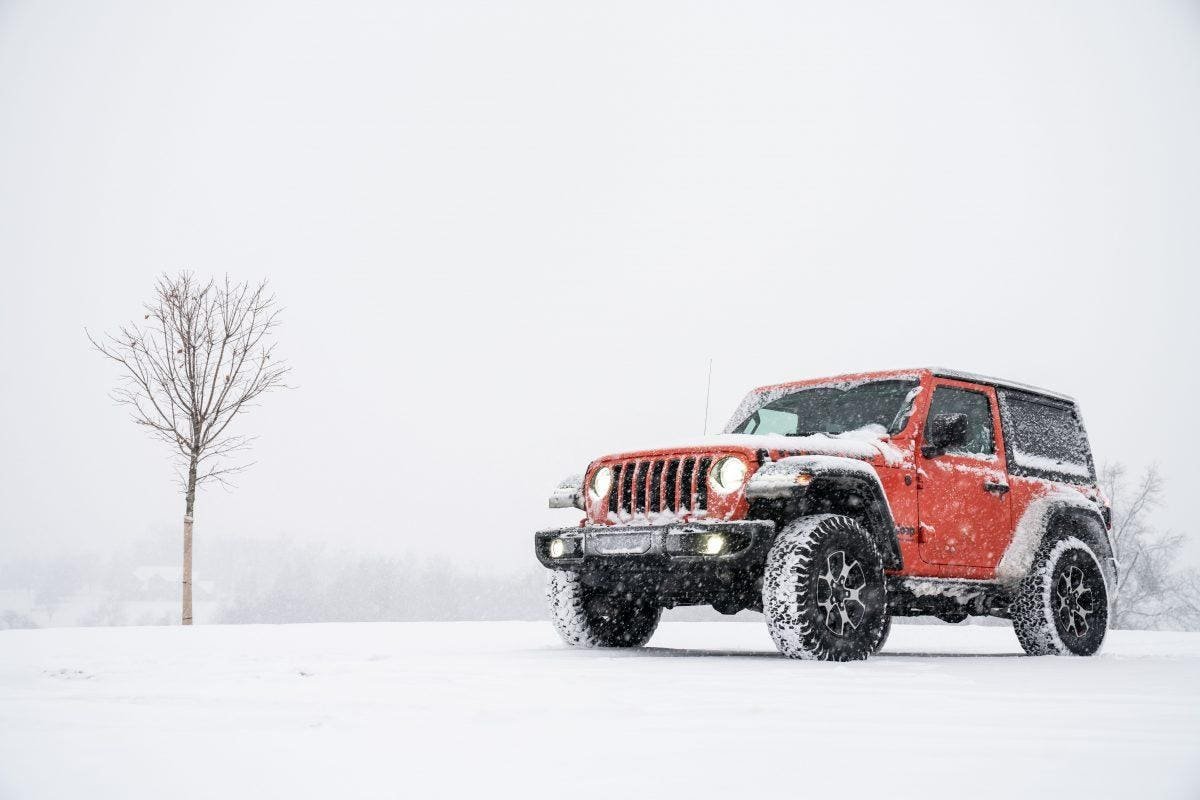
Typical Rubicon models come with either a 3.6L V6 or a 2.0L turbocharged 4-cylinder engine. Some newer versions offer a diesel option or even a plug-in hybrid (4xe). Each engine has its own fuel efficiency, so let’s look at the numbers.
| Engine | City MPG | Highway MPG | Combined MPG |
|---|---|---|---|
| 3.6L V6 Gas | 17 | 23 | 19 |
| 2.0L Turbo Gas | 21 | 24 | 22 |
| 3.0L EcoDiesel | 22 | 29 | 25 |
| 4xe Plug-in Hybrid | 49 MPGe | Unlimited (electric) | 49 MPGe |
As you can see, the Rubicon’s gas engines deliver average fuel efficiency compared to most SUVs. The diesel and hybrid options do better, especially if you use electric power often.
Why Rubicons Use More Gas
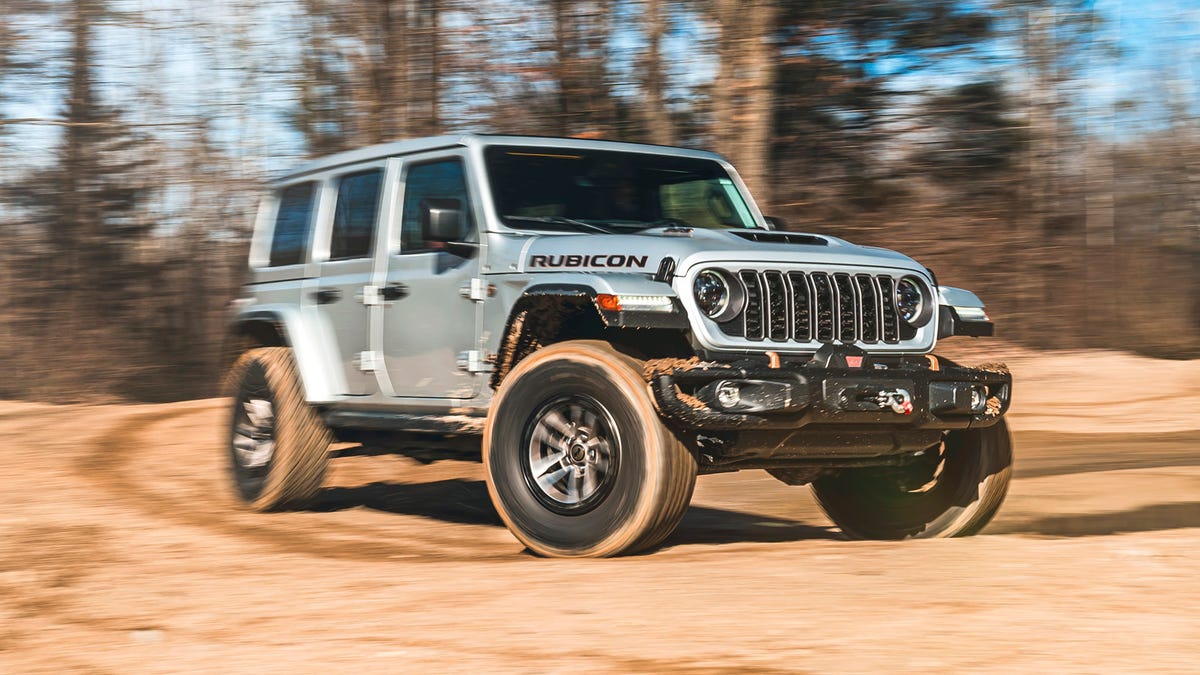
The Rubicon is not built for maximum fuel economy. Its special features for off-road driving—like heavy axles, large tires, and extra weight—increase gas use. Here’s why:
- Larger tires create more resistance, making the engine work harder.
- Off-road gear adds weight, which lowers MPG.
- The Rubicon’s boxy shape is less aerodynamic, so it needs more power at highway speed.
Even with advanced engines, these design choices mean the Rubicon will always use more gas than a typical sedan or crossover.
Real-world Driving Experience
Many Rubicon owners report lower MPG than the official numbers, especially in city driving or when using off-road features. Cold weather, roof racks, and loaded cargo can also drop efficiency. Some drivers see as little as 15 MPG in challenging conditions.
However, the Rubicon’s strong engine and tough build are designed for durability and performance, not just saving gas. For people who value adventure, the trade-off is often worth it.
Comparing Rubicon To Other Suvs
It’s useful to compare the Rubicon’s fuel economy with other similar vehicles. Here’s a quick look:
| Model | Combined MPG | Off-Road Rating |
|---|---|---|
| Jeep Rubicon (V6) | 19 | Excellent |
| Toyota 4Runner | 17 | Very Good |
| Ford Bronco | 20 | Excellent |
| Honda CR-V | 28 | Moderate |
Rubicon’s gas mileage is similar to other off-road SUVs. But if you want better fuel economy, models like the Honda CR-V or Toyota RAV4 offer much higher MPG, though they lack serious off-road features.

Tips To Improve Rubicon Gas Mileage
There are practical ways to squeeze more miles per gallon from your Rubicon:
- Drive Smoothly: Avoid fast starts and stops.
- Reduce Weight: Remove unnecessary gear or racks.
- Check Tire Pressure: Low pressure increases resistance.
- Limit Off-Road Mods: Heavy accessories can lower MPG.
- Use Cruise Control: Helps maintain steady speed on highways.
Many drivers miss the importance of tire pressure and weight. Just a few extra pounds or low tires can drop MPG by 2-3 points.
Also, keep up with maintenance clean air filters and fresh oil help the engine run efficiently.
Is The Rubicon Right For You?
If you need a vehicle mainly for city driving or long commutes, the Rubicon’s gas mileage may disappoint. But if you love exploring trails, camping, or need a tough vehicle, the Rubicon delivers where regular SUVs cannot.
For buyers, the hybrid 4xe version is a smart option. It offers much better fuel economy, especially for short trips on electric power. However, it costs more upfront and needs a charging station.
Many people also overlook the impact of driving style. Aggressive driving can reduce MPG by 10 20%.
If you drive carefully, you can stretch your tank much further.

Frequently Asked Questions
Is The Jeep Rubicon More Fuel-efficient Than Regular Wranglers?
No, the Rubicon is usually less efficient than other Wrangler trims. Its off-road features add weight and resistance, lowering gas mileage by 1-2 MPG compared to the base model.
Does The Rubicon Diesel Save Money On Gas?
The EcoDiesel Rubicon gets better MPG (up to 25 combined), but diesel fuel costs more in some areas. It can save money for long-distance drivers, but not always for city use.
How Far Can You Drive On A Full Rubicon Tank?
A typical Rubicon with the V6 engine has a 21.5-gallon tank. At 19 MPG combined, you can expect about 400 miles per fill. Real-world numbers may be lower if you drive off-road or in the city.
Is The Rubicon Hybrid Worth It?
The 4xe plug-in hybrid offers up to 49 MPGe using electric power. It’s great for short commutes but costs more than gas models. If you charge often and drive short distances, it’s a smart choice.
Can Modifications Affect Rubicon’s Gas Mileage?
Yes, adding lift kits, heavy bumpers, or big tires can drop MPG sharply. Many drivers lose 2-4 MPG after upgrades. Always consider the trade-off before making changes.
The Jeep Rubicon is not the best on gas, but it’s built for adventure, not economy. If you value off-road performance, its fuel use makes sense. For more details on official MPG ratings, visit the US Department of Energy site. Always balance your needs before choosing a Rubicon, and remember: with careful driving and maintenance, you can maximize every gallon.