Are Jeep Liberty Sport Good Cars
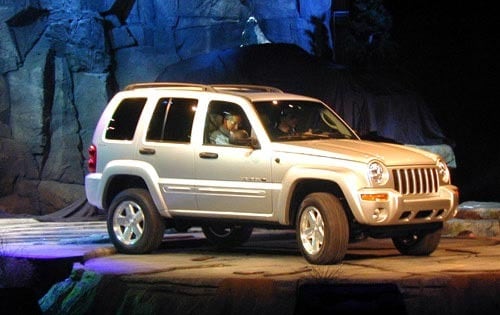
When people look for a small SUV with rugged style and off-road potential, the Jeep Liberty Sport often comes up. Produced between 2002 and 2012, the Liberty Sport was Jeep’s answer to drivers who wanted more than a basic city crossover.
But how good is the Jeep Liberty Sport as a used car today? Let’s break down its strengths, weaknesses, and what you should know before buying.
Key Features And Driving Experience
The Jeep Liberty Sport stands out for its boxy shape and classic Jeep look. It’s larger than a compact SUV but smaller than a Grand Cherokee, making it a good fit for people who want a balance of city driving and outdoor fun.
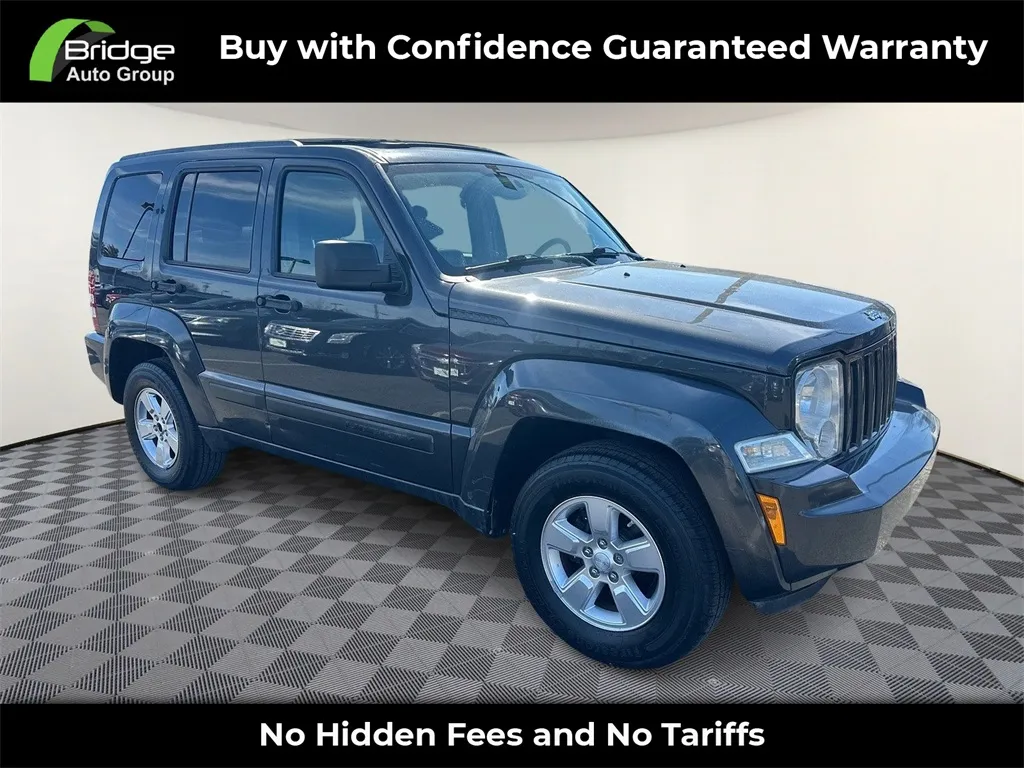
Under the hood, most Liberty Sports come with a 3.7L V6 engine. This engine produces about 210 horsepower and 235 lb-ft of torque. It’s not the most powerful in its class, but it gives solid performance for daily driving and light towing.
The Liberty Sport’s ride is firm, especially on rough roads. The suspension is built for durability and off-road use, so it can feel bouncy compared to smoother-riding crossovers. One thing drivers notice is the higher driving position that gives good visibility.
Interior Comfort And Space
Inside, the Jeep Liberty Sport has a simple, functional layout. Seats are basic but comfortable enough for short trips.
Cloth upholstery is standard, with vinyl and leather options in higher trims.
Cargo space is a plus for families and outdoor fans. With the rear seats up, you get about 31 cubic feet of storage. Fold them down, and that jumps to nearly 64 cubic feet. This makes the Liberty Sport handy for carrying gear, luggage, or pets.
Older Liberty models may lack modern tech like touchscreens and advanced safety features. However, you’ll find basics like air conditioning, power windows, and a CD player in most models.

Reliability And Maintenance
Reliability is one area where the Liberty Sport gets mixed reviews. Some owners report years of solid service, while others have faced repeated repairs. Common trouble spots include the window regulators, electronic controls, and suspension parts.
Here’s a breakdown of typical reliability areas:
| Component | Common Issues | Repair Cost (Approx.) |
|---|---|---|
| Engine | Oil leaks, sensor failures | $200-$600 |
| Transmission | Shifting problems | $800-$1800 |
| Windows | Regulator failure | $300-$500 |
| Suspension | Worn bushings/ball joints | $400-$900 |
Regular maintenance is key to a long life. The Liberty Sport needs oil changes every 3,000 to 5,000 miles and transmission fluid changes around 60,000 miles.
Off-road Capability
If you want a small SUV that can handle off-road trails, the Jeep Liberty Sport is a top pick. Its Command-Trac part-time 4WD system is easy to use and reliable. Ground clearance is about 8 inches, which is enough for rough terrain.
The Liberty Sport is not as extreme as a Wrangler, but it does better than most small SUVs in mud, sand, or snow. Skid plates and tow hooks are included in many models, adding to its toughness.
A key point many buyers miss: Off-road driving increases wear on the suspension and drivetrain. It’s smart to check for underbody damage or leaks if you’re buying a used model.
Fuel Economy And Daily Costs
One downside of the Liberty Sport is its fuel economy. With the V6 engine, EPA ratings are about 15 mpg city and 21 mpg highway. This is lower than newer SUVs or even some older rivals.
Here’s how the Liberty Sport compares with other small SUVs from its era:
| Model | City MPG | Highway MPG | Annual Fuel Cost* |
|---|---|---|---|
| Jeep Liberty Sport (V6) | 15 | 21 | $2,700 |
| Honda CR-V (4-cyl) | 20 | 26 | $2,100 |
| Toyota RAV4 (4-cyl) | 21 | 27 | $2,000 |
*Based on 15,000 miles/year and average US gas prices.
Insurance and repair costs are average for the class, but fuel expenses are higher. If you drive a lot, this can add up over time.
Pros And Cons At A Glance
Here’s a quick look at what makes the Jeep Liberty Sport stand out and where it falls short.
| Pros | Cons |
|---|---|
| Excellent off-road ability | Poor fuel economy |
| Rugged Jeep look | Mixed reliability |
| Good cargo space | Bumpy ride on pavement |
| Affordable used prices | Basic interior features |
What To Watch Out For When Buying Used
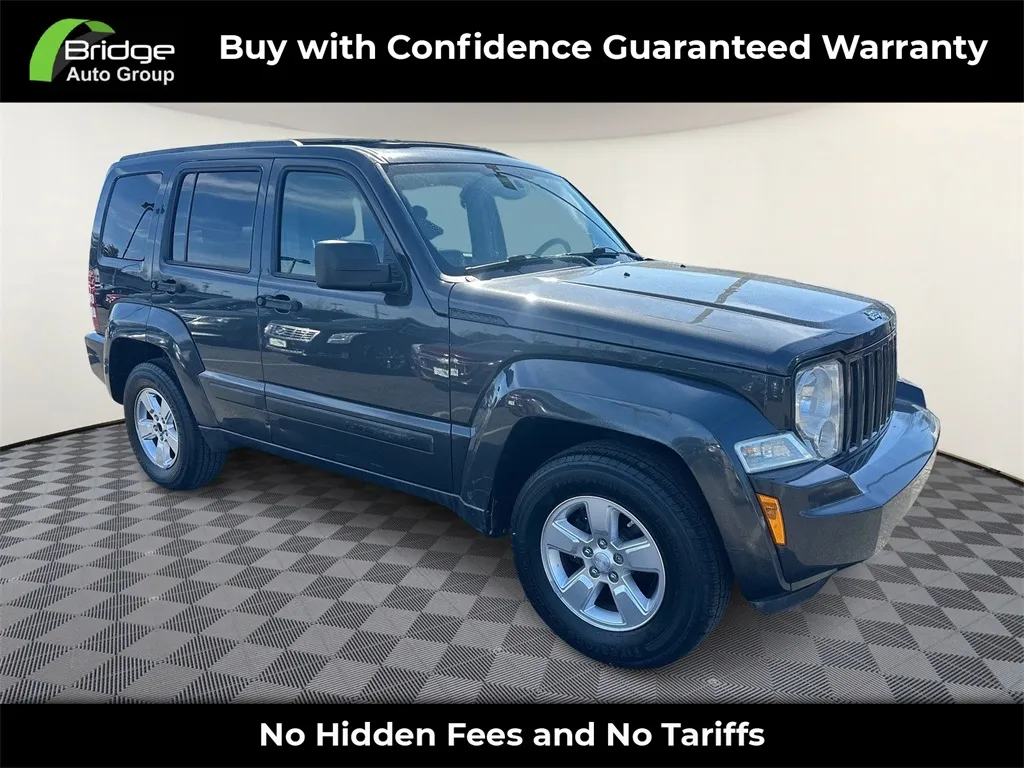
If you’re thinking of buying a used Jeep Liberty Sport, pay extra attention to:
- Rust on the frame or underbody – Many Liberty Sports are used in snowy areas or off-road, which increases rust risk.
- Transmission shifts – Test drive at different speeds. Rough or delayed shifts may signal problems.
- 4WD system – Make sure it engages smoothly and does not make grinding noises.
- Window operation – Check all windows since the regulators often fail.
- Suspension noise – Listen for clunks over bumps, which can mean worn parts.
A detailed pre-purchase inspection by a mechanic is always wise. Some issues, like window regulators, are common but not expensive.
Others, like transmission failure or heavy rust, can be deal-breakers.
Non-obvious Insights
Many buyers focus only on the Jeep brand and off-road ability. But there are two things beginners often miss:
- The Liberty Sport’s unibody construction (not full frame) makes it lighter but less suitable for heavy-duty towing compared to some older Jeeps.
- Interior materials are hard-wearing but can look worn fast, especially on the driver’s seat and steering wheel. This doesn’t always mean high mileage—just normal Jeep aging.
Who Should (and Shouldn’t) Buy One
The Jeep Liberty Sport is a smart choice if you:
- Want a true SUV for off-road adventures or winter driving.
- Need lots of cargo space in a small package.
- Like the classic Jeep style and don’t mind basic features.
It’s not the best choice if you:
- Drive long distances and need good fuel economy.
- Want the latest tech or a luxury interior.
- Prefer a smooth, quiet ride.
You’ll find more on the Liberty Sport’s history and specs at the official Jeep Liberty Wikipedia page.
A final tip: If you find a Liberty Sport with full service records and a clean rust-free body, it can be a solid and affordable SUV for the right person.
Frequently Asked Questions
Is The Jeep Liberty Sport Expensive To Maintain?
Maintenance costs are average for a small SUV, but some repairs like the transmission or window regulators can add up. Regular servicing helps prevent big expenses.
How Long Does A Jeep Liberty Sport Last?
With good care, many Liberty Sports reach 150,000–200,000 miles. Rust and poor maintenance are the main reasons they don’t last as long.
Is The Jeep Liberty Sport Good For Winter Driving?
Yes, the 4WD system and ground clearance make it strong in snow and ice. Just use proper winter tires for the best safety.
Does The Liberty Sport Have Any Known Recalls?
Yes, there have been recalls for issues like rear suspension and fuel tanks. Check the VIN with the NHTSA database to see if all recalls are fixed.
What Years Are Best For The Jeep Liberty Sport?
2007 2012 models have fewer issues with window regulators and electronics. Always check for a full service history and avoid heavily rusted models.
The Jeep Liberty Sport is a unique mix of off-road ability and practicality, but it’s important to know its quirks before you buy. With careful shopping, it can be a fun and useful SUV for many drivers.