Are Jeep Grand Cherokees Expensive To Fix?
Many people love the Jeep Grand Cherokee for its comfort, power, and off-road ability. But before buying one, a common question is: are Jeep Grand Cherokees expensive to fix?
Repair costs can surprise many owners, especially if they are used to smaller or simpler vehicles. Understanding what drives these costs and what to expect can help you avoid headaches and make better decisions.
What Affects Repair Costs For Jeep Grand Cherokees?
Several factors impact how expensive it is to fix a Jeep Grand Cherokee. Let’s break down the main reasons:
- Parts Prices: Grand Cherokees use both standard and unique parts. Some are shared with other vehicles, but others, especially for higher trims or 4×4 systems, can be costly.
- Labor Rates: More advanced features and electronic systems mean more time and skill to repair, which increases labor costs.
- Model Year: Older models may have cheaper parts but can need more frequent repairs. Newer models have pricier technology and sometimes require dealership-only service.
- Trim Level: High-end trims like the Summit or Trackhawk often have expensive components (air suspension, advanced safety features).
Common Repairs And Typical Costs
To understand if Grand Cherokees are expensive to fix, let’s look at some common repairs and their average prices in the US.
| Repair | Estimated Cost Range |
|---|---|
| Brake Pad Replacement | $250 – $400 |
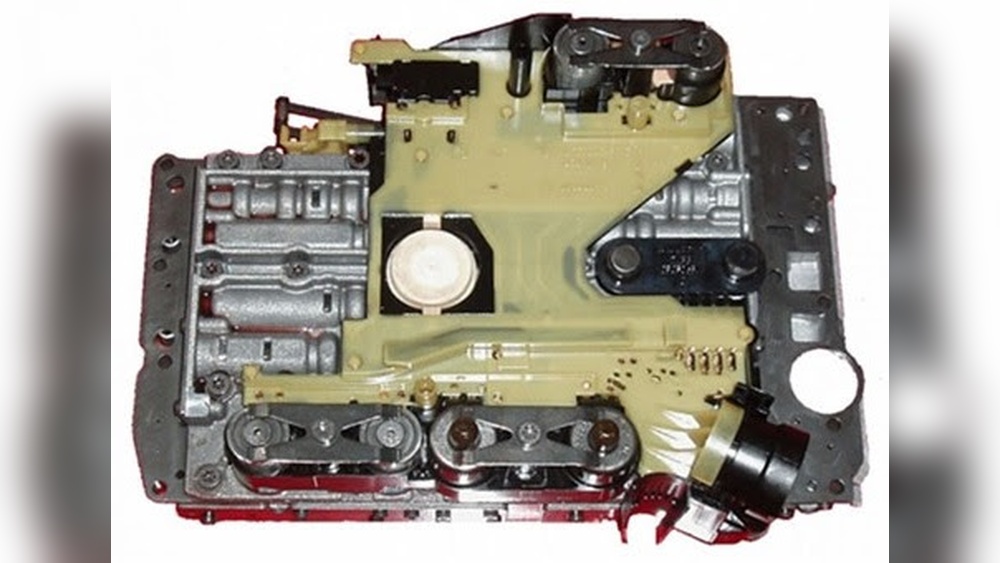
| Transmission Repair | $1,800 – $3,500 |
| Water Pump Replacement | $500 – $900 |
| Suspension/Air Suspension | $1,000 – $3,000 |
| Alternator Replacement | $500 – $900 |
Transmission repairs are often the most expensive, especially on older models with high mileage. Air suspension issues, common in top trims, can also surprise owners with high bills.

Comparing Grand Cherokee To Other Suvs
Is the Jeep Grand Cherokee more expensive to fix than similar SUVs? Here’s a comparison with some popular midsize SUVs:
| Model | Average Annual Repair Cost |
|---|---|
| Jeep Grand Cherokee | $666 |
| Ford Explorer | $732 |
| Toyota 4Runner | $514 |
| Honda Pilot | $542 |
| Chevrolet Blazer | $573 |
As you can see, the Grand Cherokee sits in the middle. It’s not the cheapest, but it’s also not the priciest. Models like the Toyota 4Runner and Honda Pilot are less costly to fix, while the Ford Explorer can be more expensive.
Reliability And Frequency Of Repairs
The Grand Cherokee has a mixed reputation for reliability. Some model years, especially early 2010s, had frequent electrical or transmission issues. Later models improved, but some problems remain:
- 2011-2014: Known for electrical and transmission problems.
- 2015-2019: Fewer issues, but air suspension and infotainment glitches still common.
- 2020+: Improved reliability, but higher repair costs due to advanced tech.
High repair costs often come from less frequent, but bigger, repairs. For example, fixing a transmission or air suspension can be rare, but expensive.
Regular maintenance, like oil changes and brake pads, is similar to other SUVs.
Non-obvious Costs And Insights
Many buyers miss some hidden costs:
- 4×4 System Repairs: Grand Cherokees are popular for their 4×4 systems. Repairs to these systems (transfer cases, differentials) are more expensive than on two-wheel-drive SUVs.
- Dealer-Only Parts: Some newer models require parts or programming only a Jeep dealer can provide, which means higher costs and fewer repair options.
- Insurance Impact: Because repairs can be costly, insurance premiums are sometimes higher than for similar SUVs.
- Aftermarket vs. OEM: Using aftermarket parts can lower costs, but may affect reliability or warranty.
How To Lower Repair Costs
If you want to keep costs down, consider these tips:
- Choose Simpler Trims: Lower trims have fewer expensive features that can break.
- Regular Maintenance: Preventive care often stops small problems from becoming big ones.
- Find a Good Independent Mechanic: Not every repair needs a dealer. A trusted mechanic can often do quality work for less.
- Research Before Buying: Some years and trims are known for problems. Check owner forums and vehicle history reports.
- Consider an Extended Warranty: If you buy a used Grand Cherokee, a warranty can protect you from surprise repair bills.

Real-world Example
One owner of a 2015 Grand Cherokee reported spending $1,200 on a suspension repair at 90,000 miles. Another had a $2,500 bill for transmission work on a 2012 model.
These are not everyday repairs, but they show how costs can add up quickly.
Are Jeep Grand Cherokees Worth The Cost?
For many, the Grand Cherokee’s comfort, towing power, and off-road ability outweigh the risk of higher repair bills. But if low maintenance costs are your top priority, other SUVs like the Toyota 4Runner may be a better choice. Still, with careful shopping and regular care, many owners enjoy years of good service without huge expenses.
For more details on average repair costs and reliability, check the full breakdown at RepairPal.
Frequently Asked Questions
How Often Do Jeep Grand Cherokees Need Repairs?
Most owners report minor repairs every 1-2 years, with major repairs usually after 80,000 miles. Regular maintenance helps prevent larger issues.
Are Newer Grand Cherokees More Expensive To Fix?
Yes, newer models often have more advanced electronics and safety features, which can be costly to repair. Some repairs require dealer-only tools or parts.
Do All Grand Cherokees Have Expensive Air Suspension?
No, only higher trims like the Overland or Summit have air suspension. Lower trims have simpler, cheaper suspension systems.
Is It Cheaper To Fix A Grand Cherokee Yourself?
DIY repairs can save money, especially for simple jobs like brakes or oil changes. However, complex systems (transmission, electronics) usually need a professional.
What Is The Most Expensive Repair On A Jeep Grand Cherokee?
Transmission replacement or major engine work are usually the most expensive, often costing $2,000–$4,000 depending on model and year.