Many people search for classic pickup trucks with character, and the Jeep Comanche stands out. But you might wonder: are Jeep Comanches rare?
Let’s explore the facts, history, and market trends that make the Comanche a unique find today. If you’re considering a Comanche or simply curious about its scarcity, this article gives you a clear answer—and helps you understand why.
What Is The Jeep Comanche?
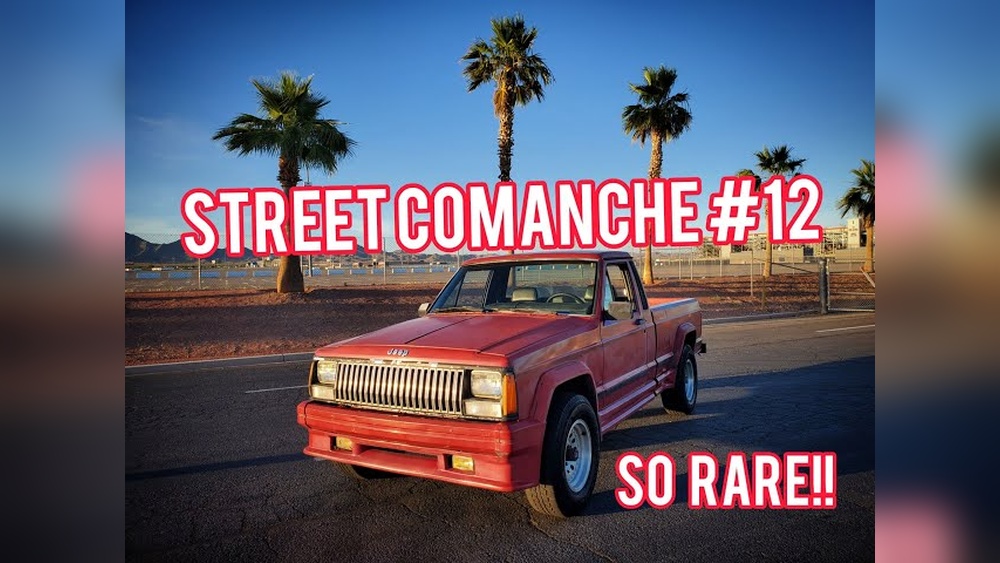
The Jeep Comanche was a compact pickup truck built by Jeep from 1985 to 1992. It shared much of its design with the Jeep Cherokee XJ, giving it a strong reputation for durability. Jeep produced two main models: the MJ (Comanche) with short and long beds. The Comanche offered:
- 4WD or 2WD options
- Four-cylinder and six-cylinder engines
- Manual or automatic transmissions
The Comanche was popular among off-road enthusiasts, thanks to its sturdy frame and adaptable suspension. However, it never achieved the same sales success as other pickups of its era.
Production Numbers: How Many Were Made?
Rarity starts with production numbers. Jeep only made around 190,000 Comanches over its eight-year run. Compared to competitors like the Ford Ranger and Toyota pickup, this was low.
Let’s see how Comanche production compares to other compact trucks from the same years.
| Truck Model | Production Years | Total Units Produced |
|---|---|---|
| Jeep Comanche | 1985-1992 | ~190,000 |
| Ford Ranger | 1983-1992 | ~1,200,000 |
| Toyota Pickup | 1985-1992 | ~900,000 |
Jeep Comanche numbers are much lower than those rivals. This gives a clue to its rarity.

Survival Rate: How Many Comanches Are Left?
Not every Comanche built in the ’80s and ’90s survived. Trucks often face heavy use, rust, and accidents. Experts estimate that less than 10% of original Comanches remain roadworthy in the US.
That means fewer than 19,000 Comanches might still exist. Some are in junkyards, others kept as restoration projects. This low survival rate is a big factor in their rarity.
Here’s a quick look at estimated survival rates for similar trucks:
| Truck Model | Estimated Survival Rate | Approximate Units Left |
|---|---|---|
| Jeep Comanche | ~10% | ~19,000 |
| Ford Ranger | ~20% | ~240,000 |
| Toyota Pickup | ~15% | ~135,000 |
The numbers show Comanches are much harder to find today.
Unique Features And Model Variations
Comanche owners enjoy some features that make the truck special. For example:
- Unibody construction (rare for pickups)
- Optional Dana 44 rear axle for heavy-duty use
- Rare trims like Pioneer, Chief, and Eliminator
The Eliminator was especially sought-after, with sporty styling and the powerful 4. 0L engine.
Finding a Comanche in good condition, especially rare trims, is even more difficult.
Non-obvious Insights
- Many Comanches were used for work, so few were kept in pristine condition. This means clean, original examples are much rarer than just “any” Comanche.
- Parts can be a challenge because the Comanche’s bed and frame are unique, not shared with other Jeep models. This makes restoration harder, which discourages some buyers.

Current Market Trends
Interest in classic trucks has grown, making the Comanche more desirable. Prices have risen in recent years, especially for low-mileage or rust-free trucks.
Here’s how Comanche prices compare to other trucks:
| Truck Model | Average Price (2024) | Condition |
|---|---|---|
| Jeep Comanche | $7,000 – $15,000 | Good/Restored |
| Ford Ranger | $4,000 – $10,000 | Good/Restored |
| Toyota Pickup | $8,000 – $18,000 | Good/Restored |
The Comanche is not the most expensive, but its price is climbing. That’s mostly due to rarity and collector demand.
Why Are Jeep Comanches Rare?
Several reasons explain the Comanche’s scarcity:
- Low production numbers: Jeep never made many Comanches.
- Hard use and age: Many were work trucks and didn’t survive.
- Unique parts: Restoration is tougher, so fewer are restored.
- Collector interest: Demand is rising, but supply is shrinking.
Another insight: Jeep stopped making pickups after the Comanche, until the Gladiator in 2020. This gap makes the Comanche even more special for fans.

Tips For Finding And Buying A Jeep Comanche
If you want to buy a Comanche, keep these things in mind:
- Check for rust, especially on the frame and bed.
- Look for original parts: Some owners swap Cherokee parts, which affects value.
- Ask about history: Trucks with single owners or detailed records are safer bets.
- Join Jeep forums: Many Comanche owners share tips and listings online.
One common mistake: buyers rush into purchases without checking parts availability. Always check if key parts (like bed panels, trim) are available before buying.
If you want more detailed production stats or history, you can visit Wikipedia.
Frequently Asked Questions
Is The Jeep Comanche Considered A Classic?
Yes, the Jeep Comanche is now seen as a classic truck. Its unique design and history make it popular among collectors and enthusiasts.
How Hard Is It To Find A Jeep Comanche For Sale?
Finding a Jeep Comanche for sale is challenging. Most listings are in specialized forums or classic car websites, and good-condition trucks sell quickly.
What Makes The Comanche Different From Other Jeeps?
The Comanche uses a unibody design and has a separate bed, unlike other Jeeps. It shares parts with the Cherokee but has distinct features.
Are Parts Easy To Find For Jeep Comanches?
Some Comanche parts are difficult to find, especially bed panels and trim. Engine and mechanical parts are easier since they match Cherokee models.
Why Did Jeep Stop Making The Comanche?
Jeep ended Comanche production in 1992 because pickup sales were low, and the company wanted to focus on SUVs. The Comanche was their last pickup until the Gladiator.
The Jeep Comanche’s rarity is clear when you look at production numbers, survival rates, and market trends. It’s a unique truck, loved by enthusiasts and collectors.
If you find one in good shape, it’s a true prize—and a piece of Jeep history.