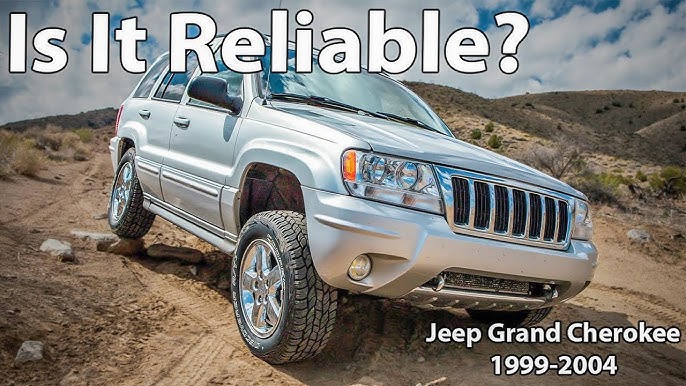
The 2004 Jeep Grand Cherokee holds a unique place in the world of SUVs. Many drivers remember it as a rugged, classic American vehicle. But when it comes to reliability, opinions often differ. Some owners praise its strong performance, while others mention costly repairs.
If you’re thinking about buying one or simply want to know more, it’s important to look beyond surface impressions and understand what really matters.
What Makes The 2004 Jeep Grand Cherokee Stand Out?
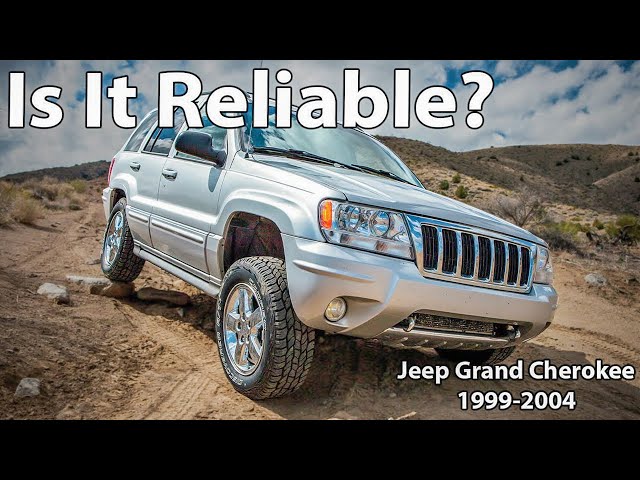
The 2004 model was part of the second generation (WJ) of Grand Cherokees, produced from 1999 to 2004. Jeep built this SUV for both on-road comfort and off-road adventure. It featured a unibody design, which made it lighter and more agile than many competitors with body-on-frame construction.
You could choose from several engines:
- 4.0L inline-six (known for durability)
- 4.7L V8 (offered more power)
- 4.7L High-Output V8 (found in the Overland trim)
The 4. 0L engine, in particular, earned a reputation for lasting well over 200,000 miles with proper care.
Common Reliability Issues
Every vehicle has its weak points, and the 2004 Grand Cherokee is no exception. Here’s what owners and mechanics often report:
- Electrical problems: Issues with power windows, door locks, and interior lights are common. The Blend Door in the HVAC system often fails, leading to heating and cooling troubles.
- Transmission concerns: Some owners experience rough shifting or slipping, especially with higher mileage.
- Suspension wear: The front suspension can develop clunks or vibrations. Ball joints and bushings are typical culprits.
- Cooling system leaks: Radiator and water pump problems may appear, especially after 100,000 miles.
- Rust: In regions with heavy road salt, you might find rust under the body.
While these problems sound serious, many are fixable and do not always signal a vehicle is “unreliable.” Parts for the Grand Cherokee are widely available and generally affordable.
Owner Satisfaction And Longevity
Many drivers keep their 2004 Grand Cherokees for over a decade. According to data from automotive research sites, the vehicle’s average lifespan is 180,000–220,000 miles with routine maintenance.
Here’s a simple comparison with similar SUVs from the same era:
| Model | Average Lifespan (miles) | Owner Satisfaction (out of 5) |
|---|---|---|
| 2004 Jeep Grand Cherokee | 200,000 | 3.7 |
| 2004 Ford Explorer | 180,000 | 3.5 |
| 2004 Toyota 4Runner | 250,000 | 4.5 |
Non-obvious insight: Regular transmission fluid changes greatly improve this Jeep’s longevity, but many owners skip this maintenance step.
Cost Of Ownership
It’s important to consider not just initial price but also yearly expenses. The 2004 Grand Cherokee is relatively affordable to buy used, but maintenance costs can add up if previous owners neglected care.
| Expense Type | Average Annual Cost (USD) |
|---|---|
| Oil changes & fluids | $120 |
| Brake service | $250 |
| Suspension repairs | $350 |
| Major repairs (e.g. transmission) | $800+ |
Practical tip: If you’re considering a used Grand Cherokee, always ask for service records and look for signs of deferred maintenance.
Off-road Capability Vs. Daily Use
One reason people love the Grand Cherokee is its off-road ability. The 2004 model features solid ground clearance, available four-wheel drive, and strong axles. However, these strengths come with a tradeoff: the ride can feel stiff on city streets, and fuel economy is not great (usually 14–18 mpg combined).
If you mostly drive on highways, you might notice more road noise and a heavier feel compared to newer, more refined SUVs.
Real-world Owner Experiences
Many owners report that the 2004 Grand Cherokee is dependable if maintained well. Common praise includes:
- Strong engine performance
- Capable in snow or mud
- Comfortable seating for long trips
However, a few issues stand out in owner forums:
- Dashboard lights sometimes flicker due to electrical quirks
- Rear window regulators often fail
Non-obvious insight: Aftermarket parts can sometimes cause more trouble than they solve. Stick to OEM (original equipment manufacturer) parts for best results.
How The 2004 Grand Cherokee Compares Today
While the 2004 Grand Cherokee is not as refined as modern SUVs, it still holds its own in several areas. For people who value classic Jeep styling and strong off-road capability, it’s a solid choice.
But for those wanting the latest technology, quiet cabins, or high fuel efficiency, a newer model may be a better fit.
Here’s a quick look at how it stacks up against a more modern SUV:
| Feature | 2004 Jeep Grand Cherokee | 2024 Jeep Grand Cherokee |
|---|---|---|
| Engine Options | 3 (incl. V8) | 4 (incl. hybrid) |
| MPG (combined) | 14–18 | 23–26 |
| Safety Features | Basic | Advanced (lane assist, etc.) |
| Technology | Minimal | Modern infotainment |
Final Thoughts
The 2004 Jeep Grand Cherokee can be a reliable vehicle for the right owner. Its bulletproof engines, especially the 4.0L inline-six, are a highlight. However, it does require regular maintenance, and some repairs can be expensive if neglected. It’s best for drivers who appreciate its blend of ruggedness and comfort, and who are ready to invest time in upkeep.
If you want a budget-friendly SUV with true off-road ability and are comfortable with the possibility of repairs, the 2004 Grand Cherokee is worth considering. Just be sure to do your homework and get a thorough inspection before buying.
For more details about Jeep Grand Cherokee history, visit the Jeep Grand Cherokee Wikipedia page.
Frequently Asked Questions
Is The 2004 Jeep Grand Cherokee Expensive To Maintain?
Maintenance costs are moderate compared to other SUVs, but can rise if major parts like the transmission or suspension need work. Regular care helps avoid big expenses.
Which Engine Is Most Reliable In The 2004 Grand Cherokee?
The 4.0L inline-six engine is widely known for reliability and longevity, often running beyond 200,000 miles with proper maintenance.
What Are The Most Common Problems With This Model?
Owners often report electrical issues, HVAC blend door failures, and suspension wear. Most of these problems are well documented and repairable.
Is The 2004 Grand Cherokee A Good Off-road Vehicle?
Yes, it offers strong off-road performance with available four-wheel drive, solid axles, and good ground clearance. It’s a favorite among off-road enthusiasts.
How Does It Compare To A Toyota 4runner From The Same Year?
The Toyota 4Runner is typically more reliable and has higher resale value, but the Grand Cherokee is more affordable and offers a smoother ride on pavement.