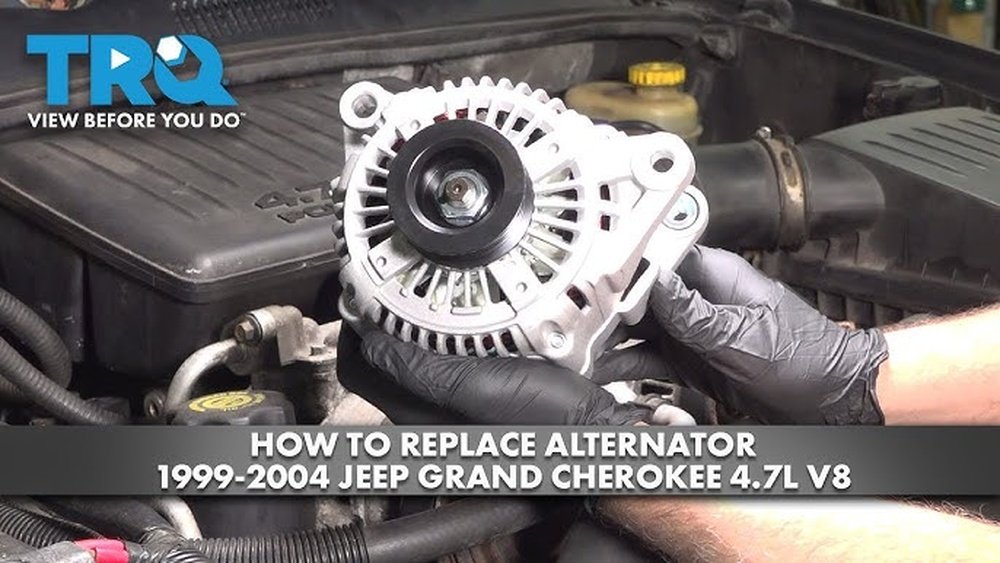
The alternator is a crucial part of your 1999 Jeep Grand Cherokee's electrical system. It’s responsible for converting mechanical energy from the engine into electrical energy to power your vehicle's accessories and recharge the battery.
Without a working alternator, your Jeep would eventually run out of power, leaving you stranded. Understanding how your alternator works, common problems, and how to maintain it is essential for any Grand Cherokee owner.
This guide will walk you through everything you need to know about the alternator for your 1999 Jeep Grand Cherokee.
Understanding The Alternator’s Role
Your 1999 Jeep Grand Cherokee uses its alternator to keep everything powered up while the engine is running. Think of it as the vehicle's personal power generator.
When the engine turns, it spins a pulley connected to the alternator. Inside the alternator, this spinning motion drives a rotor within a stator.
This process creates an alternating current (AC), which is then converted into direct current (DC) by a component called a rectifier. This DC power is what your Jeep’s battery and electrical systems need.
The alternator also has a voltage regulator. This important part ensures the alternator doesn't produce too much or too little voltage.
If it produced too much, it could damage your battery and electronic components. If it produced too little, your battery wouldn't get recharged, and your accessories might not work correctly.
The ideal voltage for most vehicles, including your 1999 Grand Cherokee, is typically between 13. 5 and 14. 5 volts when the engine is running.
Signs Of A Failing Alternator
Recognizing the symptoms of a failing alternator early can save you from unexpected breakdowns and potentially more expensive repairs. Your Jeep will often give you clues that something is wrong with its charging system.
One of the most common indicators is a dashboard warning light. Many vehicles, including the 1999 Grand Cherokee, have a battery-shaped warning light or a red light that illuminates when the alternator isn’t charging properly. This light means the system is running on battery power alone, and once the battery is depleted, the engine will stop.
You might also notice dimming headlights or interior lights. If your headlights flicker or appear dimmer than usual, especially when you accelerate or turn on other electrical components like the radio or air conditioning, it’s a strong sign the alternator is struggling to keep up with the electrical demand.
Another symptom is strange noises. Alternators have bearings that can wear out over time. If you hear a grinding, whining, or squealing sound coming from the front of the engine, particularly when it’s running, it could be a sign of a failing alternator bearing.
Finally, electrical issues beyond dimming lights can occur. This might include power windows moving slower than usual, the radio acting up, or other electronic accessories malfunctioning. In severe cases, the vehicle might stall unexpectedly because the battery has run out of power.
Common Alternator Problems For The 1999 Jeep Grand Cherokee
While alternators are generally reliable, they can develop issues over time. For a 1999 Jeep Grand Cherokee, some common problems include wear and tear on internal components, belt issues, and electrical connection problems.
Worn Bearings
Like any mechanical part with moving components, the bearings inside the alternator can wear out. This is a common cause of the whining or grinding noises mentioned earlier. When the bearings fail, they can seize up, causing the alternator to stop spinning or spin erratically, leading to a loss of charging capacity.
Worn Brushes
Inside the alternator are carbon brushes that make contact with the spinning rotor to transfer electrical current. Over time, these brushes wear down. When they become too short, they can no longer make proper contact, preventing the alternator from generating electricity. This is a common wear-and-tear issue.
Faulty Voltage Regulator
The voltage regulator is responsible for controlling the output voltage of the alternator. If it fails, the alternator might overcharge or undercharge the battery. An overcharged battery can lead to overheating and damage, while an undercharged battery will eventually leave you with a dead vehicle.
Damaged Rectifier
The rectifier converts the AC power produced by the alternator into DC power needed by the vehicle. If the diodes within the rectifier fail, the alternator will not be able to produce the correct type of current, or any current at all. This can manifest as a loss of charging power.
Belt Slippage
The alternator is driven by a serpentine belt connected to the engine’s crankshaft. If this belt is old, cracked, or loose, it can slip on the alternator pulley. This slippage means the alternator isn’t spinning as fast as it should, resulting in insufficient charging. A worn or misaligned tensioner pulley can also cause belt slippage.
Testing Your Alternator
Before deciding to replace your alternator, it’s a good idea to test it to confirm it’s the source of your problems. You can do this with a multimeter or by taking your Jeep to an auto parts store that offers free testing.
Using A Multimeter
- Start the Engine: Turn on your 1999 Jeep Grand Cherokee’s engine.
- Set the Multimeter: Set your multimeter to the DC voltage setting, typically marked with “VDC” or a “V” with a straight line above it.
- Connect the Leads: Place the red (positive) probe of the multimeter on the positive (+) terminal of your battery and the black (negative) probe on the negative (-) terminal.
- Read the Voltage (Engine Off): Note the voltage reading with the engine off. A fully charged battery should read around 12.6 volts.
- Read the Voltage (Engine On): With the engine running, the voltage should increase. A healthy alternator should produce between 13.5 and 14.5 volts.
- Test Under Load: Turn on accessories like headlights, the radio, and the blower fan. The voltage should remain relatively stable within the 13.5-14.5 volt range. If the voltage drops significantly below 13 volts when accessories are turned on, or if it stays below 13.5 volts with the engine running, your alternator is likely failing.
Auto Parts Store Testing
Most major auto parts retailers offer free battery and alternator testing. They have specialized equipment that can quickly diagnose the health of your charging system.
You can often drive your Jeep directly to their service bay, and they will perform the test on the spot.
This is a convenient option if you’re unsure how to use a multimeter or want a professional opinion.
Replacing The Alternator
If your tests confirm the alternator needs replacement, it’s a job that can be done at home with some mechanical knowledge and the right tools.
Tools And Parts Needed
- New Alternator: Ensure you get the correct alternator for your 1999 Jeep Grand Cherokee. Alternators vary in amperage (output capacity), so match it to your original or an upgraded specification if needed.
- Socket Set and Wrenches: You’ll need various sizes, likely including 10mm, 13mm, and possibly others depending on specific bolts.
- Serpentine Belt Tool: This specialized tool can help release tension on the belt tensioner, making it easier to remove and reinstall the belt.
- Breaker Bar: Useful for loosening stubborn bolts.
- Pry Bar: May be needed to maneuver the alternator into place.
- Safety Glasses and Gloves: For personal protection.
- Optional: A torque wrench to ensure bolts are tightened to the manufacturer’s specifications.
Step-by-step Replacement Guide
- Disconnect the Battery: Crucially, disconnect the negative (-) battery terminal first. This prevents accidental short circuits.
- Locate the Alternator: The alternator is typically mounted on the front of the engine, driven by the serpentine belt. Consult your Jeep’s service manual for the exact location on your 1999 Grand Cherokee.
- Remove the Serpentine Belt: Use the serpentine belt tool to release tension on the belt tensioner. Carefully slip the belt off the alternator pulley. You may want to note or take a picture of the belt routing for reinstallation.
- Disconnect Electrical Connectors: There will be electrical connectors attached to the alternator. Carefully unclip or unbolt these. There might be a main power wire (often a large nut) and a smaller connector for the voltage regulator.
- Remove Mounting Bolts: The alternator is usually held in place by two or three mounting bolts. Loosen and remove these bolts. One bolt might act as a pivot point.
- Remove the Old Alternator: Once the bolts are out and electrical connections are removed, the alternator should be free. You might need to gently pry it or wiggle it to remove it from its mounting bracket.
- Install the New Alternator: Place the new alternator into the mounting bracket. Ensure it aligns correctly. You might need to use a pry bar to help position it.
- Install Mounting Bolts: Reinstall the mounting bolts and tighten them snugly. Don’t fully tighten them yet if one is a pivot bolt; you’ll need to adjust its position to get the belt tension right.
- Reconnect Electrical Connectors: Reattach the electrical connectors and the main power wire to the new alternator.
- Reinstall the Serpentine Belt: Route the serpentine belt correctly around all the pulleys. Use the belt tensioner tool to create slack, slip the belt onto the alternator pulley, and then release the tensioner. Ensure the belt is properly seated on all pulleys.
- Tension the Belt: If your alternator has an adjustable pivot bolt, you’ll need to adjust the alternator’s position to achieve the correct belt tension. The belt should have about 1/2 inch of play up and down. Tighten the pivot bolt and any other mounting bolts securely.
- Reconnect the Battery: Reconnect the negative (-) battery terminal.
- Test the System: Start the engine and check the dashboard warning light. It should turn off. Use your multimeter to verify the charging voltage is between 13.5 and 14.5 volts.
Choosing The Right Replacement Alternator
When selecting a replacement alternator for your 1999 Jeep Grand Cherokee, consider the following:
- Amperage Rating: Alternators come with different amperage (A) ratings. Your stock alternator likely has a specific rating (e.g., 90A, 110A). If you have added many aftermarket electrical accessories (powerful sound systems, extra lighting, winches), you might consider an alternator with a higher amperage rating to ensure it can handle the increased electrical load.
- Brand Reputation: Opt for reputable brands known for quality and reliability. While cheaper, unbranded alternators might seem appealing, they can fail prematurely, leading to more hassle and expense down the line.
- Warranty: Check the warranty offered with the new alternator. A longer warranty period (e.g., 2-3 years) often indicates the manufacturer’s confidence in their product’s durability.
- New vs. Remanufactured: You can often choose between a brand-new alternator or a remanufactured one. Remanufactured alternators are typically less expensive and have been rebuilt with new or reconditioned parts. Ensure any remanufactured unit comes with a good warranty.
Maintaining Your Alternator
Proper maintenance can extend the life of your alternator and prevent premature failure.
Regular Inspections
Periodically inspect the alternator for any visible signs of damage, such as cracks in the housing or corrosion on electrical connections. Also, check the serpentine belt for cracks, fraying, or glazing. A worn belt can slip and cause charging issues.
Belt Tension
Ensure the serpentine belt has the correct tension. A belt that is too loose will slip, reducing charging efficiency.
A belt that is too tight can put excessive strain on the alternator's bearings, leading to premature failure. If you're unsure about belt tension, have it checked during routine maintenance.
Keep It Clean
While not always easy, try to keep the alternator relatively clean. Excessive dirt, oil, or debris can sometimes interfere with its cooling fins or potentially work their way into the bearings.
Battery Health
A healthy battery is vital for the charging system. A weak or failing battery can put an extra strain on the alternator as it tries to compensate.
Ensure your battery terminals are clean and free of corrosion.
Understanding Alternator Output Specifications (1999 Jeep Grand Cherokee)
For the 1999 Jeep Grand Cherokee, the alternator output can vary slightly depending on the specific engine and trim level. However, common specifications include:
- Standard Output: Many 1999 Grand Cherokees equipped with the 4.0L inline-6 engine came with alternators rated around 90 to 110 Amps.
- Higher Output Options: Some models, especially those with the 4.7L V8 engine or certain heavy-duty packages, might have been equipped with alternators rated at 117 Amps or higher.
It is essential to verify the correct amperage rating for your specific vehicle. You can usually find this information on a sticker on the alternator itself, in your owner’s manual, or by looking up your vehicle’s specifications online using its VIN.
If you plan to add significant electrical accessories, upgrading to a higher amperage alternator is a wise consideration.
Common Causes Of Alternator Failure
Several factors can lead to an alternator failing prematurely. Understanding these can help you avoid them.
- Underhood Heat: The engine bay of a vehicle generates a lot of heat. This constant exposure to high temperatures can degrade the alternator’s internal components over time, especially the diodes and voltage regulator.
- Electrical Overload: Consistently running too many high-draw accessories (powerful stereos, extra lights, seat heaters) can push the alternator beyond its designed capacity. This constant strain can cause it to overheat and wear out faster.
- Belt Issues: As mentioned, a loose or slipping belt means the alternator isn’t spinning fast enough to produce adequate power. Conversely, a belt that’s too tight can damage the alternator’s bearings.
- Battery Problems: A shorted cell in a battery can cause the alternator to work overtime trying to charge it, leading to overheating and premature failure. Similarly, a battery that is constantly deeply discharged and then recharged can also stress the alternator.
- Corrosion: Moisture and road salt can lead to corrosion on the alternator’s electrical terminals and internal components, impeding its performance and eventually causing failure.
- Age and Mileage: Like any mechanical part, alternators have a finite lifespan. Over years and many miles, components simply wear out from normal operation.

When To Consider An Upgrade
While replacing your alternator with a stock equivalent is often the most straightforward solution, there are times when an upgrade might be beneficial.