Enhance Your Mahindra Jeep: A Comprehensive Guide To Alloy Wheels
Your Mahindra Jeep is more than just a vehicle; it's a symbol of adventure, ruggedness, and freedom. Whether you own a classic Thar, a versatile Scorpio, or another model from the Mahindra lineup, the right wheels can transform its look, performance, and off-road capability.
Among the most popular upgrades are alloy wheels. They offer a stylish aesthetic and functional benefits that go beyond mere appearance.
This guide will explore everything you need to know about choosing, understanding, and maintaining alloy wheels for your Mahindra Jeep.
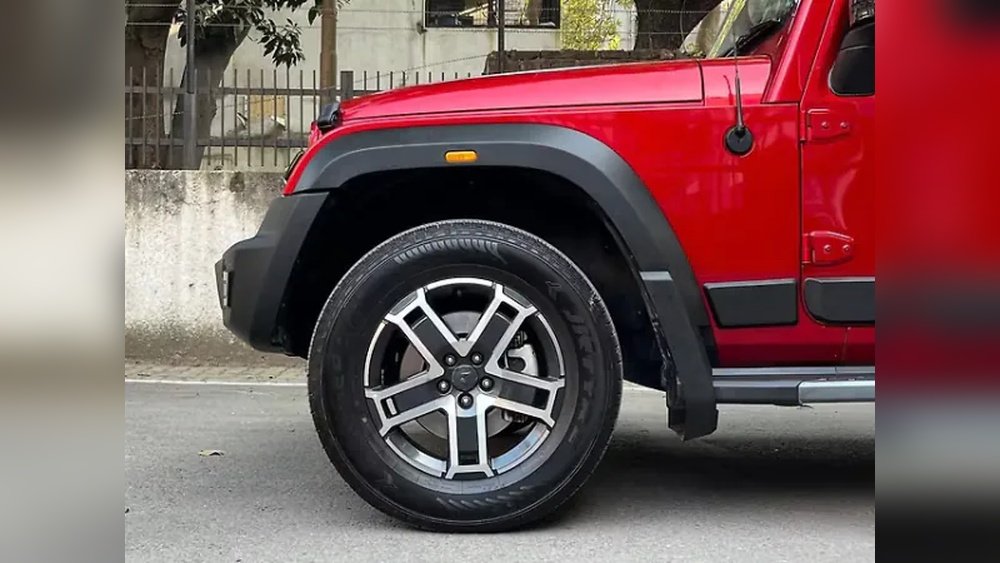
Alloy wheels are made from a mixture of metals, primarily aluminum and nickel. This composition makes them lighter and stronger than traditional steel wheels.
For an off-road-oriented vehicle like a Mahindra Jeep, the advantages are significant. Lighter wheels reduce unsprung weight, which can improve handling, acceleration, and braking.
Their increased strength is crucial for enduring tough terrains and absorbing impacts. Beyond performance, alloy wheels come in a vast array of designs, finishes, and sizes, allowing for extensive customization to match your personal style and driving needs.
Choosing the right alloy wheels involves considering several factors: size, offset, bolt pattern, load rating, and design. Each plays a vital role in ensuring compatibility, safety, and optimal performance. This guide will break down these technical aspects into easy-to-understand terms, helping you make an informed decision for your Mahindra Jeep. We’ll also touch upon the benefits of different alloy wheel materials and finishes, and how to care for them to keep your Jeep looking its best.
Understanding Alloy Wheel Specifications For Your Mahindra Jeep
Before you start browsing for shiny new rims, it’s essential to understand the technical specifications that dictate wheel fitment. These numbers and codes might seem daunting, but they are crucial for ensuring your chosen alloys will fit your Mahindra Jeep correctly and safely.
Mismatched specifications can lead to poor handling, damage to suspension components, and even dangerous driving conditions.
Wheel Diameter And Width
The diameter of a wheel is measured in inches and refers to the distance across the wheel from one edge to the other. Common diameters for Mahindra Jeeps range from 15 inches to 18 inches, though larger aftermarket options exist. Generally, a larger diameter wheel can accommodate a lower-profile tire, which can offer sharper steering response on paved roads. However, for off-roading, a larger diameter might mean less tire sidewall, which is essential for absorbing shocks and providing grip on uneven surfaces.
The width of a wheel, also measured in inches, refers to the distance between the inner and outer beads of the rim where the tire mounts. A wider wheel can accommodate a wider tire, which increases the tire’s contact patch with the ground. This can improve traction, especially in off-road conditions. However, a wider wheel and tire combination can also increase fuel consumption and may rub against the vehicle’s fenders or suspension components if not chosen carefully.
Bolt Pattern (pcd)
The bolt pattern, also known as the Pitch Circle Diameter (PCD), is a critical measurement that determines how the wheel attaches to the vehicle’s hub. It’s expressed as a two-part number: the number of bolt holes and the diameter of the circle on which these holes are centered. For example, a 5×114.3 PCD means there are five bolt holes spaced evenly around a circle measuring 114.3 millimeters in diameter.
Mahindra vehicles, including many Jeep models, often use specific bolt patterns. For instance, many Mahindra Thar and Scorpio models utilize a 5×114.3 mm (or 5×4.5 inches) bolt pattern. Some older models or specific variants might use a different pattern. It is absolutely vital to match the bolt pattern of the alloy wheel to your Jeep’s hub. Using wheels with an incorrect bolt pattern is unsafe and can lead to severe damage. Always double-check your Jeep’s owner’s manual or consult a professional if you are unsure.
Offset
Offset is a measurement that describes how a wheel is positioned relative to its mounting surface (the part that bolts to the hub). It’s measured in millimeters (mm) and indicates the distance between the centerline of the wheel and the actual mounting plane.
- Positive Offset: The mounting surface is closer to the outside of the wheel. This pushes the wheel inward towards the vehicle’s suspension. Most modern vehicles, including many Mahindra SUVs, come with positive offset wheels.
- Negative Offset: The mounting surface is further away from the outside of the wheel. This pushes the wheel outward, away from the vehicle’s suspension. Negative offsets are common on trucks and off-road vehicles to accommodate wider tires and improve stance.
- Zero Offset: The mounting surface is exactly in the center of the wheel.
Choosing the correct offset is crucial for several reasons. An incorrect offset can cause the tire to rub against the fenders, suspension components, or brakes. It can also affect the vehicle’s steering geometry, potentially leading to premature wear on wheel bearings and suspension parts, and impacting handling. For Mahindra Jeeps, especially those intended for off-road use, a slightly negative offset is often preferred to allow for wider tires and a more aggressive stance, but it must be within safe limits to avoid excessive strain on bearings.
Backspacing
Closely related to offset, backspacing is another way to measure wheel positioning. It’s the distance from the back of the wheel (the mounting surface) to the outer lip of the wheel. A larger backspacing generally means the wheel is mounted further inward on the hub. While offset is more commonly used in aftermarket wheel descriptions, understanding backspacing can be helpful, particularly when dealing with clearance issues for large brake calipers or suspension components.
Center Bore
The center bore is the hole in the center of the wheel that fits over the vehicle’s hub. If the center bore of the wheel is larger than the hub diameter, hub-centric rings are used. These are plastic or metal rings that fit into the wheel’s center bore and precisely match the vehicle’s hub diameter. They ensure the wheel is perfectly centered on the hub, which is vital for smooth operation, reducing vibrations, and preventing stress on the lug bolts. Using hub-centric rings is highly recommended when the wheel’s center bore doesn’t perfectly match the vehicle’s hub.
Load Rating
The load rating is a crucial safety specification. It indicates the maximum weight each wheel can safely support. This is especially important for heavier vehicles like SUVs and off-roaders, and for those who carry significant loads or engage in towing. Alloy wheels designed for your Mahindra Jeep must have a load rating that meets or exceeds the vehicle manufacturer’s original specification. Exceeding the load rating can lead to wheel failure, which can have catastrophic consequences. Always check the manufacturer’s specifications for your specific Mahindra model.
Popular Alloy Wheel Designs And Finishes For Mahindra Jeeps
Beyond the technical specifications, the aesthetic appeal of alloy wheels is a major draw. Manufacturers offer a vast array of designs and finishes to complement the rugged yet stylish nature of Mahindra Jeeps.
The right choice can significantly enhance your vehicle's personality.
Common Wheel Designs
- 5-Spoke: A classic and versatile design, 5-spoke wheels offer a clean, balanced look. They are available in various spoke thicknesses and shapes, from slim and elegant to chunky and robust, suiting both urban and off-road aesthetics.
- Multi-Spoke (6-Spoke and up): These designs provide a more intricate and dynamic appearance. More spokes can distribute stress more evenly, potentially adding strength. They can make smaller diameter wheels look larger and more detailed.
- Mesh/Grid Design: Characterized by a pattern of interconnected spokes forming a grid or mesh, these wheels offer a sophisticated and often sporty look.
- Off-Road Specific Designs: Many brands offer wheels specifically engineered for off-road use. These often feature thicker spokes, protective outer lips, and sometimes even beadlock-style aesthetics, emphasizing durability and toughness. Examples include designs that mimic the look of heavy-duty truck wheels.
- Concave Designs: These wheels feature spokes that curve inwards towards the center, creating a deep, aggressive look that can make a vehicle appear wider and more planted.
Popular Finishes
- Machined Face with Black Pockets: This is a very popular finish, combining a polished, machined aluminum face with black painted recesses between the spokes. It offers a high-contrast, premium look that is both stylish and practical, as the black pockets can hide brake dust.
- Gloss Black: A sleek, modern, and often aggressive finish that can make wheels appear larger. Gloss black is a versatile choice that complements a wide range of vehicle colors.
- Matte Black: Offers a more subdued, stealthy, and utilitarian look compared to gloss black. It’s also quite forgiving in terms of hiding dirt and minor imperfections.
- Gunmetal Grey: A sophisticated and understated finish that sits between silver and black. It provides a premium look without being overly flashy and is excellent at masking brake dust.
- Satin Silver/Hyper Silver: A bright, reflective finish that gives wheels a polished metallic look. It’s a classic choice that enhances the vehicle’s shine.
- Chrome: While less common on modern Jeeps due to its tendency to chip or pit in harsh conditions, chrome offers a high-gloss, mirror-like finish that is very eye-catching.
When selecting a design and finish, consider your Mahindra Jeep's primary use. For daily driving and occasional light trails, a machined face or gloss black might be ideal.
For serious off-roading, matte black or gunmetal grey might be more practical due to their ability to hide dirt and scratches.
Benefits Of Alloy Wheels For Mahindra Jeeps
Switching from standard steel wheels to alloy wheels offers several tangible benefits for your Mahindra Jeep, impacting everything from performance to aesthetics.
Improved Performance
One of the most significant advantages of alloy wheels is their lower weight compared to steel wheels. This reduction in unsprung weight (the weight not supported by the suspension, like wheels, tires, brakes, and suspension components) has a direct positive impact on performance:
- Better Handling: Lighter wheels allow the suspension to react more quickly to road imperfections, leading to a smoother ride and improved grip, especially around corners.
- Quicker Acceleration: Less rotational mass means the engine needs less energy to get the wheels spinning, resulting in slightly quicker acceleration.
- Improved Braking: Lighter wheels require less force to slow down, potentially leading to shorter braking distances.
- Enhanced Fuel Efficiency: Reduced weight across all four wheels can contribute to a modest improvement in fuel economy.
Enhanced Durability And Strength
Modern alloy wheels, especially those designed for off-road applications, are engineered to be incredibly strong. While they might be lighter than steel, their metallurgical composition and construction methods allow them to withstand significant impacts.
Many off-road-focused alloy wheels feature reinforced rims and thicker spokes to resist bending or cracking when encountering rocks, potholes, or other trail hazards.
Superior Heat Dissipation
Aluminum, the primary component in alloy wheels, is a better conductor of heat than steel. This property is beneficial for the braking system.
As brakes heat up during heavy use (like descending a steep hill or during spirited driving), alloy wheels help to dissipate this heat more effectively.
This can lead to more consistent braking performance and reduce the risk of brake fade.
Aesthetic Customization
This is often the primary driver for many buyers. Alloy wheels come in an almost endless variety of styles, finishes, and sizes.
This allows owners to personalize their Mahindra Jeep, giving it a unique look that stands out. Whether you prefer a subtle, elegant upgrade or a bold, aggressive stance, there's an alloy wheel design to match your vision.
Resistance To Corrosion
While not immune, high-quality alloy wheels with proper finishes (like powder coating or clear coats) generally offer better resistance to rust and corrosion compared to steel wheels, especially in environments where road salt or moisture is prevalent. This means they can maintain their appearance for longer with proper care.
Choosing The Right Alloy Wheels: Key Considerations
Selecting the perfect alloy wheels for your Mahindra Jeep requires balancing technical requirements, intended use, and personal preference. Here’s a breakdown of what to prioritize:
1. Intended Use: Road Vs. Off-road
This is the most crucial factor.
- Primarily Road Use: If your Jeep spends most of its time on paved roads, you can focus more on aesthetics and on-road performance. Larger diameter wheels (17-18 inches or more) with lower-profile tires can enhance steering response and provide a sportier look. Designs with more intricate spokes and polished or gloss finishes can look very sharp.
- Serious Off-Roading: For frequent off-road adventures, durability and practicality are paramount. Opt for wheels with:
- Smaller diameters (e.g., 15-16 inches): This allows for taller tires with more sidewall, which is crucial for absorbing impacts, providing better grip on uneven surfaces, and enabling lower tire pressures for increased traction.
- Stronger construction: Look for wheels specifically marketed for off-road use, often featuring reinforced lips and robust spoke designs.
- Negative offset: This helps to push the wheels out, providing more clearance for suspension components and allowing for wider tire fitment without rubbing.
- Practical finishes: Matte black or gunmetal grey are excellent choices as they hide scratches and mud better than polished or glossy finishes.
- Higher load rating: Essential for the stresses of off-road driving.
2. Fitment Verification
As discussed earlier, always verify the correct specifications:
- Bolt Pattern (PCD): Must match your Jeep’s hubs (e.g., 5×114.3mm for many Mahindras).
- Center Bore: Ensure it matches or use appropriate hub-centric rings.
- Offset: Choose an offset that provides adequate clearance for brakes, suspension, and fenders. A common upgrade for many Jeeps is a slightly negative offset (e.g., -10mm to -25mm) to accommodate wider tires, but research specific recommendations for your model.
- Diameter and Width: Select sizes that fit your tire choice and intended use.
Pro Tip: Many reputable wheel retailers have online fitment guides where you can input your Mahindra Jeep’s model and year to see compatible wheels. However, it’s always wise to double-check the specifications yourself or consult a professional tire and wheel shop.
3. Load Rating
Never compromise on the load rating. Ensure the wheels you choose can support at least the original equipment manufacturer (OEM) weight rating for your Jeep.
For heavy-duty use, look for wheels with a significantly higher load rating. You can usually find the OEM load rating in your owner's manual or on a sticker on the driver's side doorjamb.
4. Material And Construction
Most aftermarket wheels for Jeeps are made from aluminum alloy. However, there are different manufacturing processes:
- Casting:



















