Choosing The Right Air Filter For Your 2016 Jeep Cherokee
Your 2016 Jeep Cherokee relies on a clean supply of air to perform at its best. The engine air filter plays a crucial role in this process, acting as the first line of defense against dirt, dust, debris, and other harmful particles that can enter your engine.
Over time, this filter gets clogged, restricting airflow and leading to reduced performance, decreased fuel efficiency, and potentially expensive engine damage. Selecting the correct air filter is not just about replacing a worn-out part; it’s about ensuring your Jeep’s heart keeps beating strong.
This guide will help you understand the different types of air filters available, what to look for, and how to make the best choice for your specific needs and driving conditions.
The importance of a well-functioning air filter cannot be overstated. Imagine trying to breathe through a thick, dirty cloth, it’s difficult, right?
Your engine experiences something similar when its air filter is clogged. Restricted airflow means the engine has to work harder to suck in the air it needs for combustion.
This extra effort translates directly into lost power, especially noticeable during acceleration or when climbing hills. Furthermore, when the engine struggles for air, it can burn fuel less efficiently.
This means you’ll be visiting the gas station more often, spending more money on fuel.
In the long run, a consistently dirty or damaged air filter can allow abrasive particles to bypass the filter, causing wear and tear on critical engine components like cylinders, pistons, and valves. Replacing an air filter is a relatively inexpensive maintenance task that can prevent much larger, more costly repairs down the road.
Understanding Air Filter Types
When you look for an air filter for your 2016 Jeep Cherokee, you’ll encounter a few main types, each with its own advantages and disadvantages. The most common type is the disposable panel filter, often made of paper or synthetic material. These are designed for single use and are typically the most affordable option. Beyond these standard filters, you’ll also find reusable or high-flow filters, often made from cotton gauze or foam, which can be cleaned and reused.
Disposable Panel Filters
These are the OEM (Original Equipment Manufacturer) style filters. Most 2016 Jeep Cherokees come equipped with a disposable panel filter from the factory. They are designed to provide a good balance of filtration efficiency and airflow for normal driving conditions. Made from pleated paper or synthetic fibers, they trap a wide range of particles. Their primary advantage is their ease of use, once they’re dirty, you simply throw them away and install a new one. They are also generally the most budget-friendly upfront. However, their lifespan is limited, and they don’t offer the same level of airflow as performance-oriented filters.
Reusable High-flow Filters
High-flow filters, often marketed as performance filters, are designed to maximize airflow while still offering good filtration. They are typically made from layers of oiled cotton gauze or synthetic foam. The benefit of a high-flow filter is that it can potentially increase horsepower and improve throttle response due to better airflow. Because they are reusable, the long-term cost can be lower than constantly buying disposable filters. However, they require regular cleaning and re-oiling, which can be a messy process. It’s also important to note that some high-flow filters might not capture the very smallest particles as effectively as high-quality paper filters, which could be a concern in extremely dusty environments.
Washable Filters
Similar to high-flow filters, washable filters are designed for reuse. They are often made from synthetic materials that can be washed with mild soap and water.
These filters aim to provide a good balance between filtration and airflow, and they offer a cost-saving benefit over time.
The maintenance involves washing, drying, and sometimes re-oiling (depending on the specific filter material). They are a good middle-ground option for drivers who want to avoid disposable filters but may not need the extreme airflow of a performance filter.

Key Factors When Choosing
Selecting the right air filter involves considering several important factors that go beyond just the type of filter. Your driving habits, the typical environment you drive in, and your budget all play a role.
Understanding these elements will help you make an informed decision that benefits your 2016 Jeep Cherokee.
Filtration Efficiency
This refers to how well the filter can trap particles of different sizes. Filters are often rated using standards like MERV (Minimum Efficiency Reporting Value) or ISO 5011.
Higher MERV ratings indicate better filtration. For engine air filters, the goal is to stop harmful particles like sand, soot, and metal shavings from entering the engine.
While superior filtration is good, it must be balanced with airflow. An extremely high-efficiency filter that severely restricts airflow can be detrimental.
Most OEM-style filters offer a good balance for everyday driving. Performance filters might prioritize airflow, so it's important to check the manufacturer's specifications regarding particle capture.
Airflow (flow Rate)
This is measured by how much air can pass through the filter. A higher airflow rate means less restriction for the engine.
This is why performance filters often claim to improve horsepower, they allow the engine to breathe more easily.
However, as mentioned, a significant increase in airflow can sometimes come at the cost of slightly reduced filtration efficiency for the smallest particles. For a 2016 Jeep Cherokee used for daily commuting, the stock airflow is usually sufficient.
If you frequently tow heavy loads, drive in demanding conditions, or are looking for a performance edge, a high-flow filter might be considered.
Durability And Lifespan
Disposable filters have a limited lifespan, typically recommended for replacement every 12,000 to 15,000 miles, or sooner if driving in dusty conditions. Reusable filters, when properly maintained, can last for the life of the vehicle.
The initial cost of a reusable filter is higher, but the ability to clean and reuse it can make it more economical over the long term.
The durability also relates to the filter’s construction, how well the pleats are formed, the strength of the seals, and the quality of the filtration media.
Cost
Air filters vary significantly in price. Disposable filters are the cheapest upfront, often costing between $15 and $30.
Reusable filters have a higher initial investment, ranging from $40 to $80 or more, but can save money over time. Cleaning kits for reusable filters also add a small recurring cost.
When evaluating cost, consider the total cost of ownership. A cheaper disposable filter replaced more frequently might end up costing more than a single, higher-quality reusable filter over several years.
Driving Conditions
Your typical driving environment is a critical factor.
- Dusty or Off-Road Conditions: If you frequently drive on dirt roads, unpaved trails, or in areas with a lot of airborne dust and sand, you need a filter with excellent filtration efficiency. A high-quality paper or synthetic disposable filter that traps fine particles effectively is often the best choice here. Reusable filters, especially cotton gauze types, can become saturated with dust quickly and may require more frequent cleaning, which can be a hassle.
- Highway or City Driving: For standard highway cruising or city commuting, most air filters will perform adequately. The primary concern is regular replacement of disposable filters or proper maintenance of reusable ones.
- Towing or Heavy Load Conditions: When towing or carrying heavy loads, your Jeep’s engine works harder and requires more air. A high-flow filter might offer a slight advantage by reducing restriction, allowing the engine to breathe more easily under strain.
Recommended Air Filters For The 2016 Jeep Cherokee
While there are many brands and models of air filters available, some stand out for their quality, performance, and suitability for the 2016 Jeep Cherokee. These recommendations cover different needs, from basic replacement to enhanced performance.
1. Oem Replacement Filters (e.g., Mopar, Fram Extra Guard)
These filters are designed to meet or exceed the specifications of the original filter installed in your 2016 Jeep Cherokee. They offer a reliable balance of filtration and airflow for everyday driving.
- Mopar: As the official parts brand for Chrysler, Dodge, Jeep, and Ram, Mopar filters are guaranteed to fit your Cherokee perfectly and meet factory standards. They provide excellent filtration for normal driving conditions.
- Fram Extra Guard: This is a popular aftermarket option that offers good filtration at an affordable price. It’s a solid choice for routine maintenance and standard driving environments.
- Wix: Wix is known for producing high-quality filters. Their standard panel filters offer robust construction and effective filtration.
2. High-performance Filters (e.g., K&n, Aem Dryflow)
If you’re looking for improved airflow and potential performance gains, these filters are worth considering.
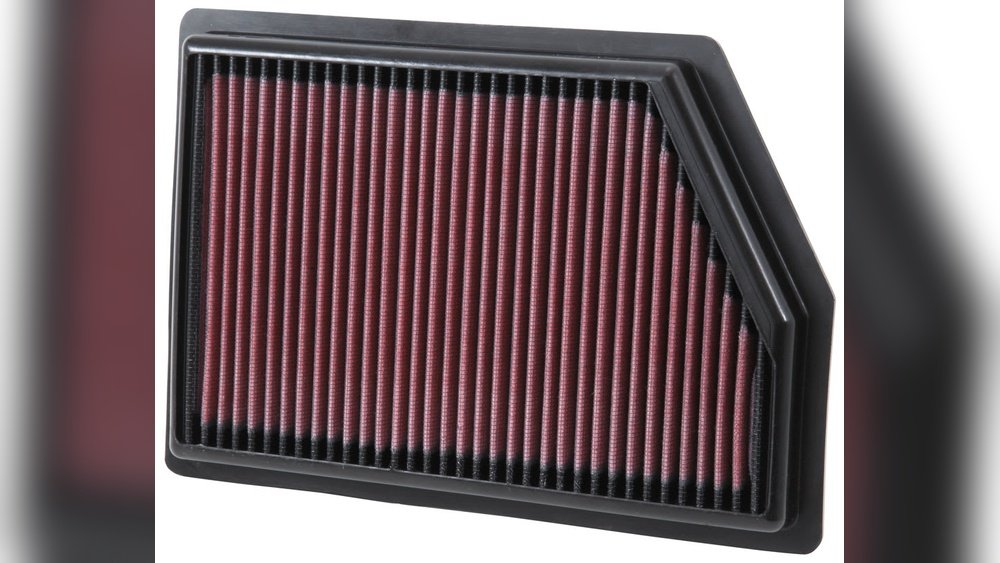
- K&N High-Flow Air Filter: K&N is famous for its oiled cotton gauze filters. They are washable, reusable, and designed to significantly increase airflow compared to stock filters. They often come with a million-mile limited warranty.
- Pro Tip: When using an oiled filter like K&N, it’s crucial to use the correct amount of oil during re-oiling. Too much oil can contaminate the Mass Air Flow (MAF) sensor, causing engine problems.
- AEM Dryflow Air Filter: AEM offers synthetic dry filters that are also washable and reusable. They provide excellent airflow and good filtration without the need for oil, eliminating the risk of MAF sensor contamination.
These filters focus on providing superior filtration efficiency, capturing smaller particles than standard filters, while still maintaining acceptable airflow.
- PurolatorBOSS Advanced Filtration: These filters are engineered with advanced synthetic media to capture ultra-fine particles. They offer excellent protection for your engine, especially in dusty or polluted environments.
- Bosch Premium: Bosch filters are known for their high-quality construction and effective filtration. Their premium line offers enhanced protection and durability.
Specific Filter Part Numbers (examples)
It’s essential to confirm the exact part number for your 2016 Jeep Cherokee, as there can be variations based on engine size (e. g.
, 2. 4L, 3.
2L V6). Always check the filter manufacturer’s website or consult your vehicle’s owner’s manual.
Here are some common part numbers for the 2016 Jeep Cherokee (always verify for your specific model):
- Fram: CA10776 (Standard), AF10776 (High-Performance)
- K&N: 33-5045
- Wix: 49358
- Purolator: A35714
It is highly recommended to use a resource like RockAuto or consult the specific manufacturer’s catalog to find the precise air filter part number for your 2016 Jeep Cherokee’s engine and trim level.

Installation Guide For Your 2016 Jeep Cherokee Air Filter
Replacing the engine air filter on a 2016 Jeep Cherokee is a straightforward maintenance task that most car owners can do themselves. It typically doesn’t require specialized tools.
Tools You’ll Need
- New Air Filter: Make sure you have the correct filter for your vehicle.
- Screwdriver or Nut Driver: Usually a Phillips head screwdriver or a 10mm socket/nut driver is needed to open the air filter housing.
- Clean Cloth or Paper Towels: For wiping down the air filter housing.
Step-by-step Replacement Process
- Locate the Air Filter Housing: Open the hood of your 2016 Jeep Cherokee. The air filter housing is usually a black plastic box connected to a large intake tube. It’s typically located on the passenger side of the engine bay.
- Open the Housing: You’ll see clips or screws holding the top of the housing closed. Carefully release the clips or remove the screws. Some models may have a combination of both. Be gentle, as the plastic can become brittle over time.
- Remove the Old Filter: Once the housing is open, you can lift out the old, dirty air filter. Take note of its orientation, how it was seated in the housing.
- Clean the Housing: Before installing the new filter, use a clean cloth or paper towels to wipe out any dust or debris from inside the air filter housing. This ensures that no dirt falls into the intake system.
- Install the New Filter: Place the new air filter into the housing, ensuring it’s oriented correctly, matching the way the old one was positioned. The rubber or foam gasket around the edge of the new filter should sit snugly against the housing to create a proper seal.
- Close the Housing: Securely close the air filter housing. Reattach the clips or tighten the screws. Make sure all clips are fully engaged and screws are snug to prevent air leaks.
- Start the Engine: Start your Jeep Cherokee to ensure everything is running smoothly. You might notice a slight improvement in engine sound or responsiveness if the old filter was heavily clogged.
Example: When I replaced the air filter on my old SUV, I found a few leaves had made their way into the bottom of the housing. Wiping it clean before putting in the new filter was a simple step that prevented those leaves from potentially getting sucked into the engine.
When To Replace Your Air Filter
The frequency of air filter replacement depends on several factors, including the type of filter, your driving conditions, and the manufacturer’s recommendations. Ignoring these guidelines can lead to the problems mentioned earlier.
Mileage Recommendations
Most manufacturers recommend replacing the engine air filter for a 2016 Jeep Cherokee every 12,000 to 15,000 miles for standard disposable filters. However, this is a general guideline. Some performance filters or filters designed for extreme conditions might have different recommendations. Always check the filter manufacturer’s specifications.
Visual Inspection
A visual inspection is often the best way to determine if your air filter needs replacement.
- Hold the filter up to a light source: If you can’t see light passing through the filter media, it’s likely too clogged.
- Look for heavy discoloration and dirt buildup: If the filter appears uniformly black or gray with thick layers of dirt, it’s time for a change.
- Check for physical damage: Inspect the filter for tears, holes, or damage to the pleats or seals.
Driving Conditions Impact
- Dusty Environments: If you frequently drive on dirt roads, in construction zones, or in areas with heavy air pollution, your air filter will clog much faster. In such conditions, you may need to inspect and replace the filter every 6,000 to 8,000 miles, or even more frequently.
- Towing and Heavy Loads: Similar to dusty conditions, the