A light suddenly appears on your Jeep dashboard. Maybe it’s a symbol you’ve never seen, or a warning you’re not sure about.
For many drivers, this moment brings confusion, worry, or even panic. But understanding these dashboard lights can help you take the right action, keep your Jeep running smoothly, and even save money on repairs.
In this guide, you’ll discover what these lights mean, why they turn on, and what you should do when you see them.
Why Dashboard Lights Matter
Dashboard lights are not just decorations or random alerts. They’re the first line of communication between your Jeep and you. When something needs your attention—big or small—these lights appear. Some are simple reminders, like when you need to refuel. Others are urgent warnings that something needs fixing right away.
Ignoring a warning light can lead to:
- Expensive repairs if a small issue grows bigger
- Unsafe driving if something critical fails
- Legal problems if your car is not roadworthy
Modern Jeeps use advanced sensors and computers. This means dashboard lights are more accurate and helpful than ever.
But it also means there are more symbols, and not all drivers know what they mean.
The Most Common Jeep Dashboard Lights And What They Mean
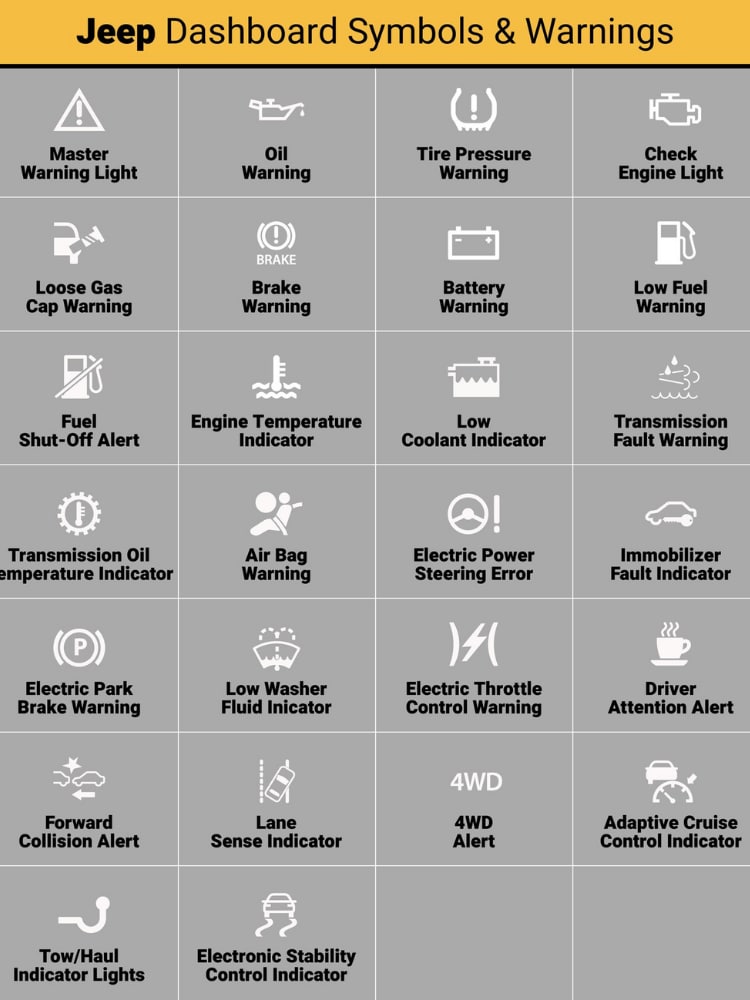
You’ll see many symbols on your dashboard. Here are the most common ones in Jeeps, what they look like, and what they mean.
1. Check Engine Light
- Symbol: A small engine shape, sometimes with the word “Check.”
- Meaning: The engine or emissions system has detected a problem. It could be something simple like a loose gas cap, or something serious like a failing sensor.
- What to do: If the light is steady, drive with care and get the engine checked soon. If it’s flashing, stop driving and get help—this could mean engine damage.
2. Battery Warning Light
- Symbol: A battery shape, usually red.
- Meaning: The electrical system is not charging the battery properly.
- What to do: Check the battery and alternator. If the light stays on, your Jeep may soon lose power.
3. Oil Pressure Warning Light
- Symbol: An oil can with a drip.
- Meaning: Low oil pressure. This could mean low oil level or a bigger problem with the engine’s oil system.
- What to do: Stop the engine as soon as it’s safe. Check the oil level. If the light stays on, get your Jeep checked immediately.
4. Brake Warning Light
- Symbol: The word “BRAKE” or a circle with an exclamation mark.
- Meaning: There could be a problem with the brake system, low brake fluid, or the parking brake is on.
- What to do: Make sure the parking brake is released. If the light stays on, check the brake fluid and get the brakes checked.
5. Abs Light
- Symbol: The letters “ABS” inside a circle.
- Meaning: The anti-lock brake system isn’t working correctly.
- What to do: Normal brakes will still work, but you lose the ABS function. Get it checked soon.
6. Tire Pressure Monitoring System (tpms) Light
- Symbol: A horseshoe shape with an exclamation mark.
- Meaning: One or more tires are under-inflated.
- What to do: Check and inflate all tires to the correct pressure.
7. Airbag Warning Light
- Symbol: A person with a circle (airbag) in front.
- Meaning: The airbag system is not working as it should.
- What to do: Airbags may not protect you in a crash. Get the system checked.
8. Coolant Temperature Warning Light
- Symbol: A thermometer in liquid.
- Meaning: The engine is overheating.
- What to do: Stop the Jeep safely. Let the engine cool and check coolant level.
9. 4wd Warning Light
- Symbol: “4WD” or a vehicle with two axles highlighted.
- Meaning: There’s a problem with the four-wheel drive system.
- What to do: If you need 4WD and the light stays on, get it checked.
10. Traction Control Warning Light
- Symbol: A car with squiggly lines under it.
- Meaning: The traction control system is working or has a problem.
- What to do: If the light stays on, traction control may not work in slippery conditions.
Dashboard Light Colors And What They Mean
Not all dashboard lights are equal. The color of the light often shows how urgent the problem is.
| Color | Meaning | Action Needed |
|---|---|---|
| Red | Serious problem or safety issue | Stop driving as soon as safe |
| Yellow/Amber | Warning—something needs attention soon | Check soon, but not always urgent |
| Green/Blue | System is active (like high beams or cruise control) | Information only |
A red light always means you should pay attention right away. Yellow or amber is important, but you usually have some time. Green and blue are just for information.
How To Respond When A Dashboard Light Comes On
Seeing a new dashboard light can be stressful. Here’s how to handle it:
- Stay calm. Most lights do not mean immediate danger.
- Check the symbol. Use your Jeep’s manual or this guide to identify it.
- Notice the color. Red = urgent, yellow = check soon, green/blue = informational.
- Listen and feel. Is your Jeep making strange noises or driving differently?
- Act as needed. Some lights mean you must stop driving (like low oil pressure). Others allow you to drive to a service center.
It’s a good idea to keep your Jeep’s owner’s manual in your glove box. This booklet explains every dashboard light for your exact model and year.
Jeep Dashboard Lights Vs Other Car Brands
Jeep uses many of the same symbols as other brands, but some are unique or slightly different. Here’s a comparison:
| Symbol | Jeep Meaning | Common Difference in Other Brands |
|---|---|---|
| “4WD” Light | Problem with four-wheel drive | Not present in most sedans or non-4WD vehicles |
| Tire Pressure Light | Low tire pressure | Looks similar, but some brands use a different icon |
| Off-Road Mode Light | Off-road system active | Rare outside of Jeep, Land Rover, or Toyota trucks |
One insight: Even if you’ve driven other cars, don’t assume every dashboard light means the same thing in a Jeep. Double-check, especially with off-road or 4WD features.
How To Reset Dashboard Warning Lights
Sometimes, a warning light stays on even after you fix the problem. Here’s how to reset dashboard lights on most Jeeps:
- Fix the issue. Make sure the root problem is solved—otherwise, the light will come back.
- Disconnect the battery. Remove the negative terminal for 10-15 minutes. This may reset the computer.
- Use an OBD-II scanner. Plug into the port under the dashboard. Many auto shops can do this for free.
- Drive the Jeep. Some lights turn off after a few normal drive cycles.
Warning: Don’t just reset the light without fixing the cause. This can lead to bigger problems and even damage your Jeep.

Advanced Dashboard Lights In Modern Jeeps
Newer Jeep models add more advanced dashboard lights, especially with technology like lane-keeping assist, adaptive cruise control, and blind spot monitoring. These systems use sensors and cameras. If a sensor is dirty or blocked, you may see a warning.
For example:
- Adaptive Cruise Control Light: May flash if the system can’t see the road ahead.
- Blind Spot Warning Light: Turns on if a sensor can’t detect cars in your blind spot.
If you see one of these lights, check if the area around the sensor is clean. Sometimes, snow, mud, or even a car wash can block a sensor and trigger a warning.
Common Mistakes Drivers Make
Many Jeep owners make mistakes with dashboard lights. Here are two you should avoid:
- Ignoring a warning light: Hoping it will go away can make things worse. A small fix can turn into a big repair if you wait.
- Relying only on the light: Not every problem triggers a dashboard light right away. Pay attention to how your Jeep sounds and feels.
A third mistake: Some people use black tape to cover an annoying light. This doesn’t solve the problem and can even be illegal in some places.
When To Seek Professional Help
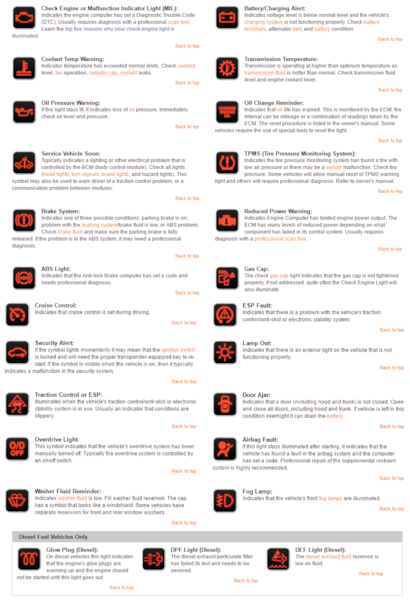
Some dashboard lights are easy to handle yourself—like low tire pressure or washer fluid. But others mean you should see a qualified mechanic right away:
- Oil pressure warning
- Battery/charging system warning
- Airbag system warning
- Brake system warning
If you’re not sure, it’s better to be safe. Jeep dealerships and certified repair shops have the tools to diagnose and fix these systems. You can find more detailed info in the official Jeep owner resources at Jeep Official Dashboard Symbols.
How To Prevent Dashboard Warnings
You can avoid many warning lights with simple steps:
- Regular maintenance: Change oil, check fluids, and rotate tires on schedule.
- Check tire pressure: At least once a month, or before long trips.
- Listen for changes: Unusual sounds or handling can be an early sign.
- Keep sensors clean: Especially after off-roading or bad weather.
One less obvious tip: If you often drive off-road, check the underbody for damage. Rocks or debris can hit sensors and wiring, causing warning lights.
Frequently Asked Questions
What Should I Do If A Dashboard Light Flashes While Driving?
A flashing light, especially for the engine or oil, means a serious problem. Pull over safely and turn off the engine. Have your Jeep checked immediately.
Can I Drive With The Check Engine Light On?
If it’s steady and the car drives normally, you can drive short distances. But don’t ignore it.
If it’s flashing, do not drive—this could mean engine damage.
Why Does My Jeep’s Tire Pressure Light Come On In Cold Weather?
Cold air lowers tire pressure. The TPMS light may turn on in the morning but go off as the tires warm up.
Check and adjust the pressure to the recommended level.
How Can I Tell If A Dashboard Light Is Just A Reminder Or A Real Problem?
Check the color and symbol. Red and yellow mean something needs attention.
Green and blue are usually reminders or system status, not warnings.
Do Dashboard Lights Mean The Same Thing In All Jeep Models?
Most symbols are the same, but some may be unique to certain models or years. Always check your owner’s manual for your specific Jeep.
Understanding your Jeep’s dashboard lights helps you drive with confidence, avoid costly repairs, and keep your vehicle safe. By staying alert and responding quickly to warnings, you can enjoy the adventure—without unwanted surprises.