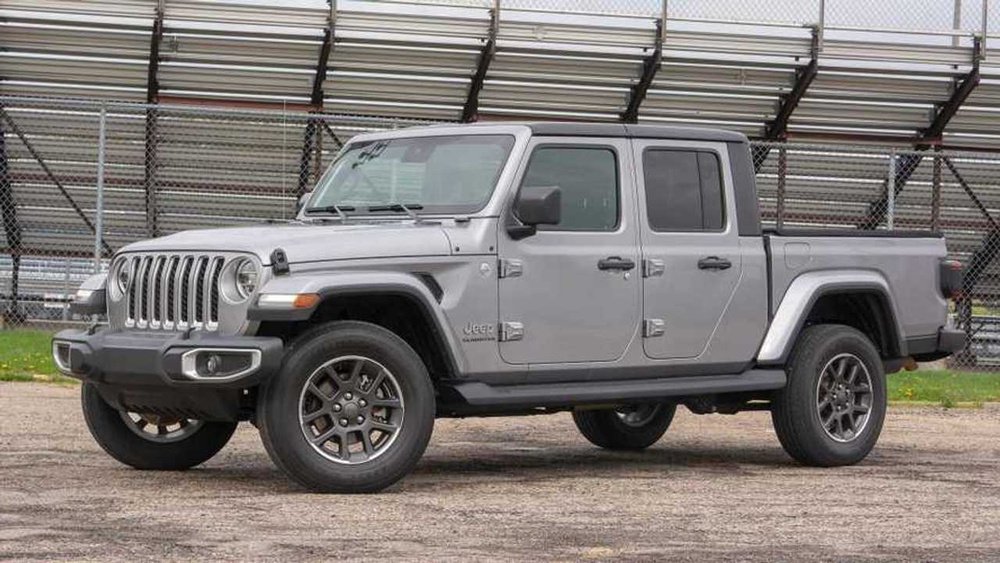
Jeep drivers face a unique challenge: avoiding obstacles both on rough trails and busy roads. With their vehicles built for adventure, drivers often tackle rocks, mud, steep slopes, and narrow paths.
But what really helps Jeep drivers avoid obstacles safely and confidently? Let’s explore the tools, habits, and skills that make Jeep driving smoother and safer.
Essential Jeep Features For Avoiding Obstacles
Modern Jeeps come with several features that make obstacle avoidance easier. These features are not just for show they make a real difference when the terrain gets tough.

- 4×4 systems: Most Jeeps have advanced four-wheel drive. This gives better grip and control, especially on slippery or uneven surfaces.
- High ground clearance: Jeeps sit higher than most cars. This means rocks, logs, and bumps are less likely to scrape the bottom.
- Skid plates: These tough metal shields protect the underbody from damage when crossing rough terrain.
- Off-road tires: Special tires with deep treads help Jeeps grip loose surfaces like mud, sand, or gravel.
Here’s a quick comparison of how Jeep features stack up against standard SUVs:
| Feature | Jeep Wrangler | Standard SUV |
|---|---|---|
| Ground Clearance (inches) | 10.8 | 7.5 |
| 4×4 Capability | Advanced | Basic/Optional |
| Skid Plates | Standard | Rare |
| Off-Road Tires | Available | Limited |
These features help Jeep drivers avoid obstacles that would stop other vehicles.
Driver Skills And Techniques
Having a well-equipped Jeep is only part of the solution. Driver skill is equally important. Many beginners think just having a Jeep is enough, but experience and knowledge matter.
Reading The Terrain
Jeep drivers must learn how to read the terrain ahead. This means looking for hidden rocks, dips, or mud patches. Skilled drivers often walk the trail first to spot trouble areas.
Choosing The Right Line
Picking the best path, or “line,” is key. Drivers look for routes with fewer sharp angles, less risk of getting stuck, and enough space for their Jeep. This is especially important when crossing water or climbing steep hills.
Using Spotters
A spotter is someone who stands outside the Jeep and guides the driver over difficult spots. Spotters use hand signals or talk to help the driver avoid hidden dangers. Many Jeep clubs use spotters during group rides.
Controlling Speed
Going slow is safer on tricky ground. Fast driving increases the risk of hitting obstacles hard. Most Jeep drivers keep a steady, slow pace, especially when crossing rocks or deep ruts.
Practical Example
Imagine a Jeep group crossing a rocky riverbed. Experienced drivers use their spotters, choose the best lines, and move slowly. The result: fewer scrapes, less chance of getting stuck, and safer rides.
Technology And Accessories
New technology helps Jeep drivers avoid obstacles more than ever. Some modern Jeeps have special tools built in.
- Traction control: This system helps the Jeep grip the ground better.
- Hill descent control: Keeps the Jeep steady when going down steep slopes.
- Backup cameras and sensors: Help drivers see behind the vehicle, avoiding hidden rocks or tree stumps.
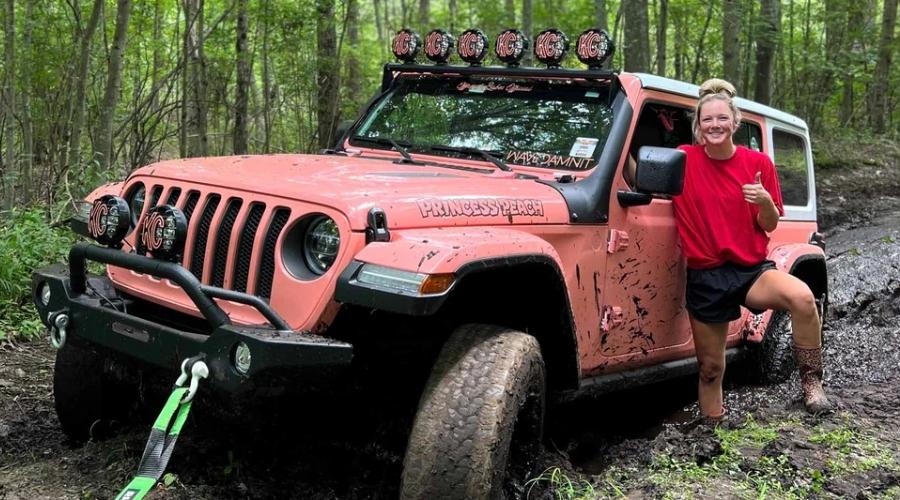
Many Jeep owners also use aftermarket accessories:
- Lift kits: Raise the Jeep higher for more clearance.
- Winches: Help pull the Jeep out if stuck.
- Light bars: Improve visibility at night.
Here’s a simple table comparing useful Jeep accessories:
| Accessory | Main Benefit | Typical Cost |
|---|---|---|
| Lift Kit | More clearance | $500-$1,500 |
| Winch | Recovery tool | $400-$1,000 |
| Light Bar | Better night vision | $150-$600 |
Safety Habits For Jeep Drivers
Safety is not just about equipment. Smart habits help Jeep drivers avoid trouble.
- Check tire pressure: Proper tire pressure improves grip and helps avoid punctures.
- Inspect the Jeep before each trip: Look for leaks, worn parts, or loose bolts.
- Carry recovery gear: Bring items like tow straps, a shovel, and a first-aid kit.
- Travel with others: Group rides are safer. If someone gets stuck, others can help.
- Know when to turn back: If a trail looks too risky, experienced drivers choose safety.
A surprising insight: Many obstacles are avoided simply by planning ahead. Checking the weather, researching the trail, and packing the right gear prevent most problems.
Common Mistakes Jeep Drivers Should Avoid
Many drivers, especially beginners, make mistakes that lead to trouble:
- Overestimating their Jeep’s abilities: Not all Jeeps are equally equipped. Know your model’s limits.
- Ignoring local rules: Some trails have restrictions. Not following them can lead to fines or accidents.
- Not using spotters: Trying tough spots alone increases risk.
- Skipping maintenance: A poorly maintained Jeep is more likely to break down on the trail.
One non-obvious tip: Use your Jeep’s mirrors and cameras often, especially in tight places. Many obstacles are not directly in front of the vehicle.
Real-world Data: Jeep Accident Rates
Jeep drivers who follow safety practices have fewer accidents. According to the National Highway Traffic Safety Administration, off-road accident rates are higher for inexperienced drivers. Well-trained drivers using proper gear have up to 40% fewer incidents compared to those who skip preparation.
Here’s a quick data table:
| Driver Type | Off-Road Accident Rate | Preparation Level |
|---|---|---|
| Beginner | 12% | Low |
| Experienced | 7% | High |
| Jeep Club Member | 5% | Very High |