Getting into your Jeep without searching for keys is more than a small convenience. With modern technology, the passive entry system has changed how drivers unlock, start, and secure their vehicles. If you’ve wondered about “passive entry on Jeep” or how it works, this guide will break it down in clear, simple terms. We’ll cover what passive entry is, how it operates, the benefits and possible drawbacks, and include practical comparisons and FAQs to clear up confusion.
What Is Passive Entry On Jeep?
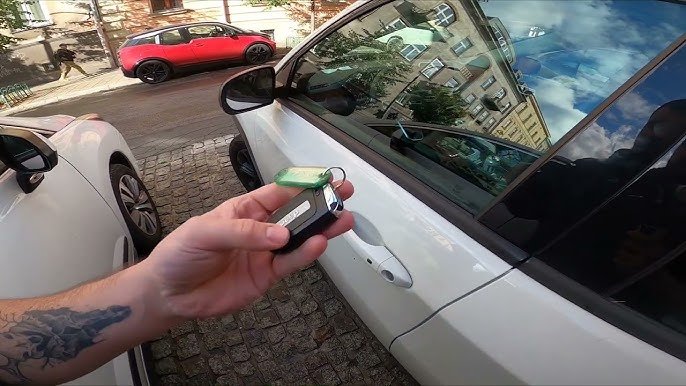
Passive entry is a smart feature that allows you to unlock your Jeep by simply approaching it with the key fob in your pocket or bag. There’s no need to press any buttons or manually insert a key. The vehicle senses the key fob nearby and unlocks the doors automatically.
This technology is often paired with push-button start, meaning you can also start your Jeep without inserting a physical key. The system uses radio signals between the car and the key fob to identify you as the authorized user.
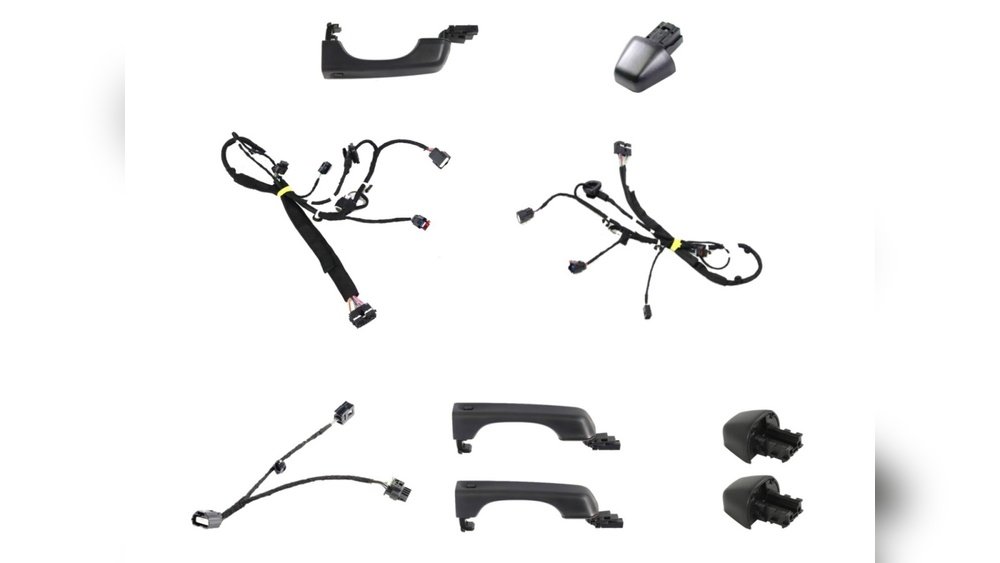
Key Components
- Key fob: Contains a chip that communicates with your Jeep.
- Sensors: Located in the doors and sometimes the trunk.
- Receiver: Inside the Jeep to pick up signals from the fob.
Passive entry is available on many Jeep models such as the Jeep Grand Cherokee, Jeep Compass, and Jeep Wrangler (higher trims).
How Passive Entry Works
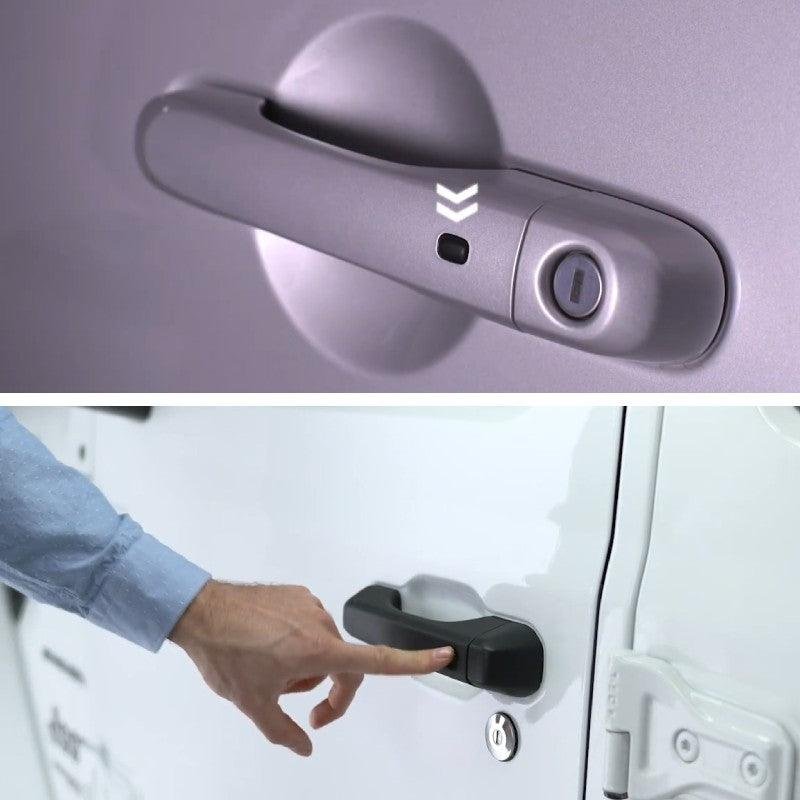
When you approach your Jeep with the key fob, sensors in the door handle detect its presence. If the fob is within a certain range (usually 3-5 feet), the system unlocks the doors as you touch the handle.
If you walk away, the system can automatically lock the doors.
Here’s a simple breakdown:
- The key fob emits a low-frequency signal.
- The Jeep’s sensors pick up the signal.
- When you touch the handle, the system verifies the signal.
- The door unlocks automatically.
If you want to start the engine, sit in the driver’s seat with the fob and press the start button. No key required.
Comparison: Passive Entry Vs Traditional Entry
| Feature | Passive Entry | Traditional Entry |
|---|---|---|
| Unlocking | Touch handle with fob nearby | Press button or insert key |
| Starting Engine | Push-button start | Insert and turn key |
| Security | Encrypted signal | Physical key |
Benefits Of Passive Entry
Using passive entry makes daily life easier, especially when your hands are full or you’re in a hurry. Here are the main advantages:
- Convenience: No need to search for keys or press buttons.
- Speed: Unlocks instantly when you touch the handle.
- Safety: Reduces risk of dropping keys or getting locked out.
- Enhanced Security: Encrypted signals are harder to duplicate than physical keys.
Some Jeep models even allow remote locking and unlocking from your smartphone, adding another layer of flexibility.
Real-world Example
Imagine carrying groceries to your Jeep. With passive entry, just reach for the handle and the door unlocks. No fumbling for keys or juggling bags. This small difference can save time and reduce stress, especially in bad weather.
Possible Drawbacks And Limitations
While passive entry is convenient, it’s not perfect. Here are some things to consider:
- Battery Dependency: If your key fob battery dies, passive entry won’t work. Always keep spare batteries.
- Signal Interference: Electronics or metal objects can block the signal.
- Cost: Repairs or replacements for passive entry systems are often more expensive than traditional keys.
Data: Common Issues Reported
| Issue | Frequency (%) | Model Most Affected |
|---|---|---|
| Dead key fob battery | 38% | Jeep Grand Cherokee |
| Signal interference | 21% | Jeep Compass |
| Sensor malfunction | 14% | Jeep Wrangler |
A less obvious issue is that some owners forget to lock their Jeep when walking away, trusting the system. Always check that the doors are locked, especially in busy areas.
Passive Entry Vs Remote Start
Some people confuse passive entry with remote start. While they often work together, they are separate features.
| Function | Passive Entry | Remote Start |
|---|---|---|
| Unlocking doors | Automatic when near | Manual via button |
| Starting engine | Press button inside | Press button on fob |
| Distance | 3-5 feet range | Up to 300 feet range |
For more details, the official Jeep website explains both features: Jeep Official Site.
Practical Tips For Jeep Owners
- Keep your key fob battery charged; replace it once a year.
- Avoid carrying the fob near strong magnets or electronics.
- If the passive entry stops working, try moving the fob closer or removing objects that may block the signal.
- Always check your Jeep is locked before leaving, even with passive entry.
One insight many beginners miss: the system may not work if the fob is inside a metal container, like a purse with metal lining. Another tip is to check for software updates, as Jeep sometimes releases fixes that improve passive entry performance.
Frequently Asked Questions
What Happens If My Key Fob Battery Dies?
If the battery dies, passive entry won’t work, but you can usually unlock the Jeep with the physical key hidden inside the fob. Replace the battery as soon as possible.
Is Passive Entry Available On All Jeep Models?
No, passive entry is mostly available on mid-range and high-end trims. Check the features list for your specific model or ask your dealer.
Is Passive Entry Safe From Theft?
Passive entry uses encrypted signals that are safer than standard keys, but no system is perfect. Thieves may use signal boosters, so park in secure locations and consider a steering wheel lock for extra security.
Can I Disable Passive Entry?
Most Jeeps allow you to disable passive entry through the vehicle’s settings menu. This is useful if you want extra control or have security concerns.
What Is The Difference Between Passive Entry And Keyless Entry?
Passive entry unlocks the Jeep automatically when you approach, while keyless entry lets you unlock with a button press on the fob. Passive entry is more seamless and hands-free.
Passive entry is a smart feature that makes owning a Jeep easier and safer. By understanding how it works and how to maintain it, you can enjoy all its benefits without worry.
Whether you’re a new owner or considering a Jeep upgrade, passive entry is a modern convenience worth having.