The story of the original Jeep is both fascinating and complex. Today, the Jeep is seen as a symbol of rugged adventure, but its roots are in war and necessity. Many people wonder who made the first Jeep, and the answer involves several companies, engineers, and a race against time. If you’re curious about the real origins of the Jeep, you’ll find a mix of competition, innovation, and practical design.
The Need For A Military Vehicle
In 1940, the world was preparing for war. The US Army needed a new kind of vehicle—something small, fast, and tough enough for difficult terrain. Their request was clear: a light, four-wheel-drive vehicle with specific requirements for weight, speed, and durability. The Army contacted over 130 companies, but only a few responded.
Who Actually Built The First Jeep?
Bantam’s Crucial Role
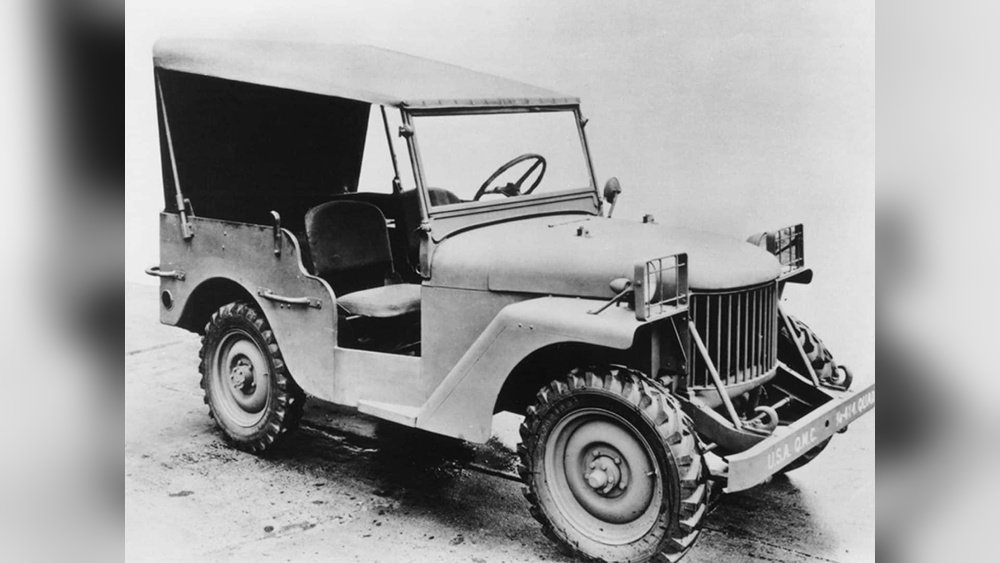
The first working Jeep prototype was built by the American Bantam Car Company. Bantam was a small company with limited resources, but their chief engineer, Karl Probst, quickly created a design. In just 49 days, Bantam delivered the first prototype, called the Bantam Reconnaissance Car (BRC). This vehicle met most of the Army’s requirements and impressed the military.
Willys And Ford Enter The Scene
Although Bantam made the original Jeep prototype, the Army worried that Bantam was too small to produce the numbers needed for war. So, they shared Bantam’s blueprints with two bigger companies: Willys-Overland and Ford.
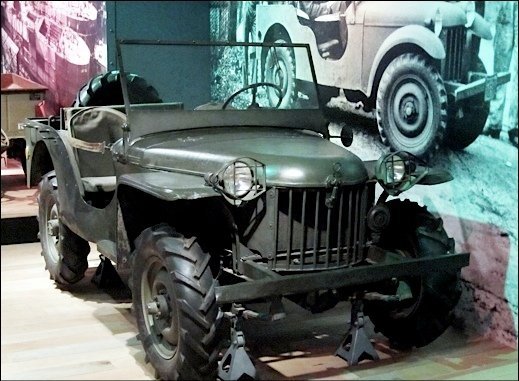
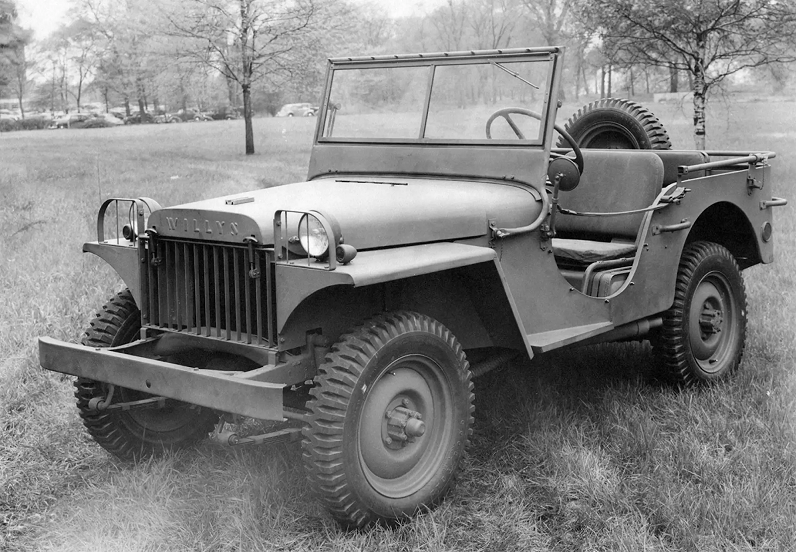
Both Willys and Ford made their own prototypes, using Bantam’s basic design but adding their own improvements. Willys created the Willys Quad, and Ford made the Ford GP. The Army tested all three vehicles and found Willys’ design had the best engine for power and reliability.
Who Got The Production Contract?
Willys-Overland received the largest contract to make the Jeep for the Army. Ford also got a contract to make Jeeps, using Willys’ design under license. Bantam, sadly, was left behind and only produced a few trailers for the Army.
So, Bantam made the first Jeep, but Willys and Ford produced most of the Jeeps used in World War II.
Comparing The Three Early Jeep Makers
Let’s look at how Bantam, Willys, and Ford compared in creating the original Jeep.
| Company | Prototype Name | Production Numbers (WWII) | Key Feature |
|---|---|---|---|
| Bantam | BRC | 2,675 | First working prototype |
| Willys-Overland | Quad/MB | 363,000 | Powerful “Go-Devil” engine |
| Ford | GP/GPW | 277,000 | Mass production capability |
The Key Innovations
The original Jeep was innovative for its time. Here are some features that made it unique:
- 4-wheel drive: Allowed the Jeep to handle mud, snow, and rough ground.
- Light weight: Less than 2,000 pounds, easy to move and transport.
- Simple design: Easy to fix, even in tough conditions.
- Strong engine: Willys’ “Go-Devil” engine provided extra power.
Many beginners miss the importance of the military requirements. The Army wanted the Jeep to be easy to repair and use in any weather. This focus on practicality shaped the Jeep’s simple but effective design.
Jeep’s Impact On World War Ii
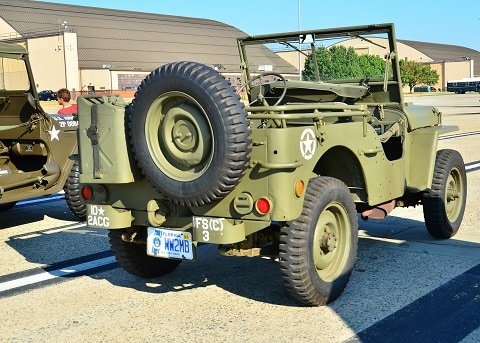
The Jeep became famous for helping soldiers move quickly, carry equipment, and even rescue wounded troops. General Eisenhower called it “one of the tools that won the war.
” About 640,000 Jeeps were produced during WWII, making it one of the most-used vehicles of the conflict.
The Jeep’s design influenced many other vehicles after the war. Today, the basic shape and features of the original Jeep can still be seen in modern SUVs and off-road vehicles.
How The Jeep Got Its Name
The name “Jeep” is believed to come from the slang term “G.P.” or “General Purpose” vehicle. Some say it was inspired by a cartoon character called Eugene the Jeep from the Popeye series. Soldiers started calling the new vehicle “Jeep,” and the name stuck.
Willys eventually trademarked the name and used it for their civilian models after the war. This helped the Jeep become a household name worldwide.
Timeline Of Early Jeep Development
Here is a simple timeline to show the order of events:
| Year | Event |
|---|---|
| 1940 | US Army requests new vehicle design |
| 1940 | Bantam delivers first prototype |
| 1941 | Willys and Ford create their prototypes |
| 1941 | Willys wins main production contract |
| 1945 | Jeep name trademarked by Willys |
Civilian Jeep: From War To Road
After World War II, Willys started selling Jeeps to the public. The first civilian Jeep was the CJ-2A, launched in 1945. It was used for farming, construction, and recreation. The Jeep brand grew quickly, becoming popular in the US and around the world.
Today, the Jeep is produced by Stellantis (after a series of ownership changes). It remains one of the most recognized vehicle brands.
Why Bantam Is Often Forgotten
Many people believe Willys or Ford made the original Jeep. But Bantam’s role is often overlooked because they didn’t have the resources to produce large numbers.
Bantam’s design gave the Army what it needed, but Willys and Ford had the factories to build thousands of vehicles.
Bantam’s contribution is now recognized by historians, but it took many years for their story to be told.
A Lasting Legacy
The original Jeep changed history. It started as a solution to a military problem, but its simple and strong design made it useful for everyone.
Jeep vehicles are still known for their toughness and versatility. The story of the Jeep is a reminder that sometimes small companies, like Bantam, make the biggest impact even if they don’t get all the credit.
For those who want to dig deeper into Jeep’s history, the Wikipedia Jeep page offers more details.
Frequently Asked Questions
Who Made The Very First Jeep?
American Bantam Car Company created the first working Jeep prototype in 1940. Willys and Ford improved the design and produced most of the Jeeps used in World War II.
Why Did The Army Choose Willys And Ford Instead Of Bantam?
Bantam was too small to meet the Army’s huge production needs. Willys and Ford had larger factories and could build thousands of vehicles quickly.
What Was Special About Willys’ “go-devil” Engine?
The Go-Devil engine gave the Jeep more power and reliability. This made it better for tough conditions and helped Willys win the production contract.
How Many Jeeps Were Made During World War Ii?
About 640,000 Jeeps were produced, with Willys making around 363,000 and Ford producing 277,000.
Yes, the basic features like 4-wheel drive, strong build, and simple mechanics are still part of today’s Jeeps. The brand has changed owners, but the original ideas live on.
The Jeep’s origins are a story of smart engineering, competition, and meeting urgent needs. Knowing who made the original Jeep helps us understand why this vehicle became a legend.