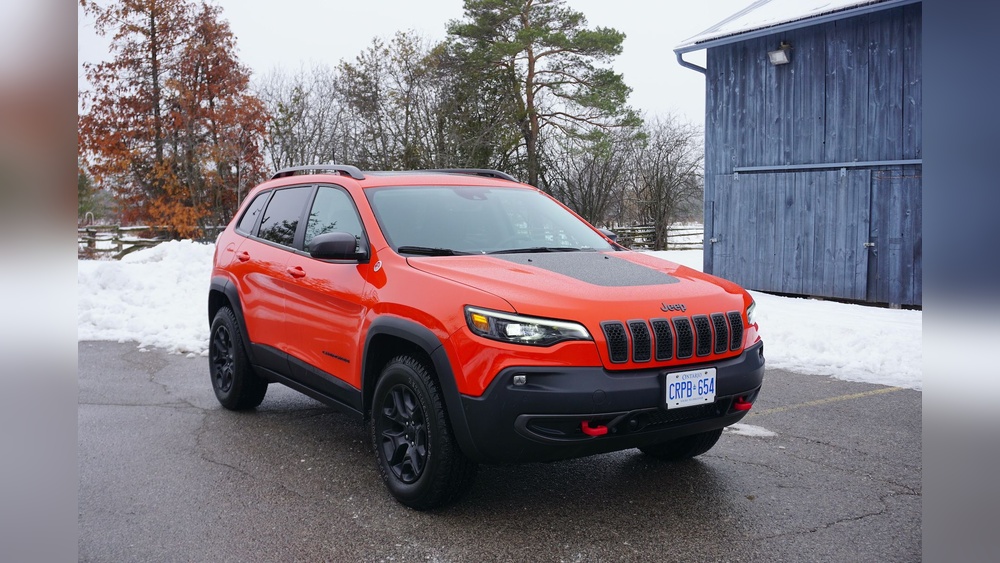
If you drive a Jeep or follow off-road communities, you might hear the term sway bar often. It sounds technical, but knowing what a sway bar does can help you understand your Jeep’s performance, safety, and capability. Whether you own a Jeep Wrangler, Cherokee, or another model, the sway bar plays a critical role both on highways and rough trails. Here’s a clear explanation of what the sway bar means on a Jeep, how it works, and why it matters for your driving experience.
What Is A Sway Bar On A Jeep?
A sway bar, also called an anti-roll bar, is a metal rod that connects the left and right wheels on the same axle. Its main job is to reduce body roll when you turn or drive over uneven surfaces. For Jeeps, this is especially important because they have a tall, boxy design that can lean more in corners compared to low cars.
When your Jeep takes a turn, the sway bar twists and transfers force from one side to the other. This keeps the body more level, making the ride safer and more comfortable.
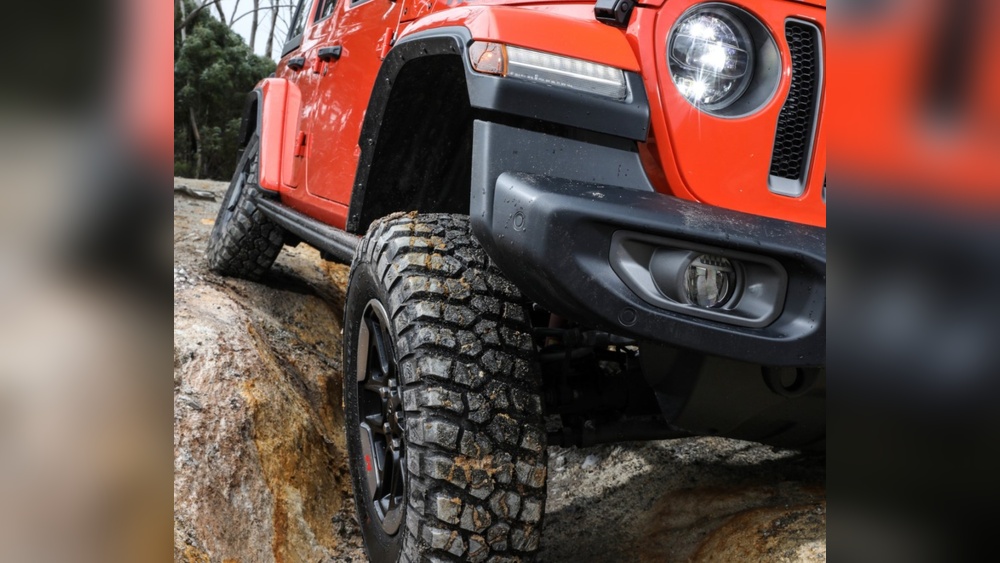
Without a sway bar, your Jeep would lean much more, which can feel scary and even lead to loss of control.
Why Sway Bars Matter For Jeeps
Jeeps are unique vehicles. They are built for both off-road adventures and regular roads. The sway bar helps balance these needs:
- On-road stability: When driving on highways or city streets, the sway bar keeps your Jeep from rolling too much in corners. This is vital for safety, especially with higher vehicles.
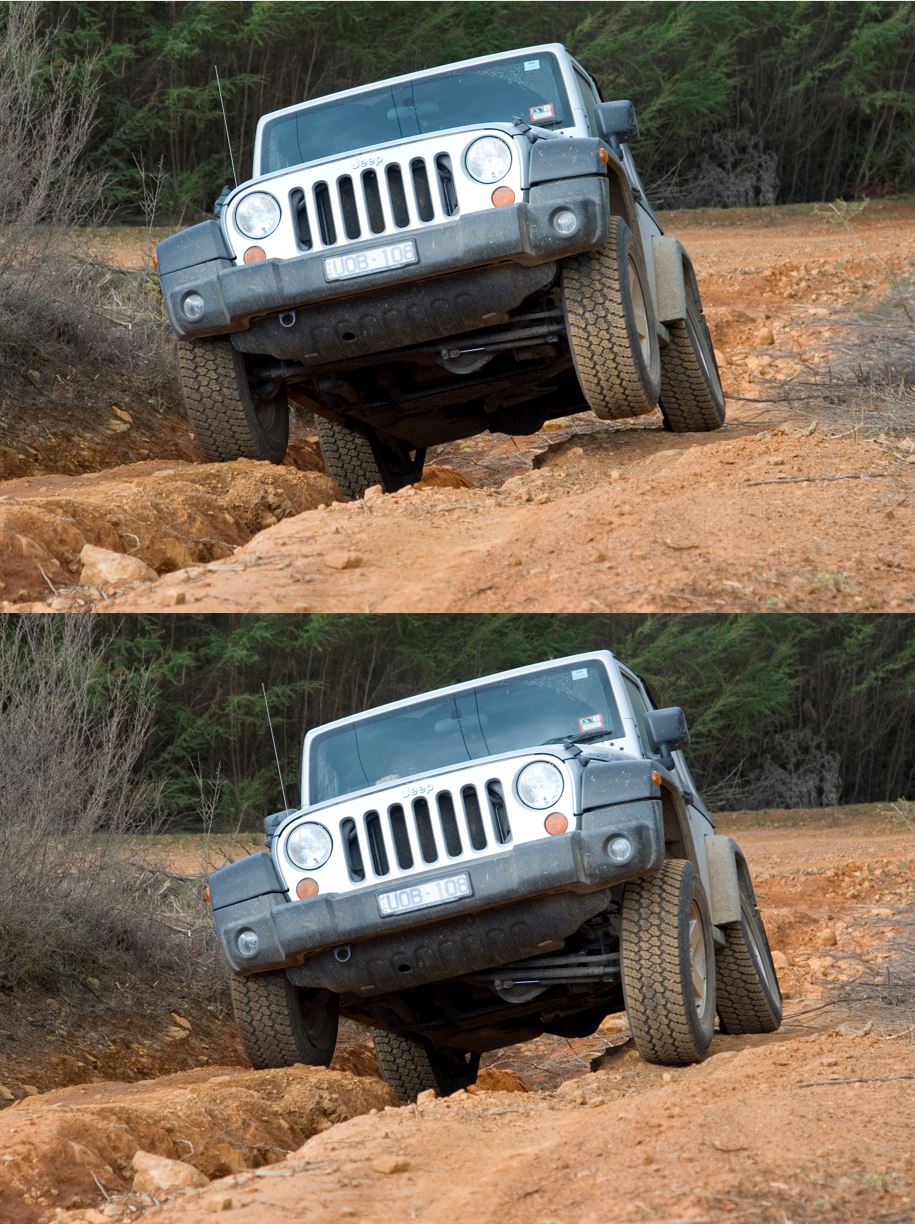
- Off-road flexibility: Some Jeep models let you disconnect the sway bar. This gives the wheels more freedom to move, helping them stay on the ground during off-road driving. More contact means better grip and a smoother ride over rocks or bumps.
Many Jeep owners don’t realize that the sway bar is one of the reasons their vehicle feels stable on road, but also why it might feel stiff or limited when crawling over obstacles.
Sway Bar Disconnect Feature In Jeeps
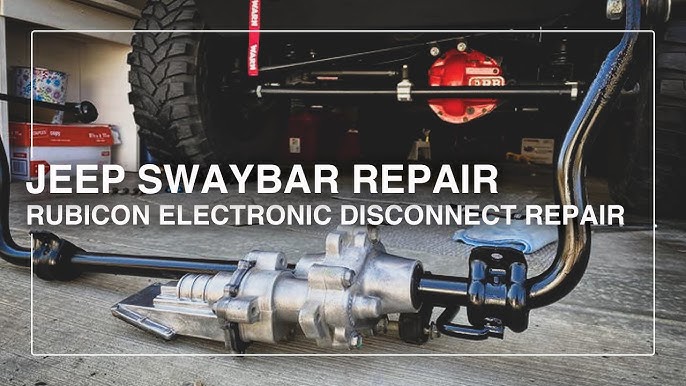
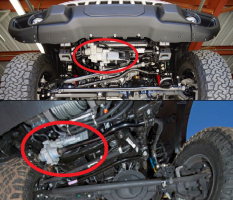
Some modern Jeeps, like the Wrangler Rubicon, have a special sway bar disconnect system. This allows the driver to disconnect the sway bar with the push of a button. When disconnected, the front wheels can move up and down independently. This is called articulation. It helps the Jeep climb over rocks and uneven ground without losing traction.
Here’s a quick comparison showing the difference between connected and disconnected sway bars:
| Feature | Sway Bar Connected | Sway Bar Disconnected |
|---|---|---|
| Body Roll | Low | High |
| Wheel Articulation | Limited | Maximum |
| On-road Stability | High | Low |
| Off-road Performance | Moderate | Excellent |
This feature is not available in all Jeep models. If you plan to do serious off-roading, a sway bar disconnect can make a big difference.
How Sway Bars Work: Simple Explanation
The sway bar is shaped like a U and is mounted to the frame and the suspension. When you turn, one wheel goes up and the other goes down. The sway bar twists, trying to keep both wheels at the same height.
This reduces leaning.
Think of it like a spring connecting both sides of your Jeep. It resists movement, so your Jeep stays flatter in corners.
Here’s a basic comparison of Jeep suspension with and without a sway bar:
| Suspension Type | Handling | Comfort |
|---|---|---|
| With Sway Bar | Stable | Firm |
| Without Sway Bar | Loose | Softer |
Sway Bar Maintenance And Common Issues
The sway bar is tough, but its bushings and links can wear out over time. Signs of sway bar problems include:
- Clunking noises when turning or going over bumps
- Poor handling or increased body roll
- Uneven tire wear
If you notice these issues, check the sway bar and its parts. Most repairs are simple and not expensive. Ignoring sway bar problems can make your Jeep unsafe, especially when turning at speed.
Sway Bar Upgrades For Jeep Owners
Some Jeep owners upgrade their sway bars for better performance. Here are some reasons to upgrade:
- Thicker sway bars: These reduce body roll even more, good for Jeeps used mostly on roads.
- Adjustable sway bars: Let you fine-tune how much your Jeep leans.
- Quick disconnect kits: Make it easy to disconnect the sway bar for off-roading.
But upgrades are not always needed. If you drive mostly in cities, the stock sway bar is usually enough. For heavy off-road use, quick disconnects or a factory disconnect system are recommended.
Sway Bars Vs. Other Suspension Parts
Some people confuse sway bars with other suspension parts. Here’s a quick comparison:
| Part | Main Function | Effect on Jeep |
|---|---|---|
| Sway Bar | Reduces body roll | Better cornering |
| Shock Absorber | Dampens bumps | Smoother ride |
| Coil Spring | Supports weight | Adjusts ride height |
Knowing these differences helps you understand how each part affects your Jeep’s performance.
Non-obvious Insights For Beginners
Most new Jeep owners don’t realize that:
- Disconnecting the sway bar for off-road use improves traction, but always reconnect it before highway driving. Leaving it disconnected on roads is dangerous.
- Replacing worn sway bar bushings is often more important than swapping the whole bar. Bushings affect ride quality and noise.
Frequently Asked Questions
What Happens If I Drive My Jeep Without A Sway Bar?
Driving without a sway bar increases body roll and reduces stability, especially in turns. It can be unsafe at higher speeds.
Can I Disconnect The Sway Bar Myself?
Yes, but only if your Jeep has a manual disconnect or a quick disconnect kit. Always reconnect before returning to normal roads.
Does Every Jeep Model Have A Sway Bar?
Almost all Jeeps have at least one sway bar, usually in the front. Some have them in the rear as well.
How Often Should I Check My Sway Bar?
It’s smart to check the sway bar and its bushings every 10,000 miles or during routine maintenance.
Are Sway Bar Upgrades Worth It?
Upgrades can help if you want more control or plan to do lots of off-roading. For daily driving, the factory sway bar is usually enough.
Understanding the sway bar and its role in your Jeep’s suspension system can help you make smarter choices about maintenance, upgrades, and safe driving. For a deeper technical overview, visit Wikipedia. Whether you use your Jeep for daily driving or wild trails, the sway bar is a small part with a big impact on your experience.