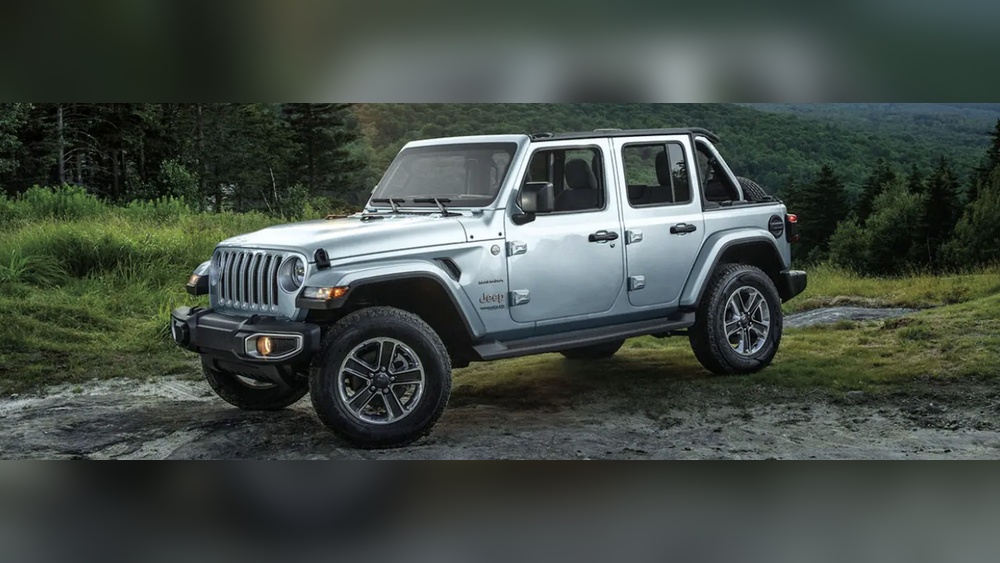
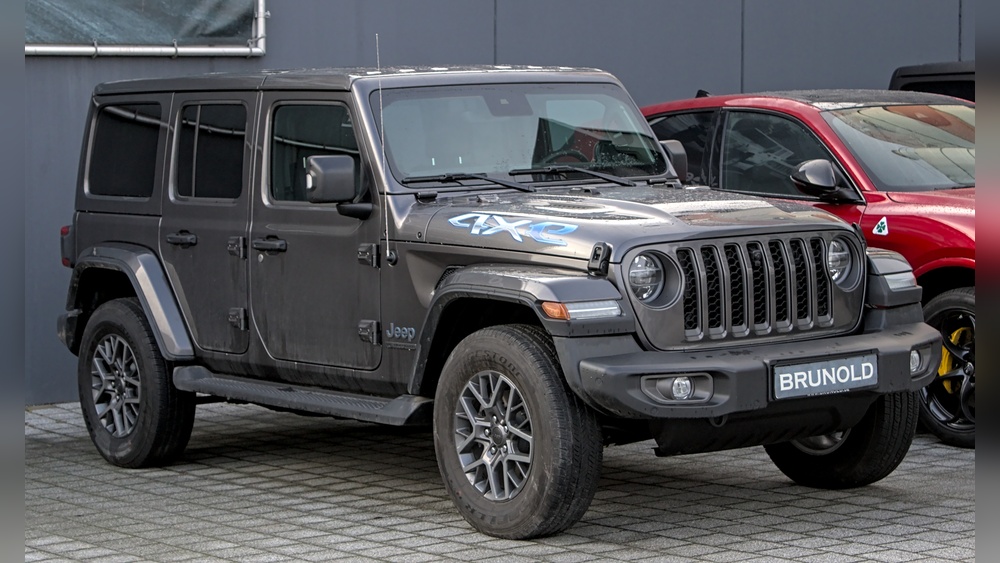
The Jeep Cherokee Trailhawk is a compact SUV that stands out for its off-road ability, modern features, and rugged design. Many drivers see it as a bridge between city comfort and adventure-ready performance. But what do real owners and expert reviewers actually say about the Trailhawk? Let’s dive into the details and find out if this Jeep lives up to its reputation.
Performance And Off-road Capability
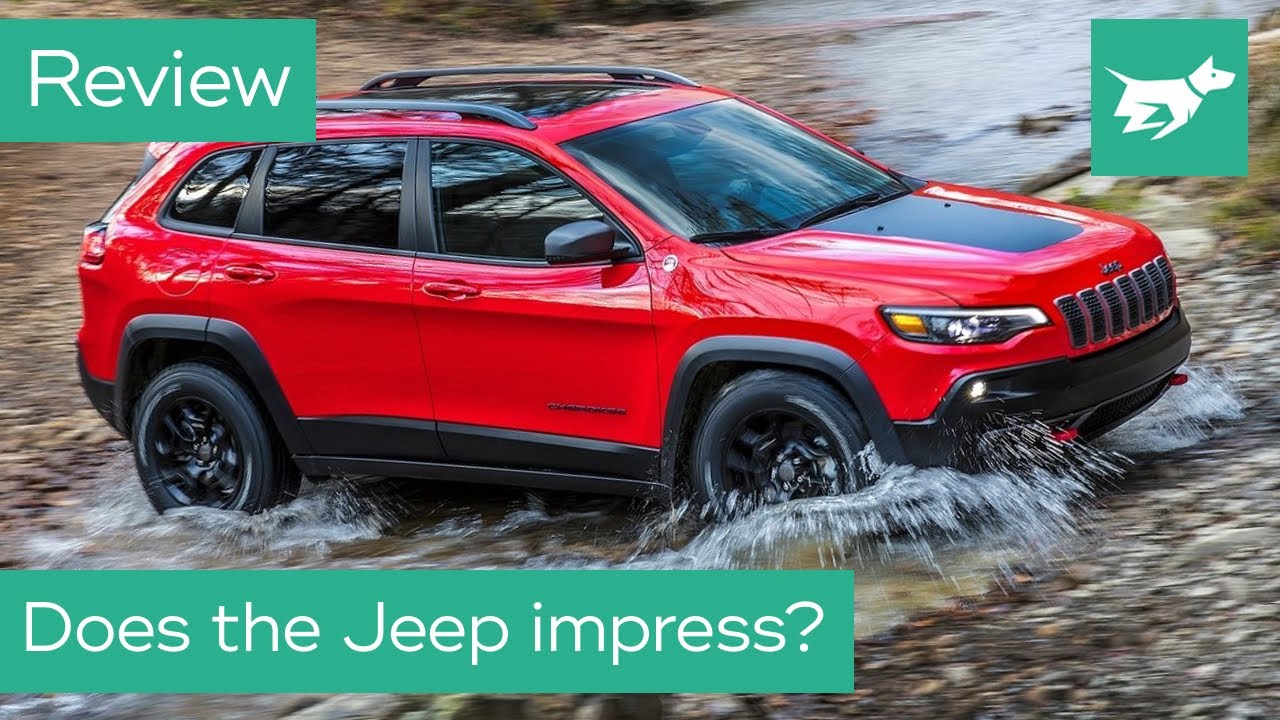
Most reviews highlight the Trailhawk’s strong off-road performance. It comes with Jeep’s Active Drive Lock 4×4 system, a locking rear differential, and a unique suspension. This makes the Trailhawk one of the few small SUVs that can handle tough trails, mud, and snow with confidence.
Drivers praise the 9-speed automatic transmission, which helps deliver smooth power. The Trailhawk’s 2.0L turbocharged engine offers up to 270 horsepower and 295 lb-ft of torque, while the standard 3.2L V6 produces 271 horsepower and 239 lb-ft of torque. Both engines provide good acceleration and towing capacity (up to 4,500 pounds).
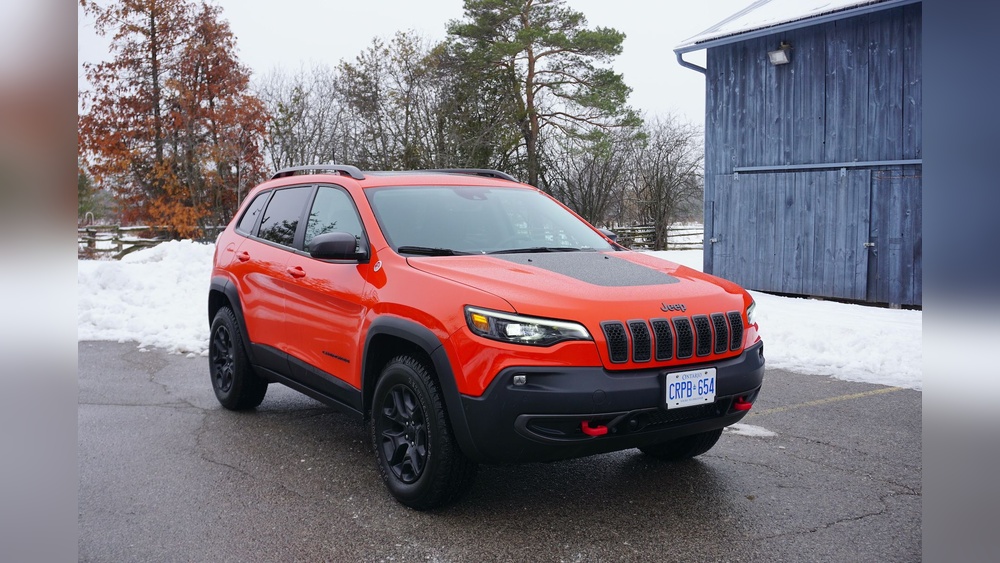
Here’s how the Trailhawk compares to similar models:
| Model | Horsepower | Towing Capacity | Ground Clearance |
|---|---|---|---|
| Jeep Cherokee Trailhawk | 271 hp | 4,500 lbs | 8.7 inches |
| Subaru Forester Wilderness | 182 hp | 3,000 lbs | 9.2 inches |
| Toyota RAV4 Adventure | 203 hp | 3,500 lbs | 8.6 inches |
Most owners say the Trailhawk feels stable and secure on rough roads. However, some notice that the ride is firmer than other SUVs, especially on city streets.
Interior Comfort And Features
The Trailhawk’s cabin is designed for both comfort and practicality. Leather-trimmed seats, heated steering wheel, and dual-zone climate control are standard on many trims. Reviewers often mention the Uconnect infotainment system, which includes an 8.4-inch touchscreen, Apple CarPlay, and Android Auto.
The interior feels upscale compared to other compact SUVs. There’s plenty of space for passengers in the front, but rear seats can feel tight for taller adults. Cargo space is decent, but not class-leading. With the seats up, you get about 25.8 cubic feet; folding them down increases space to 54.7 cubic feet.
Some non-obvious insights:
- The Trailhawk’s interior materials are more durable than most, ideal for families with kids or pets.
- The floor mats and seat designs are made to resist mud and water, which is rare in this segment.
Here’s a quick look at the Trailhawk’s standard features:
| Feature | Trailhawk | Base Cherokee |
|---|---|---|
| Leather Seats | Yes | No |
| Heated Steering Wheel | Yes | No |
| Advanced 4×4 System | Yes | No |
| Hill Descent Control | Yes | No |
Safety Ratings And Technology
The Trailhawk comes with many safety features. These include blind spot monitoring, adaptive cruise control, lane departure warning, and automatic emergency braking. The NHTSA gives the Cherokee a 4-star overall safety rating, which is above average for its class.
Some reviewers note that visibility is good thanks to large windows and high seating. Backup cameras and parking sensors also help with city driving.
A few extra points:
- The Trailhawk’s traction control works well even in slippery conditions, lowering accident risk.
- The advanced safety tech is standard, not optional, which saves buyers money.
Reliability And Ownership Costs
Reliability is a mixed topic for the Trailhawk. Some owners report smooth operation for years, while others mention minor issues like electrical glitches or sensor warnings. RepairPal rates the Cherokee as average for reliability.
Maintenance costs are slightly higher than rivals. Oil changes, brake pads, and tire replacements can cost more due to the Trailhawk’s special off-road parts. Fuel economy is fair for a rugged SUV, with most drivers getting 20 mpg city and 27 mpg highway.
Here’s a comparison of annual ownership costs:
| Model | Maintenance Cost | Fuel Economy (Combined) |
|---|---|---|
| Jeep Cherokee Trailhawk | $550 | 23 mpg |
| Honda CR-V AWD | $400 | 28 mpg |
| Ford Bronco Sport | $500 | 25 mpg |
A common mistake is skipping regular maintenance, which can lead to bigger repair bills. Owners should follow Jeep’s service schedule, especially for the 4×4 system.
Real Owner Feedback
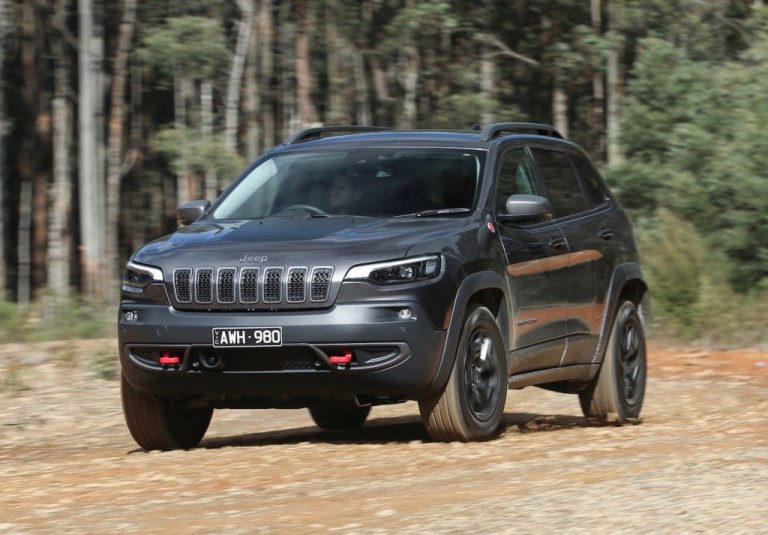
Many Trailhawk owners say the SUV is fun to drive and perfect for weekend adventures. They like the rugged looks, high ground clearance, and strong build quality. Some mention that the vehicle feels heavy and less nimble in city traffic.
One non-obvious insight: The Trailhawk’s resale value holds up well if maintained properly, especially in areas with outdoor enthusiasts. But if you rarely use the off-road features, you might not get full value for your money.
Expert reviewers agree the Trailhawk is a unique choice. It’s not the fastest or most spacious, but its off-road skills are unmatched. For drivers who want both comfort and capability, it’s a strong contender.
Is The Jeep Cherokee Trailhawk Right For You?
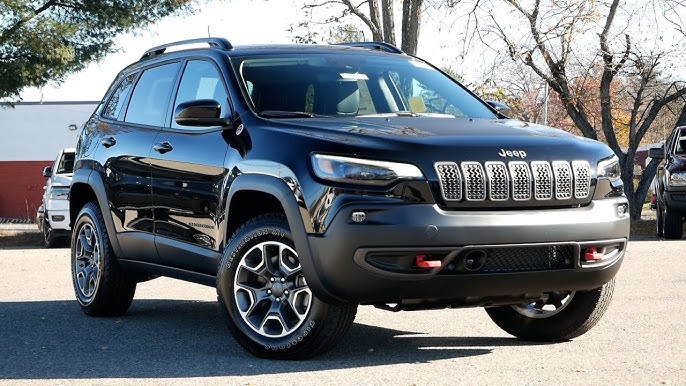
If you need a compact SUV that can handle tough terrain, the Trailhawk stands out. It offers advanced 4×4 features, smart technology, and a comfortable cabin. However, it’s not the most fuel-efficient or spacious option.
You should consider the Trailhawk if:
- You drive in snow, mud, or rough roads often
- You want a durable, adventure-ready SUV
- You value off-road capability more than luxury or space
If you mainly drive in cities and need more cargo room, other SUVs might fit better. Always test drive before buying to check ride comfort and visibility.
For more technical details, visit the Jeep Cherokee Wikipedia page.
Frequently Asked Questions
Is The Jeep Cherokee Trailhawk Good For Daily Driving?
Yes, the Trailhawk handles daily driving well. The ride is comfortable, and the cabin is quiet. However, its off-road suspension can feel firm on city streets compared to other compact SUVs.
What Is The Fuel Economy Of The Trailhawk?
The Trailhawk averages 20 mpg city and 27 mpg highway. This is lower than some rivals, but expected for a vehicle with off-road gear and a powerful engine.
How Does The Trailhawk Perform In Snow?
The Trailhawk is excellent in snow. Its advanced 4×4 system, high ground clearance, and traction control help it stay safe and stable on icy roads.
Is The Trailhawk Expensive To Maintain?
Maintenance costs are a bit higher than average. Off-road parts and features require more care, so regular servicing is important. Most owners spend about $550 per year on maintenance.
Does The Trailhawk Have Good Resale Value?
The Trailhawk holds its value well, especially if you maintain it and live in areas where off-road vehicles are popular. Keep service records to help with resale.