The Jeep Gladiator is a unique midsize pickup truck that stands out because of its rugged design, off-road capability, and practical utility. One question many people ask is, “What is the weight of a Jeep Gladiator?” The answer depends on several factors including trim, features, and optional equipment. Understanding the weight is important for towing, payload, fuel efficiency, and even off-road performance. This article explains everything you need to know about the Jeep Gladiator’s weight, including real numbers, comparisons, and expert tips.
Jeep Gladiator Weight: Basic Figures
The curb weight of a Jeep Gladiator refers to the weight of the vehicle with standard equipment, all fluids, but no passengers or cargo. This is the most commonly used weight when discussing vehicles.
Most Jeep Gladiator models weigh between 4,100 lbs and 4,650 lbs. The exact number depends on the trim level and whether the truck has 4WD, automatic transmission, or special equipment.
Here is a breakdown of different Gladiator trims and their typical curb weights:
| Trim Level | Curb Weight (lbs) |
|---|---|
| Sport | 4,150 |
| Willys | 4,230 |
| Overland | 4,360 |
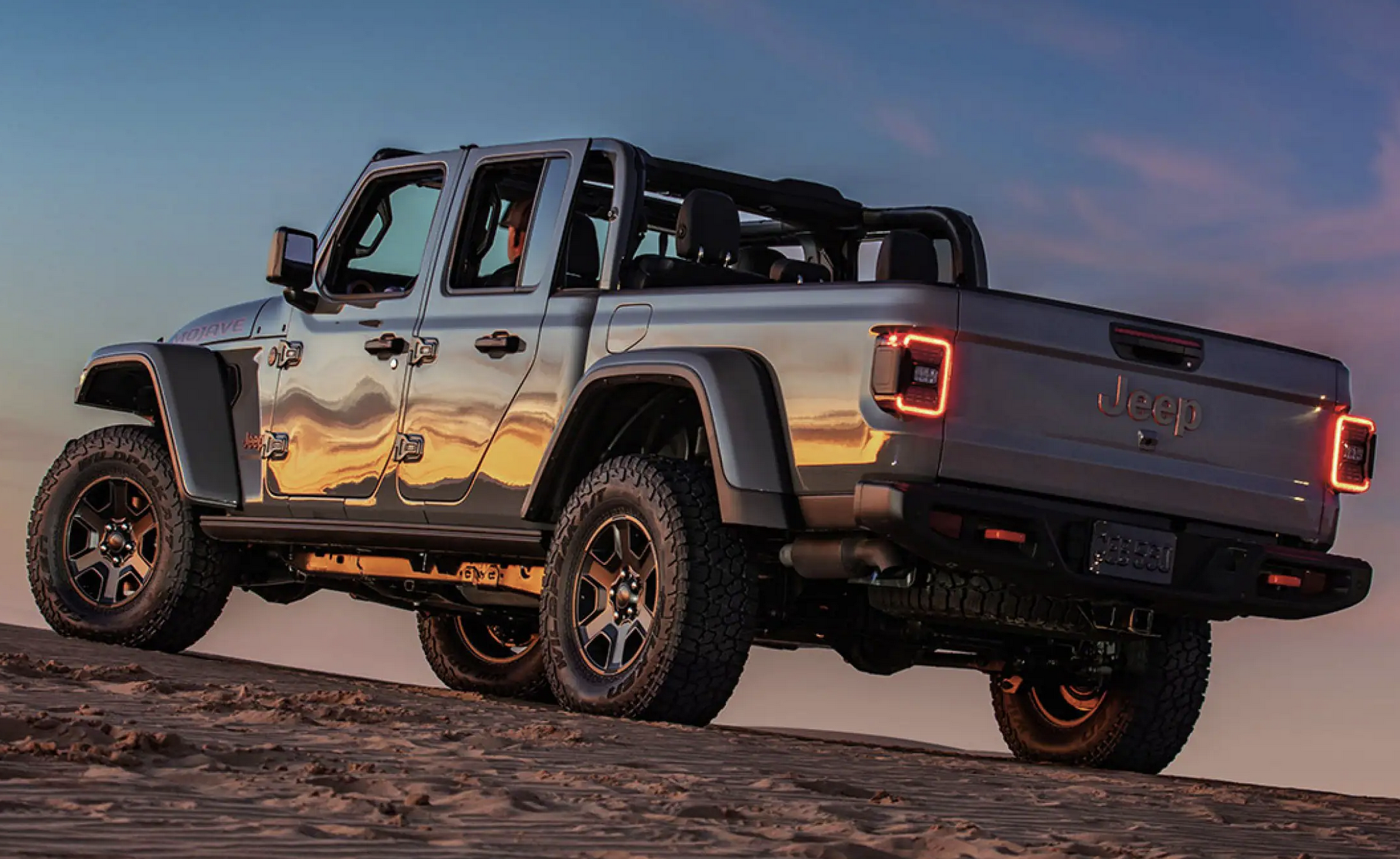
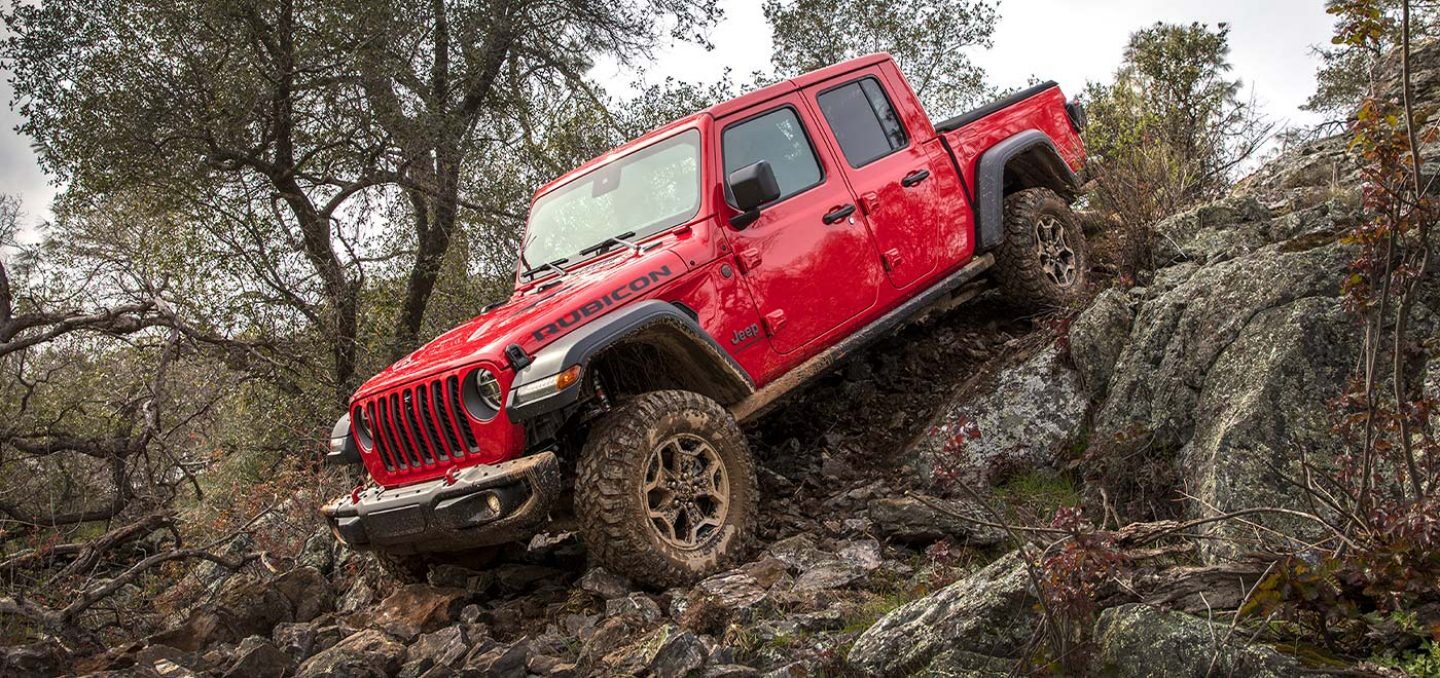
| Rubicon | 4,450 |
| Mojave | 4,650 |
You can see that the Jeep Gladiator Rubicon and Mojave trims are heavier, mainly because of extra equipment for off-road use.
Why Weight Matters For Jeep Gladiator Owners
The weight of your Gladiator affects several things:
- Towing Capacity: A heavier truck usually tows more safely, but total weight must stay under legal limits.
- Payload: This is the weight your truck can carry in its bed and cabin. More vehicle weight can reduce payload.
- Fuel Economy: Heavier vehicles often use more fuel.
- Off-Road Performance: Extra weight can sometimes limit agility, but also helps stability.
Before buying a Gladiator, think about your main use. Will you tow trailers often? Do you need to haul heavy loads? Or is off-road adventure most important?
Jeep Gladiator Weight Compared To Other Trucks
The Jeep Gladiator is not the only midsize pickup in the market. Let’s compare its curb weight to other popular models:
| Truck Model | Curb Weight (lbs) |
|---|---|
| Jeep Gladiator | 4,100–4,650 |
| Toyota Tacoma | 3,800–4,300 |
| Ford Ranger | 4,145–4,441 |
| Chevrolet Colorado | 3,935–4,491 |
| Nissan Frontier | 4,155–4,600 |
The Gladiator is slightly heavier than most rivals. This comes from its strong frame, four-door body, and unique features.
Key Factors Affecting Gladiator Weight
Several things can change the weight of your Jeep Gladiator:
- Engine Type: The standard 3.6L V6 engine is lighter than the optional diesel.
- Transmission: Automatic transmission adds extra weight.
- 4WD System: All Gladiators are 4WD, but special systems like Rubicon’s Rock-Trac are heavier.
- Hard Top vs Soft Top: Hard tops weigh more than soft tops.
- Aftermarket Accessories: Adding winches, bumpers, and roof racks increases weight.
Here is a quick look at how some options change the weight:
| Option | Weight Increase (lbs) |
|---|---|
| Diesel Engine | +250 |
| Hard Top | +100 |
| Steel Bumper | +80 |
| Winch | +45 |
Many beginners overlook how quickly accessories and upgrades add weight. If you plan to install heavy equipment, always check your truck’s maximum payload and towing limits.
Real-life Tips For Managing Gladiator Weight
- Check your owner’s manual for exact weight figures for your trim and options.
- Don’t overload the bed or cabin. This can reduce safety and damage the suspension.
- Upgrade tires and brakes if you add heavy accessories.
- Balance weight between the front and rear for better control, especially off-road.
- If you carry extra cargo often, consider air suspension kits to help with heavy loads.
A common mistake is forgetting to count the weight of passengers and gear. For example, five adults can add over 800 lbs, which affects both payload and handling.
Jeep Gladiator Weight And Legal Limits
Knowing your Gladiator’s weight is important for legal reasons. Every truck has a Gross Vehicle Weight Rating (GVWR). This is the maximum safe weight including passengers, cargo, and accessories.
For the Gladiator, GVWR is usually 5,800–6,250 lbs depending on trim. Never exceed this number. Doing so may void your warranty or cause unsafe driving.
If you tow a trailer, check the Gross Combined Weight Rating (GCWR). This is the total weight of the truck, trailer, and everything inside both. For Gladiators, GCWR ranges from 11,000–13,000 lbs.
You can find these numbers on the sticker inside the driver’s door or in your owner’s manual. For more official info, visit the manufacturer’s website or trusted sources like Jeep’s official Gladiator page.
Frequently Asked Questions
How Much Does A Jeep Gladiator Weigh With Passengers And Cargo?
A fully loaded Gladiator with five passengers and gear can reach 5,000–5,800 lbs. Always check your GVWR to make sure you stay safe.
Is The Jeep Gladiator Heavier Than The Wrangler?
Yes, the Gladiator is about 500–800 lbs heavier than a four-door Wrangler due to its longer frame and truck bed.
Does Adding A Diesel Engine Increase The Gladiator’s Weight?
The diesel engine option adds roughly 250 lbs compared to the gas V6, affecting both payload and towing.
Can I Reduce The Weight Of My Jeep Gladiator?
You can remove heavy accessories like steel bumpers or hard tops. However, the main frame and body weight cannot be reduced.
What Happens If I Exceed The Gladiator’s Weight Limits?
Exceeding weight limits can cause unsafe handling, damage your truck, and void warranty. It may also be illegal on public roads.
The weight of a Jeep Gladiator is not just a number—it affects performance, safety, and value. By understanding the real figures and their impact, you can make smarter choices as a truck owner. Always check your specific trim and options, plan for extra gear, and stay within legal limits.
The Gladiator’s strong build and smart design make it a great choice, but managing weight is key to getting the best from your truck.