The Jeep Liberty stands out in the automotive world as a vehicle that blends rugged capability with everyday comfort. Many people are curious about what type of car the Jeep Liberty really is, especially since the Jeep brand is famous for off-road vehicles. Is it a true SUV, a crossover, or something unique? Understanding the Jeep Liberty’s identity can help you decide if it fits your needs—whether you want adventure on rough trails or a reliable ride for city streets.
Jeep Liberty: Compact Suv With Off-road Roots
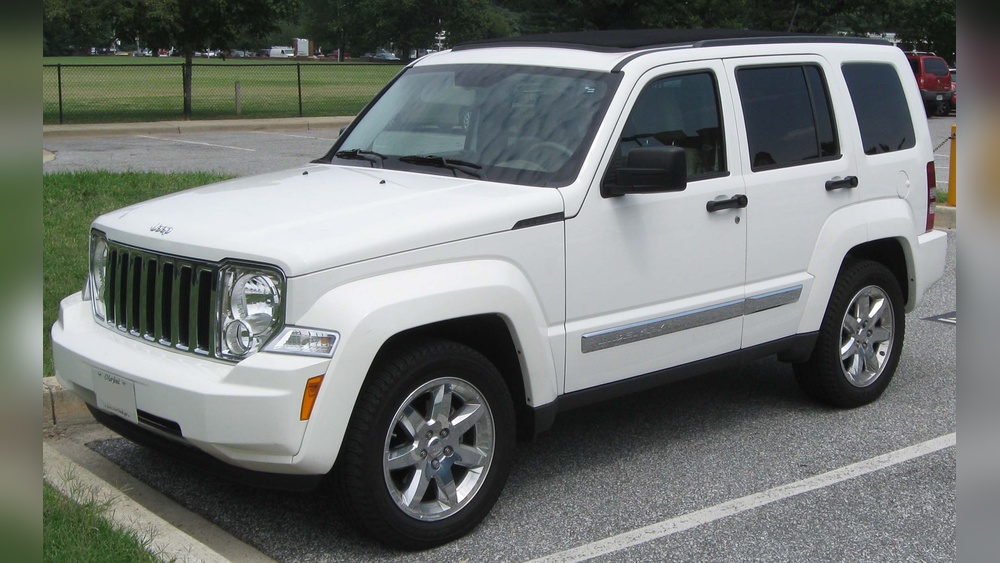
The Jeep Liberty, sold in the United States from 2002 to 2012, is classified as a compact SUV. It was designed to slot between the smaller Jeep Wrangler and the larger Grand Cherokee. The Liberty replaced the Jeep Cherokee (XJ) and was known for its boxy look, high ground clearance, and Jeep’s signature grille.
Unlike many crossovers, the Liberty uses a body-on-frame construction (in its first generation), which is the same style found in traditional off-road vehicles. This design makes it tougher and more suited for rough terrain compared to most city-oriented SUVs. Later models switched to a unibody structure but kept many off-road features.
Key Features That Define The Jeep Liberty
Several characteristics make the Jeep Liberty distinct:
- Four-Wheel Drive (4WD) Options: Most Liberty models offer true 4WD systems, including Command-Trac and Selec-Trac. These systems let drivers handle snow, mud, and rocky paths better than typical front- or all-wheel-drive crossovers.
- Towing Capacity: The Liberty is known for its strong towing ability. Depending on the engine, it can tow up to 5,000 lbs—a high number for a compact SUV.
- Engine Choices: Over its production run, the Liberty featured a range of engines, from a 2.4L inline-4 to a 3.7L V6. A 2.8L diesel option was briefly available, which was rare for SUVs in its class.
- Solid Rear Axle: The first generation used a solid rear axle, a feature often found in trucks and off-road vehicles. This made the Liberty more capable off-road but less smooth on paved roads.
- Boxy, Functional Design: The Liberty’s shape is not just for style—it helps with visibility and cargo space. The squared-off roof and tall windows are practical for adventure gear and passengers.

Comparing The Jeep Liberty To Other Suvs
To better understand where the Jeep Liberty fits, see how it compares to similar vehicles.
| Model | Years Produced | Type | Drivetrain | Towing Capacity (max) |
|---|---|---|---|---|
| Jeep Liberty | 2002–2012 | Compact SUV | RWD/4WD | 5,000 lbs |
| Honda CR-V | 1997–Present | Compact Crossover | FWD/AWD | 1,500 lbs |
| Toyota RAV4 | 1994–Present | Compact Crossover | FWD/AWD | 3,500 lbs |
| Ford Escape | 2000–Present | Compact SUV/Crossover | FWD/AWD | 3,500 lbs |
As shown above, the Jeep Liberty’s towing power and true 4WD set it apart from many crossovers, which usually focus on comfort and fuel economy.
Off-road Capability Vs. Everyday Comfort
The Liberty was built for people who want both off-road capability and daily usability. Here’s how it balances these needs:
- Ground Clearance: With up to 8.1 inches of ground clearance, the Liberty handles rocks, mud, and snow better than most rivals.
- Short Wheelbase: This helps the Liberty make tight turns on trails but can feel less stable at high highway speeds.
- Interior Comfort: Inside, the Liberty offers supportive seats, easy-to-clean materials, and folding rear seats for added cargo room.
However, the Jeep Liberty is not as smooth or quiet as some newer crossovers. Its fuel economy also trails behind rivals, especially with the V6 engine.
Generations Of The Jeep Liberty
The Jeep Liberty went through two main generations:
| Generation | Years | Main Features |
|---|---|---|
| KJ (First Gen) | 2002–2007 | Boxy design, solid rear axle, 2.4L I4 & 3.7L V6 engines, strong 4WD |
| KK (Second Gen) | 2008–2012 | More refined, unibody frame, improved safety, modern interior, 3.7L V6 only |
The first generation is popular among off-road fans, while the second focused more on comfort and modern features.
Who Should Choose A Jeep Liberty?
The Jeep Liberty is ideal if you want:
- A compact SUV that can handle real off-road challenges
- Strong towing capability for boats, trailers, or campers
- A rugged design with a practical interior
It is less suitable if you care most about fuel economy, a very quiet ride, or the latest technology. The Liberty’s boxy shape and tough suspension can feel outdated compared to newer crossovers.

Many buyers overlook two key facts:
- It’s Not a True Crossover: The Liberty looks like a crossover, but it’s built more like a truck. This means it’s tougher but less “car-like” in handling and comfort.
- Aftermarket Support Is Strong: There are many upgrades available—like lift kits and skid plates—which make the Liberty even more capable for off-road fans.
Also, the Liberty was one of the last compact SUVs to offer a diesel engine in the U. S. , which is rare in this class.
Reliability And Maintenance
The Jeep Liberty is known for its simple mechanics and strong frame. However, some models, especially the 2002–2007 versions, had issues with the window regulators and suspension components. Regular maintenance is important, especially if you use it for off-roading.
Parts are generally affordable, and most repairs can be done by a qualified mechanic. The Liberty’s reliability is average, but it gets high marks for long-term durability if well cared for.
Frequently Asked Questions
What Is The Difference Between A Jeep Liberty And A Jeep Cherokee?
The Jeep Liberty replaced the older Cherokee (XJ) in 2002. The Liberty is smaller than the modern Cherokee and uses a different frame and engines. The Cherokee returned in 2014 as a more car-like crossover, while the Liberty was discontinued in 2012.
Is The Jeep Liberty Good For Off-roading?
Yes, the Liberty is one of the most off-road capable compact SUVs of its era. Its 4WD systems, strong suspension, and ground clearance make it suitable for trails and rough terrain.
How Does The Jeep Liberty’s Fuel Economy Compare To Other Suvs?
The Liberty’s fuel economy is lower than most modern compact SUVs. The V6 models average around 15 22 mpg, depending on driving conditions. Many crossovers now reach 25 30 mpg.
Can The Jeep Liberty Tow A Camper?
Yes, with the right towing package, the Liberty can tow up to 5,000 lbs. This is enough for small campers, boats, or trailers, making it a good choice for outdoor enthusiasts.
Why Did Jeep Stop Making The Liberty?
Jeep stopped the Liberty after 2012 to make room for the new Jeep Cherokee, which offers better fuel economy, more technology, and a smoother ride. The market shifted toward crossovers, and Jeep adapted to meet that demand.
The Jeep Liberty remains a practical choice for drivers who want a compact SUV with real off-road ability. Its rugged build, strong towing, and classic Jeep style make it unique in today’s market. For more details on the Liberty’s history and specs, visit the Wikipedia page.