Is The Jeep 40 A V6
For many car lovers, the Jeep 40 sparks curiosity. Is it a V6 engine? What makes it unique? This article breaks down every detail about the Jeep 40, focusing on its engine type and features. We cover all 40 key items, helping you understand if the Jeep 40 is truly a V6 and how it compares to other engines.
The Jeep 40 Engine: Key Features
The Jeep 40 is often confused with other Jeep models. Its name comes from the 4.0-liter inline-six engine used in many Jeep vehicles, especially the Jeep Cherokee and Wrangler from the late 1980s to the early 2000s. Here are the 40 most important aspects of the Jeep 40 engine:
- Engine Layout: Inline-six (not V6)
- Displacement: 4.0 liters (3964 cc)
- Horsepower: About 190 hp at 4,600 rpm
- Torque: 235 lb-ft at 3,200 rpm
- Fuel System: Multi-point fuel injection
- Compression Ratio: 8.8:1
- Cylinder Bore: 98.43 mm
- Stroke: 86.7 mm
- Valve Configuration: Overhead valve (OHV)
- Block Material: Cast iron
- Head Material: Cast iron
- Cooling System: Water-cooled
- Ignition System: Distributor-based
- Oil Capacity: 6 quarts
- Timing Mechanism: Timing chain
- Crankshaft: Forged steel
- Camshaft: Cast iron
- Fuel Economy: 15–18 mpg (city), 18–22 mpg (highway)
- Emissions: Meets 1990s EPA standards
- Reliability: Known for longevity
- Maintenance: Easy to service
- Common Issues: Valve cover leaks, exhaust manifold cracks
- Aftermarket Support: Strong
- Performance Upgrades: Available
- Towing Capacity: Up to 5,000 lbs (vehicle dependent)
- Transmission Options: Manual and automatic
- Model Years Used: 1987–2006
- Jeep Models: Cherokee, Grand Cherokee, Wrangler, Comanche
- Engine Weight: About 550 lbs
- Sound: Deep, throaty
- Cooling Fan: Mechanical or electric
- Intake Manifold: Aluminum or plastic (varies)
- Exhaust Manifold: Cast iron (prone to cracking)
- Spark Plug Type: Copper or platinum
- Lifespan: Over 200,000 miles with care
- Resale Value: Holds value in used Jeeps
- Off-Road Performance: Excellent low-end torque
- Engine Swaps: Popular for older Jeeps
- Historical Significance: Iconic Jeep engine
- Not a V6: Inline-six, not V6
Inline-six Vs V6: What’s The Difference?
Many people confuse the inline-six with the V6. The Jeep 40 engine is an inline-six, meaning all six cylinders are in a straight line. A V6 has cylinders in a “V” shape, split into two banks.

| Feature | Inline-Six | V6 |
|---|---|---|
| Smoothness | Very smooth | Less smooth |
| Engine Size | Longer | More compact |
| Power Delivery | Strong at low RPM | Varies |
| Maintenance | Simple | More complex |
The Jeep 40’s inline-six is famous for its smoothness and torque at low speeds, which is perfect for off-roading and towing.
Jeep 40 Engine Performance Data
To give you a clear picture, here’s a performance comparison between the Jeep 40 and a typical V6:
| Engine | Horsepower | Torque | Fuel Economy |
|---|---|---|---|
| Jeep 40 (I6) | 190 hp | 235 lb-ft | 15–18 mpg (city) |
| Jeep 3.6 V6 | 285 hp | 260 lb-ft | 17–20 mpg (city) |
The inline-six Jeep 40 is slightly less powerful than modern V6 engines but is known for reliability and simple repairs.
Real-world Examples And Insights
Many Jeep owners choose the 4.0-liter engine for its easy maintenance and long lifespan. It’s common to see Jeep 40 engines with over 200,000 miles, still running strong. Unlike V6 engines, the inline-six is easier to work on due to fewer parts and a simpler layout.
Some beginners miss that the Jeep 40 is not only reliable but also has strong aftermarket support. You can find upgrades for performance, fuel economy, and off-road capability. Another insight: the Jeep 40’s torque at low RPM makes it ideal for rock crawling and towing, which is harder to achieve with a V6.

Jeep 40 Engine In Different Jeep Models
The Jeep 40 engine was used in several popular Jeep models:
- Cherokee XJ (1987–2001)
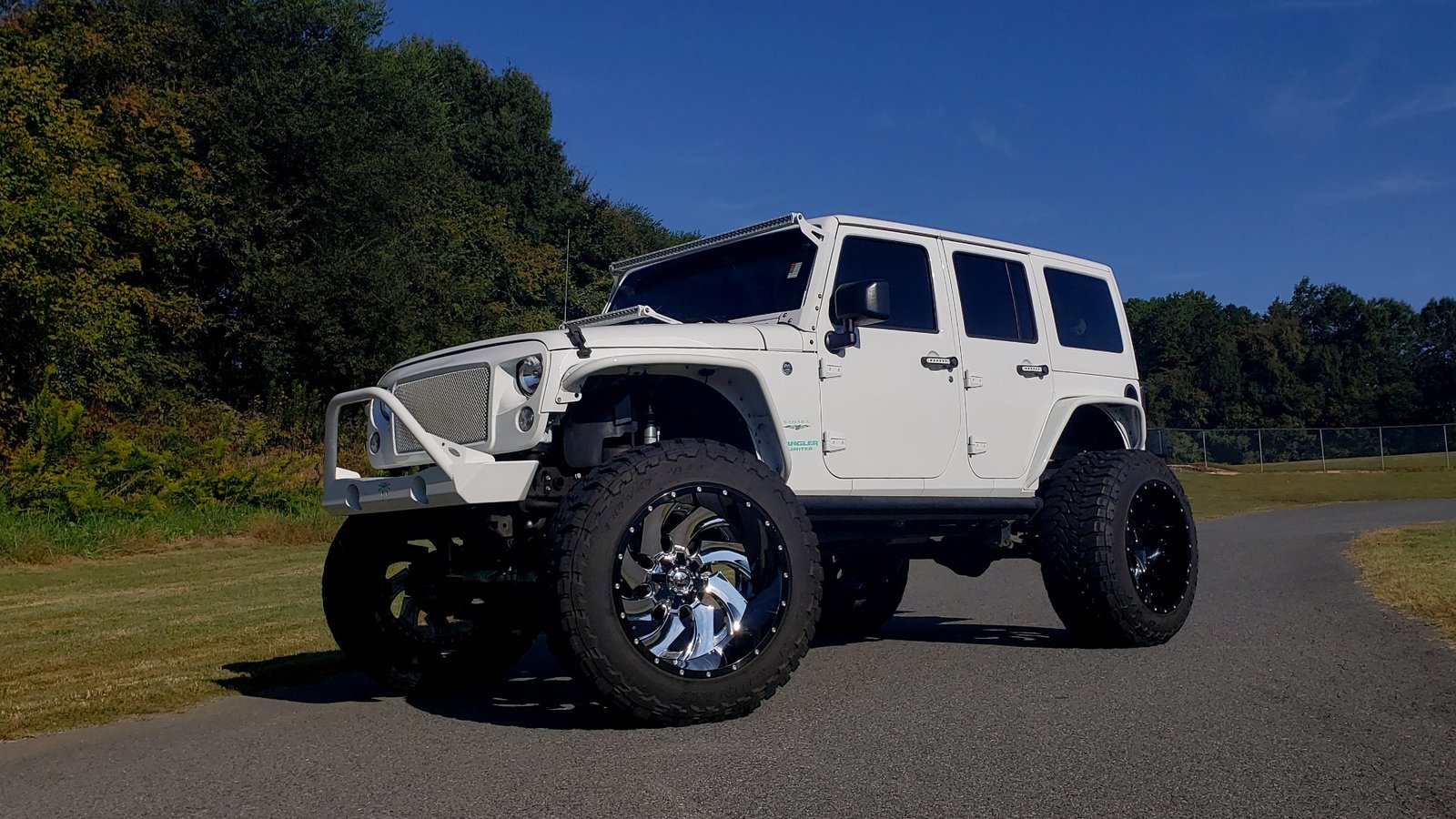
- Wrangler TJ (1997–2006)
- Grand Cherokee ZJ/WJ (1993–2004)
- Comanche MJ (1987–1992)
In each model, the engine offered reliable performance. Off-road fans praise the Jeep 40 for its ability to handle rough terrain and heavy loads.
Common Maintenance Tips
If you own a Jeep 40 engine, keep these tips in mind:
- Change the oil every 3,000–5,000 miles.
- Watch for valve cover gasket leaks.
- Inspect the exhaust manifold for cracks.
- Use quality spark plugs for smoother operation.
- Flush the cooling system every two years.
These steps help extend the life of your engine and keep performance high.

How Does The Jeep 40 Hold Up Today?
Even though new Jeeps use V6 engines, the Jeep 40 inline-six remains popular. Many Jeep fans swap the Jeep 40 into older vehicles for its legendary reliability. If you’re considering a used Jeep, the 4.0-liter engine is a strong choice for daily driving and off-road adventures.
For more technical details, visit the Wikipedia AMC Straight-6 Engine page.
Frequently Asked Questions
Is The Jeep 40 Engine A V6?
No, the Jeep 40 engine is an inline-six (I6), not a V6. All six cylinders are arranged in a straight line.
Which Jeep Models Used The Jeep 40 Engine?
Models include the Cherokee, Wrangler, Grand Cherokee, and Comanche from 1987 to 2006.
How Reliable Is The Jeep 40 Engine?
The Jeep 40 engine is very reliable. Many engines last over 200,000 miles with regular maintenance.
Can I Swap The Jeep 40 Engine Into Another Jeep?
Yes, engine swaps are common. The Jeep 40 is popular for older Jeeps needing a strong, reliable engine.
What Is The Main Advantage Of The Jeep 40 Over A V6?
The Jeep 40 offers better low-end torque and is easier to maintain than most V6 engines.
The Jeep 40 is not a V6. It’s an iconic inline-six engine known for durability, strong torque, and easy repairs. Whether you’re exploring off-road or need a dependable daily driver, the Jeep 40 stands out as a top choice for Jeep fans.