The Jeep Wrangler is an icon among off-road vehicles. It attracts adventurers, outdoor lovers, and those who want a rugged SUV with personality. But when you’re choosing a Wrangler, two popular trims often stand out: Rubicon and Sport. Each offers a unique experience, from basic capability to advanced features for extreme terrain. So, which one is right for you? Let’s break down their strengths, differences, and help you make an informed choice.
Key Features And Differences
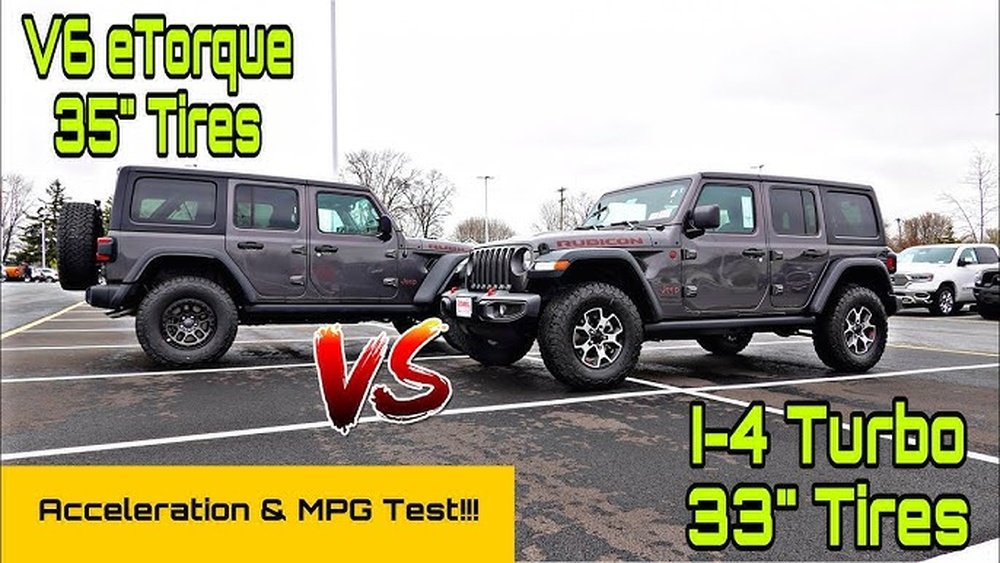
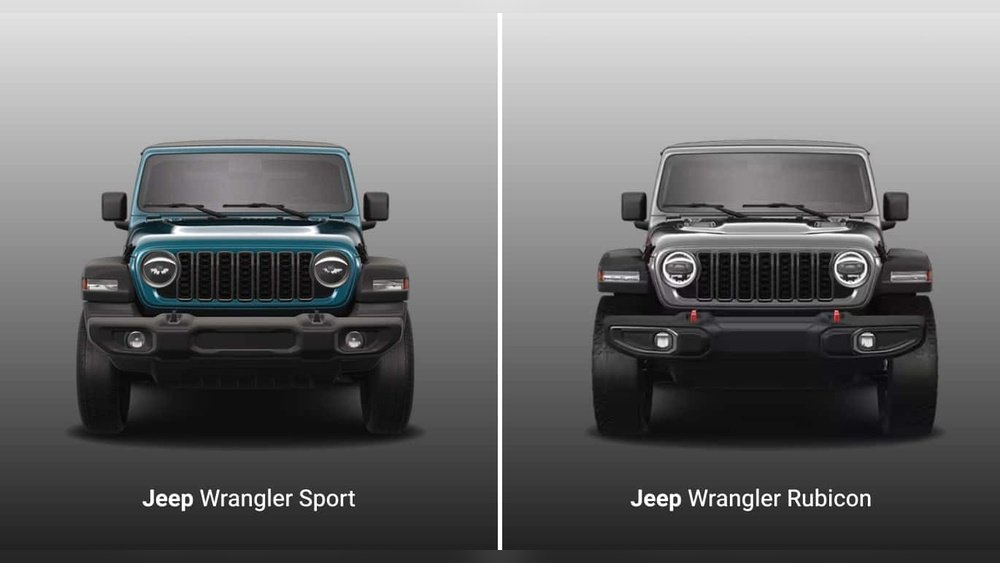
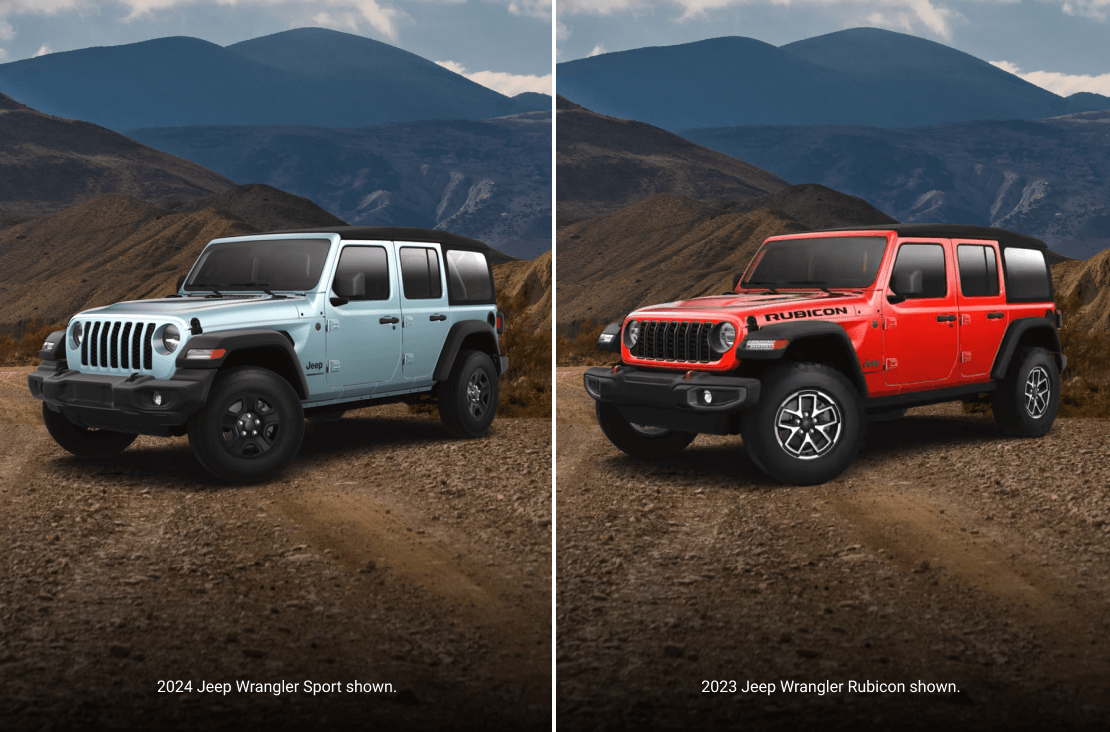
To understand these two models, it’s useful to compare their main features side-by-side. The Rubicon is built for serious off-roading, while the Sport is the entry-level Wrangler, offering essential Jeep qualities at a lower price.
| Feature | Rubicon | Sport |
|---|---|---|
| Engine Options | 3.6L V6, 2.0L Turbo, Diesel | 3.6L V6, 2.0L Turbo |
| 4×4 System | Rock-Trac | Command-Trac |
| Locking Differentials | Front & Rear | No |
| Suspension | Heavy-Duty, Off-Road | Standard |
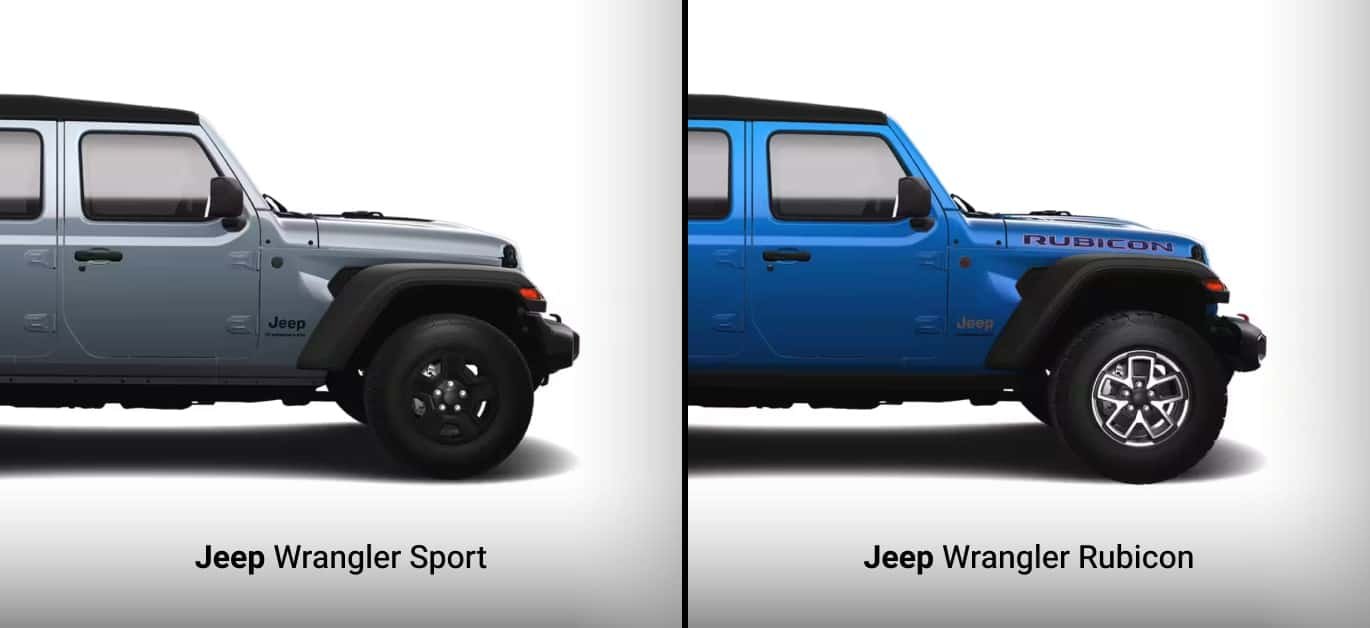
| Wheels/Tires | 33″ All-Terrain | 32″ All-Season |
| Price (Base) | $46,000 | $33,000 |
The Rubicon’s advanced 4×4 system and heavy-duty parts make it more capable in tough conditions. The Sport is simpler, but still delivers classic Jeep performance.
Off-road Capability
Wrangler’s reputation is built on off-road performance. The Rubicon stands out here, offering features that make it one of the best factory-built off-road SUVs in the world.
Rubicon
- Rock-Trac 4×4 system: Offers better torque and control.
- Electronic locking differentials: Helps with traction on uneven ground.
- Disconnecting front sway bar: Allows more wheel movement for steep climbs.
- 33-inch tires: Handle rocks and mud with ease.
- High ground clearance: Up to 10.8 inches.
Sport
- Command-Trac 4×4 system: Good for sand, snow, and light trails.
- Standard suspension: Less flexible than Rubicon.
- 32-inch tires: Suitable for basic trails and daily driving.
- Ground clearance: About 9.7 inches.
If you plan to tackle rough mountain paths or deep mud, the Rubicon is a clear winner. For light off-roading or city driving, the Sport is more than enough.
Everyday Comfort And Features
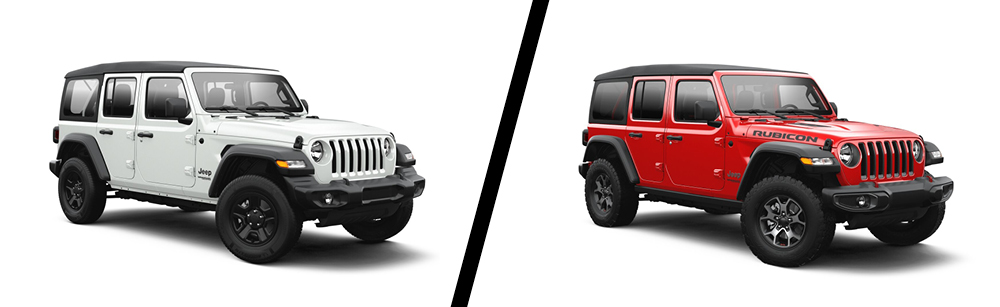
Both models are designed to be practical, but the Rubicon includes more comfort and tech options.
| Feature | Rubicon | Sport |
|---|---|---|
| Seats | Cloth/Leather, Heated (optional) | Cloth |
| Infotainment | 8.4″ touchscreen, navigation | 7″ touchscreen |
| Air Conditioning | Standard | Optional |
| Removable Roof | Standard | Standard |
| Safety Features | More options (blind spot, rear sensors) | Basic |
Rubicon buyers can enjoy advanced tech and luxury touches, while the Sport remains simple and functional.
Value And Price
Cost is a big factor for many buyers. The Sport is the most affordable Wrangler, while the Rubicon is among the most expensive.
- Wrangler Sport: Starts at about $33,000. It’s the best choice if you want a Jeep experience without a high price. You can add options, but the price rises quickly.
- Wrangler Rubicon: Starts at around $46,000. You pay for advanced off-road parts and extra comfort. Fully loaded, it can reach $60,000.
Both models hold their value well. Wranglers are known for strong resale prices, especially if well maintained.
Real-world Examples
Consider two drivers:
- Sarah lives in Colorado. She loves hiking and often drives on rocky trails. Her Rubicon’s locking differentials and big tires help her go places most SUVs can’t.
- Mike lives in Florida. He uses his Sport for daily driving and weekend trips to the beach. He enjoys the open roof, but doesn’t need the Rubicon’s extreme features.
These examples show how your lifestyle can guide your choice.
Two Insights Beginners Often Miss
- Rubicon’s extra weight and tires can reduce fuel efficiency. If you drive many miles on pavement, this matters. The Sport is lighter and uses less gas.
- Resale value isn’t just about the trim. Off-road upgrades can boost Rubicon value, but a well-kept Sport with low mileage also sells quickly.
Which Model Should You Choose?
Ask yourself these questions:
- Do you plan to drive on tough, rocky terrain?
- Is price your main concern?
- Do you want luxury features, or just the basics?
If you want to explore mountains, deserts, or mud, the Rubicon is unbeatable. If you need a reliable Jeep for daily life and light adventure, the Sport is smart and affordable.
Frequently Asked Questions
What Is The Main Difference Between Rubicon And Sport?
The Rubicon offers advanced off-road parts like locking differentials, better suspension, and bigger tires. The Sport is simpler, with fewer off-road tools but a lower price.
Is The Rubicon Worth The Extra Money?
If you plan extreme off-road trips, the Rubicon’s features can save you from getting stuck or damaging your vehicle. For city driving or light trails, the Sport is more cost-effective.
Can I Upgrade My Wrangler Sport To Match The Rubicon?
Yes, you can add tires, lift kits, and other parts. But upgrading the 4×4 system and adding locking differentials can be expensive and complex.
Which Model Is Better For Daily Driving?
The Sport is lighter and uses less fuel. It’s easier to park and drive in cities. The Rubicon’s heavy-duty parts may feel rougher on pavement.
How Do Wrangler Resale Values Compare?
Both trims hold value well. Rubicon models with off-road upgrades can be sought-after. A clean, low-mileage Sport is also attractive to buyers. For more details on Jeep resale trends, visit Kelley Blue Book.
Choosing between the Wrangler Rubicon and Sport depends on your needs, budget, and sense of adventure. Both deliver the true Jeep spirit, but each speaks to a different type of driver. With the right research, you’ll find the model that fits your journey best.