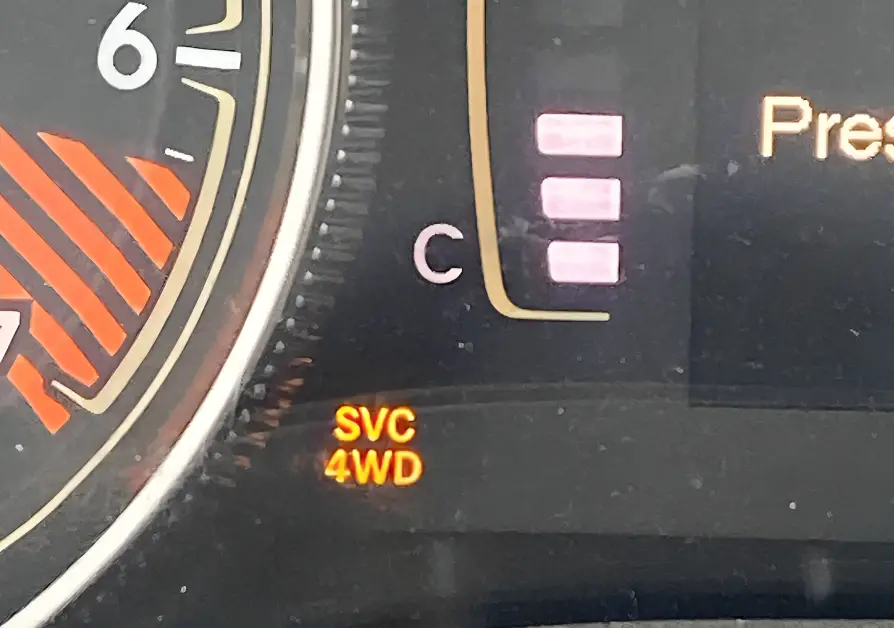
The Jeep Wrangler is an icon among off-road vehicles. Many drivers love its rugged looks and real 4×4 capability. But when choosing a Wrangler, one question often comes up: is the V6 or I4 (inline-4) engine more reliable? Both options have their fans, and both offer different strengths. Let’s break down the real differences, compare key factors, and see which engine stands up best over time.
Jeep Wrangler V6 Vs I4: What’s Under The Hood?
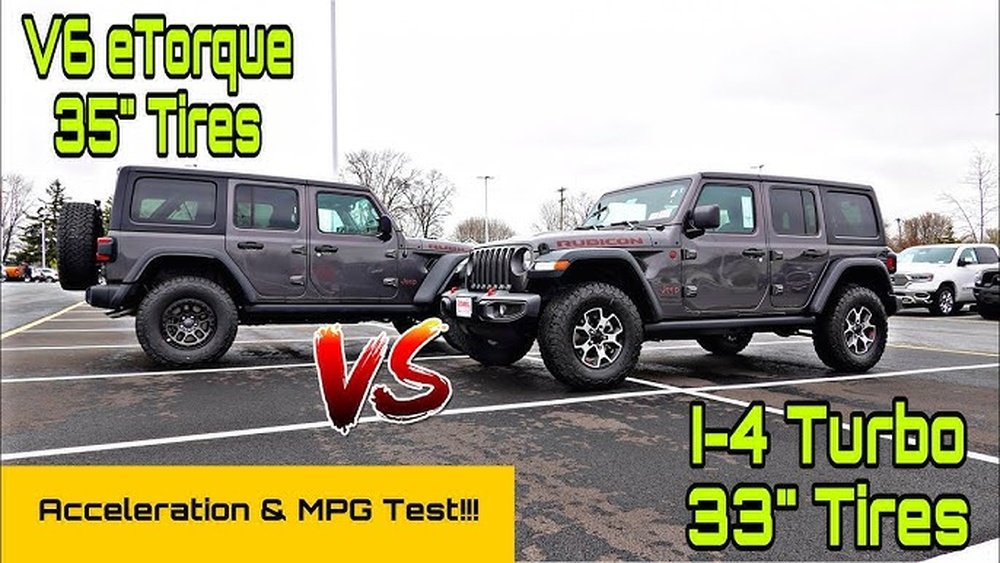
The V6 engine in the Wrangler is the well-known 3.6-liter Pentastar, making about 285 horsepower. The I4 is a 2.0-liter turbocharged engine, producing roughly 270 horsepower but more torque at low speeds. While both engines are strong, their designs are different. The V6 is naturally aspirated, while the I4 uses a turbocharger for extra power.
Here’s a quick look at their basic specs:
| Engine | Displacement | Horsepower | Torque (lb-ft) | Fuel Type |
|---|---|---|---|---|
| V6 (Pentastar) | 3.6L | 285 | 260 | Regular Gasoline |
| I4 Turbo | 2.0L | 270 | 295 | Regular Gasoline |
1. Engine Design And Longevity
V6 engines have a long history in the Wrangler. The Pentastar V6 is known for its solid construction and can often reach over 200,000 miles with proper care. It uses fewer high-pressure parts, which means less stress on engine components.
The I4 turbo is newer in the Wrangler. Turbo engines run at higher pressures and heat, which may wear out some parts faster, like the turbocharger itself. However, modern turbos are much more reliable than older designs. Still, because it’s a newer engine for Jeep, there is less long-term data.
A common point beginners miss: The turbo in the I4 needs careful maintenance. Regular oil changes and letting the engine cool down after hard driving help the turbo last longer.
2. Maintenance Costs And Complexity
V6 engines are simpler. Fewer moving parts mean fewer things can break. Typical maintenance includes oil, spark plugs, and air filters—nothing out of the ordinary.
I4 turbo engines have more complex systems. The turbo, intercooler, and direct injection all add possible failure points. For example, carbon buildup on intake valves is a common concern with direct injection engines.
Here’s a comparison of typical maintenance costs:
| Service | V6 Cost ($) | I4 Turbo Cost ($) |
|---|---|---|
| Oil Change | 60–90 | 70–100 |
| Spark Plugs (full set) | 100–150 | 120–200 |
| Turbo Service/Replacement | N/A | 1,000–2,000 |
While regular costs are close, the I4 can be more expensive if the turbo needs work.
3. Real-world Reliability Data
Reliability scores from sources like Consumer Reports and J.D. Power put the V6 slightly ahead. The Pentastar V6 has a proven record in Wranglers, minivans, and other vehicles. Most reports show low rates of major engine problems over the first 100,000 miles.
The I4 turbo is newer, and some owners have reported issues like turbo failure and oil leaks. However, these are not widespread yet. Owners who keep up with maintenance usually avoid major problems.
One surprising insight: The V6 can be more forgiving if you miss a maintenance interval, while the turbo I4 is less tolerant. Skipping oil changes or using the wrong oil hurts the I4 more.
4. Performance And Driving Style
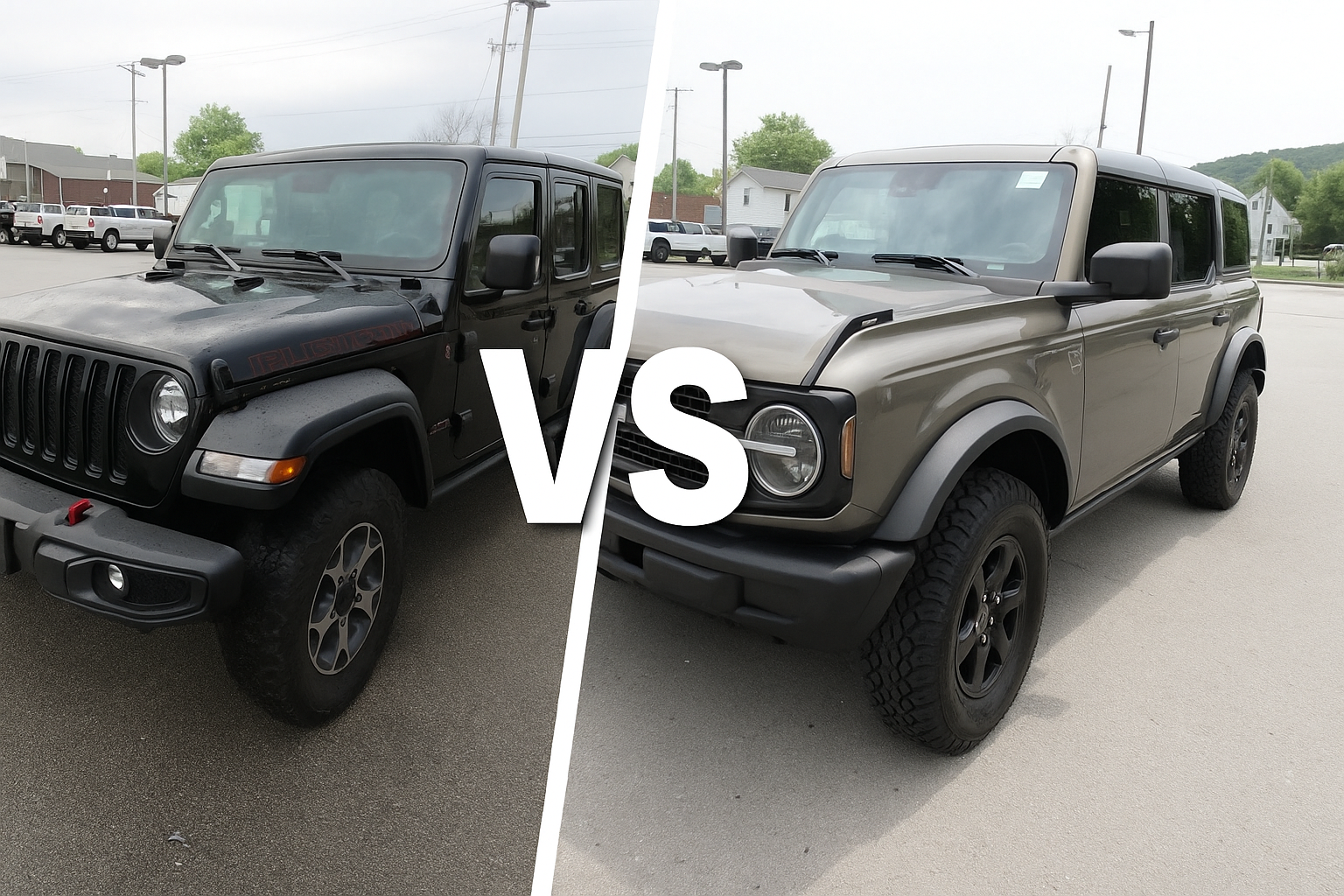
Some buyers think reliability is only about engine parts, but how you drive matters. The V6 is smooth, with steady power. It’s great for long trips and off-roading because it doesn’t rely on a turbo for torque.
The I4 turbo gives strong low-end torque, which feels powerful in city driving. But if you push the turbo hard often, it can wear out faster. For drivers who tow heavy loads or do a lot of rock crawling, the V6’s steady power is easier on the engine.
5. Fuel Economy And Cost Of Ownership
The I4 turbo is designed for better fuel efficiency. In real-world driving, many owners see 1–2 mpg better than the V6, especially in city traffic. Over 100,000 miles, this can save hundreds of dollars on gas.
But, the cost of ownership is not just fuel. If you plan to keep your Wrangler for 10+ years, the risk of higher repair bills with the I4 turbo could cancel out fuel savings.
Short-term owners may benefit more from the I4’s efficiency.
6. Resale Value And Market Perception
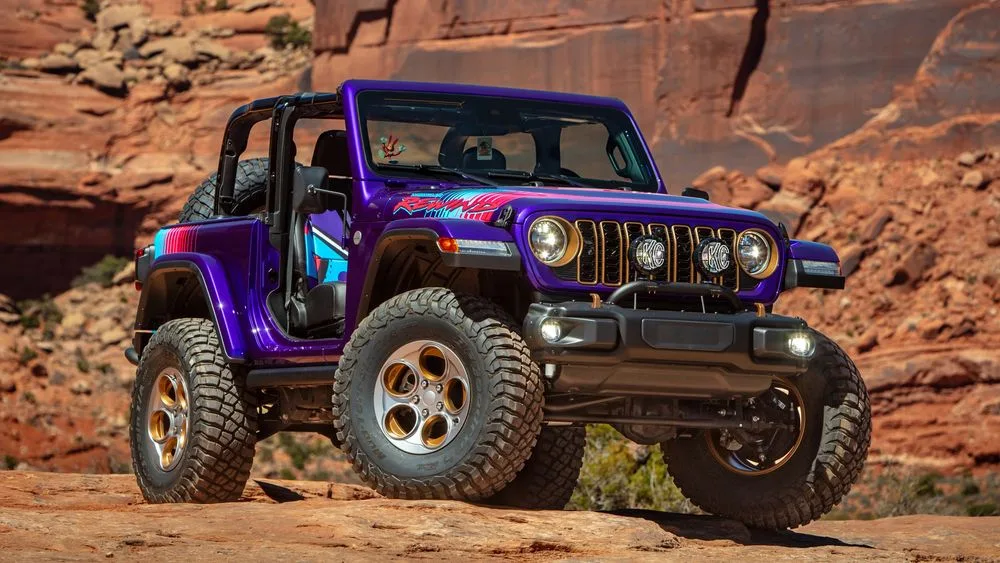
The V6 is often seen as the “safe bet.” Many used buyers trust its track record, which can keep resale values strong. A Wrangler with a V6 often sells faster on the used market.
The I4 turbo is newer, and some buyers worry about long-term repairs. While it may not hurt resale value today, unknowns about turbo lifespan could be a concern in five or ten years.
Here’s how resale often compares (after 5 years):
| Engine | Average Resale Value (%) | Buyer Demand |
|---|---|---|
| V6 | 60–65% | High |
| I4 Turbo | 58–62% | Medium |
Which Engine Should You Choose?
If you want proven reliability and simple upkeep, the V6 is hard to beat. It’s the right choice for heavy off-road use or if you plan to keep your Wrangler for many years. If you’re more focused on daily driving, value fuel savings, and don’t mind careful maintenance, the I4 turbo is a modern, efficient option.
One extra tip: Always check for recalls and service bulletins before buying, as these can affect reliability over time. For more detailed owner experiences, you can visit the official Jeep Wrangler Wikipedia page.
Frequently Asked Questions
Is The Jeep Wrangler V6 More Reliable Than The I4 Turbo?
Yes, the V6 has a longer track record and fewer reported major issues. It’s less complex and usually lasts longer if maintained.
Does The I4 Turbo Require Special Maintenance?
The I4 turbo needs regular oil changes with the correct oil type. It’s important to let the engine cool after hard driving to protect the turbo.
Which Engine Is Better For Off-roading?
The V6 is usually better for off-roading. Its smooth power and simpler design handle rough conditions well. The I4 turbo can do it, but long-term stress may affect reliability.
Will The I4 Turbo Save Money In The Long Run?
It can save on fuel, but possible higher repair costs especially if the turbo fails might offset those savings over many years.
Are There Common Problems With Either Engine?
The V6 has few common issues, though some early years had minor oil leaks. The I4 turbo may see turbo or oil system problems if not maintained well, but most owners do not have major trouble.
Choosing the right Wrangler engine depends on your driving needs and how long you plan to keep your vehicle. Both engines are good, but understanding their strengths and weaknesses helps you make the best choice for your adventure.