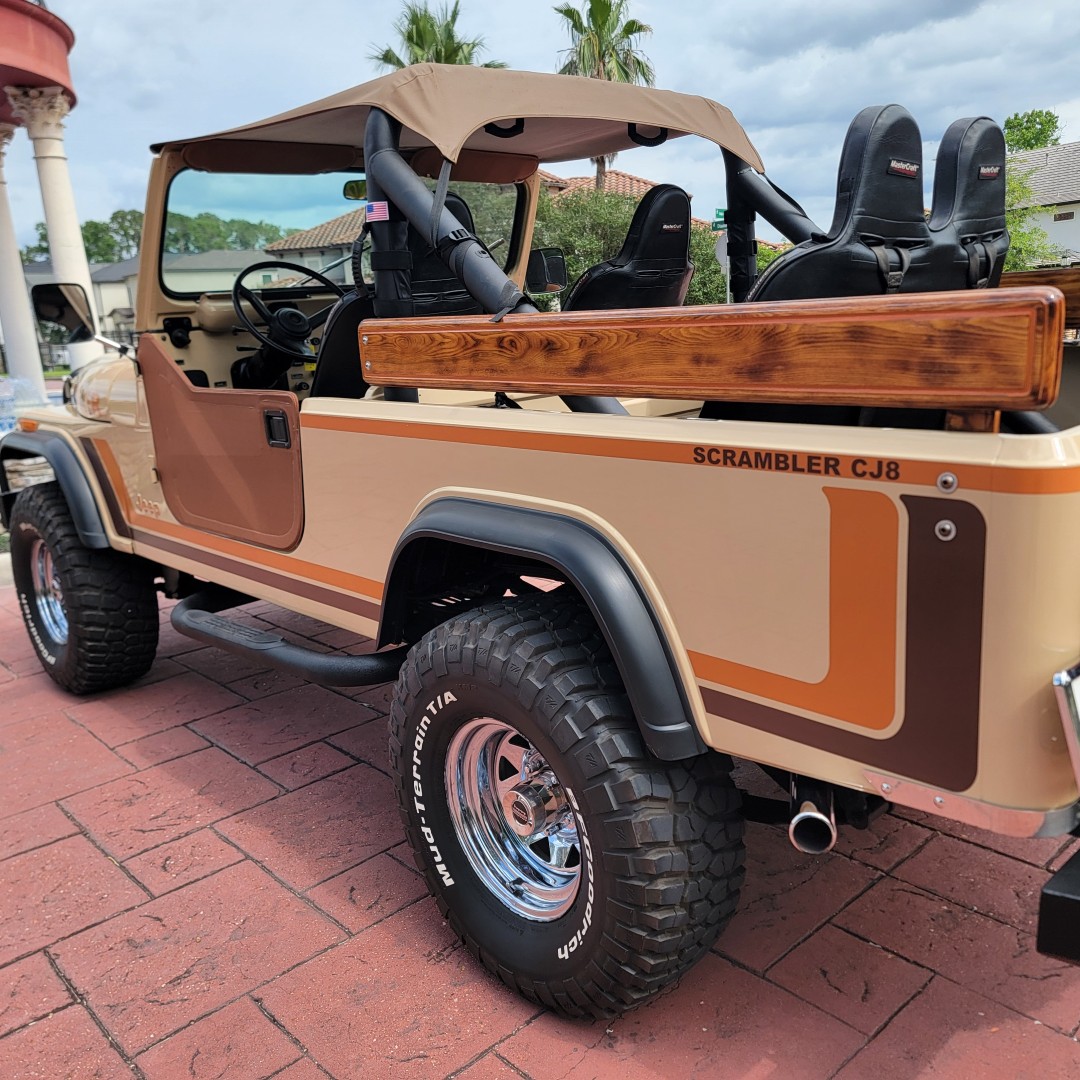
The Jeep Scrambler is a rare sight on the road today. This classic pickup, officially known as the CJ-8, was produced between 1981 and 1986. Many car lovers wonder how many Jeep Scramblers are left, and what makes them so special. If you are thinking about owning one, or just curious about their history, this article will help you understand their current numbers, why they are rare, and what affects their survival.
Why The Jeep Scrambler Is Rare
The Jeep Scrambler stands out because it blends the rugged nature of a Jeep with the practicality of a pickup. Only about 27,000 Scramblers were built during its short production run. That is a small number compared to other Jeep models.
Many Scramblers were used for tough work, off-roading, and daily driving. This means a lot were worn out, rusted, or wrecked.
Also, the Scrambler was not as popular as other Jeeps, so fewer were sold new. Today, collectors and Jeep fans value them highly because they are hard to find in good condition.
How Many Scramblers Are Still Around?
It is difficult to know the exact number of Jeep Scramblers left. No official register tracks every Scrambler. Still, experts and clubs estimate that around 8,000–12,000 Scramblers survive worldwide, with most in the United States.
Here is a comparison showing estimated numbers:
| Year | Scramblers Produced | Estimated Surviving |
|---|---|---|
| 1981 | ~8,000 | ~3,000 |
| 1982 | ~7,000 | ~2,500 |
| 1983 | ~6,000 | ~2,000 |
| 1984-86 | ~6,000 | ~2,500 |
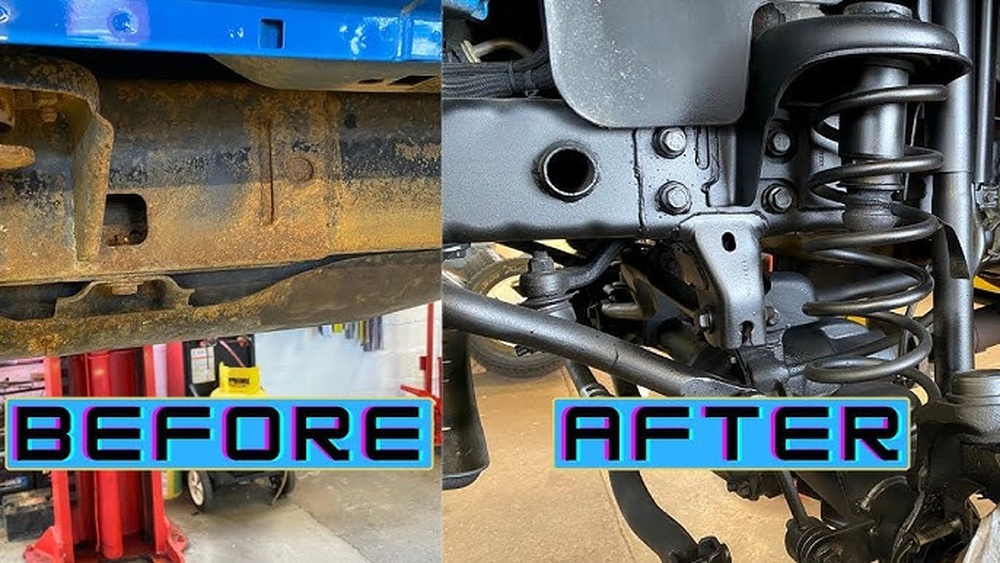
Most surviving Scramblers are not in original shape. Many have been restored, modified, or need repairs. The rust problem is big for these trucks, especially in areas with snowy winters or salty roads.
Factors That Affect Survival
Several things impact how many Scramblers survive today:
- Usage: Most Scramblers were used for off-roading and work. Rough use leads to faster wear and tear.
- Climate: Trucks in dry climates (like California or Arizona) survive better than those in humid or snowy places.
- Restoration: Scramblers that are restored can last decades, but restoration is costly. Only passionate owners invest in this.
- Parts Availability: Original parts are hard to find. Some owners use parts from other Jeep models, which changes the truck’s value.
Here is a quick comparison between Scramblers in dry and wet climates:
| Condition | Dry Climate | Wet Climate |
|---|---|---|
| Body Rust | Low | High |
| Mechanical Wear | Moderate | High |
| Survival Rate | Higher | Lower |
Where Are Most Scramblers Found?
The United States has the largest number of Scramblers. States with dry weather—like California, Arizona, and Texas—have more surviving examples. Jeep clubs and classic car groups keep track of Scramblers, but there is no single registry.
Some Scramblers are found overseas, especially in Canada and Australia. However, exports were limited, so numbers outside the US are much lower.
Non-obvious Insights For Scrambler Owners
Most beginners miss these two points:
- Scramblers are often misidentified. Some are listed as CJ-7 or other models. Always check the VIN (Vehicle Identification Number) to confirm.
- Original hardtops and accessories are very rare. Many Scramblers have soft tops or aftermarket parts, which affect value and authenticity.
If you plan to buy one, inspect the frame closely. The frame is stronger than the body, but rust can destroy it. Also, check for rare original features like the long cargo bed and specific trim.
Value And Collectibility
The value of a Scrambler depends on condition, originality, and location. Restored Scramblers can sell for $20,000–$40,000. Rare models or limited editions can be higher. Trucks needing restoration are cheaper but require a big investment.
Here is a simple value comparison:
| Condition | Estimated Value |
|---|---|
| Restored, Original | $30,000–$40,000 |
| Restored, Modified | $20,000–$30,000 |
| Needs Restoration | $8,000–$15,000 |
Many buyers make mistakes by not checking for frame rust or mismatched parts. If you want a Scrambler as an investment, focus on models with original features.
Tips For Finding And Preserving A Scrambler
If you want to find a Scrambler, join Jeep clubs or classic car groups. These communities share leads and knowledge. Search online auctions, but be careful—photos can hide problems.
To preserve a Scrambler:
- Store it indoors or cover it well.
- Wash and check for rust often.
- Use original or high-quality parts.
- Avoid salty roads if possible.
Restoration can be rewarding, but it takes patience and money. Some owners spend years collecting parts and fixing details.
Frequently Asked Questions
How Do I Identify A Real Jeep Scrambler?
Look for the CJ-8 model code on the VIN plate. The Scrambler has a longer wheelbase than the CJ-7 and a pickup bed.
What Causes Most Scramblers To Disappear?
The main reasons are rust, rough use, and accidents. Many were not stored properly, leading to heavy damage.
Are Scramblers Good For Daily Driving?
They can be, but comfort is basic. Scramblers are best for simple tasks, off-roading, or as collector vehicles.
What Is The Rarest Scrambler Model?
The 1981 Laredo package is very rare. It had special trim and features that few Scramblers received.
Where Can I Find Parts For A Scrambler?
Look at Jeep specialty shops, online forums, or classic car shows. Some parts fit from other Jeep models, but original Scrambler parts are harder to find. For more details, check the Jeep CJ-8 Wikipedia page.
The Jeep Scrambler is a unique piece of automotive history. While only a few thousand remain, their value and charm are growing every year. If you are lucky enough to find one, take care of it—it’s a rare survivor.