Jeep Jk Vs Jl Wheels: What Owners Need To Know
Choosing the right wheels for your Jeep is more than just style—it’s about fit, performance, and safety. Jeep JK and JL models are both popular, but their wheels are not always interchangeable. Many Jeep owners wonder if JK wheels will fit a JL, or vice versa.
This guide will break down the real differences, compatibility concerns, and what you should consider before swapping or upgrading wheels.
Jeep Jk And Jl Overview
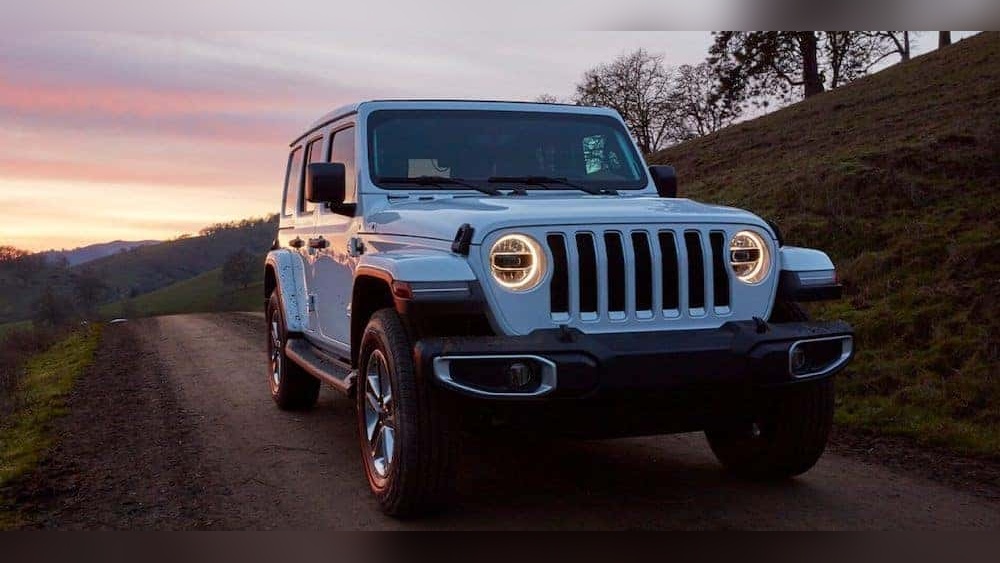
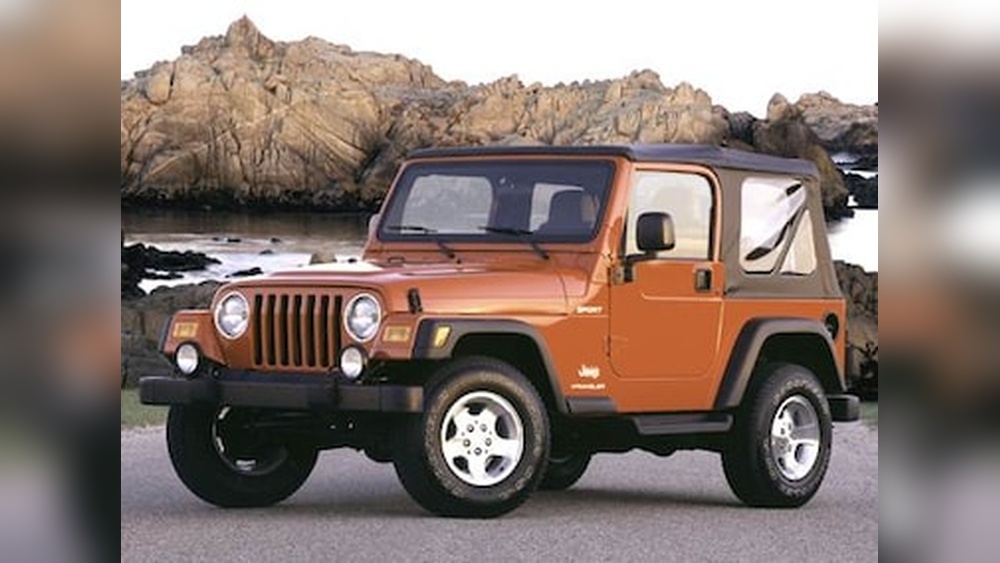
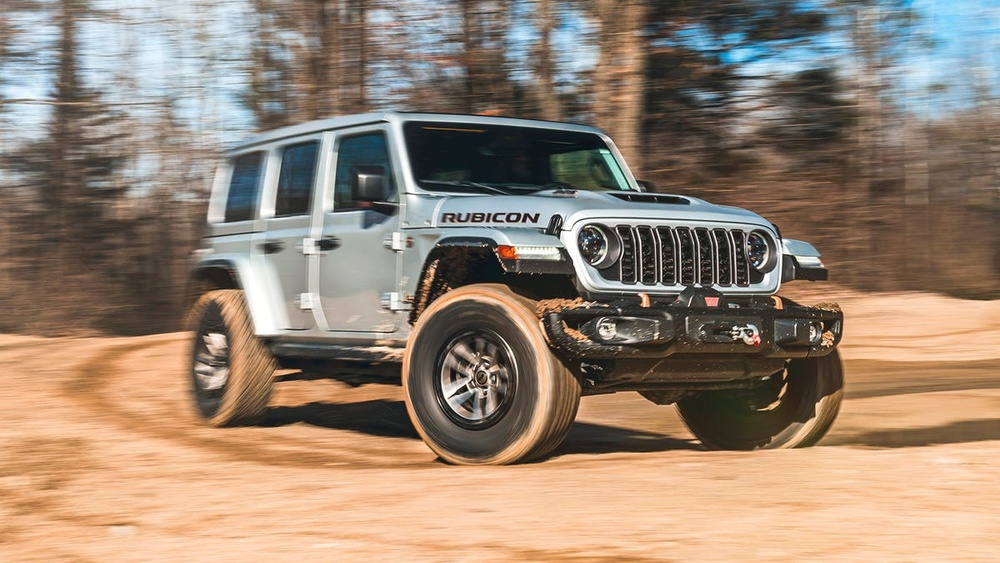
The Jeep Wrangler JK was produced from 2007 to 2018. The Jeep Wrangler JL started in 2018 and is still in production. Both models are famous for off-road abilities, but the JL brought many updates, including changes to the wheel design.
A quick summary:
- JK models: 2007–2018
- JL models: 2018–present
These differences affect the wheels in several ways, including bolt patterns, offsets, and center bores.
Wheel Sizes And Specifications
Understanding wheel specs is key. Here’s a side-by-side comparison of the basic wheel specs for each model:
| Spec | JK | JL |
|---|---|---|
| Bolt Pattern | 5×127 mm (5×5″) | 5×127 mm (5×5″) |
| Stock Wheel Size | 17×7.5″, 18×7.5″ | 17×7.5″, 18×7.5″ |
| Offset | +25 mm | +44 mm |
| Center Bore | 71.5 mm | 71.5 mm |
At first glance, the bolt pattern and center bore are the same. But the offset is different. This affects how the wheels sit in the wheel wells.
Jk Vs Jl Wheel Offset: Why It Matters
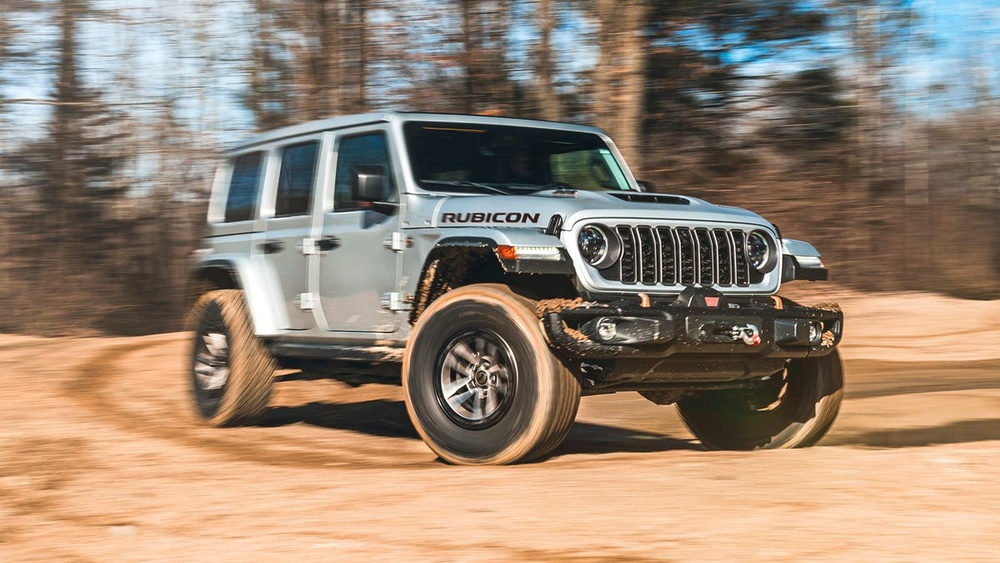
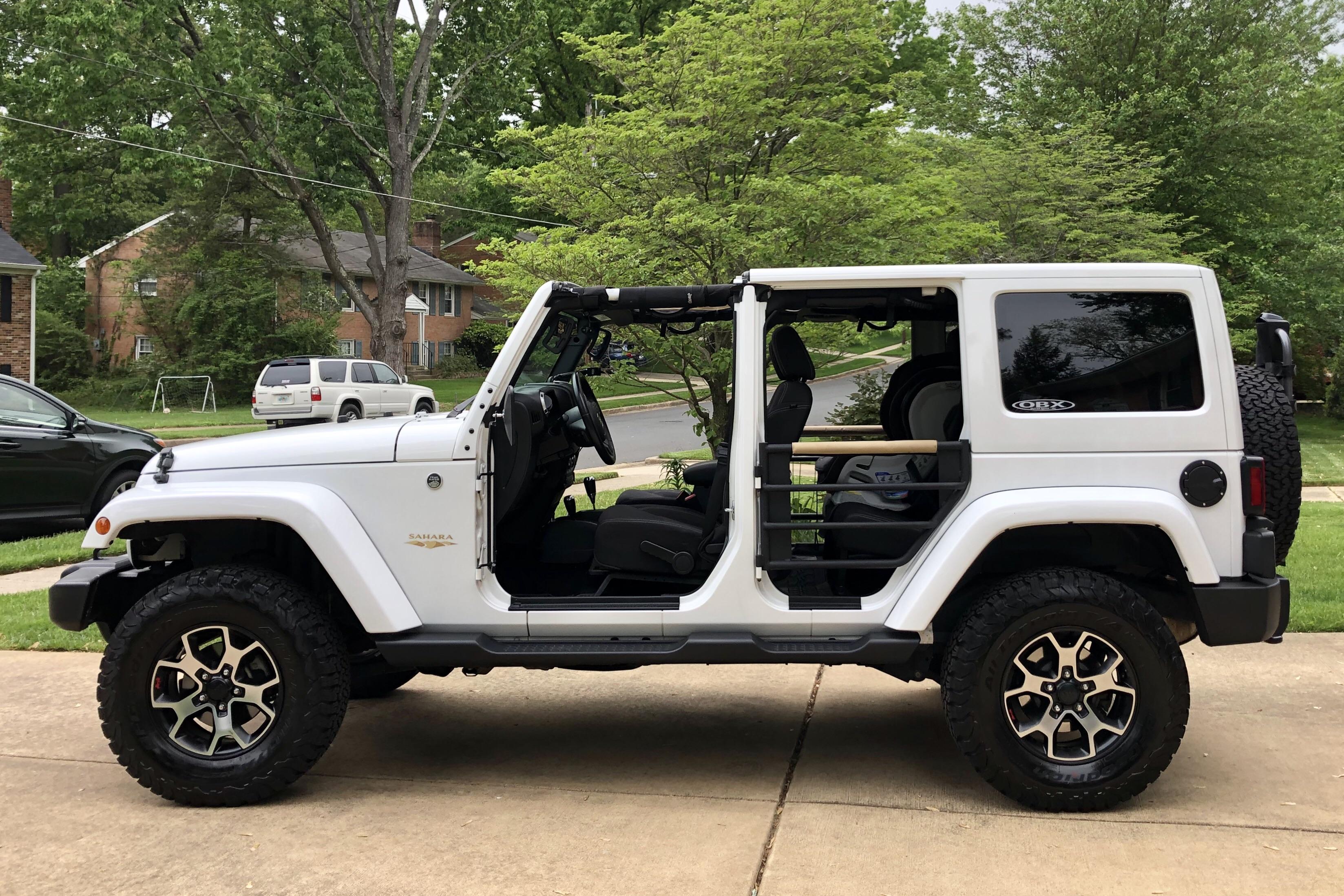
The offset is the distance between the wheel’s mounting surface and the centerline. The JL has a higher offset (+44 mm) compared to the JK (+25 mm). This means JL wheels sit further inside the fender than JK wheels.
Here’s how offset affects your Jeep:
- Higher offset: Wheels sit closer to the suspension, less poke.
- Lower offset: Wheels stick out more, wider stance.
If you put JK wheels on a JL, they’ll stick out more. JL wheels on a JK will sit further in. This can affect tire clearance, handling, and appearance.
Compatibility And Swapping Wheels
Many owners ask: Can you swap JK and JL wheels directly? The answer is not always simple.
| Scenario | Result | Notes |
|---|---|---|
| JK wheels on JL | Fit physically | Wider stance, may rub with large tires |
| JL wheels on JK | Fit physically | Narrower stance, may hit suspension with wide tires |
Tire size is important. If you run big tires, the offset can cause rubbing or clearance issues. For most stock sizes, swapping is possible, but always check fit before driving.
Key Differences In Wheel Design
JL wheels use more advanced materials, like aluminum alloys, for strength and lighter weight. Some JL wheels have special beadlock designs for off-roading. JK wheels are simpler, often heavier, and lack these features.
Here are a few differences:
- JL wheels are generally lighter (about 26 lbs vs 30 lbs for JK steel wheels).
- JL wheels may offer more aggressive styling and finishes.
- Some JL wheels are designed for tire pressure sensors (TPMS) that may not fit JK setups.
If you care about weight and performance, JL wheels have a slight edge.
Real-world Examples And Tips
Many Jeep owners swap wheels for looks or off-road needs. Here’s what you should know:
- If you use spacers, you can adjust offset to avoid rubbing.
- Some aftermarket JK wheels have custom offsets, so always check before buying.
- If you upgrade to larger tires, you may need a lift kit, especially on JL with JK wheels.
A common mistake is ignoring the offset. This can cause rubbing on suspension parts or sticking out beyond the fenders, which may be illegal in some states.
An important insight: Not all aftermarket wheels for JK will fit JL, even if the bolt pattern matches. Always check offset and center bore.
Cost And Value Considerations
JK wheels are usually cheaper, especially used. JL wheels can be expensive, especially if they’re beadlock or premium alloys.
Here’s a quick price comparison:
| Wheel Type | Average Price (per wheel) |
|---|---|
| JK OEM | $80–$150 |
| JL OEM | $120–$220 |
| JK Aftermarket | $100–$250 |
| JL Aftermarket | $150–$350 |
If budget matters, JK wheels are easier to find used. JL wheels offer better performance and appearance, but at a higher cost.
Choosing The Right Wheels For Your Jeep
When picking wheels, focus on:
- Bolt pattern: Both JK and JL use 5×127 mm.
- Offset: JL has higher offset; affects fit and clearance.
- Material: JL wheels are often lighter and stronger.
- Tire size: Make sure tires match your Jeep’s lift and suspension.
If you want to upgrade, consider your driving style. For tough off-roading, beadlock wheels are best. For daily driving, lighter wheels help fuel economy.
One non-obvious tip: If you change offset or wheel width, you may need to recalibrate your speedometer. This keeps readings accurate and avoids legal trouble.
Frequently Asked Questions
Will Jk Wheels Fit On A Jl Without Modifications?
JK wheels will physically bolt onto a JL, but due to lower offset, they will stick out more. This can cause rubbing if you use larger tires. For stock tires, it’s usually fine, but always check for clearance.
Are Jl Wheels Better For Off-roading?
Many JL wheels are stronger and lighter, and some offer beadlock features. This makes them better for tough trails. However, JK wheels work well for basic off-roading.
Can I Use Wheel Spacers To Fix Offset Issues?
Yes, wheel spacers can help adjust offset and prevent rubbing. Use only high-quality spacers, and check torque regularly. Spacers add stress to wheel bearings, so monitor for wear.
Do I Need To Change Tire Pressure Sensors When Swapping Wheels?
JL wheels use newer TPMS sensors. If your JK does not have compatible sensors, you may need to buy new ones. Always check sensor compatibility before swapping.
Where Can I Find Reliable Info On Jeep Wheel Specs?
For the most accurate specs and compatibility, check the official Jeep website or reputable sources like ExtremeTerrain.
Finding the right wheels for your Jeep JK or JL is about more than just looks. With the right information, you’ll get the best fit, performance, and value for your Jeep. Always double-check specs, and don’t be afraid to ask experts if you’re unsure.