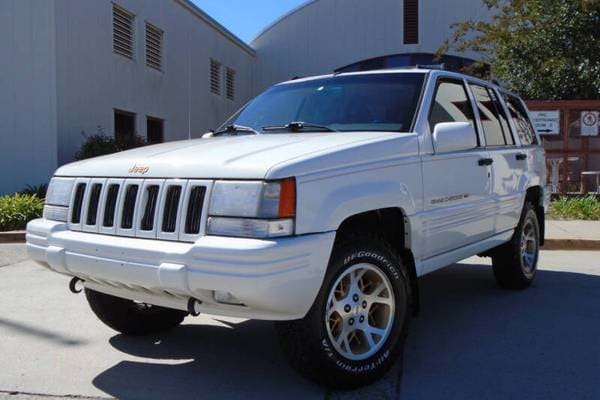
Buying or selling a 1997 Jeep Cherokee can feel confusing, especially when trying to figure out its real value. This SUV has a loyal following because of its tough build, off-road capability, and simple mechanics. But with so many factors affecting the price, it’s important to know what impacts its worth today. This guide will help you understand the current market value, what makes one Cherokee more valuable than another, and how to make a smart decision—whether you’re buying, selling, or just curious.
Main Factors That Affect Value
Many things influence how much a 1997 Jeep Cherokee is worth. Some factors are obvious, but others are often missed by first-time buyers or sellers.
Condition
The overall condition is the biggest factor. A Cherokee that’s been well cared for, with no rust or major repairs, is worth much more than one that’s been neglected.
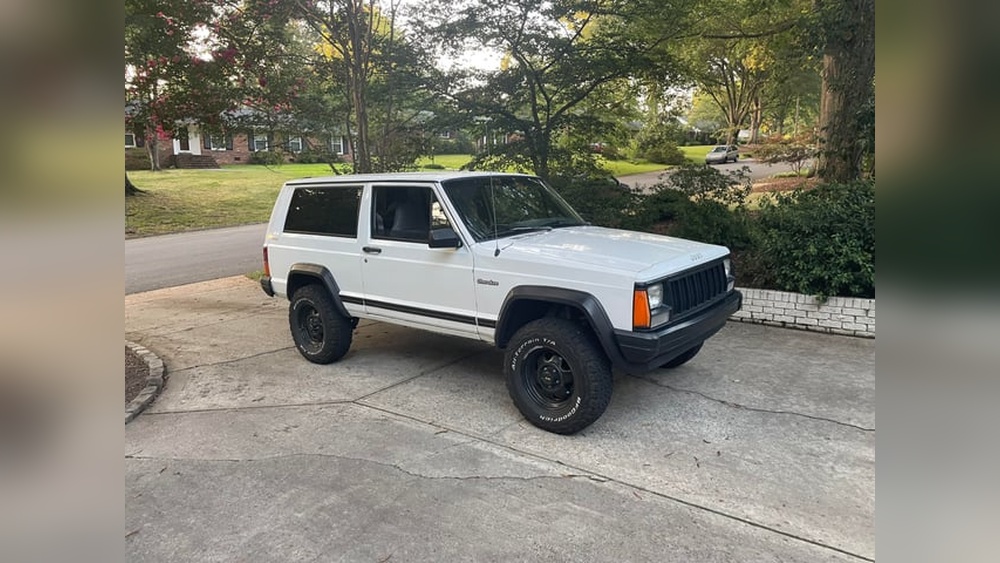
- Excellent condition: Few signs of use, clean inside and out, well-maintained engine.
- Good condition: Normal wear, some small scratches or dents, regular service.
- Fair condition: Noticeable wear, some problems like leaking or worn parts.
- Poor condition: Many issues, rust, or major mechanical trouble.
Mileage
Lower mileage usually means a higher price. Most 1997 Cherokees have over 150,000 miles, but a rare one with under 100,000 miles can sell for much more.
Trim And Features
There are three main trims for the 1997 Cherokee:
- SE: Basic features, often 2WD.
- Sport: More options, usually 4WD.
- Country/Classic: Top trim, better interior, more power options.
Rare features, like a manual transmission or special factory options, can also raise the value.
Location
Prices vary by region. In the US, Cherokees often sell for more in the West and Northeast, where rust is less common. In the South and Midwest, prices drop if rust is found.
Modifications
Some modifications—like a quality lift kit or off-road tires—can increase value for certain buyers, but heavy modifications or poor-quality upgrades can lower it.
Accident And Maintenance History
A clean Carfax report and records showing regular maintenance add value. If the vehicle was in a serious crash or has a salvage title, expect a much lower price.
Market Value Range In 2024
Here’s a look at what you can expect to pay or receive for a 1997 Jeep Cherokee in today’s market:
| Condition | Low Miles (Under 120k) | High Miles (Over 180k) |
|---|---|---|
| Excellent | $7,000 – $10,000 | $4,500 – $7,000 |
| Good | $5,000 – $7,000 | $3,000 – $5,000 |
| Fair | $3,000 – $5,000 | $1,500 – $3,000 |
| Poor | $1,000 – $2,000 | Under $1,000 |
Rare, well-kept Cherokees sometimes sell for even more, especially with factory 4WD or unique options. But most are in the good-to-fair range.
Real-world Examples
Understanding real sales can give you a clearer picture than just price guides. Here are some examples from recent online listings:
| Description | Mileage | Location | Sold Price |
|---|---|---|---|
| Sport, 4WD, Clean Title, Stock | 108,000 | California | $8,600 |
| SE, 2WD, Some Rust | 202,000 | Ohio | $2,200 |
| Classic, 4WD, Modified for Off-Road | 177,000 | Colorado | $5,400 |
These real-world numbers show that mileage, condition, and location are key to the final price.
Tips For Buyers And Sellers
If you’re thinking about buying or selling a 1997 Jeep Cherokee, keep these points in mind:
- Look for rust: Check under the doors, around the windshield, and the frame.
- Ask for service records: Regular oil changes and timing chain replacements add value.
- Test the 4WD system: Many old Cherokees have issues with transfer cases or axles.
- Original parts matter: Stock vehicles are often worth more than heavily modified ones.
- Check local prices: Use local listings for reference, since prices can change by region.
A common mistake is assuming all Cherokees are worth the same. Always consider the details—two similar-looking SUVs can have very different values.
Why Values Remain Strong
The 1997 Cherokee holds its value for a few reasons. First, it’s known for its 4.0L inline-six engine, one of Jeep’s most reliable. Second, the SUV has a simple design, making it easy and cheap to repair. Finally, its “boxy” style is popular again, and there is strong demand from both off-road fans and collectors.
One thing many new buyers miss: values for these SUVs have climbed in recent years, especially for low-mileage, original examples. Waiting too long might mean paying more later.
When To Pay More (or Less)
You might pay a premium if the SUV has:
- One owner with all maintenance records.
- Original paint and interior.
- Rare color or trim.
- Factory 4WD with manual transmission.
On the other hand, consider offering less if:
- There’s visible frame or floor rust.
- Major repairs are needed (like a blown head gasket).
- The title is rebuilt or salvage.

How To Check The True Value
Don’t just trust one price guide. Use several sources:
- Kelley Blue Book (KBB) and NADA Guides for baseline values.
- Local online ads for real asking prices.
- Recent sales on auction sites like eBay Motors.
For more detailed data, visit Hagerty Valuation Tools.
Frequently Asked Questions
How Many Miles Is Too Many For A 1997 Jeep Cherokee?
Most Cherokees can last over 200,000 miles with good care. However, repairs become more likely over 150,000 miles. Always check for regular maintenance.
Is The 1997 Jeep Cherokee A Good Investment?
For a fun, reliable SUV, yes. For making money, not always. Prices are stable, but maintenance and repairs can add up. Buy for enjoyment, not profit.
Which 1997 Jeep Cherokee Trim Is Most Valuable?
The Classic and Sport trims, especially with 4WD and original parts, are usually worth the most. SE trims and 2WD models are less valuable.
How Can I Tell If The Cherokee Has Serious Rust?
Look under the carpet, around the doors, and near the rear hatch. Surface rust is common, but holes or deep rust on the frame are serious.
Where Can I Find Parts For A 1997 Jeep Cherokee?
Parts are widely available online, at auto stores, and through Jeep forums. Many mechanical parts are shared with other years, making repairs easier and cheaper.
A 1997 Jeep Cherokee can still be a smart buy or a fun classic to own. Just remember—details matter when setting the right value.