If you own a Jeep Wrangler Unlimited or plan to buy one, choosing the right tire size is key for both looks and performance. Tires affect ground clearance, handling, fuel economy, and even your Jeep’s safety. But with so many options, it’s easy to get confused. This article will help you understand which tire sizes fit the Jeep Wrangler Unlimited, how to pick the best one for your needs, and what changes you may need for bigger tires. Whether you drive off-road or stick to city streets, you’ll find practical tips here.
Jeep Wrangler Unlimited Factory Tire Sizes
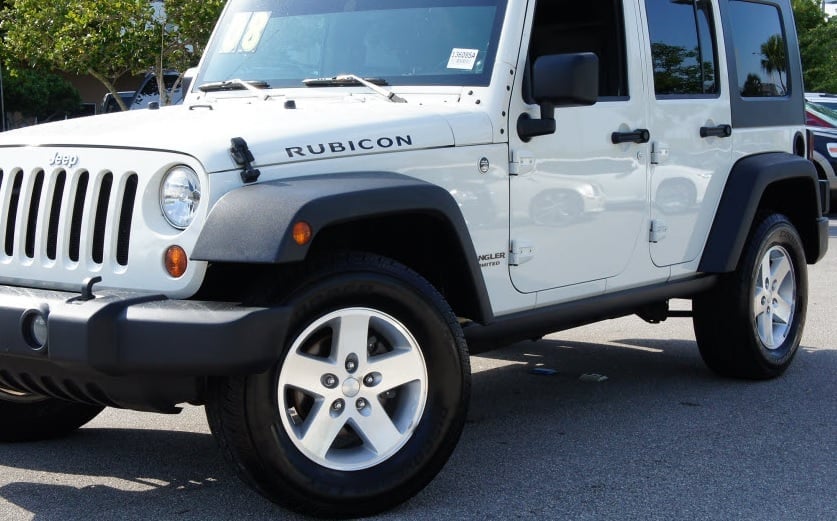
The Jeep Wrangler Unlimited comes in several trims, each with its own standard tire size. The most common factory sizes are:
- 225/75R16
- 245/75R17
- 255/70R18
These sizes fit the stock wheels and suspension without any modifications. Here’s a quick comparison of factory tire options:
| Trim | Standard Tire Size | Wheel Size |
|---|---|---|
| Sport | 225/75R16 | 16″ |
| Sahara | 255/70R18 | 18″ |
| Rubicon | 285/70R17 | 17″ |
These sizes work well for daily driving and light off-roading. If you want to keep your Jeep running smoothly without extra upgrades, stick with these sizes.
Popular Aftermarket Tire Sizes
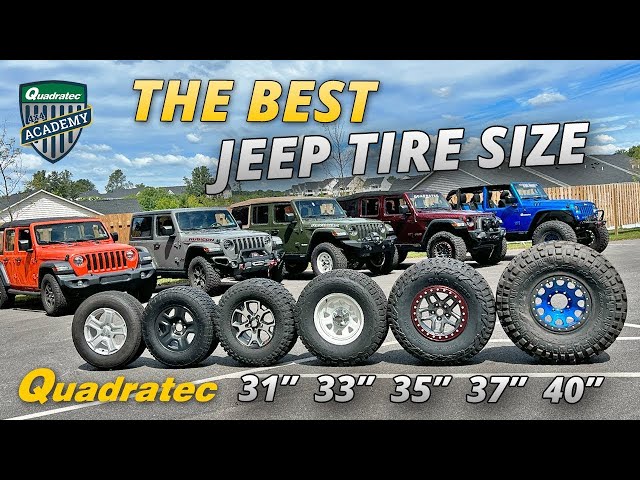
Many Jeep owners upgrade to larger tires for better off-road performance and a tougher look. Here are some popular sizes:
- 33-inch tires (285/70R17, 285/75R16)
- 35-inch tires (315/70R17, 315/75R16)
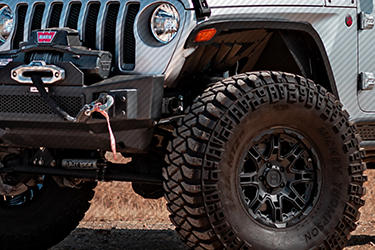
- 37-inch tires (37×12.50R17, 37×12.50R18)
Larger tires improve ground clearance and traction. However, they often need changes like a lift kit or re-gearing. Here’s how bigger tires compare to factory sizes:
| Tire Size | Diameter (inches) | Width (inches) | Needs Lift? |
|---|---|---|---|
| 285/70R17 | 32.7 | 11.2 | No |
| 315/70R17 | 34.4 | 12.4 | Yes |
| 37×12.50R17 | 37 | 12.5 | Yes |
If you want to go bigger than 33 inches, you’ll need to upgrade your Jeep’s suspension.
Choosing The Right Tire Size
Picking the right tire size depends on how you use your Jeep Wrangler Unlimited. Here are three key points to consider:
- Daily Driving: If you drive mostly on roads, stock or slightly larger tires (up to 33 inches) are ideal. They keep handling safe and fuel economy reasonable.
- Off-Road Adventure: For mud, rocks, or sand, 35-inch or 37-inch tires give more grip and ground clearance. But you must upgrade the suspension and possibly the gears.
- Appearance: Bigger tires make your Jeep look tougher. But remember, very large tires can cause rubbing, stress parts, and require extra work.
Think about your needs before making a choice. Don’t just copy what others use what works for them may not suit you.
What You Need For Bigger Tires
If you want to fit tires larger than the factory size, there are some important upgrades:
- Lift Kit: A suspension lift raises your Jeep, making room for bigger tires. For 35-inch tires, a 2–3 inch lift is usually enough. For 37-inch, you’ll need at least a 4-inch lift.
- Wheel Backspacing: This is the distance from the wheel’s mounting surface to the back edge of the wheel. Less backspacing helps avoid tire rubbing. Most aftermarket wheels have 4–4.5 inches of backspacing.
- Re-Gearing: Larger tires can make your Jeep feel slow and strain the engine. Re-gearing (changing the differential ratio) restores power. For 35-inch tires, many owners switch to a 4.88 gear ratio.
Here’s a summary of upgrades needed for common tire sizes:
| Tire Size | Lift Needed | Re-Gearing Needed? | Backspacing |
|---|---|---|---|
| 33″ | 0–2″ | No | 4.5″ |
| 35″ | 2–3″ | Yes | 4.0″ |
| 37″ | 4″+ | Yes | 3.5″ |
Some beginners forget to check wheel backspacing. This often leads to tires rubbing on the fenders or suspension parts. Another mistake is skipping the lift kit for larger tires, which can cause damage and unsafe driving.
Tire Size And Legal Limits
Not all states allow huge tires on public roads. Some places limit tire diameter or tread sticking out past the fenders. Always check local laws before upgrading. For example, California and Texas have strict rules about tire width and mud flaps.
Getting stopped for illegal tires can result in fines or forced repairs.
Tire Size And Speedometer Accuracy
Changing tire size also affects your speedometer and odometer readings. Bigger tires make the speedometer read lower than your actual speed. You can fix this with a calibration tool or by reprogramming the system. This step is often missed by new owners, leading to speeding without realizing it.
Practical Tips For Upgrading Tires
- Always check clearance before buying new tires.
- Test fit one tire if possible before mounting all four.
- Ask about weight ratings—some tires are much heavier and can affect braking.
- Choose tire tread for your driving style: All-terrain for mixed use, mud-terrain for off-road.
- Keep your Jeep’s warranty in mind. Some upgrades can void parts of it.
For more technical details, visit the official Jeep site: Jeep Wrangler Unlimited specs.
Frequently Asked Questions
What Is The Largest Tire I Can Fit On A Stock Jeep Wrangler Unlimited?
The largest size without modifications is 33 inches (285/70R17). Anything bigger may rub during turns or when off-roading.
Do I Need A Lift Kit For 35-inch Tires?
Yes. A 2–3 inch lift kit is recommended to fit 35-inch tires safely and avoid rubbing.
Will Larger Tires Affect Gas Mileage?
Definitely. Bigger tires are heavier and create more resistance, so you can expect a drop in fuel economy by 1–3 mpg depending on size.
How Do I Fix My Speedometer After Changing Tires?
Use a calibration tool or have a mechanic reprogram the speedometer. This keeps your readings accurate and avoids problems with speeding.
What Is Wheel Backspacing And Why Does It Matter?
Wheel backspacing is the space between the mounting surface and back edge of the wheel. Less backspacing helps fit wider tires without rubbing on suspension parts.
Choosing the right tire size for your Jeep Wrangler Unlimited is a balance of style, function, and safety. Consider how you use your Jeep and plan upgrades wisely.
With the right tire, your Wrangler will perform better and look great, whether on city streets or rugged trails.