If you’re thinking about buying a 2016 Jeep Cherokee, or just curious about its specs, one question comes up often: How much does it weigh? Vehicle weight affects performance, fuel efficiency, and safety.
Knowing the weight can help you understand handling, towing limits, and even registration costs. Let’s take a clear look at the actual numbers, what influences them, and why they matter.
This guide will help you see why weight is more than just a number—it’s a key part of your driving experience.
2016 Jeep Cherokee Weight: The Real Numbers
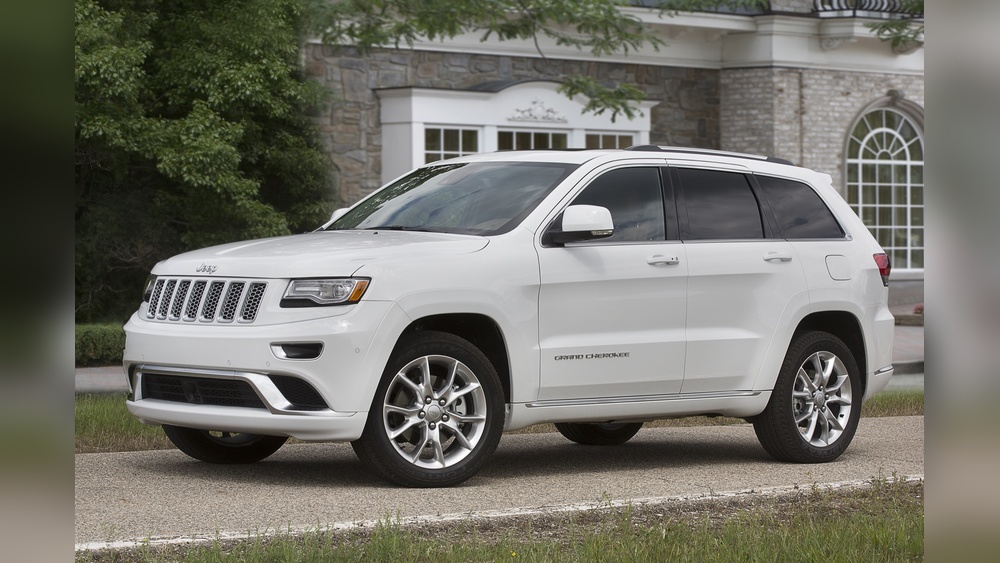
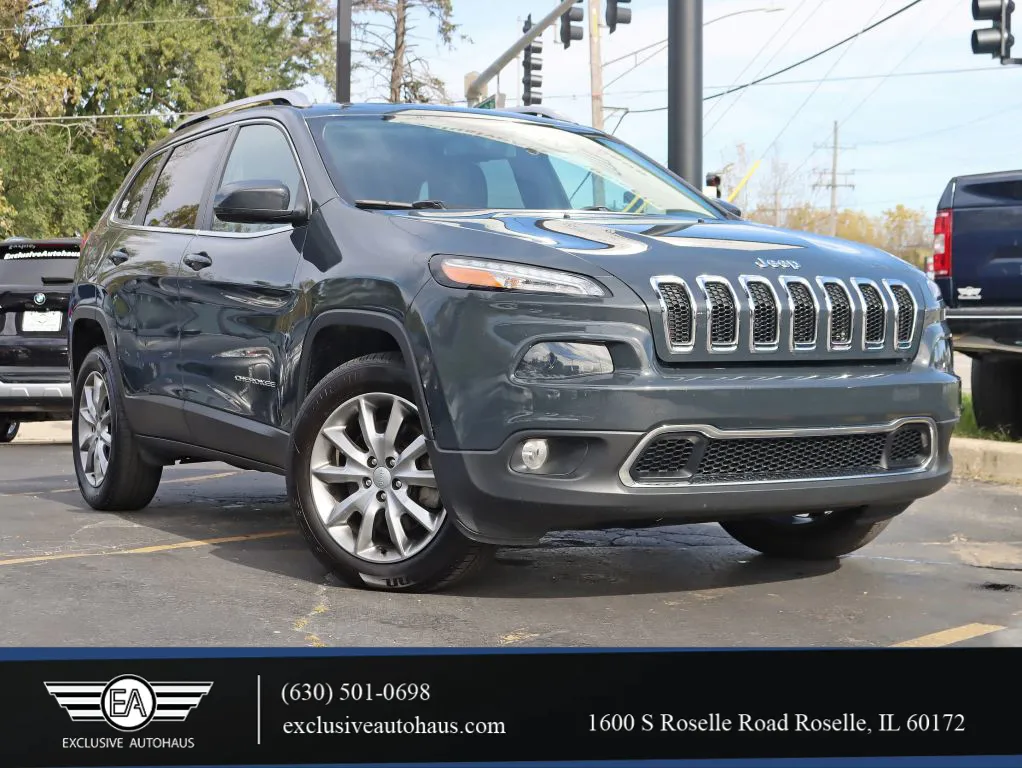
The 2016 Jeep Cherokee comes in several trims and configurations. Each model has a slightly different weight, depending on engine, drivetrain, and options. Here are the most common weights for the main trims:
| Trim Level | Drivetrain | Curb Weight (lbs) |
|---|---|---|
| Sport | FWD | 3,655 |
| Sport | AWD | 3,793 |
| Latitude | FWD | 3,697 |
| Latitude | AWD | 3,834 |
| Limited | FWD | 3,834 |
| Limited | AWD | 3,968 |
| Trailhawk | AWD | 4,044 |
Most 2016 Jeep Cherokee models weigh between 3,600 and 4,100 pounds. The Trailhawk trim is the heaviest because it has extra off-road parts and a more robust AWD system. This means if you pick a base Sport FWD, you’ll get one of the lightest Cherokees, while the Trailhawk is built for rougher roads and comes with more equipment, making it heavier. Even small changes in trim can mean a difference of a few hundred pounds, which is noticeable when you drive.
What Changes The Weight?
Several factors influence the weight of a 2016 Jeep Cherokee:
- Engine type: There are two main engines—2.4L and 3.2L V6. The V6 adds about 200 lbs. The extra cylinders and larger size mean more metal and more fluids.
- Drivetrain: AWD versions are heavier than FWD, usually by 100–200 lbs. The AWD system includes extra driveshafts, differentials, and sometimes a heavier rear suspension.
- Trim level: Higher trims have more features, which means more weight. For example, leather seats, power seats, premium audio systems, and advanced electronics all add pounds.
- Optional packages: Extras like towing kits, panoramic sunroofs, bigger wheels, and roof rails can increase weight. For instance, the towing package includes a hitch, wiring, and sometimes a transmission cooler, all of which add up.
Some buyers miss the fact that even small options add up. For example, choosing the panoramic sunroof adds about 30 lbs.
Over time, these extras can affect fuel economy and handling. Even the spare tire style (full-size vs. compact) makes a small difference.
This is why two Cherokees parked side by side can have slightly different weights even if they look nearly the same.
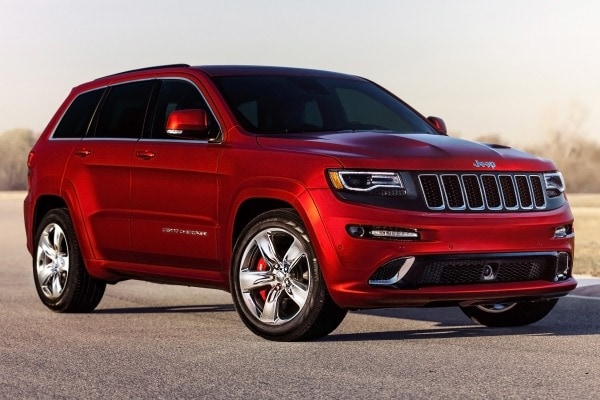
Why Weight Matters For Drivers
The weight of your Jeep Cherokee affects several real-world things:
- Fuel efficiency: Heavier cars use more fuel. The base Sport trim gets slightly better mileage than the Trailhawk. Over a year, this can mean spending more at the pump if you drive a heavier trim.
- Towing capacity: More weight means the SUV can tow heavier loads, but also needs a stronger engine. The V6 engine and heavier trims often come with higher towing ratings, but you must stay within the safe limits set by Jeep.
- Handling and braking: Extra pounds make a vehicle feel more planted, but also need better brakes. Heavier vehicles may feel more stable at highway speeds, but can be slower to stop in emergencies. This also affects how quickly you can turn or swerve.
- Safety: Heavier vehicles usually protect occupants better in crashes, but can be harder to stop quickly. Insurance studies often show heavier cars have better survival rates in collisions, but they may cause more damage to other vehicles.
A non-obvious insight: If you plan to add roof racks or carry heavy cargo, you should check your vehicle’s gross vehicle weight rating (GVWR), not just the curb weight. GVWR includes the car, passengers, and cargo. Exceeding it can damage your suspension or brakes and may not be covered by insurance. Many drivers focus only on towing, but forget that a fully loaded Cherokee with four adults and luggage can approach the GVWR quickly.
Comparing Cherokee With Other Suvs
How does the 2016 Jeep Cherokee stack up against similar SUVs? Here’s a simple comparison:
| Vehicle | Curb Weight (lbs) |
|---|---|
| Jeep Cherokee (2016) | 3,655–4,044 |
| Toyota RAV4 (2016) | 3,455–3,610 |
| Honda CR-V (2016) | 3,337–3,591 |
| Ford Escape (2016) | 3,515–3,823 |
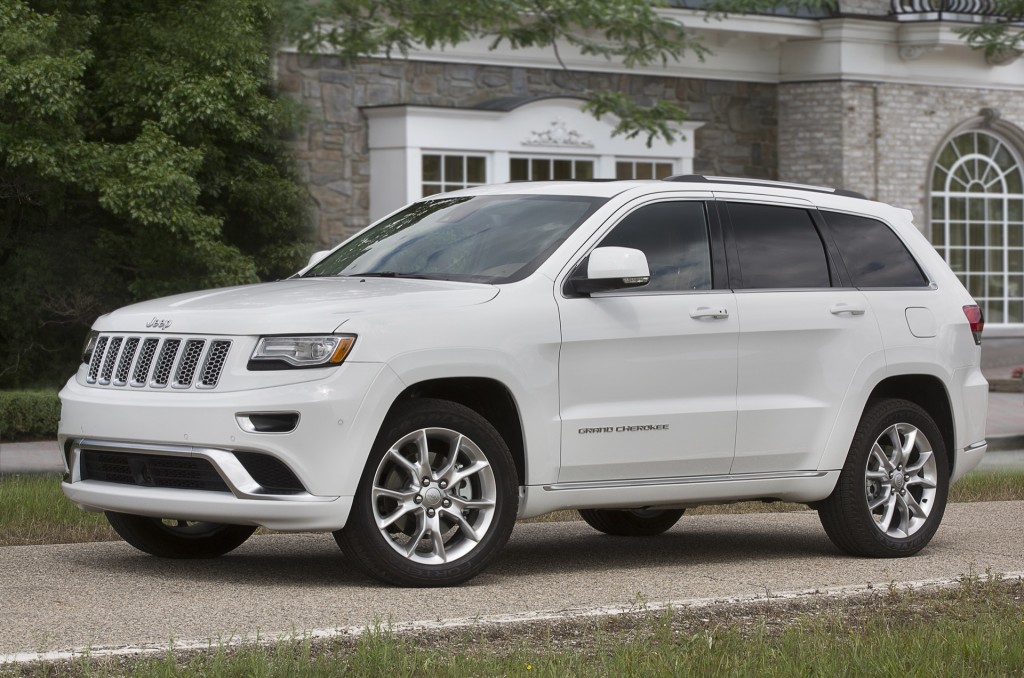
The Cherokee is a bit heavier, especially in AWD and Trailhawk trims. This gives it a more solid feel, but slightly lower fuel economy compared to lighter rivals. For example, the RAV4 and CR-V are lighter and may feel a bit more nimble in city driving, while the Cherokee’s extra weight can feel more secure on rough roads. If you live in an area with snow or dirt roads, the Cherokee’s weight and AWD can help with traction and stability.
Practical Tips For Buyers
If you’re choosing a 2016 Jeep Cherokee, keep these tips in mind:
- Look at both curb weight and GVWR if you plan to tow or carry heavy loads. This helps you avoid overloading, which is unsafe and can harm your vehicle.
- If you want better fuel efficiency, choose FWD and fewer options. The simplest trims are often the lightest and most economical.
- For off-roading, the Trailhawk’s extra weight comes from protective parts and strong suspension. This makes it better for rough terrain but less efficient on highways.
- Make sure your tires and brakes are rated for the heavier trims. Replacing them with lower-rated parts is risky and may affect safety.
- Don’t ignore the impact of small add-ons. Even a roof rack can change handling. If you carry bikes or kayaks on top, practice emergency stops to feel the difference.
A common mistake: Some buyers focus only on engine size and ignore weight. But the extra weight from AWD or luxury features can change performance more than you think. If you test drive different trims back-to-back, you’ll feel the difference, especially on hills or when braking hard.
Another tip is to consider how you’ll use the SUV. If you mostly drive in the city, a lighter FWD trim is easier to park and cheaper to run.
If you travel on dirt roads or tow a trailer, a heavier AWD trim may suit you better even if it costs a bit more in fuel.
Weight Details By Trim And Options
For those who want more detail, let’s break down the weights by engine and options:
| Engine | Drivetrain | Trim | Weight (lbs) |
|---|---|---|---|
| 2.4L | FWD | Sport | 3,655 |
| 2.4L | AWD | Sport | 3,793 |
| 3.2L V6 | AWD | Trailhawk | 4,044 |
| 3.2L V6 | FWD | Limited | 3,834 |
If you’re unsure about your exact model, check the sticker in the driver’s door jamb. It lists curb weight and GVWR. Or visit the manufacturer’s site for official details, like the Jeep Official Site. You can also ask a dealer to look up your VIN for specifics. Remember, if you buy used, ask if the previous owner added any heavy accessories that could affect the vehicle’s weight.
Frequently Asked Questions
How Much Does The 2016 Jeep Cherokee Trailhawk Weigh?
The Trailhawk trim weighs about 4,044 lbs. It’s heavier due to extra off-road parts and the powerful AWD system. This makes it ideal for rough trails, but it may feel less quick in city traffic.
Does The Weight Affect Fuel Economy?
Yes, heavier trims like Trailhawk and Limited AWD use more fuel. Lighter FWD models get better mileage. Over time, the difference can add up, especially if you drive long distances each week.
Can The Weight Change With Options?
Absolutely. Adding features like a sunroof, towing package, or big wheels increases the total weight by 20 100 lbs.
Even small things, like a full-size spare tire or extra floor mats, can push your total weight higher.
Where Can I Find The Exact Weight For My Cherokee?
Check the door jamb sticker or visit the manufacturer’s website. Your VIN can also provide exact specifications. If you’re buying used, ask the seller if they have the original window sticker.
Is The Cherokee Heavier Than Other Compact Suvs?
Yes, the Jeep Cherokee is usually heavier than competitors like the Honda CR-V or Toyota RAV4, especially in AWD trims. This extra weight brings both benefits (like a stronger feel and more off-road ability) and drawbacks (like higher fuel use).
The weight of a 2016 Jeep Cherokee tells a lot about its performance, safety, and driving experience. Whether you’re after efficiency or ruggedness, understanding the weight helps you make the right choice. Check your specific trim and options, and remember that every pound counts for handling and fuel use. A little attention to weight details now can save money and improve your driving experience for years to come.