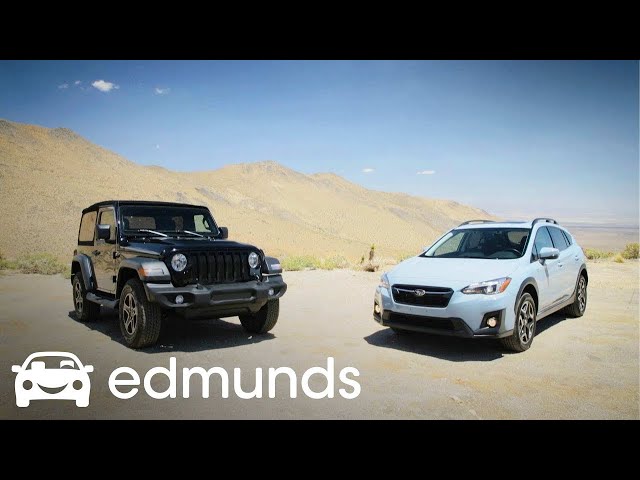
When you look for a vehicle that handles both city streets and wild trails, two names stand out: Jeep Wrangler and Subaru Outback. These models attract drivers who want adventure, comfort, and reliability. But which one is best for you? This article compares the Jeep Wrangler and Subaru Outback in detail, covering performance, features, and real-world value. By the end, you’ll know which suits your lifestyle and needs.
Performance And Capability
Both vehicles are popular for their rugged style, but their real strengths are different. Let’s break down their engines, handling, and off-road ability.
| Feature | Jeep Wrangler | Subaru Outback |
|---|---|---|
| Horsepower (base) | 285 hp (3.6L V6) | 182 hp (2.5L 4-cyl) |
| Drivetrain | 4WD | AWD |
| Ground Clearance | 10.8 inches | 8.7 inches |
| Towing Capacity | 3,500 lbs | 2,700 lbs |
| Fuel Economy (city/highway) | 17/25 mpg | 26/32 mpg |
The Jeep Wrangler is built for pure off-road adventure. Its high ground clearance and 4WD make rocky paths and mud easy to cross. The Wrangler’s towing ability is better, but its fuel economy is lower.

The Subaru Outback is more balanced. Its AWD handles rain, snow, and dirt, and it gives a smoother ride on highways. Outback’s fuel efficiency is a big plus for long trips and daily use.
Comfort And Interior
Inside, these vehicles show two different worlds. The Wrangler is simple and tough, while the Outback focuses on comfort and practicality.
| Feature | Jeep Wrangler | Subaru Outback |
|---|---|---|
| Seating Capacity | 4-5 | 5 |
| Cargo Space (behind seats) | 31.7 cu ft | 32.5 cu ft |
| Infotainment | 7-8.4″ touchscreen | 7-11.6″ touchscreen |
| Ride Quality | Firm | Smooth |
The Wrangler’s interior is simple and easy to clean, which is great after a muddy day. But it can feel noisy and less comfortable on long journeys.
The Outback offers more cabin space, softer seats, and a larger touchscreen. It’s quieter and gives better support for families and commuters.
Safety Features
Safety is important for any driver. Subaru has a strong reputation for safety, but Jeep also offers modern technology.
- Jeep Wrangler: Includes blind spot monitoring, rearview camera, and optional forward collision warning.
- Subaru Outback: Standard EyeSight driver assist (adaptive cruise, lane keep assist, pre-collision braking), plus blind spot detection.
In crash tests, the Outback scores higher and has more advanced safety features as standard. Wrangler’s body style is tougher, but it sometimes scores lower in rollover tests.
Practicality And Everyday Use
For daily life, you want a vehicle that fits your routine. Here’s how they compare:
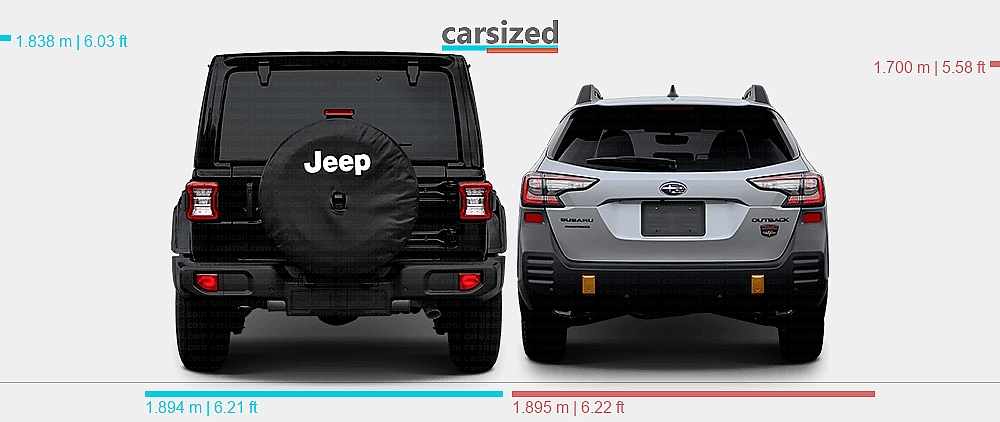
- Wrangler: Great for off-road, but less ideal for city driving. The ride is bumpy, parking is harder, and fuel costs are higher. The removable roof and doors are fun, but not always practical.
- Outback: Handles city, highway, and light trails with ease. It has better mileage, easier parking, and more cargo flexibility. The Outback’s roof rails and lower step-in make loading bikes or luggage simple.
Ownership Costs
Initial price, maintenance, and resale value matter. Wrangler’s price is higher, but it holds value well.
| Ownership Aspect | Jeep Wrangler | Subaru Outback |
|---|---|---|
| Starting MSRP | $33,690 | $28,895 |
| Annual Maintenance | $650 | $550 |
| Resale Value (5 years) | High | Above Average |
| Insurance Cost | Higher | Lower |
A non-obvious insight: Wrangler owners often spend more on upgrades (tires, lights, lift kits), while Outback owners usually save on regular maintenance and insurance.
Real-world Examples
Consider these scenarios:
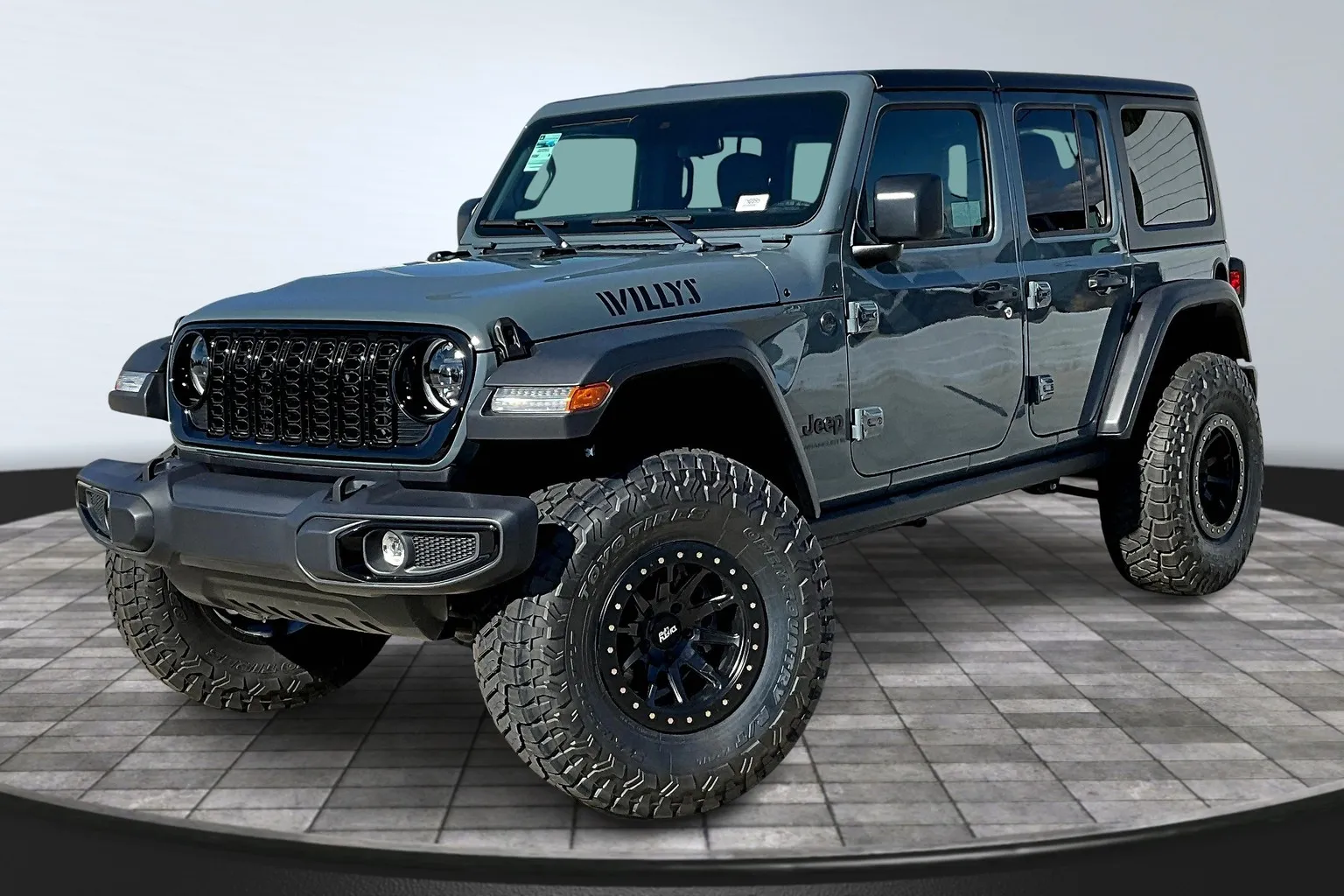
- If you plan to drive through deep mud, rocks, or sand, the Wrangler is unmatched. Many owners join off-road clubs and enjoy events where Wranglers shine.
- If you want to travel cross-country, visit national parks, or commute in snow, the Outback is more comfortable. Families often choose Outbacks for their balance of space and reliability.
Another insight: Some buyers overlook cargo access. Outback’s wide trunk and low floor make loading groceries or gear much easier than Wrangler’s swing gate.
Which Should You Choose?
Think about your daily needs and weekend plans. If you want pure adventure, custom looks, and tough performance, pick the Jeep Wrangler. If you want comfort, safety, and versatility, go for the Subaru Outback.
For more details on specs and owner reviews, check the Subaru Outback Wikipedia page.
Frequently Asked Questions
Is The Jeep Wrangler Good For Daily Driving?
The Wrangler can be used daily, but its firm suspension, loud cabin, and lower fuel economy make city driving less comfortable. It shines off-road but isn’t ideal for long commutes.
Can The Subaru Outback Handle Rough Terrain?
Yes, the Outback’s AWD, high ground clearance, and X-Mode help with mud, snow, and gravel. But it’s not designed for extreme off-roading like the Wrangler.
Which Model Is Safer?
The Outback has more standard safety features and higher crash test scores. The Wrangler is strong, but lacks some advanced safety tech as standard.
How Much Can Each Vehicle Tow?
Wrangler can tow up to 3,500 lbs, while Outback’s limit is 2,700 lbs. Always check your exact model and configuration for towing details.
Which Has Better Resale Value?
Wrangler holds its value very well, often beating most SUVs. Outback also has above-average resale, but Wrangler is stronger in this area.
Choosing between Jeep Wrangler and Subaru Outback depends on your lifestyle, travel needs, and budget. Both vehicles have loyal fans and unique strengths.
By weighing the facts and thinking about your real needs, you’ll make a smart choice that fits your adventures and daily life.