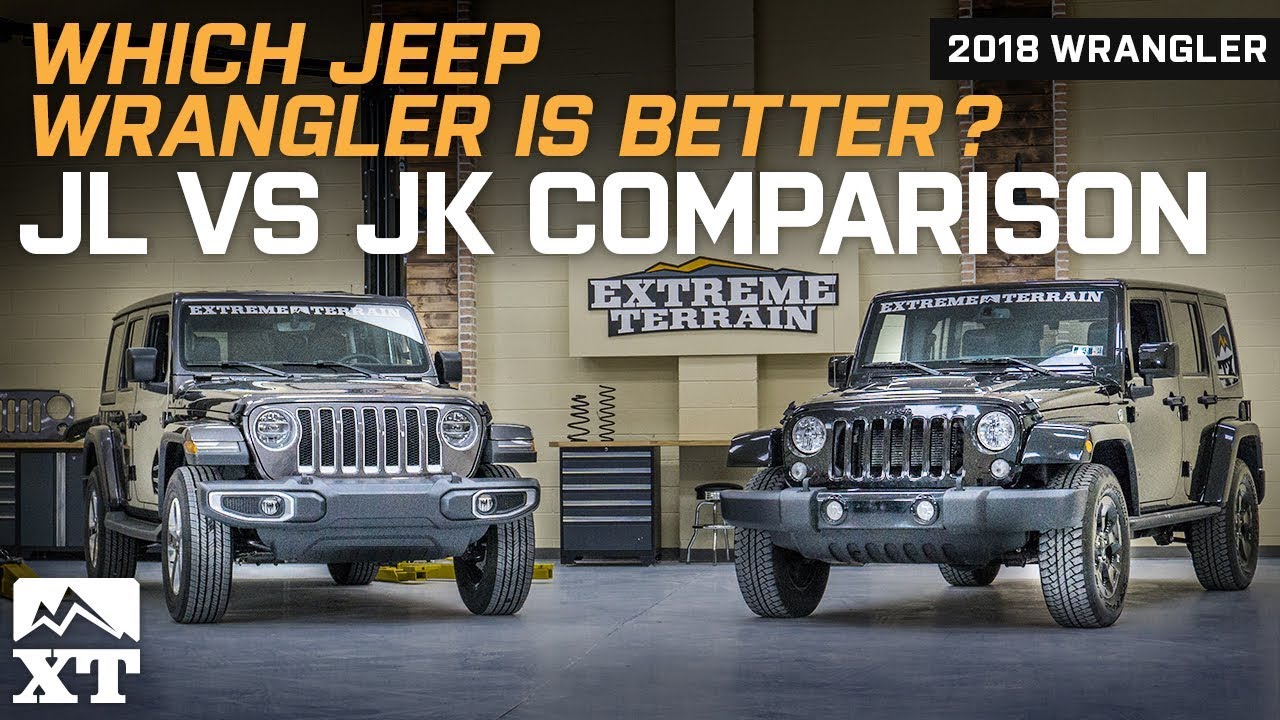
The Jeep Wrangler is an icon of adventure. In 2018, Jeep launched the JL generation, a big leap from the older JK model. For people considering a Wrangler, knowing the differences between the 2018 Jeep Wrangler JL vs JK is essential. Both models look similar at first glance, but many details set them apart. This guide breaks down what matters most, so you can decide which one fits your needs.
Exterior And Design Differences
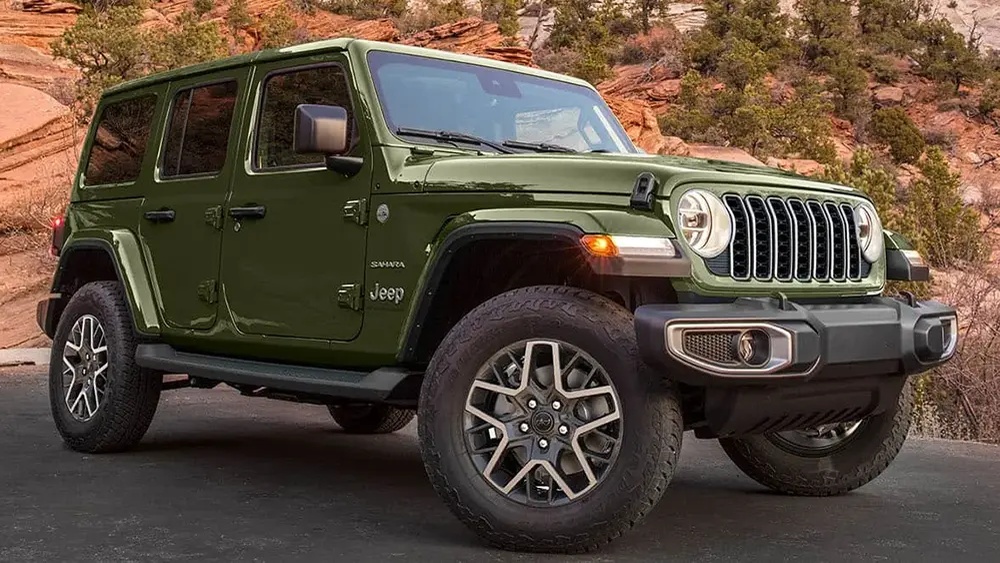
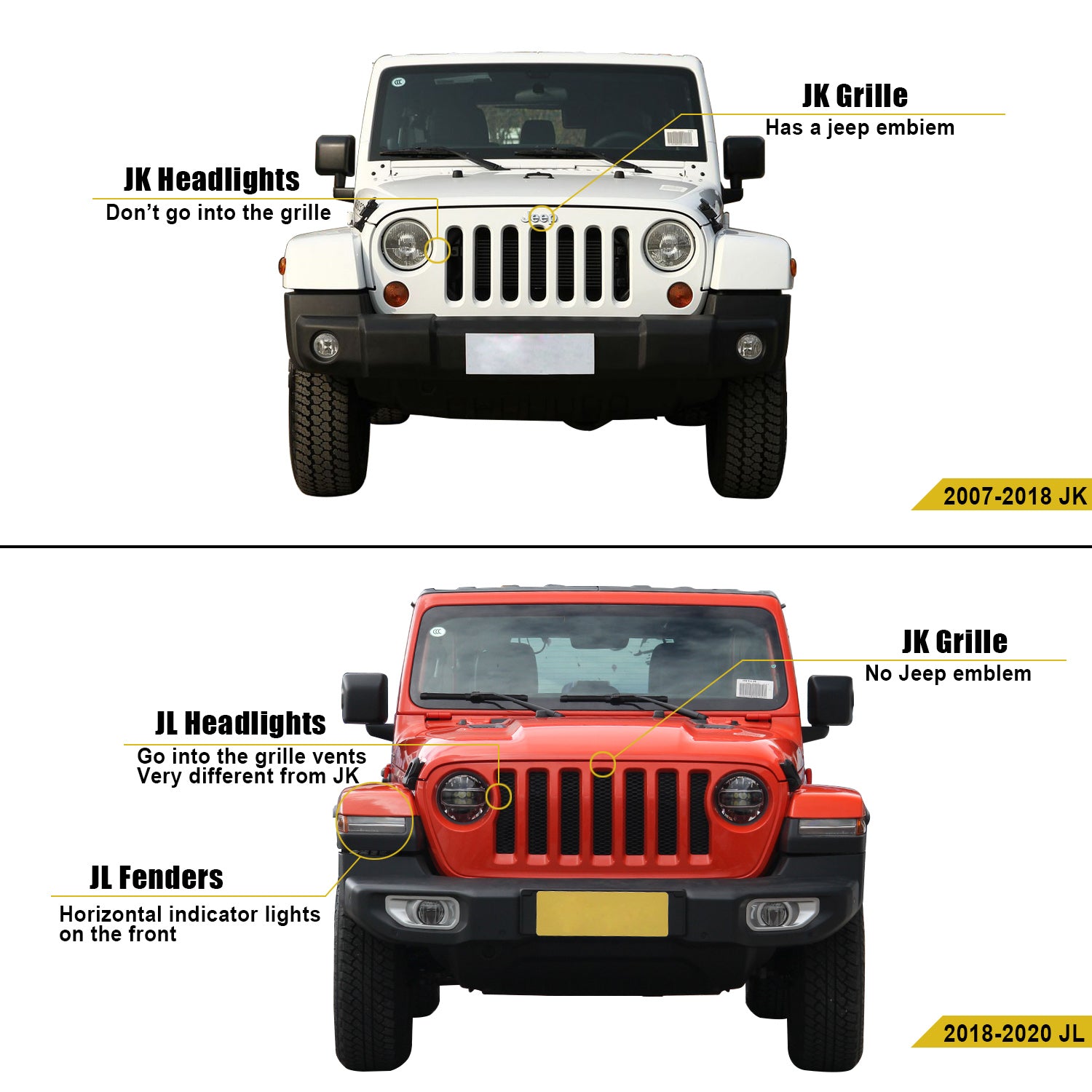
The JL and JK Wranglers share the classic boxy shape, round headlights, and seven-slot grille. Still, the JL introduced updates to modernize the SUV. The JL’s windshield is more slanted, making it easier to cut through wind and reduce noise. Its fenders are higher and more pronounced, improving visibility and allowing bigger tires.
The JL also uses lighter materials like aluminum for doors, hood, and tailgate. This change lowers the weight by about 200 pounds compared to the JK.
The JK has steel parts, which add strength but make it heavier. The JL’s doors are easier to remove, thanks to new handles and improved hinges.
Interior Comfort And Technology
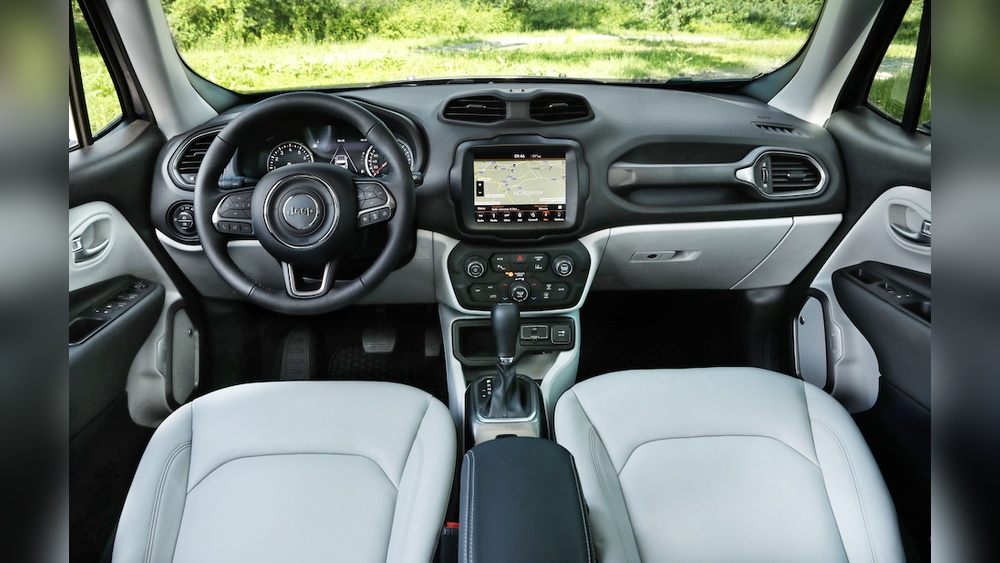
Inside, the JL feels more refined. Jeep added more soft-touch materials and improved seat comfort. The dashboard is redesigned with better ergonomics. The JL offers optional features like touchscreen infotainment (up to 8.4 inches), Apple CarPlay, and Android Auto. The JK’s technology is basic, with smaller screens and fewer connectivity options.
Climate control is upgraded in the JL, with dual-zone automatic available. The JK sticks to manual controls. JL owners get more USB ports, improved sound insulation, and better visibility from the driver’s seat.
Performance And Engine Choices
Performance is a key area of change. The JL comes with more engine options:
- 3.6L V6 (285 hp, 260 lb-ft torque) – Standard on both JL and JK.
- 2.0L turbocharged I4 (270 hp, 295 lb-ft torque) – JL only.
- 3.0L EcoDiesel V6 (260 hp, 442 lb-ft torque) – JL only, released after 2018.
JK buyers are limited to the 3.6L V6, paired with a 5-speed automatic or 6-speed manual. The JL has an 8-speed automatic or 6-speed manual, improving fuel economy and off-road control.
Here’s a quick engine comparison:
| Model | Engine | Horsepower | Torque | Transmission |
|---|---|---|---|---|
| JK | 3.6L V6 | 285 hp | 260 lb-ft | 5AT/6MT |
| JL | 3.6L V6 | 285 hp | 260 lb-ft | 8AT/6MT |
| JL | 2.0L Turbo I4 | 270 hp | 295 lb-ft | 8AT |
Non-obvious insight: The JL’s turbo engine offers more torque at lower RPMs, which helps in city driving and off-road crawling. Most beginners overlook how much this matters for real-world use.
Off-road Capability
Both models are built for adventure. The JK and JL have solid axles, high ground clearance, and removable doors and roof. But the JL improves off-road features:
- Better approach and departure angles (JL: 44°/37°, JK: 42.2°/32.5°)
- Improved crawl ratio with the new 8-speed transmission
- Optional Tru-Lok locking differentials on Rubicon models
The JL’s suspension is tuned for both comfort and rugged terrain. It also offers a stronger transfer case for more demanding trails. Most buyers don’t realize the JL’s lighter weight improves handling on muddy or uneven ground.
Safety Features
Safety is another area where the JL pulls ahead. The JL offers blind spot monitoring, rear cross-traffic alert, and a backup camera standard. The JK lacks these modern aids, relying mostly on traditional visibility.
Airbags are improved in the JL, including side curtain airbags. The JL’s body is designed to absorb impact better, providing more safety for occupants. If you drive in city traffic or have family, these upgrades matter.
Fuel Economy
The JL’s new engines and transmissions give better gas mileage:
- JL 3.6L V6: 18/23 mpg (city/highway)
- JL 2.0L Turbo: 22/24 mpg
- JK 3.6L V6: 17/21 mpg
| Model | Engine | City MPG | Highway MPG |
|---|---|---|---|
| JK | 3.6L V6 | 17 | 21 |
| JL | 3.6L V6 | 18 | 23 |
| JL | 2.0L Turbo I4 | 22 | 24 |
This difference becomes important for daily drivers. Over time, JL owners spend less on fuel, especially with the turbo option.
Practical Ownership: Maintenance And Value
Wrangler owners care about maintenance and resale. The JK is simpler mechanically, which can make repairs easier and cheaper. Parts are widely available. The JL, with more electronics and new features, may cost more if something breaks.
Resale value is strong for both, but JL models keep value better due to modern features. Insurance costs may be higher for the JL, but buyers get better safety and comfort.
Which Should You Choose?
If you want a modern Jeep with comfort, technology, and safety, the JL is the clear winner. It’s great for families, daily driving, and long trips. If you prefer a simple, rugged vehicle or want to save money, the JK is still a solid choice.
Non-obvious insight: Many off-road fans stick with the JK because aftermarket parts are cheaper and easier to install. The JL’s new tech means some mods cost more or require special tools.
For more technical details, visit the official Jeep Wrangler page.
Frequently Asked Questions
Is The Jl More Comfortable Than The Jk?
Yes. The JL offers softer seats, quieter cabin, and more tech features. Long drives feel easier and less tiring.
Are Jl Wranglers Better For City Driving?
Absolutely. The JL’s turbo engine, better visibility, and modern safety features make it easier to drive in traffic and park.
Can You Still Buy The Jk New?
No. Production of the JK stopped in early 2018. You can find used JK Wranglers in good condition, but not new ones.
Which Model Is Better For Off-roading?
Both are strong off-road, but the JL Rubicon has improved angles, lighter body, and advanced locking differentials. Beginners may find the JL easier to handle.
Is The Jl More Expensive To Maintain?
Usually, yes. The JL’s electronics and turbo engine may need more skilled mechanics. The JK’s simpler design is cheaper for some repairs.
Choosing between the 2018 Jeep Wrangler JL vs JK depends on your priorities. The JL is more advanced, but the JK offers classic simplicity. Both deliver the adventure you expect from a Wrangler.