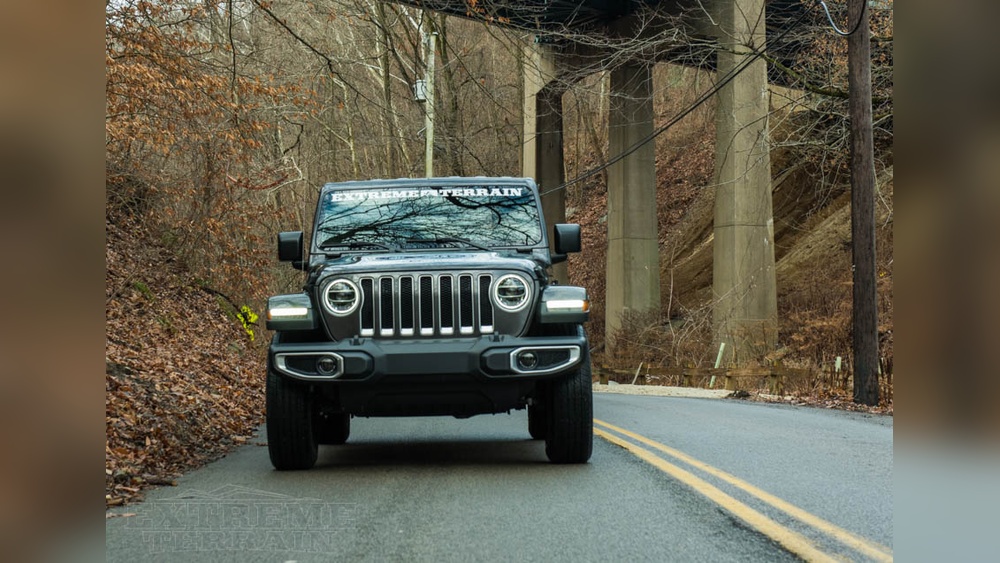
Owning a Jeep means you love adventure and off-road fun. But to keep your Jeep running strong, you need to pay attention to the transfer case. This part is important for sending power to all four wheels, especially when driving on rough roads. If your transfer case has problems, your Jeep might not perform well—or worse, it could break down. Checking its condition regularly helps you spot issues early and avoid costly repairs.
What Is A Jeep Transfer Case?
The transfer case is a gearbox found in four-wheel-drive (4WD) and all-wheel-drive (AWD) Jeeps. It splits engine power between the front and rear axles. This lets your Jeep drive with all four wheels, which is perfect for mud, snow, or rocky trails. Most Jeep models, like the Wrangler and Cherokee, use either chain-driven or gear-driven transfer cases.
Many beginners confuse the transfer case with the transmission, but they are different. The transmission changes gears, while the transfer case controls the power flow to both axles.
Signs Your Jeep Transfer Case Needs Checking
Knowing when to inspect your transfer case is key. Here are common signs:
- Strange noises: Grinding, humming, or clunking sounds when driving.
- Difficulty shifting: Trouble moving between 2WD and 4WD modes.
- Fluid leaks: Puddles under your Jeep, especially near the middle of the vehicle.
- Vibration: Unusual shakes or jerks, especially when turning or accelerating.
- Warning lights: 4WD system warning on the dashboard.
Ignoring these signs can lead to bigger problems, like damaging the driveshaft or axles.
Step-by-step: Checking Transfer Case Condition
You don’t need to be a mechanic to check your Jeep’s transfer case. Follow these steps:
1. Inspect For Fluid Leaks
The transfer case uses special fluid to lubricate gears. Low fluid can cause damage.
- Park your Jeep on a level surface.
- Look underneath for wet spots or drips near the transfer case.
- If you see red or brown fluid, your case might be leaking.
2. Check Fluid Level And Quality
Regular fluid checks are essential. Here’s how:
- Locate the transfer case’s fill plug (usually on the side).
- Remove the plug carefully. Fluid should be level with the hole.
- Use your finger or a dipstick to check the fluid’s color. It should be clear or slightly amber.
- If it’s dark, gritty, or smells burnt, change the fluid soon.
3. Listen For Abnormal Noises
Drive your Jeep in both 2WD and 4WD modes. Listen for odd sounds:
- Grinding or whining noises can mean worn gears or bearings.
- Clicking sounds might suggest broken chains.
4. Test Shifting Modes
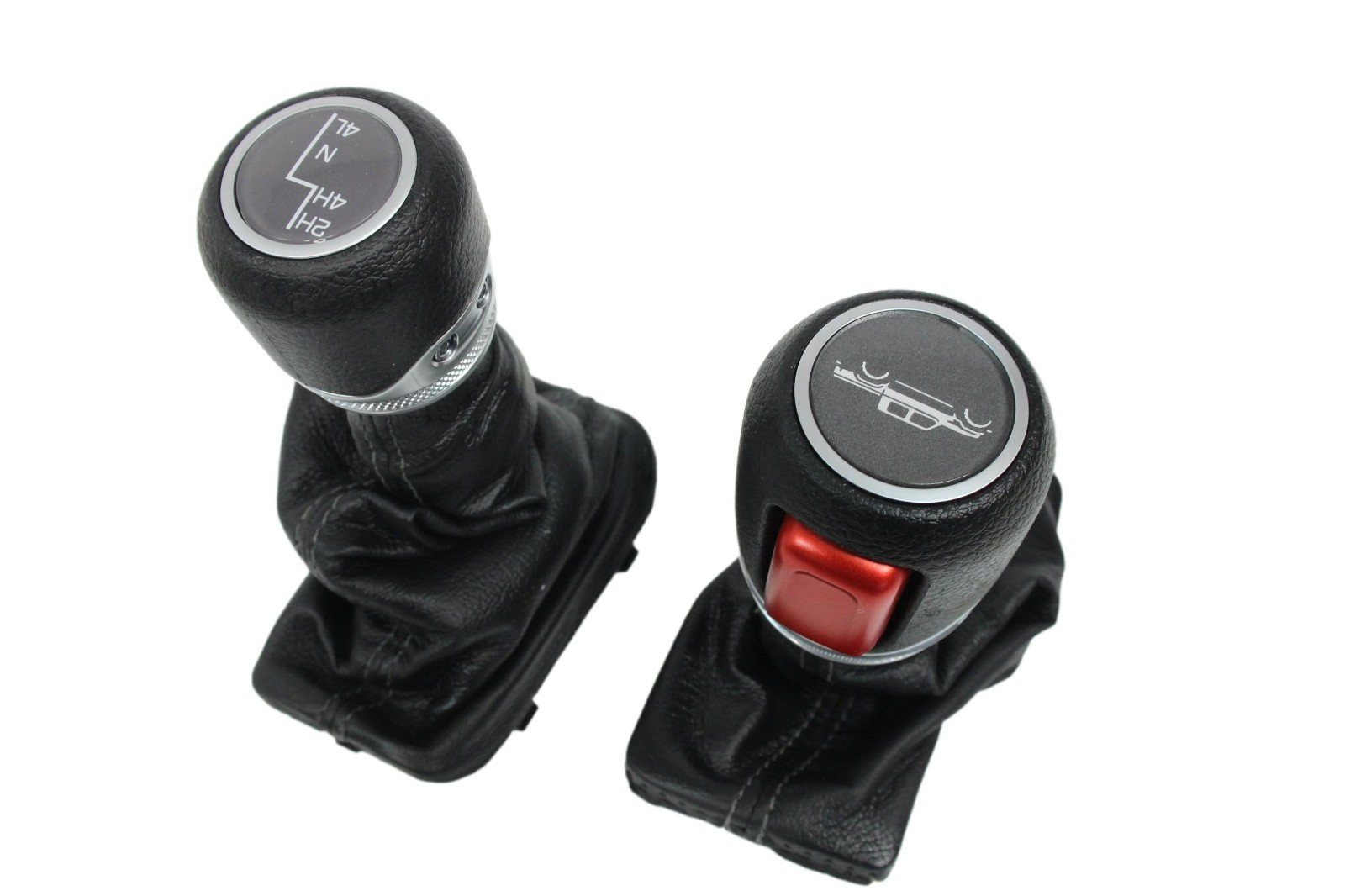
Switch between 2WD, 4WD High, and 4WD Low. The shift should be smooth.
- If shifting is rough or sticks, the linkage or internal parts may be worn.
- Don’t force the lever; this can cause more damage.
5. Inspect Under The Vehicle
Look for visible damage:
- Check for cracks, dents, or broken mounting bolts.
- Make sure the transfer case isn’t loose.
6. Monitor Performance
Pay attention to your Jeep’s behavior:
- If the vehicle pulls to one side, the transfer case may not be working evenly.
- Jerky acceleration or loss of power can signal internal issues.
Comparing Transfer Case Issues Vs. Transmission Problems
Many Jeep owners confuse transfer case problems with transmission troubles. Here’s a quick comparison:
| Symptom | Transfer Case | Transmission |
|---|---|---|
| Noise while shifting modes | Yes | No |
| Fluid leak at center | Yes | No |
| Difficulty changing gears | No | Yes |
| Warning lights | 4WD | Transmission |

Fluid Types And Change Intervals
Using the right fluid is important. Different Jeep models require different fluids:
| Jeep Model | Transfer Case Fluid | Change Interval |
|---|---|---|
| Wrangler JK | ATF+4 | Every 30,000 miles |
| Cherokee XJ | Automatic Transmission Fluid | Every 25,000 miles |
| Grand Cherokee | Special Jeep Transfer Case Fluid | Every 40,000 miles |
Always check your owner’s manual for the correct fluid type.
Diy Vs. Professional Inspection
Some Jeep owners prefer to inspect their transfer case themselves, but others choose a mechanic. Here’s a comparison:
| Inspection Type | Pros | Cons |
|---|---|---|
| DIY | Save money, learn about your Jeep | Risk missing hidden issues |
| Professional | Expert diagnosis, advanced tools | Higher cost |
If you notice severe symptoms (like loud noises or major leaks), it’s best to get a professional checkup.
Common Mistakes When Checking Transfer Cases
Even experienced owners make mistakes. Watch out for these:
- Using the wrong fluid type: This can damage internal parts.
- Over-tightening the fill plug: May cause leaks or cracks.
- Ignoring small leaks: Minor leaks often grow bigger over time.
- Forgetting regular checks: Skipping routine inspections leads to missed problems.
- Not testing all driving modes: Problems may only show up in 4WD Low.
A smart tip: Write down your inspection dates and any issues. This helps track your Jeep’s health and can help with resale value.
Advanced Tips For Transfer Case Care
Beyond basic checks, try these expert ideas:
- Use a magnetic drain plug to catch metal particles.
- Check your transfer case after heavy off-roading or water crossings.
- Upgrade to synthetic fluid if your Jeep sees extreme use.
Many beginners forget that transfer cases need care after hard driving, not just regular mileage. This simple step can extend your Jeep’s life.

When To Seek Professional Help
If you find:
- Large fluid leaks
- Loud grinding noises
- Trouble shifting modes that won’t go away
Don’t wait—visit a mechanic. Ignoring these signs can damage your Jeep’s drivetrain and cost much more to fix later. For more details on transfer case maintenance, check this Wikipedia page.
Frequently Asked Questions
How Often Should I Check My Jeep Transfer Case?
You should check your transfer case every 6 months or every 10,000 miles, whichever comes first. Off-road drivers should check more often.
What Fluid Does A Jeep Transfer Case Use?
Most Jeeps use ATF+4 or special transfer case fluid. Check your owner’s manual for the exact type.
Can I Drive With A Bad Transfer Case?
Driving with a damaged transfer case risks losing 4WD and causing more damage. It’s best to fix issues before driving long distances.
What Does A Burnt Smell In Transfer Case Fluid Mean?
A burnt smell suggests overheating or worn parts inside the transfer case. Change the fluid and check for internal damage.
How Much Does It Cost To Repair A Transfer Case?
Repair costs vary. Simple fixes can be under $200, but replacing a transfer case can cost $1,000–$2,500 depending on your Jeep model.
Taking care of your Jeep’s transfer case keeps your adventures safe and smooth. By checking the transfer case regularly, you avoid surprises and make sure your vehicle stays reliable—on the road and off. Even small checks can save big money and trouble in the future.