If your Jeep Cherokee brake light is not working, it can be both frustrating and dangerous. Brake lights are essential for road safety, alerting other drivers when you slow down or stop. Fixing this problem is often simpler than you think, but knowing the right steps will save you time and avoid mistakes. Here, you’ll learn how to diagnose, repair, and prevent brake light issues on your Jeep Cherokee, even if you don’t have much experience with car repairs.
Understanding The Problem
Before you start fixing, it’s important to know what’s causing your brake light issue. Common reasons include:
- Burned out bulb
- Blown fuse
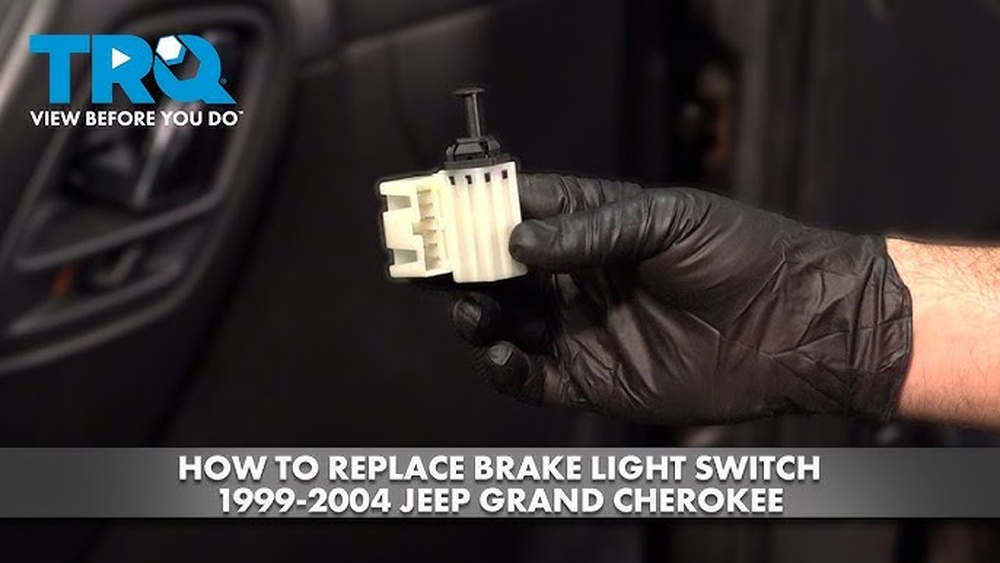
- Faulty brake light switch
- Wiring issues
- Corroded socket
Each problem requires a different approach. For most Jeep Cherokee models, brake light problems are usually caused by a simple bulb or fuse failure. However, it’s smart to keep in mind that sometimes more than one issue can happen at the same time, especially in older vehicles.
For example, a blown fuse might be a sign that there’s a deeper wiring problem.
| Possible Cause | Difficulty Level | Estimated Cost |
|---|---|---|
| Burned Out Bulb | Easy | $5-$10 |
| Blown Fuse | Easy | $2-$5 |
| Faulty Switch | Medium | $20-$40 |
| Wiring Issue | Hard | $0-$50 |
| Corroded Socket | Medium | $10-$15 |
A single faulty brake light often points to a bulb or socket issue, while all brake lights failing at once usually means a fuse or switch problem. This difference helps you narrow down the cause more quickly.
Step-by-step Fix Guide
1. Check The Brake Light Bulb
Most brake light failures are due to burned out bulbs. To check:
- Open the rear hatch or trunk.
- Locate the brake light housing.
- Remove the screws or clips holding the housing.
- Pull out the bulb and inspect for dark spots or broken filament.
If the bulb is damaged, replace it with a new one (usually a 3157 or 1157 bulb for Jeep Cherokee).
A new bulb should fit snugly. If it feels loose, the socket may be worn out or corroded. When installing the new bulb, avoid touching the glass with your fingers, as oil from your skin can shorten the bulb’s life.
If you don’t have gloves, use a clean tissue to handle the bulb.
2. Test And Replace The Fuse
A blown fuse can stop all brake lights from working. The fuse box is usually under the dashboard or in the engine bay.
- Find the brake light fuse using your owner’s manual.
- Pull it out and check if it’s broken.
- Replace with a fuse of the same rating if needed.
If you find the new fuse blows again soon after replacement, this could mean there’s a short circuit somewhere in the system. In that case, do not keep replacing the fuse, as it could cause more damage. Try to check for obvious signs of damaged wiring or exposed metal.
| Fuse Location | Fuse Number | Rating (Amps) |
|---|---|---|
| Interior Panel | F12 | 10A |
| Engine Bay | F7 | 15A |
Some Jeep Cherokee models have spare fuses included in the fuse box cover—check there first before buying new ones.
3. Inspect The Brake Light Switch
If both the bulb and fuse are fine, check the brake light switch. This switch is near the brake pedal.
- Press the brake pedal and see if the switch clicks.
- If not, adjust or replace the switch.
A faulty switch is less common but can cause all brake lights to fail.
To test the switch, you can use a multimeter to check for continuity when the pedal is pressed. If there is no continuity, the switch is likely bad. Some switches are adjustable—if the lights stay on all the time, the switch might need to be screwed in further.
4. Check Wiring And Sockets
Wires can become loose, damaged, or corroded, especially in older Jeep Cherokees.
- Inspect the wires leading to the brake light housing.
- Look for cracks, frayed wires, or corrosion.
- Clean the socket with electrical contact cleaner if needed.
Non-obvious insight: Sometimes, moisture gets trapped inside the brake light housing, causing corrosion. Make sure the housing is dry and sealed.
Corroded sockets are not always easy to spot. Check for green or white residue, which means oxidation. If cleaning doesn’t help, the socket may need replacing. Also, make sure the wires are firmly connected to the socket—wiggle them gently to check for looseness.
| Issue | Visual Sign | Repair Needed |
|---|---|---|
| Corroded Socket | Green/white residue | Clean or replace socket |
| Damaged Wire | Exposed metal | Wrap or replace wire |
| Loose Connection | Wiggly socket | Secure connection |
Extra tip: If you’re not sure about a wire, gently pull it. If it feels stretchy or breaks easily, it’s time to replace that section. Old insulation gets brittle and may crack, causing shorts.
5. Test The Brake Lights
After each repair, ask someone to press the brake pedal while you check the lights. If you’re alone, place a heavy object on the pedal and look for the reflection against a wall.
Beginner tip: Always check both sides. Sometimes only one light is out, and you may miss it.
If your Jeep has a high-mounted third brake light, check that too—it is sometimes on a different circuit. When testing, do it in a shaded area or garage to make the lights easier to see.

Preventing Future Brake Light Problems
To avoid brake light issues in the future:
- Use quality bulbs that last longer.
- Keep the brake light housing dry and clean.
- Check bulbs and fuses every 6 months.
- Avoid using non-OEM parts which may not fit perfectly.
Non-obvious insight: If you frequently drive on rough roads, vibrations can loosen bulbs and sockets. Make sure everything is tight after repairs.
Another useful tip is to spray a small amount of dielectric grease on bulb bases before installing. This prevents moisture and corrosion, making your repairs last longer. Also, if you notice condensation in the light housing, fix the seal right away—moisture is the top enemy of electrical parts.
When To Seek Professional Help
If your brake lights still don’t work after following these steps, the problem may be deeper, like a short circuit or a computer issue. In this case:
- Visit a trusted auto shop.
- Ask for a diagnostic test.
- Get a written estimate before approving repairs.
Sometimes, the issue is with the car’s electrical system, which needs special tools and expertise.
A professional mechanic can also check the car’s body control module (BCM), which manages lighting on newer Jeep Cherokees. If the module fails, it can affect multiple lights at once. This kind of diagnosis is not easy to do at home.

Frequently Asked Questions
What Tools Do I Need To Fix A Jeep Cherokee Brake Light?
You usually need a screwdriver, new bulb, fuse, and electrical cleaner. For wiring problems, wire cutters and tape can help.
A multimeter is very helpful for checking switches and wiring continuity, especially if you suspect a deeper electrical problem.
How Often Should I Check My Brake Lights?
It’s best to check every 6 months or before long trips. Regular checks help prevent tickets and accidents.
Many people check their lights only when something seems wrong, but a simple walk-around inspection while a friend presses the brake pedal takes just a minute and can save you trouble.
Are Led Brake Lights Better Than Standard Bulbs?
LED bulbs last longer and use less energy. However, some Jeep Cherokee models need adapters to use LEDs.
LEDs light up faster, which could give drivers behind you more time to react. Just make sure the LEDs are compatible with your vehicle to avoid fast blinking or warning lights on the dashboard.
Can A Brake Light Problem Drain My Battery?
A short circuit or stuck brake light switch can drain your battery. If your lights stay on even when the car is off, fix the problem quickly.
This often happens if the brake pedal switch sticks, especially after installing a new floor mat that presses on the pedal.
Where Can I Find The Official Jeep Cherokee Repair Manual?
You can find it on the Jeep official site, which offers manuals and guides for all Jeep models.
Fixing your Jeep Cherokee brake light is usually simple and affordable. By following these steps, you can quickly get back on the road safely. If you find the problem is more complex, don’t hesitate to get professional help. A working brake light is not just about avoiding tickets—it’s about keeping you and others safe.