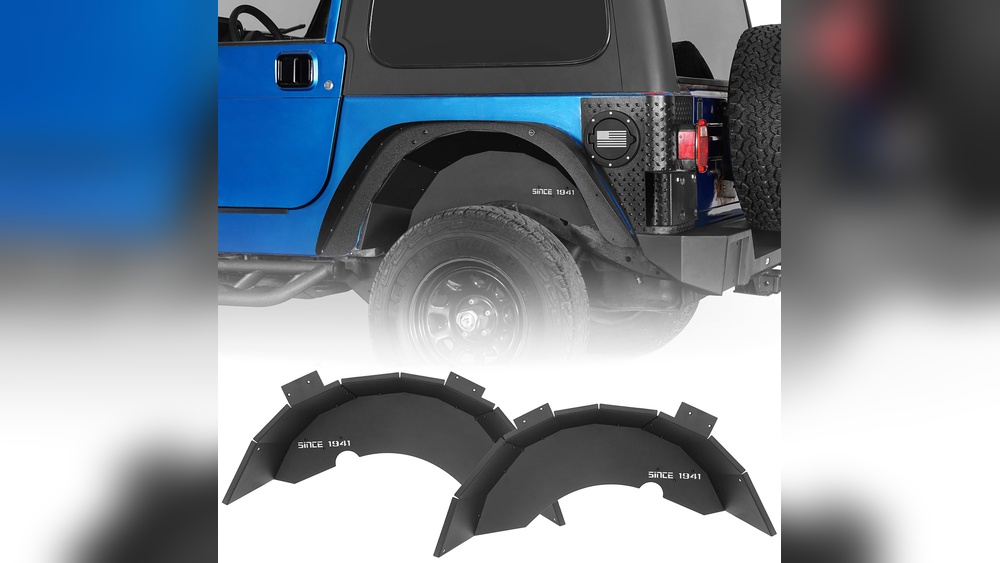
If you own a Jeep Wrangler TJ, you know it’s built for adventure. But every off-road trip or muddy trail can lead to dirt and debris collecting inside the wheel wells. Over time, you may need to remove the wheel well liner—maybe for cleaning, rust repair, installing larger tires, or inspecting for hidden damage. Taking out the liner is not difficult, but there are a few steps where it’s easy to get stuck. This article will guide you through the process, highlight common mistakes, and share tips to make the job smoother. You don’t need advanced tools or mechanical expertise—just some patience and attention to detail.
Why Remove The Wheel Well Liner?
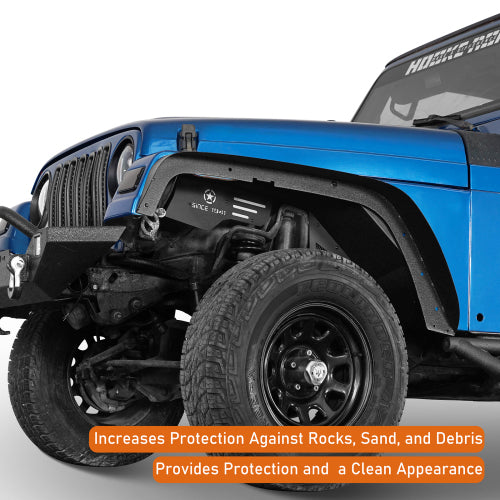
The wheel well liner protects your Jeep’s body from rocks, mud, and water. However, dirt can collect behind the liner and cause rust over time. Removing it lets you:
- Clean hidden mud or debris
- Inspect for rust or damage
- Install accessories like rock sliders or larger tires
- Repair or replace the liner itself
Some Jeep owners also remove the liner to get a bit more tire clearance or for a custom look. But it’s important to know that driving without a liner can expose your Jeep’s inner fender and wiring to more dirt and water.
Tools And Materials Needed
Before you start, gather the right tools. Here’s what you’ll need:
- Socket set (metric and SAE sizes) – Most fasteners are 8mm, 10mm, or 13mm.
- Ratchet or wrench
- Flathead screwdriver or trim tool – For plastic clips.
- Phillips screwdriver – Some liners use Phillips screws.
- Needle-nose pliers – For stubborn clips.
- Work gloves – To protect your hands.
- Flashlight – Helps see in dark wheel wells.
- Jack and jack stands (optional) – For more working space if you remove the wheel.
Some Jeep TJs have aftermarket liners. Check your liner to see if it uses different fasteners.
Safety Tips Before You Begin
- Park on a level surface and set the parking brake.
- If you lift your Jeep, always use jack stands—never rely only on a jack.
- Wear gloves and eye protection, especially if working under the vehicle.
- Make sure the engine is off and the keys are removed.
Step-by-step: How To Remove The Wheel Well Liner
Follow these steps to remove the wheel well liner from your Jeep Wrangler TJ. The process is almost the same for both front and rear wheels, but the front liners are a bit larger.
1. Remove The Wheel (optional But Recommended)
While you can remove the liner with the wheel on, taking the wheel off gives you much more room.
- Use a lug wrench to loosen the lug nuts.
- Lift the Jeep with a jack and support it with jack stands.
- Remove the wheel and set it aside.
2. Locate All Fasteners
The TJ’s wheel well liner is held in by a mix of plastic clips, screws, and bolts. Check both the edge and the inside of the liner.
- There are usually 6 to 10 fasteners per liner.
- Some are hidden under mud or dirt—clean the area first with a brush or water hose.
- Use a flashlight to see all fasteners clearly.
3. Remove Plastic Clips
Plastic clips can be fragile, especially if old or exposed to sun.
- Use a trim tool or flathead screwdriver to gently pry up the center part of the clip.
- Pull out the entire clip.
- If a clip breaks, don’t worry—replacements are cheap and easy to find.
4. Unscrew Any Bolts Or Screws
- Use the correct socket size (usually 8mm or 10mm) or a Phillips screwdriver.
- Remove bolts/screws along the liner’s edge.
- Keep the hardware in a small container so you don’t lose them.
5. Free The Liner From The Fenders
Once all fasteners are out, the liner may still stick due to dirt or old sealant.
- Gently pull the liner away from the fender.
- Wiggle it side-to-side to loosen.
- If it’s stuck, check for missed clips or screws.
Non-obvious tip: Sometimes, a liner can catch on the fender lip or a wiring harness. Move slowly and don’t force it—double-check for anything holding it in place.
6. Remove The Liner
- Tilt and rotate the liner to slide it out of the wheel well.
- For the front liner, you may need to push back hoses or wires gently.
- If removing the rear liner, it’s usually smaller and easier to pull out.
7. Inspect The Area
With the liner out, take time to:
- Clean mud, sand, or debris from the fender and frame.
- Check for rust, especially along seams.
- Inspect wiring, hoses, and brake lines for damage.
- Spray with a rust inhibitor if you see bare metal.
Insight: Many Jeep owners find small rust spots or trapped debris they didn’t expect. Removing the liner once a year can prevent bigger problems later.
Common Challenges And How To Solve Them
Removing a Jeep TJ’s wheel well liner is usually straightforward, but you may face a few obstacles.
Stuck Or Stripped Fasteners
Rust or mud can seize bolts.
- Spray with penetrating oil and wait 10 minutes.
- Use a socket with a good grip.
- If a plastic clip is stripped, grab it with needle-nose pliers and twist gently.
Broken Clips
Clips often break during removal—this is normal for older Jeeps.
- Buy a pack of replacement clips before starting. Most auto parts stores sell them.
- Match the clip size for a snug fit when reinstalling.
Liner Won’t Budge
If the liner won’t come out, check for:
- Missed fasteners at the very top or behind mud.
- Wiring harnesses or hoses catching the liner.
- Edges stuck due to dried mud—clean around the liner before pulling.
Comparing Stock Vs Aftermarket Liners
Not all Jeep TJ liners are the same. Some owners swap stock liners for aftermarket options. Here’s a quick comparison:
| Feature | Stock Liner | Aftermarket Liner |
|---|---|---|
| Material | Plastic (flexible) | Plastic, aluminum, or steel |
| Protection Level | Standard debris and water | Often higher (better against rocks, off-road) |
| Weight | Lightweight | May be heavier |
| Installation | Factory fit, easy removal | May need drilling or extra hardware |
| Cost | Included with Jeep | Varies ($50–$200+ per pair) |
What To Do After Removing The Liner
Once the liner is out, you have a chance to do other maintenance or upgrades:
- Rustproof the fender with undercoating spray
- Route wires for aftermarket lights or accessories
- Check suspension parts for wear
- Install larger tires (if that’s your goal)
If you need to drive without the liner for a short time, avoid deep water or mud. The exposed area is more vulnerable.
Reinstalling Or Replacing The Liner
After cleaning or repairs, putting the liner back is almost the reverse of removal.
- Position the liner carefully, lining up all holes.
- Insert plastic clips or bolts loosely at first, then tighten them after all are in.
- Replace any broken clips with new ones.
- For aftermarket liners, follow the instructions—they might need extra hardware or trimming.
Tip: Always test-fit the liner before tightening everything. This makes sure it sits flush and doesn’t rub against the tire.
Real-world Example: First-time Removal
Let’s say you bought a 2001 Jeep Wrangler TJ that’s spent time off-road. You notice the passenger front liner looks loose, and there’s mud packed behind it.
You gather your tools and remove the wheel for easy access. After spraying the fasteners with penetrating oil, you find one plastic clip won’t budge—it breaks, but you have spares. The liner comes out with some wiggling, revealing a thick layer of mud and some surface rust.
Cleaning and treating the area takes about 20 minutes. You reinstall the liner using new clips and bolts. The whole job takes about an hour, and you feel confident your fender is protected again.
Quick Reference: Typical Jeep Tj Liner Fastener Locations
To help you spot every fastener, here’s a simple guide:
| Location | Fastener Type | Notes |
|---|---|---|
| Fender edge (top) | Plastic clip | Often hidden under lip |
| Fender edge (side) | 8mm bolt | May be rusty |
| Lower rear of well | Plastic clip or screw | Often covered in mud |
| Near frame rail | Plastic clip | Check for wiring nearby |
| Front corner (by bumper) | Phillips screw | May need long screwdriver |
Essential Maintenance Tips
- Clean behind the liner at least once a year, especially if you drive off-road.
- Replace any damaged or missing clips—don’t leave the liner loose.
- Inspect for rust and treat it early. Small rust spots grow quickly if ignored.
- Use OEM or quality aftermarket clips for secure fit.
- If you install larger tires, check that the liner doesn’t rub during turns or suspension movement.
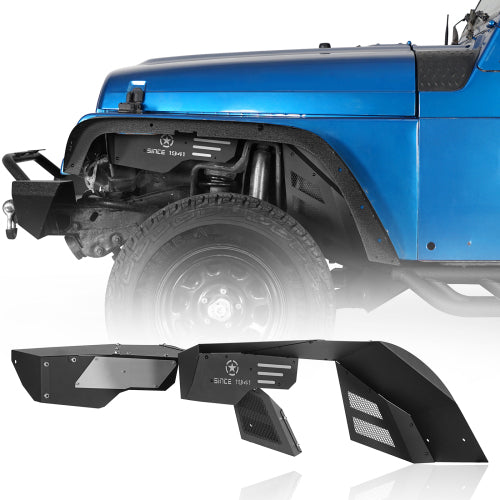
Advanced tip: If you plan to add heavy-duty accessories or go rock crawling, consider upgrading to metal liners for extra protection.
Mistakes To Avoid
- Forcing stuck fasteners—this can damage the fender.
- Losing track of hardware—keep bolts and clips in a small tray or bag.
- Ignoring rust—even small spots can become major problems.
- Driving without a liner for long periods—this exposes critical parts to the elements.
When To Replace The Liner
If your liner is cracked, broken, or won’t stay attached, it’s time for a replacement. Aftermarket options can add both protection and style, but make sure they fit your year and model. For most Jeep TJ owners, the stock liner does a good job unless you’re doing extreme off-roading.
For more in-depth information about Jeep maintenance and wheel well care, check out the official Jeep Wrangler Wikipedia page.
Frequently Asked Questions
Can I Drive My Jeep Wrangler Tj Without The Wheel Well Liner?
Yes, but it’s not recommended for long periods. The liner protects wiring, hoses, and the body from dirt, water, and rocks. Driving without it, especially off-road, can lead to more rust or damage.
How Much Does A Replacement Wheel Well Liner Cost?
A stock replacement liner costs around $30–$80 each. Aftermarket liners can range from $50 to over $200 per pair, depending on the material and brand.
Do I Need To Remove The Liner To Install Bigger Tires?
Not always, but for oversized tires, removing or trimming the liner can help prevent rubbing during sharp turns or when the suspension compresses.
Are All Jeep Tj Wheel Well Liners The Same?
No. While most 1997–2006 TJ liners are similar, there are small differences based on trim and year. Aftermarket liners may fit differently and sometimes require extra drilling or hardware.
How Long Does It Take To Remove And Reinstall The Liner?
For most people, removal takes about 20–40 minutes per wheel, depending on rust and stuck fasteners. Reinstallation is usually faster, around 15–30 minutes if all hardware is ready.
Removing the wheel well liner from your Jeep Wrangler TJ is a practical job that keeps your Jeep ready for the road and the trail. With basic tools, a little patience, and the tips above, you can inspect, clean, or replace your liner and help your Jeep last even longer.