Changing the brake light on your Jeep Cherokee may sound complicated, but it’s a simple task that almost anyone can do at home. Replacing a burnt-out brake light is not just about safety—it’s also the law in many states. You don’t want to get pulled over or risk an accident just because a small bulb is out.
With the right tools and a step-by-step approach, you can handle this job in less than 30 minutes, even if you have never done car maintenance before. This guide will walk you through every step, offer expert tips, and help you avoid common mistakes.
Why Brake Light Maintenance Matters
The brake lights on your Jeep Cherokee are essential for safe driving. When you press the brake pedal, these lights signal to drivers behind you that you are slowing down or stopping. If a brake light doesn’t work, other drivers might not notice your car’s movements, increasing the risk of a rear-end collision. According to the National Highway Traffic Safety Administration, lighting problems are one of the most common vehicle safety issues. Besides safety, a non-working brake light can result in fines during routine traffic stops.
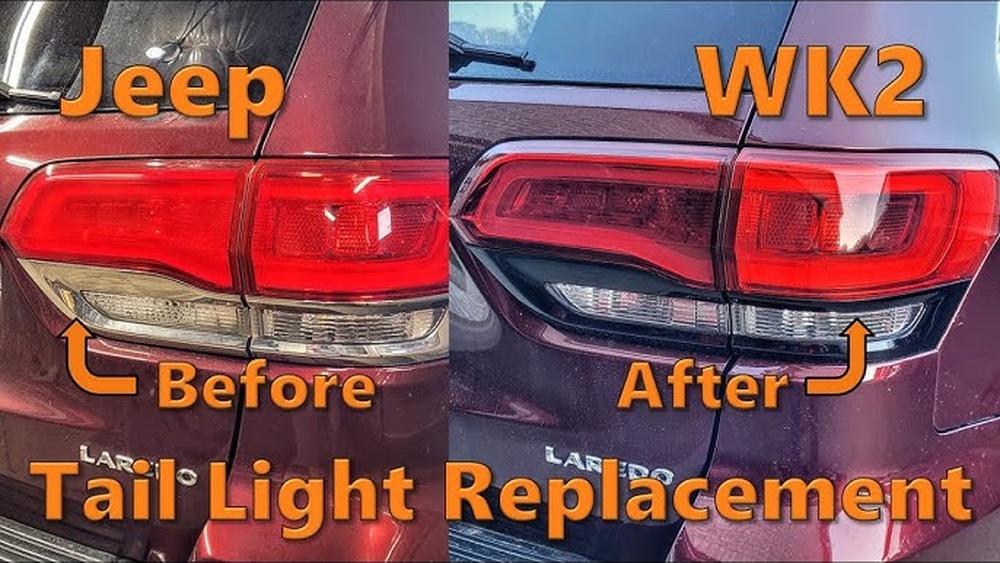
Many Jeep Cherokee owners miss one important detail: modern vehicles often use dual-filament bulbs in tail lights, where one filament handles the brake light and another handles the running light. Sometimes, the running light works, but the brake light does not, making it hard to notice a problem. Checking all lights regularly is a good habit.
Tools And Parts You’ll Need
Before you start, gather all the necessary items. Having the right tools makes the job easier and helps avoid damaging your vehicle.
- Replacement brake light bulb (check your owner’s manual or the old bulb for the correct type, usually 3157 or 7443 for many Cherokees)
- Phillips screwdriver (some models require a flathead or a Torx driver)
- Latex or nitrile gloves (to keep skin oils off the new bulb)
- Clean cloth or rag
Optional but helpful:
- Socket set (for some trim bolts)
- Flashlight (if working in low light)
Remember, using the correct bulb type is critical. Installing the wrong bulb can lead to poor fit or electrical issues.

Step-by-step: How To Change The Brake Light On A Jeep Cherokee
1. Ensure Safety First
Before starting, park your Jeep Cherokee on a level surface. Turn off the engine and remove the key. Engage the parking brake to prevent any movement. If you have to work near traffic, wear a reflective vest and ensure you are visible.
2. Locate The Brake Light Assembly
Open the rear liftgate. The brake light is usually part of the tail light assembly on either side of the vehicle. On most Jeep Cherokee models (2014 and newer), you’ll see two or three screws holding the tail light in place.
3. Remove The Tail Light Assembly
- Use your screwdriver to remove the screws securing the tail light. Place the screws in a safe spot so you don’t lose them.
- Gently pull the tail light assembly away from the vehicle. If it feels stuck, wiggle it carefully—never force it. Some clips may be holding it, so apply even pressure.
- If your model has a wiring harness, disconnect it by pressing the tab and pulling the connector.
4. Find And Remove The Brake Light Bulb
With the assembly out, look at the bulb sockets. Most Cherokees have three bulbs: turn signal, reverse, and brake/tail light. The brake light bulb is usually the largest or central bulb.
- Twist the bulb socket counterclockwise and pull it out.
- Gently pull the bulb straight out of the socket. If it’s stuck, wiggle it slightly but don’t use excessive force.
5. Install The New Bulb
- With gloves on, insert the new bulb into the socket. Avoid touching the glass with bare hands—oil from your skin can shorten the bulb’s life.
- Test the new bulb before reassembly. Ask someone to press the brake pedal while you check if it lights up. If working alone, place a heavy object (like a brick) on the pedal or use a reflective surface behind the car.
6. Reassemble Everything
- Insert the bulb socket back into the assembly and twist clockwise to lock.
- Reconnect the wiring harness if you disconnected it earlier.
- Carefully fit the tail light assembly back into position.
- Replace and tighten the screws.
7. Final Check
After everything is reassembled, test all functions—brake, reverse, and turn signal lights. Make sure the new brake light is working and matches the brightness of the other side.
Jeep Cherokee Brake Light Bulb Types
Different Cherokee models may use different bulb types. Here’s a quick comparison:
| Model Year | Bulb Type | Notes |
|---|---|---|
| 2014–2022 | 3157 | Standard bulb; some trims use LED |
| 2011–2013 | 7443 | Check for dual-filament version |
| Older (pre-2011) | 3057 or 1157 | Varies by trim |
Always check your owner’s manual or bring the old bulb to the auto parts store to ensure a match.

Common Mistakes To Avoid
Changing a brake light is simple, but mistakes happen. Here are errors to watch out for:
- Using the wrong bulb type: This is the most frequent mistake. Always match the number and style.
- Touching the bulb glass: Oils from your skin can lead to early failure, especially for halogen bulbs.
- Forgetting to test the bulb before reassembly: It’s frustrating to put everything back only to realize the light still doesn’t work.
- Not reconnecting the wiring harness: If your tail light has a harness, double-check the connection.
- Over-tightening screws: This can crack the plastic housing. Tighten until snug, but not too much.
Many beginners also overlook the possibility that a non-working brake light could be a fuse or wiring issue, not just a bulb. If the new bulb doesn’t work, check your fuses next.
Cost And Time Estimate
Changing a brake light bulb is one of the most affordable car repairs.
| Item | Estimated Cost | Time Needed |
|---|---|---|
| Bulb | $5–$15 | 5 minutes |
| Tools (if needed) | $0–$20 | — |
| Total DIY | $5–$35 | 15–30 minutes |
| Mechanic Labor | $25–$60 | 15–30 minutes |
DIY saves both time and money, and you learn more about your vehicle.
Led Vs. Halogen Bulbs: Which To Choose?
Some newer Jeep Cherokees and many aftermarket options use LED bulbs instead of halogen. LEDs last much longer, use less power, and are brighter, but they cost more.
| Feature | Halogen Bulb | LED Bulb |
|---|---|---|
| Lifespan | 1–2 years | 5–10 years |
| Cost | $5–$15 | $15–$40 |
| Brightness | Standard | Higher |
| Installation | Plug-and-play | May need resistor |
If upgrading to LED, check if your Jeep needs a resistor to prevent “hyper-flashing. ” This is a rapid blinking or warning message caused by the lower power use of LEDs.
When The Bulb Isn’t The Problem
Sometimes, you’ll replace the bulb and the brake light still won’t work. Here’s what to check next:
- Fuses: Look in the fuse box (often under the dashboard or in the engine compartment). The owner’s manual will list which fuse controls the brake lights.
- Wiring: Inspect for broken or corroded wires at the tail light assembly.
- Brake light switch: Located near the brake pedal, this switch can fail. If none of the brake lights work, this is a likely cause.
If electrical troubleshooting feels overwhelming, it’s okay to ask a professional for help.
Safety Tips For Brake Light Replacement
Working on your car, even for something simple, involves some risks. Here are practical safety tips:
- Always turn off the ignition and remove the key before starting.
- Work in a well-lit area to avoid mistakes.
- Wear gloves to protect both your hands and the new bulb.
- Keep tools and parts organized so you don’t lose anything.
A surprising number of injuries happen from slips or dropping tools. Take your time, and don’t rush.
Practical Insights Most People Miss
- Test all rear lights at once. After installing a new brake bulb, check the reverse and turn signal bulbs too. If one bulb failed, others may be close to burning out.
- Check for moisture. If you notice condensation inside the tail light, there may be a seal problem. Moisture can shorten bulb life and cause corrosion. If you see water, clean the assembly and reseal it with automotive silicone.
Most guides skip these checks, but catching these issues early saves headaches later.
Resources For Jeep Cherokee Owners
If you want more technical details or wiring diagrams, the official Jeep service manual or the Jeep Owner’s Care website has up-to-date information for your model.
Frequently Asked Questions
How Do I Know Which Bulb Is My Brake Light?
Check your owner’s manual for the correct bulb number. On most Cherokees, the brake light bulb is the largest in the tail light assembly and often marked on the plastic housing. If unsure, bring the old bulb to an auto parts store for a match.
Can I Replace The Brake Light With An Led Bulb?
Yes, if your tail light supports it. LED bulbs are brighter and last longer. However, you might need a resistor or decoder if you notice rapid blinking after installation.
What If The New Bulb Doesn’t Work?
First, check the bulb’s orientation and the socket connection. If still not working, inspect the fuse and wiring. Sometimes, the issue is with the brake light switch near the pedal.
How Often Should I Check My Brake Lights?
Check brake lights every few months or before long trips. Ask someone to help, or use a reflective surface to see the lights while pressing the brake pedal.
Is It Safe To Drive With A Brake Light Out?
No, it’s risky and illegal in many places. Other drivers may not see you stop, increasing accident risk. Replace the bulb as soon as possible.
Replacing a brake light on your Jeep Cherokee is simple, affordable, and adds to your confidence as a car owner. With this guide, you can handle the task in less than half an hour, stay safe, and avoid unnecessary fines.
Taking care of small maintenance jobs like this keeps your vehicle reliable and you safer on the road.