Changing the spark plugs on a 2002 Jeep Grand Cherokee can make your SUV run smoother, save fuel, and prevent engine problems. Many Jeep owners avoid this job, thinking it’s difficult. But with the right tools and clear steps, you can do it yourself in less than an hour. This guide will show you every step, share useful tips, and help you avoid common mistakes.
Tools And Materials Needed
Before you begin, gather these items:
- Spark plug socket (5/8-inch, with extension)
- Ratchet wrench
- Torque wrench
- New spark plugs (Usually six for the 4.0L inline-six engine)
- Dielectric grease
- Gap gauge
- Anti-seize compound
- Compressed air
- Shop rag
Don’t forget safety gear: gloves and eye protection.
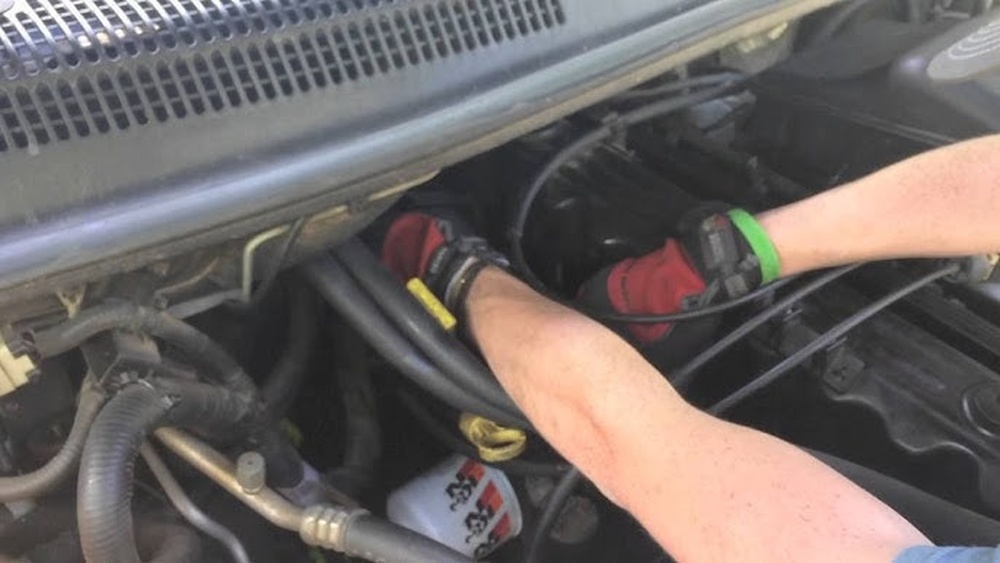
Preparing Your Jeep
Make sure the engine is cool. Hot engines can burn your hands and make plugs harder to remove. Park your Jeep on a flat surface, pop the hood, and disconnect the negative battery cable. This prevents any electrical shock.
Step-by-step Spark Plug Replacement
1. Locate The Spark Plugs
On the 2002 Grand Cherokee, the spark plugs are under the ignition coil rail, which sits on top of the engine. You’ll see six boots lined up for the six cylinders.
2. Remove The Ignition Coil Rail
- Unbolt the coil rail using a socket wrench (usually 10mm bolts).
- Gently lift the rail off. If it sticks, wiggle it slightly.
- Set the rail aside carefully to avoid damaging the wires.
3. Clean Around The Plugs
Use compressed air to blow away dust and debris. This stops dirt from falling into the cylinder when you remove the plug.
4. Remove The Old Spark Plugs
- Fit your spark plug socket with an extension onto the first plug.
- Turn counterclockwise to loosen and remove.
- Repeat for all six plugs.
Tip: If a plug won’t budge, don’t force it. Spray a little penetrating oil and wait a few minutes.
5. Inspect The Old Plugs
Check each plug for signs of wear:
- Black soot means too much fuel.
- White deposits mean overheating.
- Oil on tip could mean engine leaks.
If most plugs look bad, the engine may need more than just new plugs.
6. Gap The New Spark Plugs
Use a gap gauge to check the gap. The 2002 Grand Cherokee’s plugs should be set to 0.035 inches. Adjust if needed. Incorrect gaps cause misfires.
7. Apply Anti-seize Compound
Put a tiny amount of anti-seize on the threads of each new plug. This helps you remove them next time. Don’t use too much—it can affect torque readings.
8. Install New Spark Plugs
- Insert each new plug by hand to avoid cross-threading.
- Use your socket wrench to tighten until snug.
- Use a torque wrench to tighten to 20 ft-lbs (for most plugs).
- Do not overtighten—broken plugs are hard to fix.
9. Reinstall The Coil Rail
- Place the coil rail back onto the plugs.
- Bolt it down evenly.
- Attach any wires you removed.
10. Connect Battery And Test
Reconnect the negative battery cable. Start your Jeep. Listen for smooth idle. If the engine shakes or the check engine light comes on, recheck your work.
Spark Plug Types Compared
Choosing the right spark plug matters. Here’s a quick comparison:
| Type | Material | Longevity | Cost | Performance |
|---|---|---|---|---|
| Copper | Copper core | 20,000 miles | Low | Basic |
| Platinum | Platinum tip | 60,000 miles | Medium | Better |
| Iridium | Iridium tip | 100,000 miles | High | Best |
For the 2002 Grand Cherokee, copper plugs work well but need changing more often. Platinum or iridium last longer and improve performance.

Common Mistakes And How To Avoid Them
- Wrong plug gap: Always check the gap. Factory gaps may be off.
- Overtightening: Can crack the plug or damage threads.
- Not cleaning area: Dirt can fall into the engine.
- Mismatched plugs: Use plugs recommended for your engine.
- Skipping anti-seize: Makes future removal harder.
A non-obvious tip: If your Jeep has high mileage, consider changing the coil rail boots too. They become brittle over time and cause misfires.
Performance After Spark Plug Change
Many drivers notice:
- Quicker starts
- Smoother idle
- Better gas mileage
- More responsive acceleration
A study by the National Institute for Automotive Service Excellence found that replacing worn spark plugs can improve fuel efficiency by up to 7%.

Cost Comparison: Diy Vs. Mechanic
Let’s look at the costs:
| Method | Parts Cost | Labor Cost | Total |
|---|---|---|---|
| DIY | $18–$45 | $0 | $18–$45 |
| Mechanic | $18–$45 | $80–$120 | $98–$165 |
Doing it yourself saves money and gives you confidence for future repairs.
Tips For Easy Spark Plug Changes
- Always work with a cold engine.
- Keep plugs organized; don’t mix new and old.
- Use dielectric grease on coil boots to prevent moisture issues.
- Check for vacuum leaks after finishing—sometimes hoses get knocked loose.
Many beginners miss that even a tiny crack in a coil boot can cause engine hesitation, so inspect them closely.
If you need more technical details, visit Jeep Official Owner’s Site.
Frequently Asked Questions
How Often Should I Change Spark Plugs On A 2002 Jeep Grand Cherokee?
Most experts recommend every 30,000 miles for copper plugs, or up to 100,000 miles for iridium.
What Are Signs My Spark Plugs Need Changing?
Look for misfires, rough idle, poor acceleration, and lower fuel economy.
Can I Use Any Spark Plug Brand?
Always use brands and plug types recommended for your engine. Using the wrong plug can cause engine issues.
What If My Engine Runs Rough After Changing Plugs?
Double-check plug gaps, torque, and coil rail connections. If problems continue, scan for error codes.
Is It Safe To Drive With Worn Spark Plugs?
No. Worn plugs can damage the catalytic converter, reduce power, and cause breakdowns.
Changing spark plugs on your 2002 Jeep Grand Cherokee is a smart DIY task. With the right tools and careful steps, you can save money and keep your Jeep running strong.