Removing the fuel tank from a Jeep Wrangler is a task that requires patience, the right tools, and safety awareness. Many Jeep owners choose to do this themselves to replace a faulty fuel pump, fix leaks, or clean the tank. While the process is not extremely complex, it does involve working under the vehicle and dealing with fuel lines, so understanding each step is crucial. If you’re ready to tackle this project, this guide will walk you through what to expect, helpful tips, and common mistakes to avoid.
Safety First: Preparation Before You Start
Working with fuel systems can be dangerous due to fire risk and exposure to fumes. Before you begin, make sure you follow these essential steps:
- Work in a well-ventilated area to avoid inhaling fumes.
- Disconnect the battery to prevent electrical sparks.
- Have a fire extinguisher nearby for emergencies.
- Wear gloves and safety glasses to protect your skin and eyes.
It’s also smart to have a friend help, especially when lowering or lifting the fuel tank.
Tools And Materials You’ll Need
Gather all the tools before you start. Here’s a checklist:
- Jack and jack stands (or a lift)
- Socket set (metric and standard sizes)
- Screwdrivers (flat and Phillips)
- Pliers
- Drain pan
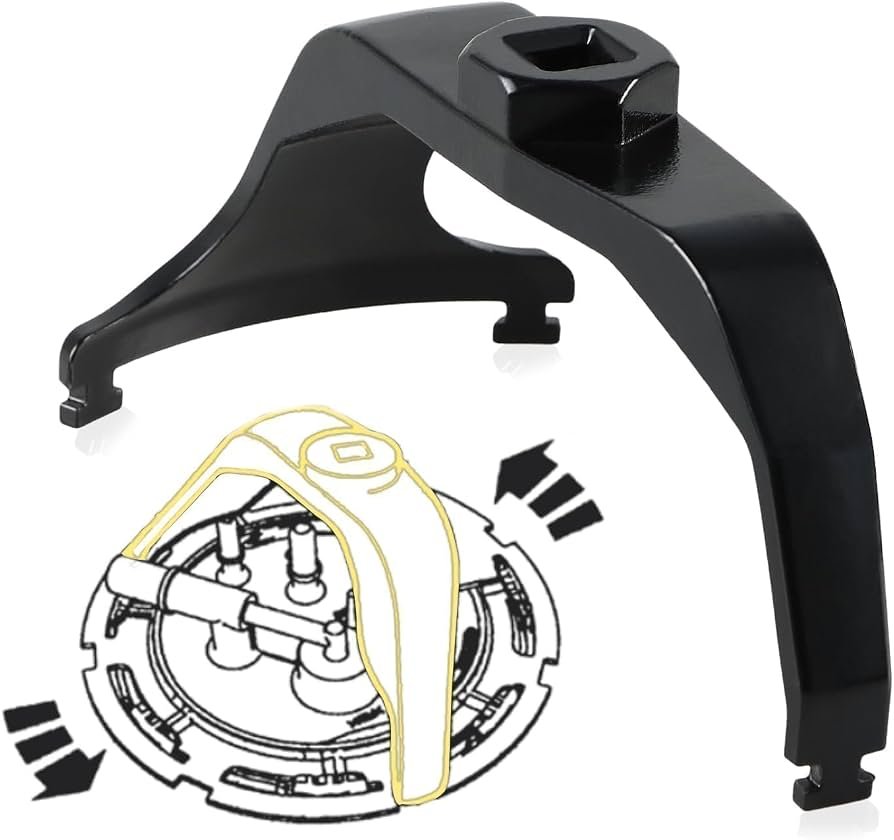
- Fuel line disconnect tool (for some models)
- Shop rags
- Penetrating oil
- Replacement parts (if needed, like a new fuel pump or tank straps)
Not all Jeep Wrangler models are the same. Check your year and model (YJ, TJ, JK, JL) for any unique tools or steps.
Step-by-step Guide: How To Remove The Fuel Tank
Removing the fuel tank usually takes 2 3 hours for someone with basic mechanical skills. Follow these steps for a safe and efficient process.
1. Relieve Fuel System Pressure
Before you disconnect any lines, relieve the pressure inside the fuel system. This prevents fuel from spraying when you remove the lines.
- Remove the fuel cap.
- Locate the fuel pump relay in the fuse box and remove it.
- Start the engine. It should run briefly, then stall.
- Turn off the ignition.
2. Lift And Secure Your Jeep
- Park the Jeep on a flat surface.
- Use the jack to raise the rear of the vehicle.
- Place jack stands under the frame to keep it stable.
- Always double-check the stability before crawling underneath.
3. Drain The Fuel Tank
A full tank is heavy (up to 100 pounds), so draining it makes removal easier.
- Place the drain pan under the tank.
- Locate the fuel drain plug (if equipped) or disconnect the fuel line at the lowest point.
- Open the plug or line and let fuel drain into the pan.
- Dispose of fuel properly—never pour it down a drain.
4. Disconnect Fuel Lines And Wiring
- Unplug the electrical connectors to the fuel pump and sending unit.
- Disconnect the fuel supply, return, and vapor lines using the fuel line disconnect tool if needed.
- Label each line with tape to avoid confusion during reinstallation.
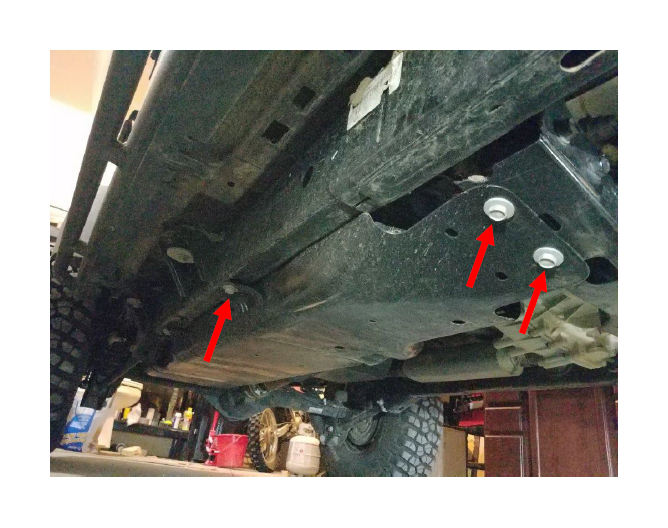
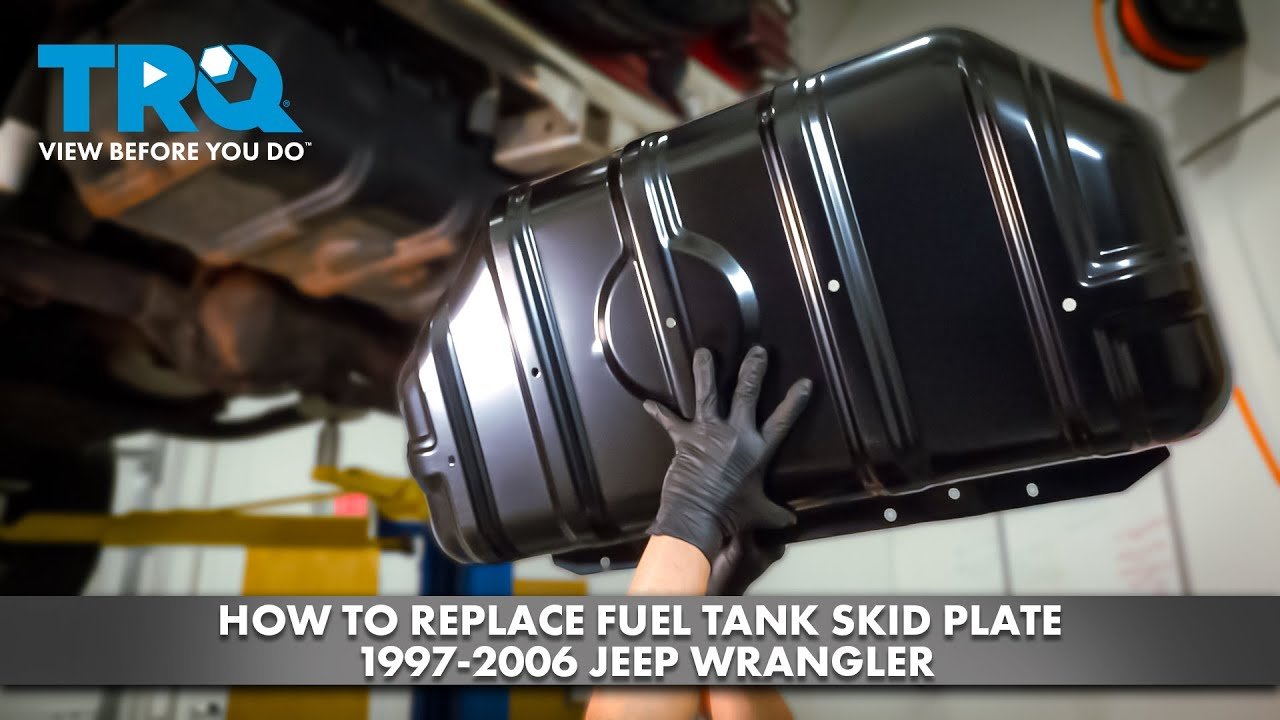
5. Remove Tank Skid Plate (if Present)
Many Wranglers have a skid plate protecting the tank.
- Spray bolts with penetrating oil to help loosen them.
- Support the skid plate with a jack.
- Remove the bolts and carefully lower the skid plate.
6. Unbolt And Lower The Fuel Tank
- Support the tank with a floor jack.
- Remove the tank strap bolts.
- Lower the tank slowly, watching for any missed lines or wires.
- Slide the tank out from under the vehicle.
Here’s a quick comparison of tank weights for different Jeep Wrangler generations:
| Model | Empty Tank Weight | Full Tank Weight |
|---|---|---|
| YJ (1987–1995) | ~35 lbs | ~100 lbs |
| TJ (1997–2006) | ~38 lbs | ~105 lbs |
| JK (2007–2018) | ~40 lbs | ~110 lbs |
7. Inspect And Replace Parts As Needed
With the tank out, check the fuel pump, sending unit, and tank straps. This is the best time to replace worn parts.
Reinstallation Tips
Reinstalling is the reverse of removal, but these tips will help:
- Double-check fuel line connections for leaks.
- Clean all connectors before reattaching.
- Replace old tank straps if they show rust or damage.
- Fill with a small amount of fuel and check for leaks before lowering completely.
Common Mistakes To Avoid
Even experienced DIYers can make errors. Watch out for these:
- Not labeling lines: Mixing up connections can cause starting problems.
- Forgetting to relieve pressure: Skipping this step is messy and dangerous.
- Reusing rusty tank straps: Old hardware can fail and drop your tank unexpectedly.
- Over-tightening bolts: This can strip threads or crack the tank.
Cost And Time Comparison
Here’s how DIY removal compares to a professional shop:
| Method | Estimated Time | Estimated Cost |
|---|---|---|
| DIY | 2–4 hours | $0–$100 (tools/parts only) |
| Professional | 1–2 hours | $300–$600 (labor + parts) |
Doing it yourself saves money, but only if you’re comfortable working under your Jeep and handling fuel safely.
Practical Advice And Non-obvious Tips
- Plan for fuel disposal: Local auto shops often take old fuel for a small fee.
- Check for recalls: Some Jeep fuel tanks have recalls for leaks or strap problems. Visit NHTSA for details.
- Clean the tank outside: If you’re removing the tank to clean it, use warm water and a little dish soap, then let it air dry fully before reinstalling.
Removing the fuel tank from a Jeep Wrangler is a rewarding project for anyone comfortable with basic tools and vehicle safety. With patience and attention to detail, you can handle this job and learn more about your Jeep in the process.
How Long Does It Take To Remove A Jeep Wrangler Fuel Tank?
Most people need 2–3 hours for their first time, especially if the bolts are rusty or the tank is full. Having the right tools and an empty tank will save time.
Is It Safe To Do This Job Alone?
You can do it alone, but having a helper is safer, especially when lowering or lifting the tank. The tank is heavy and awkward to handle by yourself.
What Size Is The Fuel Tank On A Jeep Wrangler?
It depends on the model. Most YJ and TJ Wranglers have a 15–19 gallon tank, while JK and JL models can have up to 22.5 gallons.
Do I Need To Replace The Fuel Pump When Removing The Tank?
Not always. But if your Jeep has high mileage or you notice fuel delivery problems, it’s a good time to replace the fuel pump since you already have the tank out.
What Should I Do If A Bolt Breaks During Removal?
Use penetrating oil before starting. If a bolt breaks, you may need to drill it out or use an extractor. Don’t force bolts—this can damage the frame or tank.