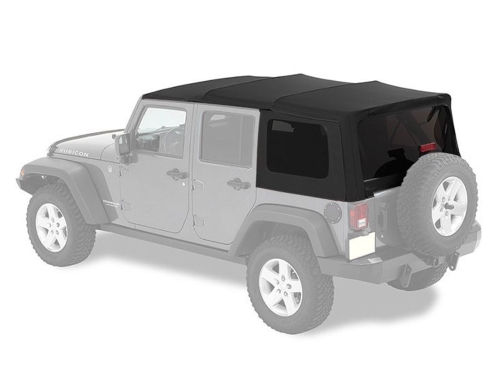
For Jeep owners, the soft top is more than just a cover—it’s a gateway to adventure. The Jeep 4 Door Soft Top offers flexibility, freedom, and protection, all while letting you enjoy open-air driving. Whether you love off-roading, road trips, or just cruising around town, choosing the right soft top can completely change your experience.
But with so many types and features, picking the best option can be confusing. Some drivers focus on looks, others want easy use, and many care most about weather protection. To help, we’ll break down the four main types of Jeep 4 Door Soft Tops, explain their strengths and weaknesses, and share practical tips for making your choice.
1. Traditional Soft Top
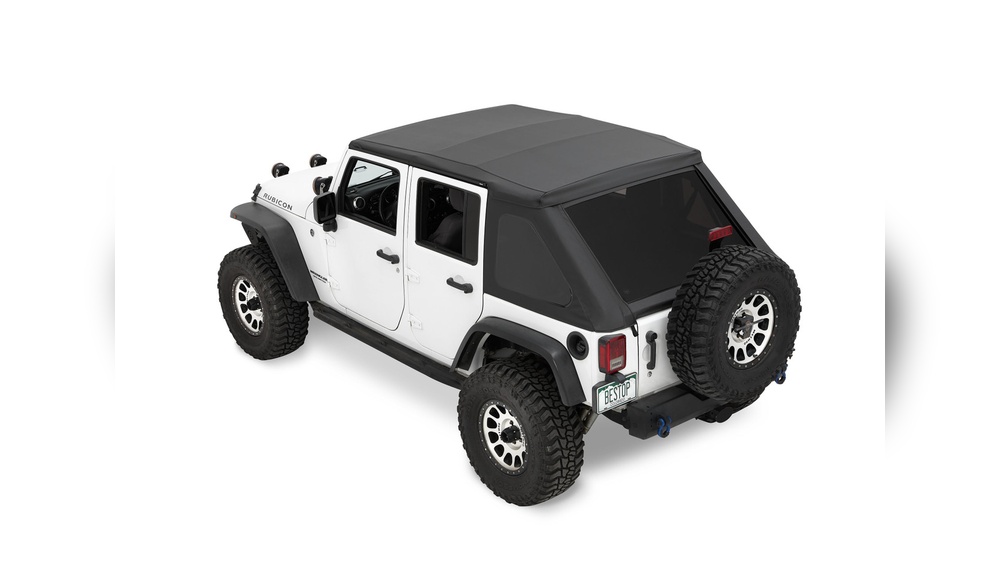
The traditional soft top is what most people picture when they think about a Jeep. Usually made of tough fabric like vinyl or sailcloth, it stretches over a frame and snaps or zips into place.
Key Features
- Affordable: Traditional soft tops are often the lowest-cost option.
- Simple Design: Easy to repair, with parts available almost everywhere.
- Good Weather Protection: Keeps out rain and wind, though not as well as a hardtop.
Pros And Cons
Traditional soft tops are great for those who want the classic Jeep look and open-air feel. However, they can be noisy at highway speeds and may need more care over time, especially if you live in a very hot or cold climate.
Typical Use
Many Jeep owners choose a traditional soft top for summer use and swap to a hardtop in winter. If you’re looking for a basic, cost-effective solution, this is a solid choice.
A premium soft top is a step up from the standard version. Made from better materials such as twill fabric, it offers improved durability and a more refined appearance.
Key Features
- Quieter Ride: Premium materials reduce road noise.
- Better Insulation: Keeps your Jeep cooler in summer and warmer in winter.
- Enhanced Looks: Twill tops often look more stylish and fit tighter.
Pros And Cons
Premium soft tops cost more, but the benefits are clear: less noise, better comfort, and longer life. These tops resist fading and stretching, so they look good for years. The main downside is price, which can be double that of a basic top.
Typical Use
If you drive your Jeep daily or care about comfort, a premium soft top is worth the investment. It’s also a smart choice for people in areas with extreme temperatures.
3. Fastback Soft Top
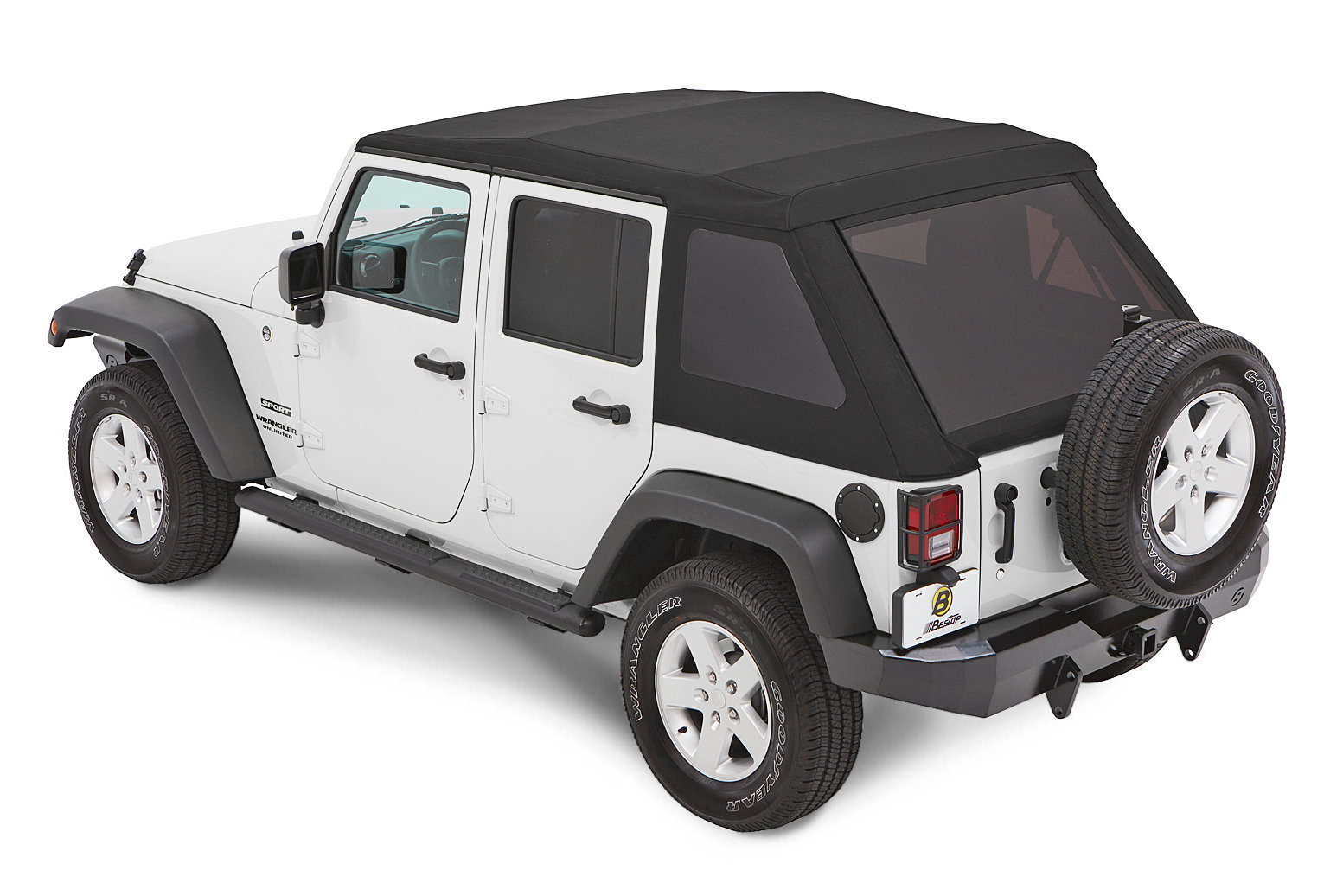
The fastback soft top stands out because of its sloped, sporty rear window. This design changes the Jeep’s profile, giving it a more aggressive look.
Key Features
- Sporty Style: Slanted rear window for a modern appearance.
- Quick Removal: Many fastback tops are designed for fast, tool-free removal.
- Unique Window System: Windows often zip out easily for more airflow.
Pros And Cons
The main appeal is style—if you want your Jeep to turn heads, a fastback top does the trick. But the sloped design can mean less cargo space and smaller rear windows. Some versions offer less weather protection at the back, so check reviews before buying.
Typical Use
Fastback soft tops are popular with younger Jeep owners and those who want to stand out. They are also good for weekend trips where style matters as much as function.
4. Sunrider/flip-back Soft Top
The Sunrider or flip-back soft top adds a special feature: a section above the front seats that you can quickly flip open for instant sun and fresh air.
Key Features
- Partial Open-Air: Flip back just the front for a sunroof effect.
- Very Quick Operation: Open or close in seconds, even while stopped at a light.
- No Full Removal Needed: You don’t have to take off the whole top for a breeze.
Pros And Cons
Sunrider soft tops are perfect for drivers who want the freedom to change their setup often. The main downside: more moving parts mean more to maintain, and prices are usually higher than basic soft tops.
Typical Use
Ideal for city drivers or anyone who wants a sunroof experience with the safety and coverage of a full soft top. If you like to switch between covered and open driving often, this style is a great fit.
Quick Comparison
Here’s how the main types compare on important features:
| Type | Best For | Average Price | Noise Level |
|---|---|---|---|
| Traditional | Classic looks, budget buyers | $500-$800 | High |
| Premium | Comfort, daily drivers | $900-$1,400 | Low |
| Fastback | Sporty style | $700-$1,200 | Medium |
| Sunrider/Flip-Back | Quick open-air access | $1,000-$1,500 | Medium |
What To Consider Before Buying
Selecting the right Jeep 4 Door Soft Top isn’t just about style. Here are some things to keep in mind:
- Climate: If you live where winters are harsh, a premium soft top or a backup hardtop is smart.
- Usage: Off-road drivers may want something easy to clean and repair.
- Installation: Some tops need tools and help, others are nearly plug-and-play.
- Storage: Consider where you’ll keep your removed top and windows.
A common mistake is forgetting to check compatibility with your Jeep model and year. Always read the manufacturer’s guide and ask for help if unsure.
Real-world Durability Comparison
Let’s look at how these tops stand up over time:
| Type | Expected Lifespan | Maintenance Needed |
|---|---|---|
| Traditional | 3-5 years | Medium |
| Premium | 5-8 years | Low |
| Fastback | 4-6 years | Medium |
| Sunrider/Flip-Back | 4-7 years | Medium-High |
Non-obvious insights: Many buyers don’t realize that cleaning soft top windows with paper towels can cause scratches—use microfiber cloths instead. Also, storing soft windows rolled up in hot weather can cause them to stick and fog, so keep them flat when possible.
For more details on Jeep soft top maintenance, visit the Jeep Wrangler Wikipedia page.
Frequently Asked Questions
How Long Does A Jeep 4 Door Soft Top Last?
A well-cared-for soft top can last between 3 and 8 years. Premium fabrics last longer, especially if you clean and protect them from sun and mildew.
Can I Install A Jeep Soft Top By Myself?
Yes, most soft tops are DIY-friendly. Basic tools and following the instructions are usually enough. Some premium or flip-back models may need a helper for the first install.
Are Soft Tops Waterproof?
Most Jeep soft tops are highly water-resistant but not 100% waterproof. Heavy rain can sometimes cause small leaks, usually around seams or zippers.
Will A Soft Top Fit All Jeep 4 Door Models?
Not always. Make sure the soft top is compatible with your Jeep’s model year and trim. Some tops only fit Wranglers from certain years.
Can I Drive With My Soft Top Partially Open?
With Sunrider/flip-back styles, yes—you can open just the front. Other types require you to fully remove the top or windows for open-air driving.
Driving a Jeep with the right soft top is about blending adventure with comfort. With the right choice, you’ll enjoy every mile, rain or shine.