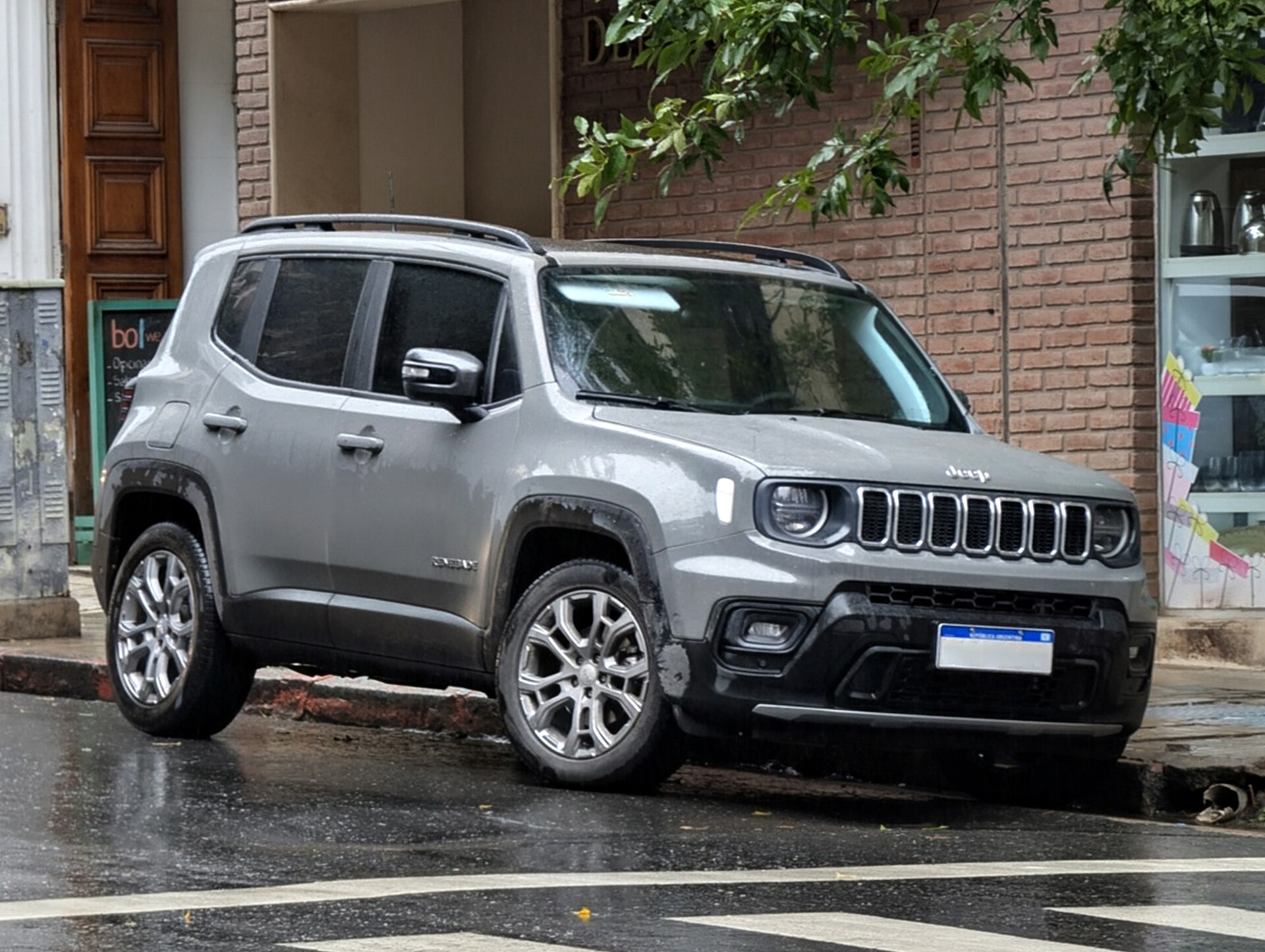
The Jeep Wrangler is known for its rugged design and off-road abilities. However, many owners have experienced a frightening issue called the death wobble. This is not just a small vibration—it’s a violent shaking of the steering wheel and front end, often at highway speeds. Understanding what causes this problem is key to fixing it and making your Jeep safe again.
What Is The Jeep Wrangler Death Wobble?
Death wobble is a sudden, strong shaking in the steering and suspension system. It can make the Jeep feel out of control, especially after hitting a bump or pothole at speeds above 45 mph. Many drivers describe it as if the whole front of the vehicle is bouncing from side to side.
It’s important to note that death wobble is different from minor vibrations or tire imbalance. It can be scary and dangerous if not addressed quickly.
Main Causes Of Jeep Wrangler Death Wobble
Several factors can lead to this problem. Most are related to the suspension and steering parts. Let’s look at the main causes.
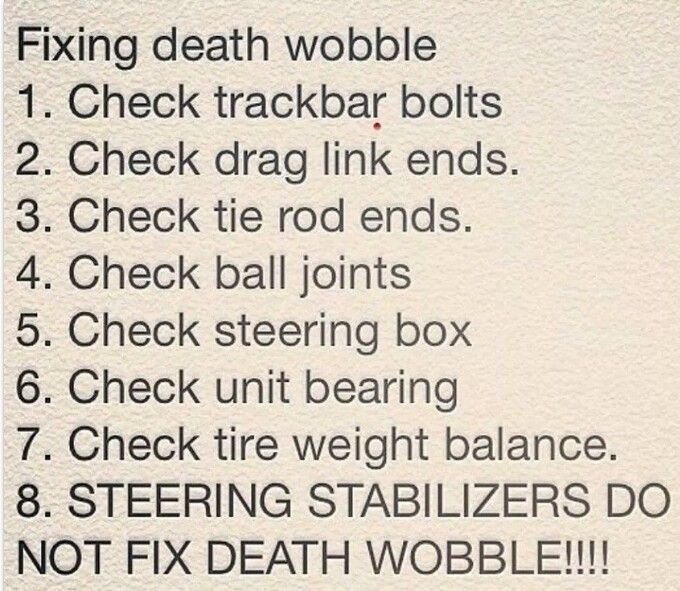
1. Worn Track Bar Bushings Or Bolts
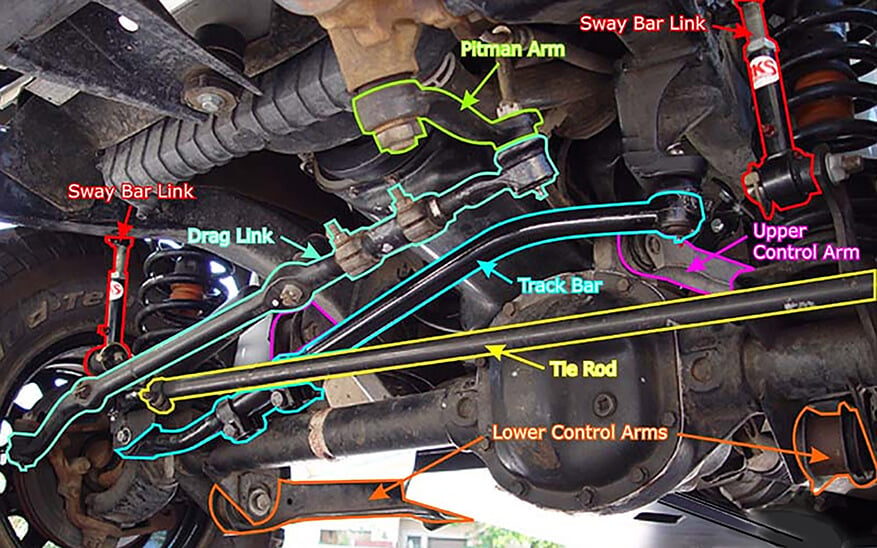
The track bar keeps the axle centered under the Jeep. If the bushings or bolts are worn out, even a small bump can cause the axle to shift, leading to wobble. Many experts say this is the most common cause.
2. Loose Or Damaged Steering Components
Tie rods, drag links, and ball joints connect the wheels to the steering. If any of these are loose or have play, the steering can shake uncontrollably. Regular off-road driving wears these parts faster.
3. Suspension Lift Kits
Many Jeep owners install lift kits to add ground clearance. But if not done properly, the angles of suspension parts change. This puts extra stress on joints and bushings, making death wobble more likely.
4. Unbalanced Or Worn Tires
Large or unbalanced tires make the Jeep more sensitive to vibrations. Even small differences in tire wear can start a wobble. Misaligned tires add to the problem.
5. Weak Or Broken Shocks
Shock absorbers control the bounce of your Jeep. If they’re worn or leaking, they can’t keep the wheels stable after a bump. This loss of control can trigger the wobble.
6. Faulty Wheel Bearings
When wheel bearings are loose or worn out, the wheels can move more than they should. This extra movement can set off the violent shaking.
7. Frame Or Axle Damage
Jeep Wranglers are built tough, but years of hard use or an accident can bend the frame or axle. Even a small bend can change suspension geometry, making death wobble more likely.
How To Diagnose The Problem
Finding the exact cause is not always easy. Here’s a simple step-by-step check:
- Park the Jeep on level ground.
- Check the track bar for movement by having someone turn the steering wheel slightly back and forth. Watch for play in the bushings or bolts.
- Shake the wheels at the 12 and 6 o’clock positions to check for loose ball joints or bearings.
- Look for leaking or damaged shocks.
- Inspect all steering parts for cracks or looseness.
A mechanic with Jeep experience can use these steps to pinpoint the issue.
Common Signs And Early Warnings
You may notice warning signs before a full death wobble happens:
- Small vibrations at highway speeds
- Uneven tire wear
- Clunking noises from the front suspension
- Steering feels loose or wanders
Don’t ignore these signs. Early repairs are cheaper and safer.

How Death Wobble Differs From Other Vibrations
Not every shake is death wobble. Here’s how they compare:
| Problem | Symptoms | Speed Range |
|---|---|---|
| Death Wobble | Violent shaking, hard to control | Above 45 mph |
| Tire Imbalance | Steering wheel vibration, mild | 50–65 mph |
| Warped Brake Rotors | Shake during braking only | Any speed |
Death wobble is usually much stronger and more sudden than other types of shaking.
How Modifications Affect Death Wobble Risk
Many Jeep owners add aftermarket parts. Some help, but others can increase risk.
| Modification | Effect on Death Wobble |
|---|---|
| Lift Kits | Increase risk if not installed and aligned properly |
| Heavy-duty Track Bar | Can reduce risk by improving stability |
| Oversized Tires | More sensitive to vibrations |
| Steering Stabilizer | Masks symptoms, does not solve root cause |
A common mistake is to install a steering stabilizer to “fix” death wobble. This only hides the problem. The real solution is repairing worn parts.
Non-obvious Insights Most Owners Miss
- Even small amounts of play in the track bar or ball joints can trigger death wobble. You might not feel this driving slowly, but it matters at highway speed.
- If one part is worn, others may be close to failing. Fixing only the obvious problem can lead to more wobble later. It’s smart to check and refresh several related parts at once.
Preventing Death Wobble
You can reduce your risk with these steps:
- Check and tighten suspension bolts every oil change
- Rotate and balance tires regularly
- Use quality replacement parts, not just cheapest options
- After any off-road trip, inspect the steering system for damage
If you lift your Jeep, always get a professional alignment. This helps keep suspension angles in the safe range.
Frequently Asked Questions
What Should I Do If My Jeep Gets Death Wobble While Driving?
First, stay calm and hold the steering wheel firmly. Slow down smoothly without sudden braking. Pull over safely. Check for obvious loose parts and have the vehicle inspected before driving at high speed again.
Can A Steering Stabilizer Fix Death Wobble?
No, a steering stabilizer only hides the shaking. The real fix is finding and repairing worn or loose suspension or steering parts.
Is Death Wobble Dangerous?
Yes, it can cause loss of control, especially at high speeds. It can also damage other parts of your Jeep if you keep driving with the problem.
Does Death Wobble Only Happen To Lifted Jeeps?
No, it can happen to stock Jeeps as well, especially as they age. However, lifts and big tires make it more likely if other parts are worn.
Where Can I Learn More About Jeep Suspension Problems?
You can find detailed technical guides and owner experiences at JeepForum.
Jeep Wrangler death wobble is a serious issue, but it’s not a mystery. With regular maintenance and careful inspection, you can prevent or solve this problem. Understanding the real causes is the first step to keeping your Jeep safe and fun to drive—on or off the road.